
Insects: Anatomy, Behavior, and Ecology - Exploring the Fascinating World of the Most Diverse Group of Animals on Earth
The Importance of Insects in the Ecosystem and Human Society
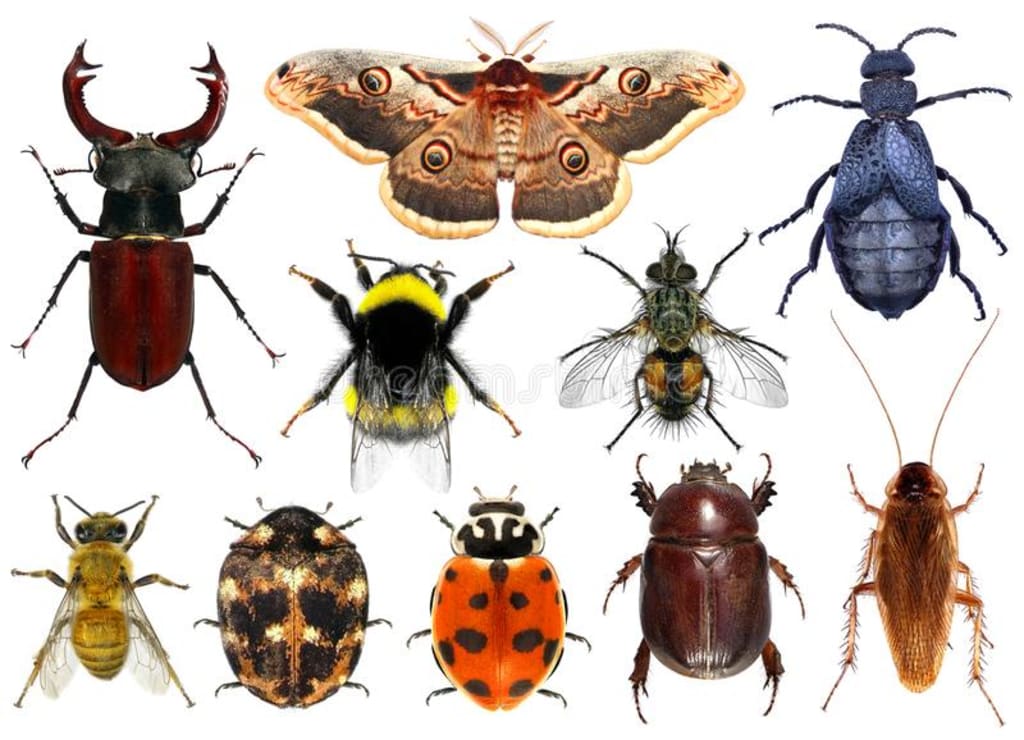
Insects are a diverse and abundant group of animals that play an important role in the ecosystem. There are more than one million described species of insects, making them the most diverse group of animals on the planet. They can be found in nearly every habitat on earth, from the depths of the ocean to the highest mountains. Insects are incredibly important to the functioning of ecosystems, and without them, many plant and animal species would be threatened.
In this article, we will explore the fascinating world of insects, including their anatomy, behavior, and ecology. We will also discuss the many ways in which insects are important to humans, and some of the challenges they face in the modern world.
Anatomy of Insects
Insects are characterized by their segmented bodies, six legs, and three-part body plan consisting of the head, thorax, and abdomen. Their bodies are covered in a hard exoskeleton, which provides protection and support. Insects have a variety of appendages, including wings, antennae, and mouthparts, which they use for a variety of functions.
The head of an insect contains the brain, eyes, and mouthparts. Many insects have compound eyes, which are made up of many individual lenses that allow them to see in all directions. Some insects also have simple eyes, which can detect light and dark. The mouthparts of insects are highly specialized, and vary depending on the insect's diet. Some insects, such as butterflies, have a long proboscis for sipping nectar, while others, such as mosquitoes, have piercing mouthparts for sucking blood.
The thorax of an insect contains the muscles that power the legs and wings. Insects have three pairs of legs, which are attached to the thorax. The front pair of legs is often adapted for grasping, while the middle and hind pairs are used for walking or jumping. Many insects also have wings, which are attached to the thorax. Insect wings come in a variety of shapes and sizes, and are used for a variety of purposes, including flight, protection, and communication.
The abdomen of an insect contains the digestive and reproductive organs. In female insects, the abdomen also contains the ovaries, which produce eggs. In males, the abdomen contains the testes, which produce sperm. Some insects have specialized structures on their abdomens, such as stingers or ovipositors, which they use for defense or reproduction.
Behavior of Insects
Insects exhibit a wide range of behaviors, including feeding, mating, and communication. Many insects are social, living in large groups with specialized roles for individuals. Ants, for example, live in colonies with a queen who lays eggs, and worker ants who gather food and care for the young. Bees also live in colonies, with specialized roles for workers, drones, and the queen.
Insects use a variety of communication methods to interact with each other. Many insects use pheromones, which are chemical signals that are released into the environment. These pheromones can be used to signal for mating, to mark territories, or to warn of danger. Some insects also use visual signals, such as flashing lights or bright colors, to communicate with each other.
Feeding habits of insects vary widely. Some insects, such as butterflies and moths, feed on nectar from flowers. Others, such as mosquitoes and ticks, feed on blood. Many insects are herbivorous, feeding on plant material, while others are carnivorous, feeding on other insects or even larger animals. Some insects, such as termites, have specialized digestive systems that allow them to break down wood and other tough plant material.
Ecology of Insects
Insects play an incredibly important role in the ecosystem. They are involved in pollination, decomposition
About the Creator
Keep reading
More stories from Kamal Mourya and writers in Earth and other communities.
Exploring the World of Spiders: Anatomy, Behavior, Habitats, and Myths
Spiders are one of the most fascinating and mysterious creatures on earth. With their eight legs and intricate webs, they have been the subject of countless stories and myths throughout human history. From the ancient Greeks who associated them with the goddess Athena, to modern-day horror movies that depict them as deadly predators, spiders have captured the imagination of people around the world. In this article, we will explore the world of spiders, their anatomy, behavior, and habitats.
By Kamal Mourya3 years ago in Earth
The Human Side of the Storm: How Weather Radar Changed the Way I See the Sky
When I was a kid, watching the local meteorologist felt like watching a magician. The radar behind them—a swirl of greens, yellows, and reds—was an enchantment. They’d point, circle, and predict where the storm would move, and somehow, they were always close enough to right. I didn’t know it then, but I was watching the visible language of data before I ever knew what data was. The radar was our oracle, and every flash of color meant something invisible but immediate: wind, rain, and risk.
By Trend Vantage2 days ago in Earth
Saudi Arabia Flour Market Size and Forecast 2025–2033
The Saudi Arabia Flour Market is undergoing a significant transformation, supported by population growth, urbanization, dietary changes, and government initiatives to strengthen food security. According to Renub Research, the market is expected to grow from US$ 2.01 billion in 2024 to US$ 3.03 billion by 2033, registering a compound annual growth rate (CAGR) of 4.66% from 2025 to 2033.
By Sushant. Renub Research2 days ago in Earth



Comments
There are no comments for this story
Be the first to respond and start the conversation.