Kamal Mourya
Stories (35)
Filter by community
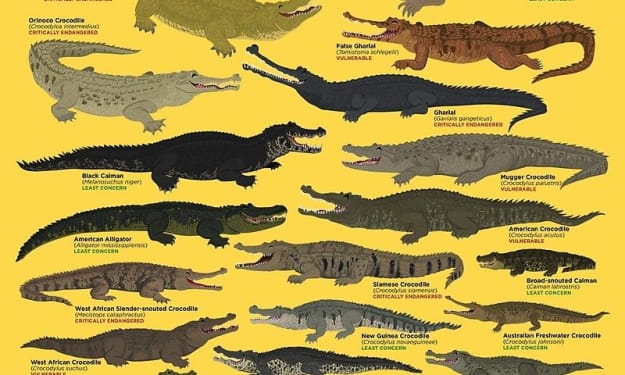
Crocodilians: The Apex Predators of the Reptile World and their Conservation Challenges
Crocodilians are a group of reptiles that are found in various parts of the world, including Africa, Australia, and the Americas. They are often referred to as crocodiles or alligators, and they are famous for their sharp teeth, powerful jaws, and incredible strength. Crocodilians are the largest and most aggressive living reptiles, and they have remained largely unchanged for over 200 million years.
By Kamal Mourya3 years ago in Earth
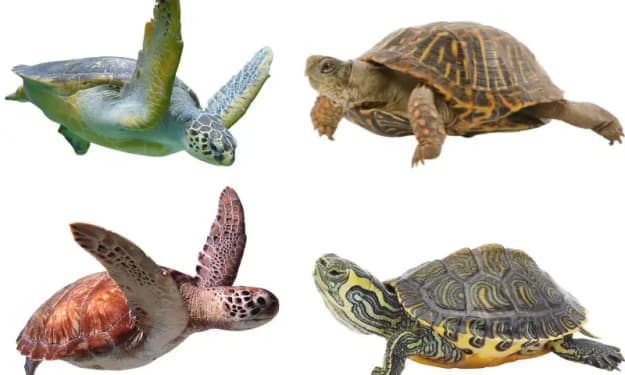
Turtles: A Fascinating Look at Their Physical Characteristics, Behavior, Habitat, Diet, and Conservation Efforts
Turtles are one of the most ancient reptiles on earth, with a history that dates back over 200 million years. These unique creatures are fascinating and can be found in all types of environments, including oceans, rivers, ponds, and even deserts. In this article, we will explore the different types of turtles, their physical characteristics, behavior, habitat, diet, and conservation efforts.
By Kamal Mourya3 years ago in Earth
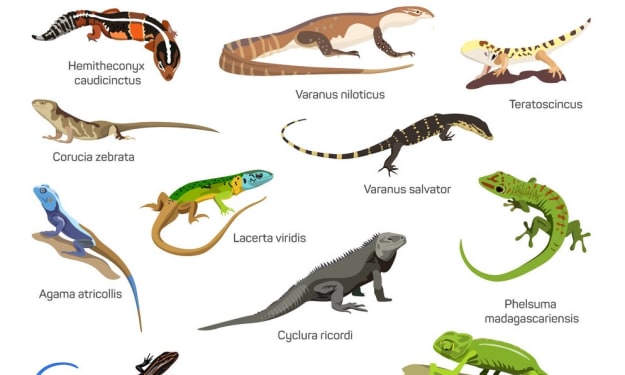
The Remarkable World of Lizards: Exploring Biology, Ecology, Behavior, and Conservation
Lizards are a diverse group of reptiles belonging to the order Squamata, which also includes snakes and amphisbaenians (worm lizards). With over 6,000 species, lizards are found in every continent except Antarctica. They are known for their scaly skin, sharp claws, and ability to regenerate lost tails. Lizards occupy a wide range of ecological niches, from desert-dwelling sand lizards to arboreal chameleons. In this article, we will explore the biology, ecology, behavior, and conservation of lizards.
By Kamal Mourya3 years ago in Earth
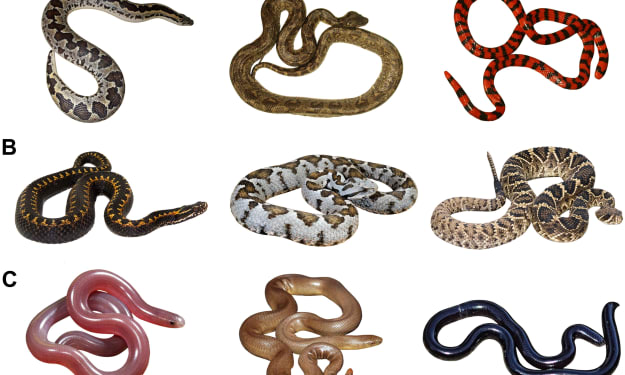
Slithering Through History: A Comprehensive Look at the Fascinating World of Snakes
Snakes are fascinating creatures that have been around for millions of years. They are a diverse group of reptiles that vary greatly in size, color, and behavior. There are over 3,000 species of snakes, and they can be found on every continent except for Antarctica. In this article, we will explore the world of snakes, including their anatomy, behavior, habitats, and conservation efforts.
By Kamal Mourya3 years ago in Earth
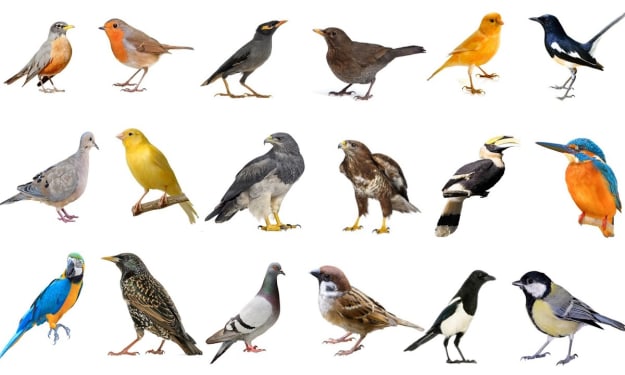
Land Birds: An Exploration of their Biology, Behavior, and Conservation
Land birds are a diverse group of birds that are adapted to living primarily on land, as opposed to water or air. They can be found in nearly every part of the world, from tropical rainforests to deserts and tundra. In this article, we will explore the fascinating world of land birds, their biology, behavior, and conservation.
By Kamal Mourya3 years ago in Earth
Water Birds: Anatomy, Behavior, and Conservation of Aquatic Birds
Water birds are a diverse group of birds that are adapted to life in and around water. They can be found in a wide range of habitats, from the Arctic tundra to the tropical rainforest, and from the high alpine lakes to the salt marshes along the coast. Water birds play an important role in maintaining the ecological balance of aquatic ecosystems and are a valuable indicator of the health of these systems. In this article, we will explore the biology, behavior, and conservation of water birds.
By Kamal Mourya3 years ago in Earth
Flightless Birds: Exploring the Fascinating Adaptations, Evolution, and Conservation of These Ground-Dwelling Avians
Flightless birds are a diverse group of avian species that have adapted to living on the ground, in forests, or in the water. These birds have evolved over millions of years to suit their specific environments and niches, resulting in fascinating adaptations such as powerful legs and wings that have been modified for different purposes. In this article, we will explore the biology, behavior, evolution, and conservation of some of the most well-known and intriguing flightless birds.
By Kamal Mourya3 years ago in Earth
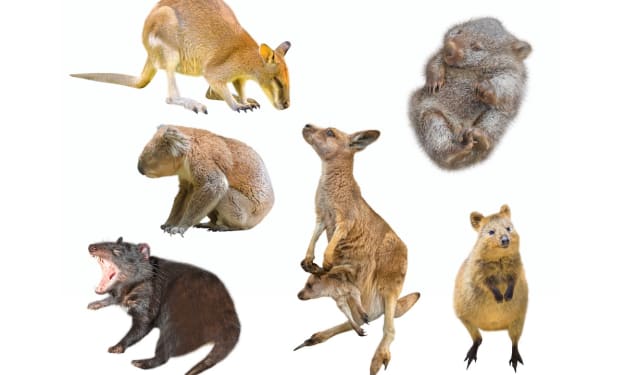
Marsupials: The Diverse and Fascinating Group of Pouched Mammals and Their Conservation Challenges
Marsupials are a group of mammals that are characterized by their unique reproductive and developmental strategies. Unlike placental mammals, which give birth to fully formed young, marsupials give birth to underdeveloped young that continue to develop outside of the womb in a pouch called a marsupium. Marsupials are found primarily in Australia, New Guinea, and nearby islands, although some species have also been introduced to other parts of the world. In this article, we will explore the fascinating world of marsupials, their biology, behavior, and conservation.
By Kamal Mourya3 years ago in Earth
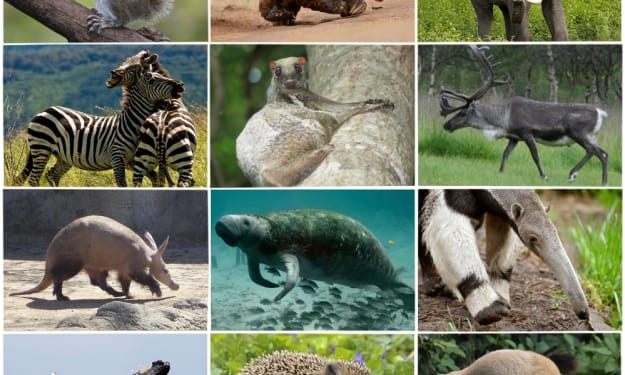
Placental Mammals: Exploring the Biology, Behavior, Evolution, and Conservation of Earth's Most Diverse Mammal Group
Placental mammals are a diverse group of animals that are characterized by their unique reproductive system. Unlike monotremes and marsupials, which lay eggs or give birth to relatively undeveloped young, placental mammals give birth to fully developed offspring that are nourished in the womb through a specialized organ called the placenta. This allows for a longer gestation period and the development of more complex offspring. In this article, we will explore the biology, behavior, evolution, and conservation of placental mammals, which comprise approximately 94% of all mammal species on Earth.
By Kamal Mourya3 years ago in Earth
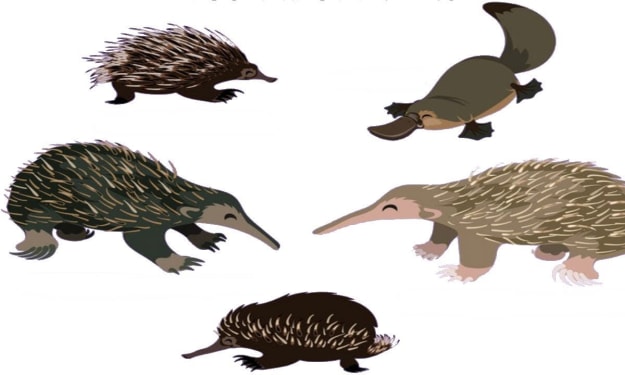
Monotremes: The Unique and Endangered Egg-Laying Mammals
Monotremes are a unique group of mammals that are characterized by their unusual reproductive and evolutionary traits. They are the only group of mammals that lay eggs instead of giving birth to live young, and they also lack nipples, instead excreting milk through specialized patches on their skin. Monotremes are also the most primitive group of mammals, having diverged from the rest of the mammalian lineage approximately 200 million years ago. In this article, we will explore the fascinating world of monotremes, their biology, behavior, and conservation.
By Kamal Mourya3 years ago in Earth
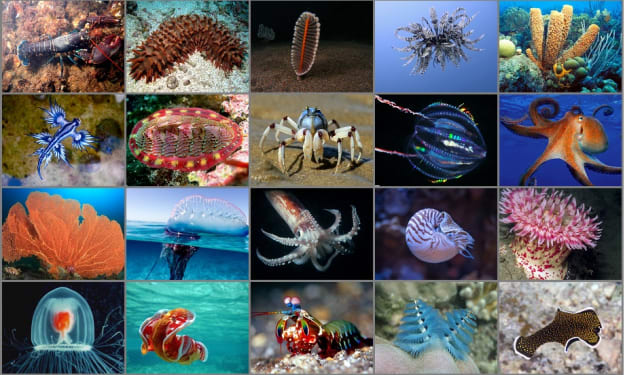
Exploring the Fascinating World of Invertebrates and Their Role in the Ecosystem
Invertebrates are a diverse group of animals that make up more than 95% of all animal species on Earth. They are characterized by the absence of a vertebral column, or backbone, which sets them apart from vertebrates such as mammals, birds, and reptiles. Invertebrates come in all shapes and sizes, from tiny microscopic creatures to giant squids and octopuses.
By Kamal Mourya3 years ago in Earth
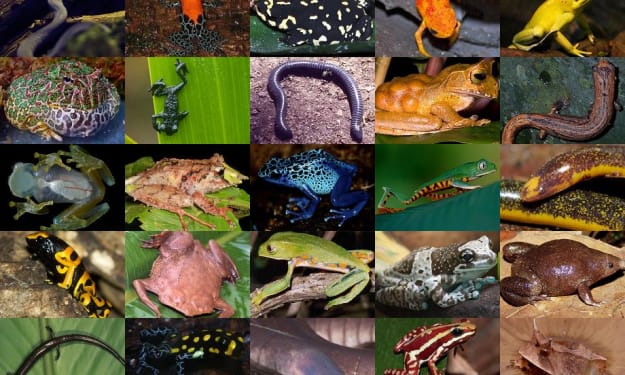
The Fascinating World of Amphibians: Adaptations, Importance, and Threats
Amphibians are a fascinating and diverse group of animals that are found all around the world. They are characterized by their ability to live both on land and in water, and have a variety of adaptations that allow them to thrive in these different environments. In this article, we will explore some interesting facts about amphibians and their importance to the ecosystem.
By Kamal Mourya3 years ago in Earth