
Cartilaginous Fish: Exploring the Fascinating World of Sharks, Rays, and Chimaeras
Exploring the Fascinating World of Cartilaginous Fish: Evolution, Anatomy, Reproduction, and Behavior
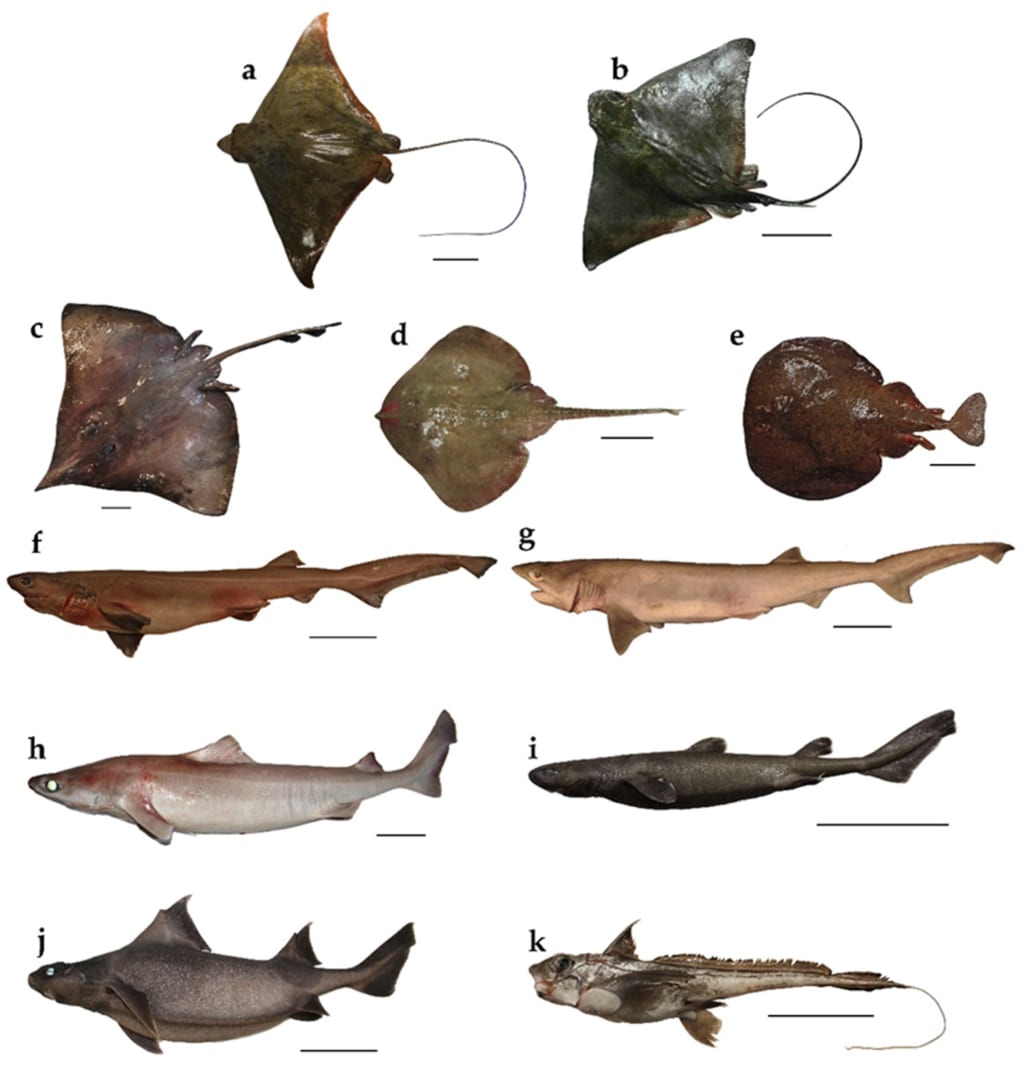
Cartilaginous fish are a diverse group of marine animals that belong to the class Chondrichthyes. This group of fish includes over 1,200 species, which can be further divided into two subclasses: Elasmobranchii and Holocephali. Elasmobranchii includes sharks, rays, and skates, while Holocephali includes chimaeras. These fish are characterized by their skeleton, which is made of cartilage rather than bone. Cartilaginous fish have a wide range of shapes and sizes and can be found in all oceans of the world. This article will explore the fascinating world of cartilaginous fish.
Evolution of Cartilaginous Fish
Cartilaginous fish have been around for over 400 million years, making them some of the oldest living creatures on earth. The first cartilaginous fish were the ancestors of the modern sharks, and they appeared during the Silurian period, around 420 million years ago. These early sharks were small, measuring only a few centimeters in length, and had a simple body shape. Over time, the sharks evolved to become larger and more complex, with a wide variety of body shapes and sizes.
One of the most significant changes in the evolution of cartilaginous fish was the development of the jaw. The first jawed fish appeared around 430 million years ago, and it was a major evolutionary milestone that allowed fish to become much more efficient predators. Sharks and other cartilaginous fish have evolved powerful jaws that can deliver a crushing bite to their prey. Another important development was the development of the lateral line system, which allows fish to detect changes in water pressure and movement, helping them to locate prey and avoid predators.
Anatomy of Cartilaginous Fish
Cartilaginous fish have a unique anatomy that sets them apart from other fish. Their skeleton is made of cartilage rather than bone, which makes them much more flexible and agile than bony fish. The skin of cartilaginous fish is covered in tiny scales called dermal denticles, which give their skin a rough, sandpaper-like texture.
Most cartilaginous fish have five to seven gill slits on the sides of their heads, which they use to extract oxygen from the water. Sharks and rays have a unique respiratory system that allows them to pump water over their gills, allowing them to breathe even when they are stationary. This allows sharks to rest on the ocean floor without suffocating.
Another unique feature of cartilaginous fish is their teeth. Sharks have several rows of teeth that they can replace throughout their lifetime, allowing them to maintain a sharp and efficient bite. Some species of sharks can replace their teeth as often as every week.
Reproduction
Cartilaginous fish have a wide variety of reproductive strategies. Some species lay eggs, while others give birth to live young. Sharks and rays have a unique method of reproduction called oviparity, in which the female lays eggs that hatch outside of her body. The eggs are protected by a tough, leathery case that helps to prevent them from being eaten by predators.
Other species of cartilaginous fish, such as the great white shark, are viviparous, meaning they give birth to live young. In these species, the eggs develop inside the female's body, and the young are born fully formed and ready to swim.
Behavior
Cartilaginous fish are some of the most fascinating and enigmatic creatures in the ocean. They have a wide range of behaviors, from the solitary hunters like the great white shark to the social rays like the Manta ray. Some species, like the hammerhead shark, are known for their unusual swimming patterns and unique feeding behaviors.
About the Creator
Keep reading
More stories from Kamal Mourya and writers in Earth and other communities.
Crocodilians: The Apex Predators of the Reptile World and their Conservation Challenges
Crocodilians are a group of reptiles that are found in various parts of the world, including Africa, Australia, and the Americas. They are often referred to as crocodiles or alligators, and they are famous for their sharp teeth, powerful jaws, and incredible strength. Crocodilians are the largest and most aggressive living reptiles, and they have remained largely unchanged for over 200 million years.
By Kamal Mourya3 years ago in Earth
Pentagon Contractor Indicted Over Alleged Leak Tied to Raided Washington Post Reporter
A Pentagon contractor has been indicted in connection with an alleged leak tied to a Washington Post reporter, marking a significant escalation in the U.S. government’s scrutiny of leaks involving national security information. The case has raised questions about press freedom, government overreach, and the balance between security and transparency, stirring debates in political, legal, and journalistic circles. Background of the Case According to court documents, the Pentagon contractor is accused of disclosing classified or sensitive information to a Washington Post journalist, whose office was previously raided by federal authorities as part of a leak investigation. The allegations include: Transmitting sensitive information without authorization. Coordinating with journalists who may have used the material in published reports. Potentially compromising national security operations or personnel. Federal prosecutors allege that the contractor knowingly violated U.S. law by disclosing information protected under federal statutes governing classified material. The Washington Post Connection This case is closely linked to a prior federal raid on a Washington Post reporter, an unprecedented action that drew widespread criticism from journalists and press freedom advocates. The raid reportedly aimed to identify the source of leaks regarding sensitive military or defense operations. The indictment of the Pentagon contractor underscores the government’s ongoing efforts to identify and prosecute sources of classified leaks, even when they involve interactions with journalists. Critics argue that such investigations risk chilling investigative reporting and undermining the First Amendment. Legal Details of the Indictment While some details remain sealed due to the sensitive nature of the information, the indictment reportedly charges the contractor with: Unauthorized disclosure of national defense information. Conspiracy to leak classified material. Violation of federal secrecy and security laws. The contractor now faces potential penalties including prison time, fines, and the permanent loss of security clearance. The case will be closely watched by legal experts, media organizations, and policy analysts, as it could set important precedents for how leaks are investigated and prosecuted. Implications for Press Freedom Journalists and press freedom organizations have raised concerns over the broader implications of this case. Key issues include: Chilling effect on investigative journalism: If government employees fear prosecution for speaking to reporters, crucial stories may go unpublished. Source protection: Confidential sources are vital for reporting on matters of public interest, particularly regarding government and military operations. Transparency vs. security: Balancing the public’s right to know with national security interests remains a complex challenge. The Washington Post and other news outlets have emphasized that government actions should respect constitutional protections for press freedom, even when investigating leaks. Government’s Perspective From the government’s standpoint, the case highlights the risks posed by unauthorized disclosures of sensitive information. Officials argue that leaks can: Compromise ongoing military operations. Endanger personnel and intelligence assets. Undermine national security and international relations. Prosecutors assert that the Pentagon contractor acted knowingly and illegally, justifying the indictment as necessary to protect national interests. Previous Leak Cases and Context This indictment comes amid a series of high-profile leak investigations involving U.S. government employees, contractors, and journalists: Previous cases have involved classified defense documents, intelligence reports, and diplomatic cables. Some investigations resulted in prosecutions, while others sparked controversy over press freedom and government overreach. These cases often raise complex legal questions about the definition of classified information and the rights of journalists to report on public interest issues. Legal experts say this Pentagon contractor case may be one of the most significant yet, given its direct tie to a mainstream news outlet. Public and Media Reaction The indictment has elicited strong reactions from multiple sectors: Journalists: Press freedom advocates express concern that prosecuting sources of leaks could intimidate whistleblowers and reporters. Legal analysts: Experts are closely watching how the courts interpret laws governing classified material and the limits of government authority. Policy makers: Some lawmakers have emphasized the need for clearer guidelines on leaks and protections for investigative reporting. Civil liberties organizations have warned that aggressive leak investigations may inhibit government accountability, especially on issues involving national defense and public interest. Potential Outcomes and Next Steps The Pentagon contractor now faces trial proceedings, which may include: Pre-trial motions challenging the scope of evidence and the legality of the indictment. Examination of whether journalists’ communications can be implicated in legal proceedings. Decisions on sentencing if convicted, including potential prison time and fines. Observers predict that the case may also influence future government policies on leak investigations and employee handling of sensitive information. Why This Matters This case illustrates the delicate balance between national security and press freedom. Key takeaways include: Government employees and contractors must exercise caution when handling classified material. Journalists rely on confidential sources to report on matters of public interest. Legal and ethical frameworks must address both the risks of leaks and the protection of free speech. The outcome of this case could set legal precedents affecting not just defense contractors, but journalists, whistleblowers, and government transparency efforts. Final Thoughts The indictment of a Pentagon contractor over an alleged leak linked to a raided Washington Post reporter underscores the complex intersection of national security, law, and press freedom. While the government seeks to protect sensitive information, the case also raises questions about constitutional rights, transparency, and accountability. As proceedings unfold, this case will likely continue to be a touchstone in discussions about how the U.S. balances security concerns with the democratic imperative of a free press, and how future leak investigations are conducted
By Muhammad Hassana day ago in Earth
Channing Tatum Cried ‘Five, Six, Seven Times’ at Josephine Premiere as Film Becomes First Sundance 2026 Sensation
The Sundance Film Festival has always been a place where raw emotion meets bold storytelling, but Sundance 2026 may have found its first true breakout already. At the world premiere of Josephine, actor Channing Tatum reportedly became so overwhelmed that he cried “five, six, seven times,” according to those in attendance. The moment quickly turned into one of the most talked-about scenes of the festival — not on screen, but in the theater itself.
By Muhammad Hassana day ago in Earth




Comments
There are no comments for this story
Be the first to respond and start the conversation.