
Exploring the World of Bony Fish: Anatomy, Behavior, Habitat, and Significance
Exploring the Diversity and Significance of Bony Fish: Anatomy, Behavior, Habitat, and Beyond
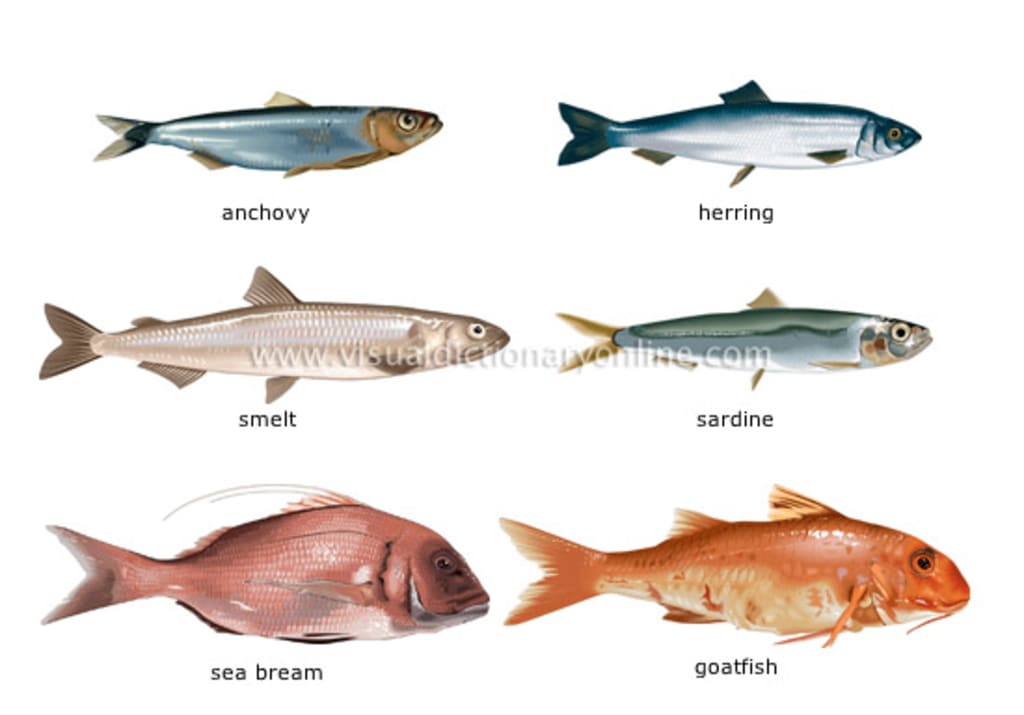
Bony fish are a diverse group of aquatic animals that make up the majority of the world's fish species. They belong to the class Osteichthyes and are characterized by their bony skeleton, as opposed to the cartilaginous skeleton of sharks and rays. Bony fish have a wide range of shapes, sizes, and colors, and are found in both freshwater and saltwater environments. They play a significant role in the food chain, providing sustenance for both humans and other aquatic animals. In this article, we will explore the world of bony fish, including their anatomy, behavior, habitat, and significance.
Anatomy of Bony Fish:
Bony fish have a variety of anatomical features that allow them to thrive in their aquatic environment. Their most distinctive feature is their bony skeleton, which provides support and protection for their internal organs. Bony fish also have gills, which allow them to breathe underwater. Unlike humans, who breathe air using lungs, bony fish extract oxygen from water by passing it over their gills. This is made possible by the presence of a special protein called hemoglobin, which allows the fish to absorb oxygen from the water.
Another important anatomical feature of bony fish is their swim bladder. This is a gas-filled organ located in the abdominal cavity that helps the fish control its buoyancy. By adjusting the amount of gas in the swim bladder, the fish can rise or sink in the water column without expending energy on swimming.
Bony fish also have a variety of sensory organs that allow them to navigate their environment and find prey. They have lateral lines, which are sensitive to vibrations in the water and help the fish detect movement and changes in water pressure. They also have eyes that are adapted to the underwater environment, allowing them to see in low light conditions and in murky water.
Behavior of Bony Fish:
Bony fish exhibit a wide range of behaviors, depending on their species and environment. Some species are solitary, while others form schools or shoals for protection and to increase their chances of finding food. Schooling behavior is particularly common among small, plankton-feeding fish, which may form massive aggregations that can number in the millions.
Bony fish also exhibit a variety of reproductive behaviors, including external fertilization, where the female lays her eggs and the male fertilizes them with his sperm, and internal fertilization, where the male deposits his sperm directly into the female's body. Some species exhibit elaborate courtship behaviors, where the male will perform a dance or display his colorful fins and body to attract a mate.
Habitat of Bony Fish:
Bony fish are found in a wide range of habitats, from shallow freshwater streams to deep ocean trenches. Some species, such as salmon, are anadromous, which means they spend part of their life in freshwater rivers and streams before migrating to the ocean to mature and spawn. Other species, such as eels, are catadromous, which means they spend most of their life in freshwater before migrating to the ocean to spawn.
Bony fish are also found in a variety of marine habitats, including coral reefs, rocky shores, and open ocean. Many species are adapted to specific niches within these environments, such as reef-dwelling fish that are adapted to hiding among the coral and darting out to catch prey.
Significance of Bony Fish:
Bony fish play a significant role in the food chain, providing sustenance for both humans and other aquatic animals. They are an important source of protein for humans, and are consumed in large quantities around the world. They are also a popular sport fish, with many anglers pursuing species such as bass, trout, and salmon.
About the Creator
Keep reading
More stories from Kamal Mourya and writers in Earth and other communities.
Frogs and Toads: Exploring the Characteristics, Behavior, and Conservation of these Fascinating Amphibians
Frogs and toads are fascinating creatures that belong to the same order, Anura. These amphibians have long captured the imagination of humans, appearing in stories, myths, and legends throughout history. They are found all over the world, in a wide variety of habitats, from rainforests to deserts. Despite their similarities, frogs and toads have some differences that set them apart. In this article, we will explore the characteristics, behavior, and ecology of these fascinating creatures.
By Kamal Mourya3 years ago in Earth
GWR Confirms ‘Major Investment’ with Office Lease: What It Means for Plymouth and the South West
Great Western Railway (GWR) has confirmed a major long-term investment in Plymouth by securing a significant city-centre office lease close to the railway station. While the announcement may sound like a routine property deal on the surface, it actually signals something much bigger — a vote of confidence in the city, a boost for local regeneration, and a clear statement about the future direction of rail-led development in the South West.
By Muhammad Hassan6 days ago in Earth
Whose Goat Is This?
Pir Sahib was startled when he saw a goat roaming freely in the courtyard of his house. Stroking its neck, he spoke to himself, wondering where the goat had come from and why it seemed so fearless, as if it belonged there. The house door was open, which explained how the goat had wandered inside.
By Sudais Zakwan2 days ago in Earth



Comments
There are no comments for this story
Be the first to respond and start the conversation.