Fiazahmedbrohi
Stories (476)
Filter by community
Talking to Yourself Isn’t Crazy: How Self-Talk Reveals Mental Strength and Exceptional Abilities. AI-Generated.
For decades, talking to yourself in public was often seen as a sign of eccentricity or even instability. Whispering into empty rooms, muttering plans aloud, or narrating your own thoughts quietly while alone has long carried a social stigma. Yet modern psychology suggests that this behavior is far from a bad habit. In fact, self-talk can reveal powerful mental traits, bolster cognitive abilities, and even enhance emotional resilience. Why Humans Talk to Themselves At its core, self-talk is a natural cognitive process. Psychologists describe it as “private speech,” a phenomenon first studied extensively in children. Young children frequently talk out loud while playing or solving problems. This behavior helps them organize thoughts, plan actions, and regulate behavior. While most people grow out of speaking aloud to themselves as they age, the practice persists in many adults, especially during moments of concentration or stress. Research indicates that talking to yourself can serve multiple functions. It can guide problem-solving, aid in memory retention, reinforce motivation, and even act as a coping mechanism during emotionally challenging situations. Far from indicating instability, it often signals self-awareness and advanced mental organization. Self-Talk as a Cognitive Tool One of the most compelling benefits of self-talk is its role in cognitive performance. Neuroscience research shows that verbalizing thoughts engages different brain regions compared to silent thinking alone. When people talk themselves through tasks, they activate the prefrontal cortex—the area responsible for planning, decision-making, and controlling impulses. For example, athletes often use self-talk to improve performance, repeating instructions or motivational phrases to stay focused and calm. Students, similarly, might repeat steps aloud when learning complex mathematical problems or practicing new skills. This method is not random chatter; it is a conscious strategy that enhances attention, memory, and task execution. Emotional Resilience and Self-Talk Beyond cognitive benefits, self-talk has profound emotional advantages. Speaking aloud can help individuals process stress, regulate emotions, and clarify thoughts. Psychologists note that naming feelings—saying “I’m frustrated” or “I’m anxious”—can reduce emotional intensity and promote rational responses. This mechanism is linked to the concept of emotional labeling. By putting emotions into words, we externalize and examine them, which reduces their grip over our mental state. People who habitually engage in constructive self-talk tend to demonstrate higher emotional intelligence, better problem-solving under pressure, and a greater ability to navigate interpersonal conflicts. Exceptional Abilities and Self-Insight Interestingly, self-talk is also associated with creativity, self-reflection, and strategic thinking. Many highly accomplished individuals—from writers to entrepreneurs—credit verbalizing ideas as a key step in their creative or analytical processes. Talking through a plan, a story, or a concept aloud allows them to hear gaps, anticipate challenges, and refine their ideas more effectively than thinking silently alone. Studies have even suggested a link between self-talk and metacognition—the ability to think about one’s own thinking. Individuals who engage in self-directed speech are often more introspective and capable of evaluating their own mental strategies. This self-awareness is a hallmark of exceptional mental traits, from leadership and innovation to problem-solving in complex environments. Overcoming the Stigma Despite the growing evidence of its benefits, social stigma still discourages many from openly acknowledging their self-talk. People often fear judgment or being perceived as “weird” or “unstable.” Yet reframing this behavior as a tool for mental organization and emotional regulation can empower individuals to embrace it without shame. Experts recommend a few practical ways to leverage self-talk: Task-Oriented Self-Talk: Narrate steps when tackling complex tasks to reinforce focus. Motivational Self-Talk: Use positive affirmations to boost confidence and persistence. Emotional Labeling: Name your emotions aloud to process stress or frustration. Reflective Dialogue: Discuss your ideas with yourself to explore multiple perspectives. Conclusion Talking to yourself is far from a mental flaw; it’s a window into powerful cognitive traits, emotional resilience, and exceptional abilities. Far from undermining intelligence, self-talk can enhance memory, focus, creativity, and self-awareness. It helps people navigate complex tasks, manage stress, and reflect deeply on their choices. So, the next time you find yourself quietly narrating your day, planning out loud, or reasoning through a problem in your own voice, take pride. You’re engaging in a practice that has deep roots in human development and is backed by science as a hallmark of mental strength. The habit of self-talk doesn’t just organize thoughts—it reveals a mind capable of insight, strategy, and exceptional achievement. Embrace it. It might just be the secret superpower your brain has been quietly practicing all along.
By Fiazahmedbrohi 7 days ago in Longevity
$6 Billion U.S. Navy Aircraft Carrier ‘Sunk’ by $100 Million Diesel AIP Sub: A Lesson in Modern Naval Warfare. AI-Generated.
In a stunning reminder of how modern technology can upend traditional military assumptions, reports have emerged that a $100 million diesel-electric air-independent propulsion (AIP) submarine effectively neutralized a $6 billion U.S. Navy aircraft carrier in a recent simulated naval exercise. While no lives were lost and the carrier remained physically intact, the exercise served as a stark wake-up call for naval strategists and defense planners worldwide. The Exercise That Shocked the Navy The event occurred during a routine war-gaming exercise designed to test the vulnerabilities of aircraft carriers and their battle groups. These carriers, often described as floating cities and the backbone of American power projection, were assumed to be nearly invincible thanks to advanced radar, escort ships, and multi-layered defense systems. However, the diesel-electric AIP submarine, smaller, quieter, and far cheaper than its nuclear-powered counterparts, demonstrated that stealth and strategic maneuvering could overcome sheer size and firepower. Using its near-silent propulsion system, the sub reportedly penetrated the carrier group’s outer defenses and “struck” the vessel in a simulated attack scenario. The exercise’s outcome has been described as both “surprising” and “unsettling” by military analysts. Why the Cost Difference Matters One of the most striking aspects of this scenario is the enormous discrepancy in cost. A U.S. aircraft carrier can cost upward of $6 billion, with each accompanying ship in the carrier strike group adding billions more. In contrast, modern diesel-electric AIP submarines can be built for a fraction of that—around $100 million in this instance—yet they can threaten the most expensive naval assets in the world. This disparity has fueled debates within defense circles about cost-effectiveness and vulnerability. It highlights a broader lesson in military strategy: expensive and powerful assets are not automatically invulnerable, and smaller, well-deployed systems can deliver disproportionate impact if used strategically. The Rise of Diesel AIP Submarines Diesel-electric submarines equipped with air-independent propulsion have become increasingly attractive to nations seeking potent yet affordable deterrents. Unlike traditional diesel submarines, AIP-equipped vessels can operate underwater for extended periods without surfacing, making them harder to detect. Their quiet operation allows them to move undetected in littoral and coastal waters, where large carriers often operate. For many nations, these submarines represent a low-cost way to challenge superior naval forces, create area-denial capabilities, and protect strategic waters. The recent exercise illustrates that even the most advanced naval superpowers must consider these asymmetric threats in their planning. Lessons for Naval Strategy The simulated “sinking” of a $6 billion aircraft carrier carries broader implications for naval strategy. It underscores the importance of adapting to technological advancements and reevaluating assumptions about force protection. While aircraft carriers remain central to U.S. naval doctrine, exercises like this highlight the need for layered defenses, rapid anti-submarine warfare (ASW) tactics, and improved detection systems. Additionally, the exercise demonstrates that smaller navies with modern AIP submarines can challenge even the most formidable fleets. This shift may alter how naval powers approach fleet composition, deployment strategies, and international maritime deterrence. Global Reactions Analysts around the world have taken notice. Defense experts in Europe, Asia, and the Middle East have emphasized that this scenario is not hypothetical but a reflection of current capabilities. Countries investing in quiet, low-cost submarines may see them as key assets in modern naval conflicts. Meanwhile, traditional naval powers face the challenge of ensuring that their high-value platforms remain relevant and secure in an era of asymmetric warfare. Some observers suggest that the exercise’s outcome should serve as a catalyst for innovation. Future carriers may need enhanced anti-submarine systems, smarter escort strategies, and integration with unmanned underwater vehicles (UUVs) to counter the growing threat of diesel-electric AIP subs. Conclusion The dramatic juxtaposition—a $6 billion aircraft carrier neutralized by a $100 million diesel-electric AIP submarine—serves as a powerful lesson in modern military strategy. It reminds us that technological advancements can shift power balances, rendering previously “invincible” platforms vulnerable. While the U.S. Navy continues to dominate the seas in terms of global reach, the exercise underscores the fact that even the most expensive and powerful assets are not immune to innovation-driven threats. Small, stealthy, and strategically employed platforms can deliver outsized effects, compelling military planners to rethink traditional assumptions about cost, size, and survivability. In the evolving world of naval warfare, the balance of power is no longer dictated solely by money or firepower. Intelligence, stealth, and strategic deployment are now equally, if not more, decisive. The recent exercise serves as a stark reminder that no matter how advanced or costly a platform may be, it is only as strong as the strategies and systems protecting it.
By Fiazahmedbrohi 7 days ago in The Swamp
My Husband Only Got His Prostate Checked After I Made Him Listen to a Podcast. It Saved His Life. AI-Generated.
It’s funny how life sometimes hinges on the smallest nudges. For years, my husband, like so many men I know, had avoided routine medical checkups. He would joke about doctors being “too pessimistic” or claim he was “fine” despite occasional aches and fatigue. I, on the other hand, had become increasingly aware of health issues men face silently—especially prostate cancer. I knew the statistics, the risks, and the often late diagnoses, but my words alone were not enough to persuade him. Then, one evening, I stumbled across a podcast episode that changed everything. The episode was hosted by a urologist who discussed early detection of prostate cancer in men over 50, highlighting personal stories of survival and the importance of proactive health checks. I handed my husband my phone and told him, “Just listen to this one episode. Please.” At first, he rolled his eyes and muttered under his breath, but something about the way the stories were told—the real human experiences of men facing life-threatening diagnoses—caught his attention. By the end of the episode, he looked at me with a rare seriousness. “Maybe I should get it checked,” he said. And that was the moment I realized a small push, framed in the right way, can make all the difference. Within a week, he scheduled his first prostate screening. I held my breath, trying to remain calm while a storm of thoughts ran through my mind: What if the tests revealed something serious? Could it be too late? I reminded myself that early detection was key. When the results came back, our world shifted. He had a small tumor, caught in the earliest stage—something that, without this nudge, could have gone unnoticed until it was far too late. The doctor reassured us that the cancer was highly treatable and that with proper intervention, his prognosis was excellent. The experience left me in awe of how something as simple as a podcast could save a life. It wasn’t just the medical facts; it was the power of storytelling, the ability to connect with someone emotionally and make a long-term impact on their health choices. In hindsight, I realize that men often respond better to indirect encouragement rather than direct admonitions. I could have lectured him for years, but a story, carefully told, created a moment of self-reflection and action. This experience also opened my eyes to a broader issue: men’s health often gets ignored. Prostate cancer is one of the most common cancers among men, yet many avoid regular screenings due to fear, stigma, or a misplaced sense of invincibility. Awareness campaigns exist, but personal stories—shared via podcasts, articles, or videos—can have an even stronger effect because they humanize statistics. They create empathy and a sense of urgency without sounding like a warning. It’s not just about men over 50, either. My husband’s case reminded me that early detection matters at every age. Routine checkups, blood tests, and screenings are tools of empowerment, not panic. By prioritizing health and normalizing conversations around potentially life-threatening conditions, families can support each other in ways that statistics alone cannot convey. Looking back, I’m incredibly grateful for that podcast and the moment it created. I think about the thousands of men who might ignore symptoms or postpone checkups for years. A story, a gentle push, or a shared experience could be the catalyst they need to take action. Health isn’t just a personal responsibility—it’s often a communal effort, fueled by encouragement, shared knowledge, and sometimes a little persistence. My husband’s journey has transformed both of us. He now takes his health seriously, schedules regular screenings, and even talks openly to friends about his experience. I hope our story can inspire others to find creative ways to communicate about men’s health. Sometimes, saving a life doesn’t require confrontation or fear—it requires patience, persistence, and, occasionally, a podcast episode that resonates. In the end, what seemed like a small, almost trivial intervention turned into a life-saving moment. It reminds me that we often underestimate the power of information delivered in the right way. And for my husband, it wasn’t just a medical test—it was a second chance at life.
By Fiazahmedbrohi 7 days ago in Longevity
Exail Wins New Order for Several Hundred K-STER Underwater Drones: Transforming Maritime Operations. AI-Generated.
In a significant development for the defense and maritime technology sectors, French naval technology firm Exail has announced a major order for several hundred K-STER underwater drones. This acquisition marks a notable expansion of unmanned maritime capabilities, underlining the growing role of autonomous systems in modern naval operations. The deal is expected to have far-reaching implications for naval strategy, underwater surveillance, and maritime security worldwide. The K-STER: A Revolution in Underwater Drones The K-STER drone series represents the cutting edge of autonomous underwater vehicles (AUVs). Designed for versatility and endurance, these drones are capable of performing a wide range of missions, from surveillance and reconnaissance to mine countermeasures and underwater inspection. Equipped with advanced sonar, navigation systems, and AI-assisted decision-making algorithms, the K-STER drones are built to operate both independently and as part of a coordinated network. What sets the K-STER apart from earlier underwater drones is its modularity and adaptability. Each unit can be configured for specific tasks, allowing operators to rapidly deploy the fleet for various mission profiles. This flexibility is particularly valuable for navies seeking to maintain an edge in increasingly contested maritime environments. Strategic Significance of the Order The recent order for several hundred K-STER drones is not merely a commercial success for Exail; it also reflects a strategic shift in naval priorities. Modern maritime threats, ranging from piracy and smuggling to advanced anti-ship weaponry, demand rapid and accurate intelligence gathering. Unmanned systems like the K-STER can operate in environments that are too risky for manned vessels, providing real-time situational awareness and reducing human exposure to danger. Naval analysts suggest that such large-scale deployments will significantly enhance a navy’s underwater monitoring capabilities. With hundreds of drones in operation, fleets can maintain a persistent presence over vast maritime zones, improving early warning systems and response times. This could fundamentally change how nations patrol and defend critical sea lanes, coastal regions, and strategic chokepoints. Commercial and Defense Implications Exail’s success with the K-STER order also highlights the growing intersection between commercial innovation and defense technology. The drone series leverages civilian-grade robotics, AI, and sensor technology, while simultaneously meeting stringent military specifications. This dual-use capability allows for both defense and commercial applications, such as offshore infrastructure inspection, environmental monitoring, and oceanographic research. Furthermore, the scale of this order signals increasing confidence in unmanned systems as reliable operational tools. As more navies and maritime agencies adopt such technology, manufacturers like Exail are positioned to lead the global market for underwater drones. Analysts predict that the next decade will see exponential growth in the demand for autonomous maritime systems, with K-STER-style drones playing a central role. Integration Challenges and Operational Readiness While the potential of the K-STER fleet is immense, integrating hundreds of drones into existing naval operations presents logistical and strategic challenges. Operators will need to develop robust communication networks, data management protocols, and maintenance frameworks to ensure that drones operate effectively in complex maritime environments. Training personnel to operate and monitor large fleets of autonomous drones is another key factor. Naval forces must strike a balance between human oversight and autonomous decision-making to maximize efficiency while minimizing risks. Exail has reportedly included comprehensive training and support packages in its delivery plan, aiming to ensure that client forces can fully leverage the capabilities of the K-STER series. Implications for Global Maritime Security The deployment of large fleets of autonomous underwater drones could redefine maritime security in the 21st century. By providing continuous, accurate intelligence and rapid response capabilities, systems like K-STER enhance deterrence and operational effectiveness. In contested regions, such as strategic chokepoints or disputed waters, the presence of hundreds of autonomous drones could significantly shift the balance of power. Moreover, these developments underscore the accelerating arms race in unmanned and autonomous systems, both above and below the sea. Nations worldwide are investing heavily in AI-assisted platforms to maintain strategic superiority, and orders like Exail’s highlight the pace at which this technology is being operationalized. Looking Ahead Exail’s new order for several hundred K-STER underwater drones marks a transformative moment for naval technology and maritime operations. By combining autonomy, adaptability, and operational scalability, the K-STER series represents a blueprint for the future of underwater warfare and monitoring. As navies integrate these drones into their fleets, the impact on maritime security, surveillance, and operational strategy will be profound. Autonomous underwater systems are no longer an experimental novelty—they are becoming an indispensable component of modern naval operations. For Vocal Media readers, the K-STER story is more than a military development; it is a glimpse into a future where technology and strategy converge beneath the waves, reshaping the very nature of how nations protect and control the oceans.
By Fiazahmedbrohi 7 days ago in The Swamp
Egypt Rejects What It Calls a “Fantastic” Emirati Offer: Power, Pride, and Politics in the Arab World. AI-Generated.
In a region where financial power often translates into political leverage, Egypt’s recent rejection of what officials described as a “fantastic” offer from the United Arab Emirates has drawn widespread attention. At a time when Egypt’s economy faces inflationary pressure, currency challenges, and rising public debt, turning down a lucrative proposal from one of the Gulf’s wealthiest states appears, on the surface, counterintuitive. Yet Cairo’s decision reflects deeper strategic calculations about sovereignty, long-term stability, and the limits of economic dependency. What Was Behind the “Fantastic” Offer? While official details remain limited, the Emirati proposal was widely understood to involve major investment, development rights, or long-term control over strategic assets. Such offers are not new in the Middle East. Wealthy Gulf states, particularly the UAE and Saudi Arabia, have increasingly used capital investment as a tool of regional influence, financing infrastructure, ports, real estate megaprojects, and energy ventures across the Arab world. From Egypt’s perspective, the offer was financially attractive—hence the term “fantastic.” In an era where foreign currency inflows are vital, Gulf investment has often been a lifeline for Cairo. Over the past decade, Egypt has relied heavily on deposits, loans, and investments from its Gulf allies to stabilize its economy and fund large-scale development projects. So why say no? Sovereignty Over Short-Term Relief At the heart of Egypt’s refusal lies a familiar concern: sovereignty. Egyptian officials signaled that while financial support is welcome, it cannot come at the expense of national control over strategic land, infrastructure, or decision-making authority. In other words, not all money is worth taking—especially if it risks long-term dependence or public backlash. Egypt’s leadership is acutely aware of domestic sensitivities. Public opinion has grown increasingly wary of foreign ownership of national assets, particularly land and ports. Accepting a deal perceived as selling off sovereignty could fuel social unrest, political criticism, and accusations of mortgaging the country’s future for short-term cash. By rejecting the offer, Cairo sent a clear message: economic cooperation must respect national red lines. A Shift in Egypt’s Negotiating Posture This decision also suggests a subtle shift in Egypt’s regional posture. Rather than passively accepting Gulf capital under unequal terms, Egypt appears to be asserting itself as a partner, not a client. This recalibration does not mean Cairo is distancing itself from the UAE—relations remain strong—but it does indicate a desire for more balanced agreements. Egypt has been working to diversify its economic partnerships, strengthening ties with Europe, Asia, and multilateral institutions. By widening its options, Cairo gains leverage, reducing the pressure to accept any single deal that may compromise long-term interests. Regional Implications The rejection carries implications beyond Egypt and the UAE. Across the Middle East and North Africa, countries facing economic strain are increasingly confronting a difficult question: how to attract foreign investment without surrendering strategic autonomy. Egypt’s stance may embolden other states to renegotiate terms with powerful investors, insisting on transparency, local ownership, and shared governance. At the same time, it may prompt Gulf investors to reassess how their offers are structured, recognizing that influence through capital has limits. For the UAE, the refusal is unlikely to trigger a rupture. Abu Dhabi is known for its pragmatic diplomacy and may return with revised terms more aligned with Egypt’s priorities. In regional politics, today’s rejection can become tomorrow’s renegotiation. Economic Reality Still Looms Despite the symbolism of saying no, Egypt’s economic challenges remain pressing. Inflation, currency devaluation, and debt servicing continue to strain public finances. Turning down major investment does not eliminate the need for foreign capital—it simply raises the stakes for finding deals that align with national strategy. The challenge for Egypt now is to translate this principled stance into sustainable alternatives: boosting exports, supporting local industry, attracting diversified investment, and implementing reforms that reduce reliance on external lifelines. More Than a Financial Decision Ultimately, Egypt’s rejection of the “fantastic” Emirati offer is about more than money. It reflects a broader debate playing out across the Global South: how nations balance urgent economic needs with long-term independence in an era of capital-driven geopolitics. For Vocal Media readers, this story resonates because it highlights a universal tension—between opportunity and caution, growth and control, partnership and power. Egypt’s decision reminds us that sometimes the most consequential choices are not about what a country accepts, but what it chooses to refuse. As negotiations continue behind closed doors, one thing is clear: Cairo has drawn its line, and the region is watching closely to see what comes next.
By Fiazahmedbrohi 7 days ago in The Swamp
India’s Reported K-4 Missile Launch Signals a Major Leap in Undersea Nuclear Deterrence. AI-Generated.
India has reportedly taken a significant step forward in strengthening its nuclear deterrence capability with the successful launch of a K-4 ballistic missile from one of its Arihant-class nuclear-powered submarines. While official confirmation has remained limited, multiple defense analysts and strategic observers suggest that the test marks a crucial milestone in India’s long-term plan to establish a credible and survivable sea-based nuclear force.
By Fiazahmedbrohi 7 days ago in The Swamp
Update on Israel Bombs Lebanon, Saying It Targeted Hezbollah and Hamas. AI-Generated.
Tensions in the Middle East have escalated once again following Israel’s confirmation that it carried out airstrikes in Lebanon, claiming the attacks were aimed at positions linked to Hezbollah and Hamas. The development marks a serious expansion of regional instability, raising fears of a broader conflict at a time when diplomatic efforts are already under strain. What Israel Says Happened According to Israeli military officials, the strikes were launched in response to perceived security threats originating from Lebanese territory. Israel maintains that Hezbollah, the powerful armed group based in southern Lebanon, and Hamas, traditionally associated with Gaza, are coordinating activities that endanger Israeli civilians and military installations. Israeli authorities argue that the bombed sites were strategic in nature, including weapons storage facilities, command centers, and launch areas allegedly used to plan or support attacks against Israel. Officials emphasized that the strikes were “targeted and limited,” framing them as defensive actions intended to deter further aggression rather than provoke a wider war. Lebanon’s Reaction and Civilian Concerns Lebanese officials strongly condemned the bombings, calling them a violation of national sovereignty and international law. While Hezbollah has not always aligned itself fully with the Lebanese state, the attacks have nonetheless heightened public anxiety across the country, particularly in border regions already accustomed to instability. Reports from local sources indicate that airstrikes caused damage to infrastructure and raised concerns about civilian safety. In a country still grappling with economic collapse, political paralysis, and humanitarian challenges, renewed violence threatens to deepen existing hardships. Human rights organizations have urged all parties to exercise restraint, warning that any escalation risks civilian casualties and long-term destabilization. The proximity of military targets to residential areas in southern Lebanon adds to fears that further strikes could result in significant loss of life. Hezbollah and Hamas: A Growing Nexus? One of the most notable aspects of Israel’s statement is its emphasis on both Hezbollah and Hamas. Traditionally operating in different territories, the two groups share ideological opposition to Israel but have historically functioned independently. Recent developments, however, suggest increasing coordination, at least on a strategic level. Israel claims that Hamas has expanded its presence and influence in Lebanon, potentially with Hezbollah’s support. If accurate, this would represent a significant shift in regional dynamics, opening a new front beyond Gaza and increasing pressure on Israel’s northern border. Analysts note that even limited cooperation between the two groups could complicate Israel’s security calculations, forcing it to divide military resources and prepare for multi-front scenarios. Regional and International Implications The strikes have drawn international attention, with global powers calling for calm and renewed diplomatic engagement. The United Nations reiterated its concern over violations of existing ceasefire agreements and warned that continued hostilities could spiral out of control. Neighboring countries are watching closely. Any sustained conflict between Israel and Hezbollah could draw in regional actors and disrupt trade, energy routes, and political stability across the Middle East. For many observers, the situation highlights how interconnected regional conflicts have become, where actions in one area quickly reverberate across borders. The Risk of Escalation While Israel has characterized the strikes as precise and restrained, history shows that such actions can easily trigger retaliation. Hezbollah possesses a significant arsenal and has previously demonstrated its ability to strike deep into Israeli territory. Even a limited response could escalate into sustained clashes. The risk is not only military but also political. Escalation could derail fragile diplomatic efforts elsewhere in the region and harden positions on all sides. For civilians in Israel and Lebanon alike, the consequences of miscalculation would be severe. Public Sentiment and Media Narratives Public opinion within Israel remains divided. Some view the strikes as a necessary show of strength to maintain deterrence, while others fear that aggressive action will invite further attacks. In Lebanon, frustration and fear dominate public discourse, with many civilians feeling caught between militant groups and external military pressure. Media coverage on both sides reflects these divisions, underscoring how narratives and perceptions can shape public expectations and political decision-making during times of crisis. Conclusion The latest update on Israel’s bombing of Lebanon underscores the fragile and volatile nature of Middle Eastern geopolitics. While Israel insists the strikes were aimed solely at Hezbollah and Hamas targets, the broader consequences extend far beyond military objectives. With civilian safety, regional stability, and international diplomacy at stake, the situation demands caution from all parties involved. Whether this episode remains a limited exchange or escalates into a wider confrontation will depend largely on the choices made in the coming days. For now, the strikes serve as a stark reminder that in a region shaped by overlapping conflicts and unresolved tensions, even “targeted” actions can carry far-reaching and unpredictable consequences.
By Fiazahmedbrohi 7 days ago in The Swamp
Update on the Plan for Floating Drydocks for British Submarines. AI-Generated.
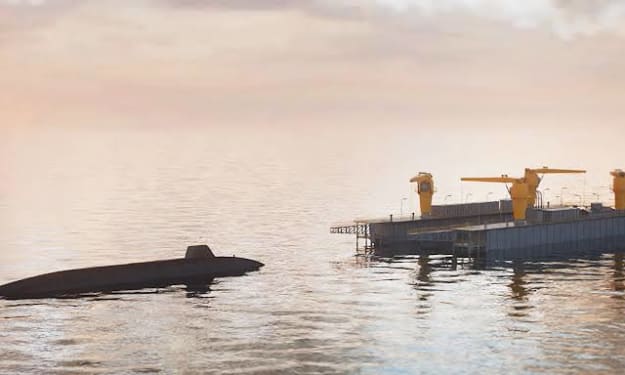
The United Kingdom’s naval infrastructure is entering a period of significant transformation as new plans emerge for floating drydocks designed to support British submarines. These floating facilities are being positioned as a strategic solution to long-standing challenges in maintaining, repairing, and upgrading the Royal Navy’s submarine fleet. As undersea capabilities become more central to modern defense strategy, the update on floating drydocks reflects both operational necessity and evolving geopolitical realities. Why Floating Drydocks Matter Submarines are among the most complex and sensitive military assets in the world. Their maintenance requires specialized facilities capable of handling nuclear propulsion systems, advanced sonar technology, and stealth coatings. Traditionally, the UK has relied on fixed drydock infrastructure located at a limited number of naval bases. While effective, these facilities can become bottlenecks, especially as submarine fleets expand or undergo modernization. Floating drydocks offer a flexible alternative. Unlike permanent structures, they can be repositioned as needed, allowing maintenance work to take place closer to operational areas. This flexibility reduces downtime for submarines and improves fleet readiness, a critical factor at a time when undersea operations are increasingly important for national security. The Strategic Context The update on the floating drydock plan comes amid heightened global tensions and renewed focus on naval power. Submarines play a crucial role in intelligence gathering, deterrence, and strategic defense, particularly for a country like the UK that operates nuclear-powered submarines. Ensuring these vessels can be maintained efficiently is no longer just a logistical concern—it is a strategic imperative. The Royal Navy’s future fleet, including next-generation submarines, is expected to place even greater demands on maintenance infrastructure. Floating drydocks are seen as a way to future-proof support systems while avoiding the high costs and long timelines associated with building new fixed facilities. Key Features of the Proposed Docks According to current planning updates, the proposed floating drydocks would be designed to handle both conventional and nuclear-powered submarines. This includes reinforced structures, advanced safety systems, and environmental protections to meet strict regulatory standards. One of the most notable advantages is scalability. Floating drydocks can be built in stages, allowing capacity to increase over time as operational needs evolve. They also allow for modular upgrades, meaning new technologies or safety measures can be integrated without major reconstruction. Environmental considerations are also central to the plan. The UK faces growing pressure to ensure defense infrastructure complies with environmental regulations, particularly when dealing with nuclear-powered vessels. Floating drydocks can be engineered to minimize environmental impact, including containment systems that reduce the risk of contamination during maintenance operations. Challenges and Criticism Despite their advantages, floating drydocks are not without controversy. Critics have raised concerns about cost overruns, safety risks, and long-term reliability. Nuclear safety, in particular, remains a sensitive issue. Any facility handling nuclear-powered submarines must meet the highest standards, and floating structures can face additional scrutiny compared to land-based docks. There are also questions about location. Choosing where to deploy floating drydocks involves balancing operational convenience with public concerns, especially in coastal communities. Transparency and public engagement are likely to play a crucial role as the plan progresses. Additionally, workforce readiness is a key challenge. Operating advanced floating drydocks will require highly skilled engineers, technicians, and safety specialists. Investment in training and recruitment will be essential to ensure the facilities can function as intended. Economic and Industrial Impact Beyond defense, the floating drydock plan could have significant economic implications. Construction and operation would likely involve British shipyards and engineering firms, supporting jobs and strengthening domestic industrial capabilities. This aligns with broader government goals of boosting high-skilled employment and maintaining sovereign defense manufacturing capacity. If implemented successfully, the project could also position the UK as a leader in advanced naval support infrastructure, potentially opening opportunities for collaboration with allied nations facing similar challenges. Looking Ahead The update on floating drydocks signals a broader shift in how the UK approaches naval infrastructure. Flexibility, resilience, and readiness are becoming guiding principles as defense planners adapt to a more uncertain global environment. While challenges remain, the potential benefits of floating drydocks—reduced downtime, increased operational flexibility, and future-ready infrastructure—are difficult to ignore. As plans move from concept to implementation, careful oversight will be essential. Balancing cost, safety, environmental responsibility, and strategic value will determine whether floating drydocks become a cornerstone of Britain’s submarine support system or a cautionary tale in defense procurement. Conclusion The plan for floating drydocks for British submarines represents a forward-looking response to modern naval demands. By embracing flexible infrastructure, the UK aims to ensure its submarine fleet remains operationally effective in an era of growing complexity and competition. While questions remain, the latest update makes one thing clear: maintaining undersea dominance requires not only advanced vessels, but equally advanced support systems beneath and beyond the surface.
By Fiazahmedbrohi 7 days ago in The Swamp
A Warning Not an Insult”: US Doubles Down on Criticism of Europe. AI-Generated.
In a statement that has reignited transatlantic debate, the United States has doubled down on its criticism of Europe, insisting that its remarks were a cautionary warning rather than an insult. Amid rising geopolitical tensions, economic uncertainties, and differing strategic priorities, Washington’s pointed words have highlighted growing strains in the transatlantic alliance, provoking reactions from European capitals and prompting discussions about the future of U.S.-Europe relations. The Context Behind the Criticism The controversy stems from remarks made by a senior U.S. official during a recent diplomatic briefing. While the official emphasized that the U.S. values its longstanding relationship with Europe, they noted concerns over what they perceive as a lack of coordinated action on global challenges. These challenges include energy security, defense spending, and responses to international crises in regions such as Eastern Europe, the Middle East, and the Indo-Pacific. U.S. policymakers have expressed frustration that Europe, in certain cases, is not acting with the speed or decisiveness they believe is necessary to address threats and maintain global stability. According to the statement, the remarks were intended to prompt reflection and policy recalibration rather than to offend. “A Warning, Not an Insult” In doubling down on the statement, U.S. officials were careful to clarify that their criticism should be interpreted as a strategic warning, not a personal attack on European leaders. The official highlighted that global crises, such as the ongoing conflicts in Eastern Europe, energy supply vulnerabilities, and cyber threats, demand unity and timely action. “The United States has no desire to undermine our European partners,” the official said. “We are issuing a warning because coordinated action is crucial. Failure to act decisively could have real consequences for global security, economic stability, and transatlantic solidarity.” European Response European reaction has been mixed, reflecting both sensitivity to public criticism and recognition of the importance of the transatlantic alliance. Some leaders have expressed disappointment, stressing that Europe has been actively engaging with global issues and investing in its own defense capabilities. Others have called for private diplomatic channels to address differences rather than public admonishments. Analysts note that while the remarks were firm, they also signal that the U.S. remains committed to cooperation and sees Europe as an essential partner in confronting shared challenges. However, the public nature of the criticism has fueled debates about communication strategy and the optics of alliance management. Underlying Strategic Tensions The tension reflects broader strategic dynamics in the international arena. The U.S. has been focusing on great-power competition, particularly in response to challenges from China and Russia, while Europe has sometimes prioritized regional concerns, economic policy, and social issues. These differing priorities can create friction in terms of defense spending, supply chain coordination, and foreign policy alignment. Energy security has also emerged as a critical flashpoint. The U.S. has encouraged Europe to diversify energy sources and reduce dependence on certain regions, while European countries have been balancing this advice with domestic economic realities and public opinion. Washington’s criticism can thus be seen as a push for more decisive alignment on security and energy policy. Implications for Transatlantic Relations Despite the sharp tone, experts emphasize that the U.S.-Europe alliance remains strong. Both sides share common interests in defending democratic institutions, countering global threats, and fostering economic prosperity. The public criticism, while notable, is framed as a tool for driving reflection and ensuring that shared objectives are achieved efficiently. Analysts suggest that this episode could lead to renewed discussions on strategic planning, defense spending commitments, and coordinated responses to crises. In essence, the U.S. warning may serve as a catalyst for deeper engagement, forcing European governments to assess whether their policies align with broader transatlantic goals. Looking Ahead As diplomatic exchanges continue, observers will be watching how Europe responds in both public statements and behind-the-scenes negotiations. Will the criticism lead to meaningful policy adjustments, or will it exacerbate tensions? The answer may define the trajectory of transatlantic relations in the coming years, particularly as global challenges such as climate change, energy security, and regional conflicts intensify. In the meantime, U.S. officials have reiterated their commitment to collaboration. “We remain partners and allies,” one statement concluded. “This is a warning aimed at strengthening our joint efforts, not a critique of our shared values or long-standing friendships.”
By Fiazahmedbrohi 8 days ago in The Swamp
Stay at Home’ During Cold Snap: Why Authorities Are Urging the Public to Limit Movement. AI-Generated.
As a severe cold snap tightens its grip across large parts of the country, public authorities are urging people to stay at home unless travel is absolutely necessary. With plunging temperatures, icy roads, and increased strain on emergency services, the message is clear: limiting movement could save lives. A Cold Snap Unlike the Usual Winter Chill Winter weather is nothing new, but meteorologists warn that this cold snap is particularly dangerous. Arctic air masses have driven temperatures far below seasonal averages, with some regions experiencing record-breaking lows. Overnight frost, freezing rain, and heavy snowfall have combined to create hazardous conditions, especially on untreated roads and pavements. Weather agencies say that even short periods outdoors can pose risks during such extremes. Hypothermia and frostbite can develop quickly, particularly among children, older adults, and those with underlying health conditions. Authorities emphasize that this is not merely an inconvenience—it is a serious public safety issue. Why Officials Are Saying “Stay at Home” Emergency planners stress that staying home reduces the risk of accidents and allows essential services to operate more effectively. Icy roads dramatically increase the likelihood of vehicle crashes, while blocked routes can delay ambulances, fire crews, and utility repair teams. Hospitals are already reporting a rise in cold-related injuries, including slips, falls, and exposure-related illnesses. By limiting non-essential travel, the public helps ease pressure on healthcare systems that are often stretched during winter months. Energy networks are also under strain. Demand for heating typically spikes during cold snaps, increasing the risk of power outages. Fewer people traveling means reduced pressure on transport infrastructure and more resources available to restore services quickly if disruptions occur. Who Is Most at Risk? Health officials warn that cold weather does not affect everyone equally. Elderly individuals, people experiencing homelessness, and those living in poorly insulated housing face heightened risks. Even indoor temperatures can drop to dangerous levels if heating systems fail or are used improperly. Authorities recommend checking on vulnerable neighbors, friends, and relatives—preferably by phone rather than in person unless necessary. Community support networks play a crucial role during extreme weather events, helping to ensure no one is left isolated or without assistance. The Hidden Dangers of “Quick Trips” Many people underestimate the risk of short journeys during severe cold. A brief drive to the shops or a quick walk outside can quickly become dangerous if conditions worsen or if someone slips on ice. Vehicles can break down, leaving occupants exposed to freezing temperatures while waiting for help. Public safety officials note that a significant number of winter rescues involve people who assumed they would only be out for a few minutes. The advice is simple: if a trip can be postponed, it should be. Practical Advice for Staying Safe Indoors Staying home does not mean ignoring safety. Authorities recommend keeping indoor spaces adequately heated while ensuring proper ventilation. Using ovens or barbecues for warmth is strongly discouraged due to the risk of carbon monoxide poisoning. Residents are advised to keep emergency supplies on hand, including blankets, torches, batteries, drinking water, and basic food items. For those with medical needs, ensuring access to essential medications is critical. Pet owners are also reminded that animals feel the cold too. Keeping pets indoors, providing warm bedding, and limiting outdoor exposure can prevent illness or injury. Economic and Social Impacts While staying home protects public safety, it also has economic consequences. Businesses, especially in retail and hospitality, may see reduced foot traffic. Schools and workplaces may shift to remote operations where possible, highlighting the growing role of digital infrastructure in maintaining continuity during extreme weather. However, authorities argue that short-term disruption is preferable to long-term harm. Accidents, injuries, and infrastructure damage can have lasting economic and social costs far greater than temporary closures. Climate Change and Extreme Cold Scientists caution that extreme cold snaps are becoming more unpredictable as climate patterns shift. While global temperatures are rising overall, changes in atmospheric circulation can lead to sudden and intense cold spells. This paradox underscores the importance of preparedness and public awareness. Cold weather planning, experts say, must be taken as seriously as heatwave responses. Clear communication, early warnings, and community cooperation are essential tools in reducing harm. Conclusion The call to “stay at home” during this cold snap is not about restriction—it is about protection. By limiting travel, checking on vulnerable people, and preparing homes for extreme conditions, communities can reduce risk and save lives. As freezing temperatures continue, authorities urge everyone to take the warning seriously. Staying indoors today could prevent emergencies tomorrow, proving once again that small collective actions can make a powerful difference during times of crisis.
By Fiazahmedbrohi 8 days ago in The Swamp
Protests and U.S. Warnings Shake Iran at Its Weakest Point in Years. AI-Generated.
Iran is facing one of its most precarious moments in recent history as widespread protests converge with sharp warnings from the United States, exposing deep fractures within the country’s political, economic, and social foundations. Long simmering public anger, fueled by economic hardship and political repression, has erupted once again—this time against a backdrop of mounting international pressure and regional instability. A Nation Under Growing Strain For years, Iran has struggled under the weight of international sanctions, economic mismanagement, and isolation from global markets. Inflation has soared, the national currency has lost much of its value, and unemployment—especially among young people—remains stubbornly high. Basic necessities such as food, fuel, and medicine have become increasingly expensive, eroding living standards for millions. These pressures have created a society on edge. While protests have periodically flared in Iran over the past decade, recent demonstrations appear broader, more persistent, and more defiant. Protesters from different social classes and regions have taken to the streets, signaling a level of frustration that goes beyond isolated grievances. The Spark Behind the Protests Although no single event defines the current unrest, the protests are rooted in long-standing demands for economic justice, political accountability, and personal freedoms. Demonstrators have voiced anger at corruption, lack of opportunity, and what they see as an unresponsive ruling elite. Social media, despite heavy restrictions, continues to play a key role in spreading images and messages from the protests. Videos showing clashes with security forces and chants criticizing the leadership have circulated widely, amplifying both domestic and international attention. The government has responded with a familiar mix of force and control—deploying security personnel, restricting internet access, and arresting activists. Yet these measures appear to have done little to calm public anger, and in some cases have intensified it. U.S. Warnings Add International Pressure As protests escalate, the United States has issued increasingly blunt warnings to Tehran. American officials have condemned Iran’s crackdown on demonstrators and signaled that further repression could lead to additional sanctions or diplomatic consequences. Washington has also raised concerns about Iran’s regional activities and military posture, warning that instability at home does not give Tehran a free pass abroad. These statements come at a time when Iran’s relationships with Western powers are already deeply strained over nuclear negotiations, regional conflicts, and human rights issues. While Iranian leaders often portray U.S. criticism as foreign interference, the warnings add another layer of pressure on a government already struggling to maintain control internally. Why This Moment Is Different What makes this period particularly dangerous for Iran’s leadership is the convergence of crises. Economically, the country is weaker than it has been in years. Politically, public trust in institutions has eroded. Regionally, Iran faces challenges from rival states and ongoing tensions in the Middle East. Internationally, diplomatic isolation limits its room for maneuver. Unlike past episodes of unrest, today’s protests are unfolding when the government has fewer economic tools to placate the public. Subsidies and cash handouts are harder to sustain, and sanctions restrict access to global financial systems. Analysts note that even traditionally loyal segments of society—such as parts of the working class—are showing signs of discontent. This broadening base of opposition makes the unrest harder to contain. The Government’s Balancing Act Iran’s leadership now faces a delicate balancing act. A harsh crackdown risks deepening public anger and attracting stronger international backlash. On the other hand, meaningful reforms could undermine the authority of hardline factions that dominate the political system. So far, officials have largely chosen repression over reform, framing the protests as foreign-backed attempts to destabilize the country. However, this narrative has limited appeal among citizens struggling with daily economic realities. The question is not only whether the government can suppress protests, but whether it can address the underlying causes that keep bringing people back to the streets. Regional and Global Implications Instability in Iran has implications far beyond its borders. As a major regional power, Iran plays a central role in Middle Eastern geopolitics, energy markets, and security dynamics. Prolonged unrest could affect oil supplies, regional conflicts, and diplomatic relations with neighboring countries. For the United States and its allies, Iran’s internal turmoil presents both risks and uncertainties. While pressure on Tehran may increase, chaos or miscalculation could also escalate tensions in unpredictable ways. Conclusion Iran stands at a crossroads. Protests driven by deep economic pain and political frustration are colliding with mounting U.S. warnings, exposing vulnerabilities that have been building for years. Whether the government responds with reform or repression will shape not only Iran’s future, but also the stability of an already volatile region. At its weakest point in years, Iran faces a defining test: adapt to the demands of its people, or risk deeper unrest with consequences that may be impossible to control.
By Fiazahmedbrohi 8 days ago in The Swamp
Man Admits Dressing as Fake Navy Admiral at Remembrance Event. AI-Generated.
Remembrance events are solemn occasions meant to honor the sacrifice, service, and memory of those who served in the armed forces. They are rooted in respect, dignity, and collective remembrance. That is why a recent incident involving a man who admitted to dressing as a fake navy admiral at a Remembrance event has sparked widespread criticism, debate, and reflection on the misuse of military symbols. The Incident That Shocked Attendees According to court proceedings, the man appeared at a public Remembrance event wearing a naval admiral’s uniform adorned with medals and insignia to which he was not entitled. At first glance, he blended in among genuine veterans and serving personnel. However, inconsistencies in his attire and background soon raised suspicions, prompting inquiries that ultimately revealed the truth: he had never served in the navy, nor held any military rank. The man later admitted that the uniform and decorations were entirely fabricated. His actions were not the result of an administrative error or misunderstanding, but a deliberate choice to impersonate a senior military officer during one of the most emotionally significant commemorations of the year. Why Impersonation at Remembrance Events Is So Serious Impersonating a military officer at any time is widely viewed as unethical, but doing so at a Remembrance event carries deeper consequences. These ceremonies are not social gatherings or displays of pageantry; they are moments of national reflection on loss, bravery, and sacrifice. Veterans, families of the fallen, and serving members attend these events with deep emotional investment. By presenting himself as a decorated admiral, the individual exploited the trust and reverence that society extends to military service members. Many critics argue that such actions amount to a betrayal of public respect and an insult to those who genuinely earned their uniforms under life-threatening conditions. Legal and Moral Implications In several countries, including the UK, wearing military uniforms or medals without entitlement can constitute an offense, particularly if it is done to deceive or gain recognition. While the legal consequences vary depending on intent and circumstances, courts often consider whether the impersonation caused public harm, emotional distress, or undermined institutional integrity. Beyond the legal framework, the moral implications are even more severe. False claims of military service—sometimes referred to as “stolen valor”—erode public confidence and diminish the meaning of real service. Veterans’ groups have repeatedly warned that such behavior trivializes sacrifice and risks turning solemn remembrance into spectacle. Motivation Behind the Deception During questioning, the man reportedly offered explanations ranging from personal admiration for the military to a desire to feel respected. While such motivations may reflect deeper psychological or social issues, experts emphasize that admiration does not justify impersonation. Psychologists note that individuals who falsely present themselves as decorated officers may be seeking validation, identity, or attention. However, these underlying struggles do not excuse actions that disrespect others’ lived experiences, especially those shaped by conflict, injury, and loss. Reaction from Veterans and the Public Veterans’ organizations were quick to condemn the incident. Many expressed anger that someone would use a Remembrance event—a space sacred to military families—as a stage for deception. Others voiced sadness, arguing that such incidents distract from the true purpose of remembrance and risk undermining public understanding of military service. Members of the public echoed these sentiments, with many calling for stricter enforcement of laws protecting military symbols. Some also emphasized the importance of education, noting that greater awareness about military ranks and decorations could help prevent similar incidents in the future. Protecting the Integrity of Remembrance The case has reignited discussions about safeguarding commemorative events. Organizers are now being urged to implement clearer verification processes for participants wearing uniforms, especially those claiming senior ranks. While Remembrance ceremonies are built on trust rather than suspicion, this incident highlights the need for balance between openness and protection. Importantly, veterans’ groups stress that this case should not create barriers for genuine veterans to attend or participate. Instead, the focus should remain on preserving the dignity and authenticity of remembrance. A Reminder of What Remembrance Represents At its core, Remembrance is about honoring real people—those who served, those who suffered, and those who never returned home. It is not about status, medals, or recognition, but about collective memory and gratitude. The admission by a man who dressed as a fake navy admiral serves as a stark reminder that respect for military service must be genuine. Symbols of service carry weight because of the sacrifices behind them. When misused, they lose meaning—and risk causing harm to those they are meant to honor. Conclusion This incident, while involving a single individual, has broader implications for how society protects the integrity of military remembrance. It underscores the importance of honesty, accountability, and respect when engaging with symbols of national sacrifice. As Remembrance events continue to bring communities together, ensuring their authenticity remains essential—not just for veterans, but for the values those events represent.
By Fiazahmedbrohi 8 days ago in The Swamp