
Egypt Rejects What It Calls a “Fantastic” Emirati Offer: Power, Pride, and Politics in the Arab World
A Lucrative Deal Rejected as Egypt Draws Red Lines on Foreign Influence

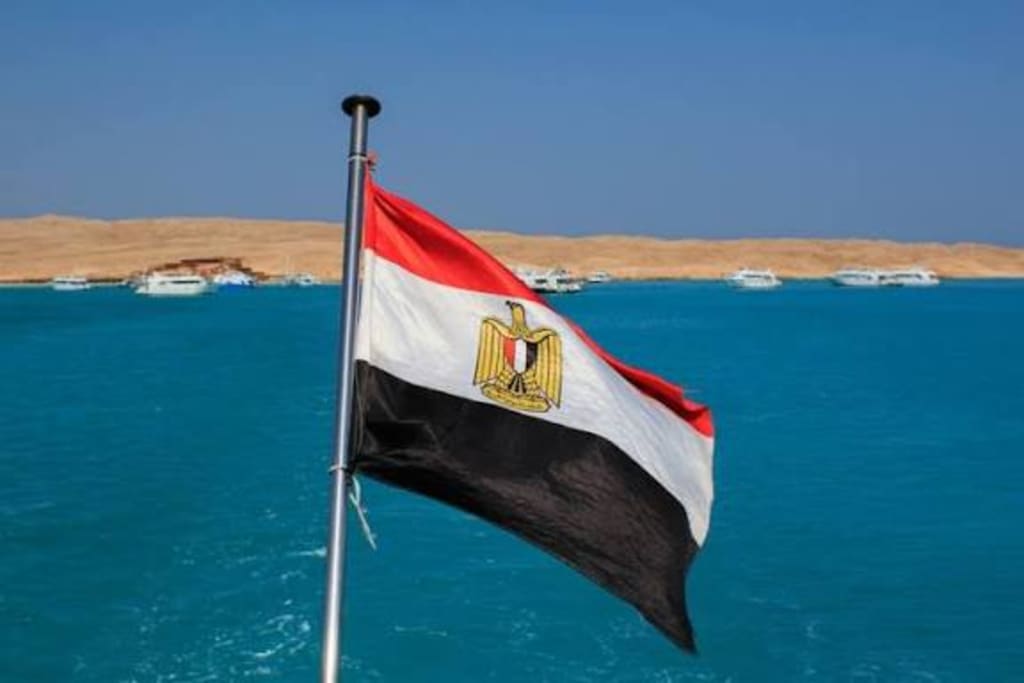
In a region where financial power often translates into political leverage, Egypt’s recent rejection of what officials described as a “fantastic” offer from the United Arab Emirates has drawn widespread attention. At a time when Egypt’s economy faces inflationary pressure, currency challenges, and rising public debt, turning down a lucrative proposal from one of the Gulf’s wealthiest states appears, on the surface, counterintuitive. Yet Cairo’s decision reflects deeper strategic calculations about sovereignty, long-term stability, and the limits of economic dependency.
What Was Behind the “Fantastic” Offer?
While official details remain limited, the Emirati proposal was widely understood to involve major investment, development rights, or long-term control over strategic assets. Such offers are not new in the Middle East. Wealthy Gulf states, particularly the UAE and Saudi Arabia, have increasingly used capital investment as a tool of regional influence, financing infrastructure, ports, real estate megaprojects, and energy ventures across the Arab world.
From Egypt’s perspective, the offer was financially attractive—hence the term “fantastic.” In an era where foreign currency inflows are vital, Gulf investment has often been a lifeline for Cairo. Over the past decade, Egypt has relied heavily on deposits, loans, and investments from its Gulf allies to stabilize its economy and fund large-scale development projects.
So why say no?
Sovereignty Over Short-Term Relief
At the heart of Egypt’s refusal lies a familiar concern: sovereignty. Egyptian officials signaled that while financial support is welcome, it cannot come at the expense of national control over strategic land, infrastructure, or decision-making authority. In other words, not all money is worth taking—especially if it risks long-term dependence or public backlash.
Egypt’s leadership is acutely aware of domestic sensitivities. Public opinion has grown increasingly wary of foreign ownership of national assets, particularly land and ports. Accepting a deal perceived as selling off sovereignty could fuel social unrest, political criticism, and accusations of mortgaging the country’s future for short-term cash.
By rejecting the offer, Cairo sent a clear message: economic cooperation must respect national red lines.
A Shift in Egypt’s Negotiating Posture
This decision also suggests a subtle shift in Egypt’s regional posture. Rather than passively accepting Gulf capital under unequal terms, Egypt appears to be asserting itself as a partner, not a client. This recalibration does not mean Cairo is distancing itself from the UAE—relations remain strong—but it does indicate a desire for more balanced agreements.
Egypt has been working to diversify its economic partnerships, strengthening ties with Europe, Asia, and multilateral institutions. By widening its options, Cairo gains leverage, reducing the pressure to accept any single deal that may compromise long-term interests.
Regional Implications
The rejection carries implications beyond Egypt and the UAE. Across the Middle East and North Africa, countries facing economic strain are increasingly confronting a difficult question: how to attract foreign investment without surrendering strategic autonomy.
Egypt’s stance may embolden other states to renegotiate terms with powerful investors, insisting on transparency, local ownership, and shared governance. At the same time, it may prompt Gulf investors to reassess how their offers are structured, recognizing that influence through capital has limits.
For the UAE, the refusal is unlikely to trigger a rupture. Abu Dhabi is known for its pragmatic diplomacy and may return with revised terms more aligned with Egypt’s priorities. In regional politics, today’s rejection can become tomorrow’s renegotiation.
Economic Reality Still Looms
Despite the symbolism of saying no, Egypt’s economic challenges remain pressing. Inflation, currency devaluation, and debt servicing continue to strain public finances. Turning down major investment does not eliminate the need for foreign capital—it simply raises the stakes for finding deals that align with national strategy.
The challenge for Egypt now is to translate this principled stance into sustainable alternatives: boosting exports, supporting local industry, attracting diversified investment, and implementing reforms that reduce reliance on external lifelines.
More Than a Financial Decision
Ultimately, Egypt’s rejection of the “fantastic” Emirati offer is about more than money. It reflects a broader debate playing out across the Global South: how nations balance urgent economic needs with long-term independence in an era of capital-driven geopolitics.
For Vocal Media readers, this story resonates because it highlights a universal tension—between opportunity and caution, growth and control, partnership and power. Egypt’s decision reminds us that sometimes the most consequential choices are not about what a country accepts, but what it chooses to refuse.
As negotiations continue behind closed doors, one thing is clear: Cairo has drawn its line, and the region is watching closely to see what comes next.
About the Creator
Fiaz Ahmed Brohi
I am a passionate writer with a love for exploring and creating content on trending topics. Always curious, always sharing stories that engage and inspire.
Keep reading
More stories from Fiaz Ahmed Brohi and writers in The Swamp and other communities.
India’s Reported K-4 Missile Launch Signals a Major Leap in Undersea Nuclear Deterrence
India has reportedly taken a significant step forward in strengthening its nuclear deterrence capability with the successful launch of a K-4 ballistic missile from one of its Arihant-class nuclear-powered submarines. While official confirmation has remained limited, multiple defense analysts and strategic observers suggest that the test marks a crucial milestone in India’s long-term plan to establish a credible and survivable sea-based nuclear force.
By Fiaz Ahmed Brohi14 days ago in The Swamp
Many Fiery Remarks, Little Clarity on What’s Next at Security Council Meeting on Iran
When the United Nations Security Council met on January 15, 2026, to discuss the escalating crisis in Iran, it was anything but calm. The chamber was filled with passionate speeches, heated accusations, and urgent warnings, yet by the end of the session, one thing was clear: there was very little clarity on what comes next.
By Aqib Hussain3 days ago in The Swamp



Comments
There are no comments for this story
Be the first to respond and start the conversation.