
Stay at Home’ During Cold Snap: Why Authorities Are Urging the Public to Limit Movement
As temperatures plunge, officials stress safety, preparedness, and community responsibility
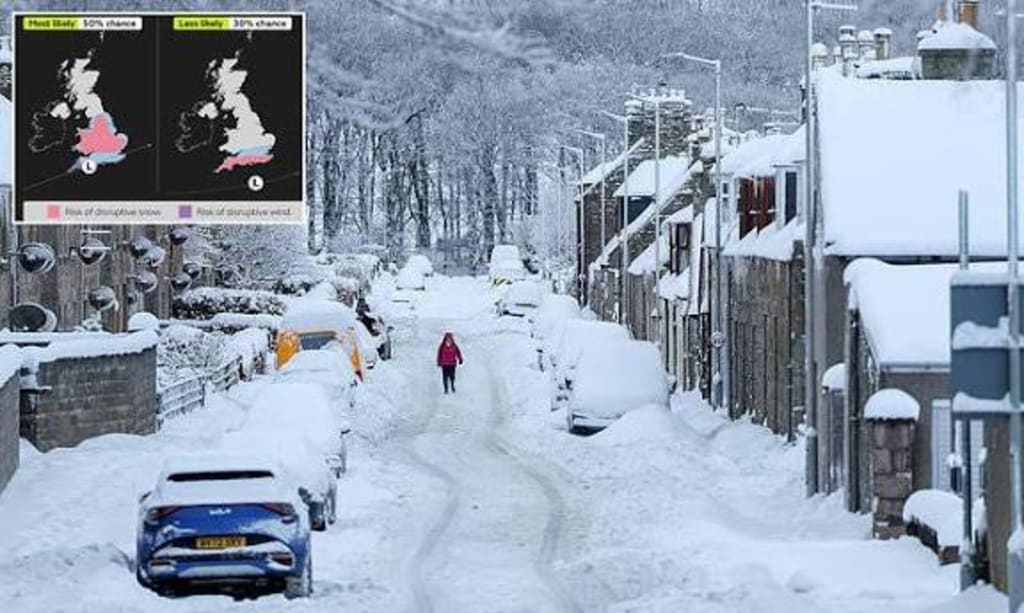
As a severe cold snap tightens its grip across large parts of the country, public authorities are urging people to stay at home unless travel is absolutely necessary. With plunging temperatures, icy roads, and increased strain on emergency services, the message is clear: limiting movement could save lives.
A Cold Snap Unlike the Usual Winter Chill
Winter weather is nothing new, but meteorologists warn that this cold snap is particularly dangerous. Arctic air masses have driven temperatures far below seasonal averages, with some regions experiencing record-breaking lows. Overnight frost, freezing rain, and heavy snowfall have combined to create hazardous conditions, especially on untreated roads and pavements.
Weather agencies say that even short periods outdoors can pose risks during such extremes. Hypothermia and frostbite can develop quickly, particularly among children, older adults, and those with underlying health conditions. Authorities emphasize that this is not merely an inconvenience—it is a serious public safety issue.
Why Officials Are Saying “Stay at Home”
Emergency planners stress that staying home reduces the risk of accidents and allows essential services to operate more effectively. Icy roads dramatically increase the likelihood of vehicle crashes, while blocked routes can delay ambulances, fire crews, and utility repair teams.
Hospitals are already reporting a rise in cold-related injuries, including slips, falls, and exposure-related illnesses. By limiting non-essential travel, the public helps ease pressure on healthcare systems that are often stretched during winter months.
Energy networks are also under strain. Demand for heating typically spikes during cold snaps, increasing the risk of power outages. Fewer people traveling means reduced pressure on transport infrastructure and more resources available to restore services quickly if disruptions occur.
Who Is Most at Risk?
Health officials warn that cold weather does not affect everyone equally. Elderly individuals, people experiencing homelessness, and those living in poorly insulated housing face heightened risks. Even indoor temperatures can drop to dangerous levels if heating systems fail or are used improperly.
Authorities recommend checking on vulnerable neighbors, friends, and relatives—preferably by phone rather than in person unless necessary. Community support networks play a crucial role during extreme weather events, helping to ensure no one is left isolated or without assistance.
The Hidden Dangers of “Quick Trips”
Many people underestimate the risk of short journeys during severe cold. A brief drive to the shops or a quick walk outside can quickly become dangerous if conditions worsen or if someone slips on ice. Vehicles can break down, leaving occupants exposed to freezing temperatures while waiting for help.
Public safety officials note that a significant number of winter rescues involve people who assumed they would only be out for a few minutes. The advice is simple: if a trip can be postponed, it should be.
Practical Advice for Staying Safe Indoors
Staying home does not mean ignoring safety. Authorities recommend keeping indoor spaces adequately heated while ensuring proper ventilation. Using ovens or barbecues for warmth is strongly discouraged due to the risk of carbon monoxide poisoning.
Residents are advised to keep emergency supplies on hand, including blankets, torches, batteries, drinking water, and basic food items. For those with medical needs, ensuring access to essential medications is critical.
Pet owners are also reminded that animals feel the cold too. Keeping pets indoors, providing warm bedding, and limiting outdoor exposure can prevent illness or injury.
Economic and Social Impacts
While staying home protects public safety, it also has economic consequences. Businesses, especially in retail and hospitality, may see reduced foot traffic. Schools and workplaces may shift to remote operations where possible, highlighting the growing role of digital infrastructure in maintaining continuity during extreme weather.
However, authorities argue that short-term disruption is preferable to long-term harm. Accidents, injuries, and infrastructure damage can have lasting economic and social costs far greater than temporary closures.
Climate Change and Extreme Cold
Scientists caution that extreme cold snaps are becoming more unpredictable as climate patterns shift. While global temperatures are rising overall, changes in atmospheric circulation can lead to sudden and intense cold spells. This paradox underscores the importance of preparedness and public awareness.
Cold weather planning, experts say, must be taken as seriously as heatwave responses. Clear communication, early warnings, and community cooperation are essential tools in reducing harm.
Conclusion
The call to “stay at home” during this cold snap is not about restriction—it is about protection. By limiting travel, checking on vulnerable people, and preparing homes for extreme conditions, communities can reduce risk and save lives.
As freezing temperatures continue, authorities urge everyone to take the warning seriously. Staying indoors today could prevent emergencies tomorrow, proving once again that small collective actions can make a powerful difference during times of crisis.
About the Creator
Keep reading
More stories from Fiazahmedbrohi and writers in The Swamp and other communities.
Protests and U.S. Warnings Shake Iran at Its Weakest Point in Years
Iran is facing one of its most precarious moments in recent history as widespread protests converge with sharp warnings from the United States, exposing deep fractures within the country’s political, economic, and social foundations. Long simmering public anger, fueled by economic hardship and political repression, has erupted once again—this time against a backdrop of mounting international pressure and regional instability. A Nation Under Growing Strain For years, Iran has struggled under the weight of international sanctions, economic mismanagement, and isolation from global markets. Inflation has soared, the national currency has lost much of its value, and unemployment—especially among young people—remains stubbornly high. Basic necessities such as food, fuel, and medicine have become increasingly expensive, eroding living standards for millions. These pressures have created a society on edge. While protests have periodically flared in Iran over the past decade, recent demonstrations appear broader, more persistent, and more defiant. Protesters from different social classes and regions have taken to the streets, signaling a level of frustration that goes beyond isolated grievances. The Spark Behind the Protests Although no single event defines the current unrest, the protests are rooted in long-standing demands for economic justice, political accountability, and personal freedoms. Demonstrators have voiced anger at corruption, lack of opportunity, and what they see as an unresponsive ruling elite. Social media, despite heavy restrictions, continues to play a key role in spreading images and messages from the protests. Videos showing clashes with security forces and chants criticizing the leadership have circulated widely, amplifying both domestic and international attention. The government has responded with a familiar mix of force and control—deploying security personnel, restricting internet access, and arresting activists. Yet these measures appear to have done little to calm public anger, and in some cases have intensified it. U.S. Warnings Add International Pressure As protests escalate, the United States has issued increasingly blunt warnings to Tehran. American officials have condemned Iran’s crackdown on demonstrators and signaled that further repression could lead to additional sanctions or diplomatic consequences. Washington has also raised concerns about Iran’s regional activities and military posture, warning that instability at home does not give Tehran a free pass abroad. These statements come at a time when Iran’s relationships with Western powers are already deeply strained over nuclear negotiations, regional conflicts, and human rights issues. While Iranian leaders often portray U.S. criticism as foreign interference, the warnings add another layer of pressure on a government already struggling to maintain control internally. Why This Moment Is Different What makes this period particularly dangerous for Iran’s leadership is the convergence of crises. Economically, the country is weaker than it has been in years. Politically, public trust in institutions has eroded. Regionally, Iran faces challenges from rival states and ongoing tensions in the Middle East. Internationally, diplomatic isolation limits its room for maneuver. Unlike past episodes of unrest, today’s protests are unfolding when the government has fewer economic tools to placate the public. Subsidies and cash handouts are harder to sustain, and sanctions restrict access to global financial systems. Analysts note that even traditionally loyal segments of society—such as parts of the working class—are showing signs of discontent. This broadening base of opposition makes the unrest harder to contain. The Government’s Balancing Act Iran’s leadership now faces a delicate balancing act. A harsh crackdown risks deepening public anger and attracting stronger international backlash. On the other hand, meaningful reforms could undermine the authority of hardline factions that dominate the political system. So far, officials have largely chosen repression over reform, framing the protests as foreign-backed attempts to destabilize the country. However, this narrative has limited appeal among citizens struggling with daily economic realities. The question is not only whether the government can suppress protests, but whether it can address the underlying causes that keep bringing people back to the streets. Regional and Global Implications Instability in Iran has implications far beyond its borders. As a major regional power, Iran plays a central role in Middle Eastern geopolitics, energy markets, and security dynamics. Prolonged unrest could affect oil supplies, regional conflicts, and diplomatic relations with neighboring countries. For the United States and its allies, Iran’s internal turmoil presents both risks and uncertainties. While pressure on Tehran may increase, chaos or miscalculation could also escalate tensions in unpredictable ways. Conclusion Iran stands at a crossroads. Protests driven by deep economic pain and political frustration are colliding with mounting U.S. warnings, exposing vulnerabilities that have been building for years. Whether the government responds with reform or repression will shape not only Iran’s future, but also the stability of an already volatile region. At its weakest point in years, Iran faces a defining test: adapt to the demands of its people, or risk deeper unrest with consequences that may be impossible to control.
By Fiazahmedbrohi 6 days ago in The Swamp
A Ghost Town Votes in Myanmar Election’s Second Phase
In most countries, elections are noisy affairs. Streets fill with campaign posters, queues form outside polling statio Ins, and political debate spills into tea shops and living rooms. In parts of Myanmar, however, the second phase of the country’s elections has unfolded in near silence — so quiet that some polling stations stand in places where almost no civilians remain.
By Aqib Hussainabout 10 hours ago in The Swamp


Comments
There are no comments for this story
Be the first to respond and start the conversation.