
Polish Jets Intercept Russian Reconnaissance Plane Near National Airspace
Rising Tensions in Eastern Europe as NATO Scrambles to Protect Its Skies

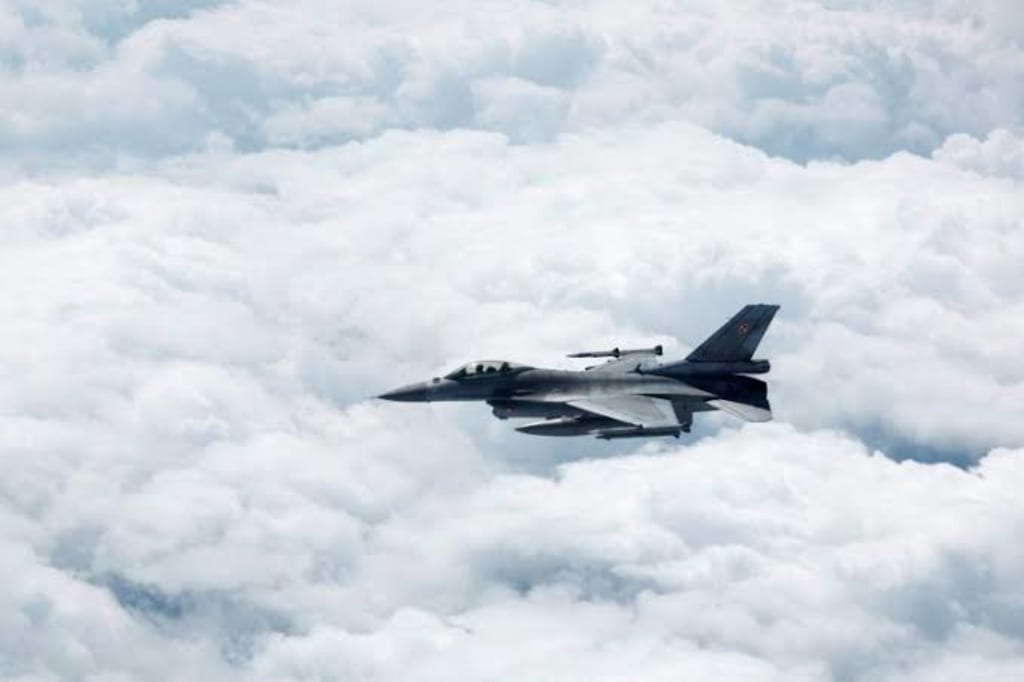
Tensions between NATO and Russia continue to simmer as Polish fighter jets were scrambled to intercept a Russian reconnaissance aircraft spotted flying dangerously close to Poland’s national airspace. The incident, while brief and non-violent, underscores the fragile security situation in Eastern Europe and highlights growing concerns over aerial surveillance, military signaling, and regional stability.
According to Polish defense officials, the Russian plane was detected by radar systems while operating near Poland’s borders. Although it did not violate Polish airspace, its proximity triggered standard NATO response protocols. Polish jets quickly took off to visually identify and escort the aircraft away from the sensitive zone, ensuring that national and allied airspace remained secure.
A Routine Intercept With Serious Implications
Military intercepts such as this are often described as “routine,” but experts stress that they are anything but trivial. Reconnaissance flights are designed to collect intelligence on radar systems, air defenses, and military movements. When conducted near NATO borders, they are widely viewed as deliberate tests of response times and readiness.
Poland, a key NATO member on the alliance’s eastern flank, has been especially vigilant since the outbreak of the Russia-Ukraine war. The country hosts NATO troops, military infrastructure, and logistical hubs supporting Ukraine. As a result, any Russian military activity near Polish territory is treated with heightened caution.
Defense analysts note that Russia has significantly increased reconnaissance flights near NATO airspace over the past two years. These operations, while technically legal in international airspace, are widely perceived as attempts to intimidate neighboring countries and signal military strength.
NATO’s Eastern Flank Under Pressure
Poland’s response reflects NATO’s broader strategy of deterrence without escalation. By intercepting and escorting the aircraft rather than engaging aggressively, Polish forces demonstrated readiness while avoiding direct confrontation.
NATO officials have repeatedly emphasized that the alliance will defend every inch of its territory. Air policing missions, particularly in Eastern Europe and the Baltic region, have been expanded to counter increased Russian military activity. Countries like Poland, Romania, and the Baltic states now conduct frequent air patrols to monitor and respond to potential threats.
This latest intercept reinforces the message that NATO’s eastern members are not passive observers. Instead, they are actively monitoring their skies and coordinating closely with allies to ensure rapid response capabilities.
Russia’s Perspective and Strategic Messaging
From Moscow’s perspective, reconnaissance flights near NATO borders are framed as defensive and routine. Russian officials often accuse NATO of encroaching on its sphere of influence, arguing that alliance expansion has increased regional instability.
However, many Western analysts argue that such flights serve a dual purpose: gathering intelligence and sending political messages. Flying close to NATO airspace allows Russia to demonstrate its continued military reach while probing alliance defenses without crossing red lines that could trigger a direct response.
The timing of these incidents often coincides with heightened diplomatic tensions, military exercises, or significant developments in the Ukraine conflict, suggesting they are carefully calculated rather than coincidental.
Risks of Miscalculation
While intercepts are conducted according to established protocols, they are not without risk. Close encounters between military aircraft can lead to miscommunication or accidents, especially if one side engages in aggressive maneuvers.
History offers sobering reminders of how quickly such situations can escalate. A minor error, technical failure, or misjudgment could turn a routine intercept into an international crisis. This is why NATO and Russia maintain military communication channels, even amid strained relations, to reduce the risk of unintended escalation.
Public and Political Reactions in Poland
In Poland, the incident has sparked renewed discussion about national security and defense spending. Public opinion strongly supports NATO membership, and many Poles view a robust military posture as essential given the country’s geographic proximity to Russia and Belarus.
Polish leaders have consistently called for stronger NATO presence in the region and continued investment in air defense systems. Intercepts like this reinforce their argument that vigilance is not optional but necessary in today’s security environment.
Conclusion
The interception of a Russian reconnaissance plane by Polish jets may not have resulted in a dramatic confrontation, but it speaks volumes about the current state of European security. It highlights the fragile balance between deterrence and escalation, routine military operations and strategic signaling.
As long as tensions between Russia and NATO remain unresolved, such incidents are likely to continue. For Poland and its allies, the message is clear: readiness, coordination, and calm professionalism are the keys to safeguarding peace in an increasingly uncertain airspace.
About the Creator
Fiaz Ahmed Brohi
I am a passionate writer with a love for exploring and creating content on trending topics. Always curious, always sharing stories that engage and inspire.
Keep reading
More stories from Fiaz Ahmed Brohi and writers in The Swamp and other communities.
Pakistan Emerges as Main Recipient of Chinese Combat Aircraft
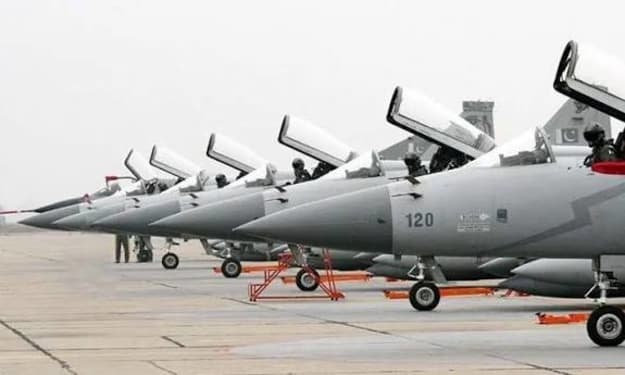
Pakistan’s emergence as the primary recipient of Chinese combat aircraft marks a significant shift in regional military dynamics and underscores the deepening strategic partnership between Islamabad and Beijing. As global power alignments evolve, China’s growing role as Pakistan’s key defense supplier is reshaping air power capabilities in South Asia and sending strong signals to regional rivals and international observers alike. Over the past decade, Pakistan has steadily reduced its dependence on Western military hardware, particularly from the United States, turning instead toward China for advanced, cost-effective, and politically reliable defense systems. The result is a long-term collaboration that now places Pakistan at the forefront of Chinese combat aircraft exports. The Backbone of Pakistan’s Air Modernization At the heart of this partnership lies the JF-17 Thunder program, a jointly developed multirole fighter jet that has become the backbone of the Pakistan Air Force (PAF). Designed to replace aging aircraft fleets, the JF-17 represents more than just a fighter jet—it symbolizes Pakistan’s ambition for technological self-reliance and operational flexibility. Recent upgrades, including advanced avionics, improved radar systems, and enhanced weapons compatibility, have made newer variants of the aircraft increasingly competitive. These developments allow Pakistan to maintain credible air defense capabilities while keeping costs significantly lower than Western alternatives. Beyond the JF-17, Pakistan’s acquisition of more advanced Chinese combat aircraft reflects growing trust between the two nations. Analysts note that Pakistan has effectively become a testing ground and showcase partner for Chinese aerospace technology. Why China Chooses Pakistan China’s decision to prioritize Pakistan as a recipient of its combat aircraft is rooted in strategic, political, and economic considerations. Pakistan is China’s closest strategic partner in South Asia, sharing common security concerns and a long-standing alliance. By supplying combat aircraft to Pakistan, China strengthens a key regional ally while counterbalancing rival military partnerships in the region. At the same time, these exports allow China to demonstrate the reliability and effectiveness of its defense technology on a global stage, boosting its credibility as a major arms exporter. For Beijing, Pakistan offers a stable and cooperative customer willing to integrate Chinese systems fully into its defense doctrine—something many other countries hesitate to do. Implications for Regional Security Pakistan’s growing fleet of Chinese combat aircraft has important implications for South Asia’s security landscape. The region has long been marked by strategic rivalry, particularly between Pakistan and India. Any significant shift in air power capabilities inevitably draws attention from neighboring states. Defense experts argue that Pakistan’s modernization efforts are aimed primarily at maintaining deterrence rather than achieving superiority. Still, the introduction of newer aircraft with enhanced strike and surveillance capabilities alters military calculations and increases the importance of air defense preparedness across the region. This evolving balance also raises concerns about an arms race, with countries seeking to counter each other’s technological advances rather than pursuing diplomatic de-escalation. A Move Away From Western Dependence Pakistan’s reliance on Chinese combat aircraft reflects a broader geopolitical trend: the gradual decline of Western influence over its defense sector. In the past, political conditions, sanctions, and export restrictions often complicated Pakistan’s access to Western military equipment. China, by contrast, offers long-term supply assurance, fewer political strings, and technology transfer opportunities. This reliability has made Beijing an attractive partner for Islamabad, particularly as global politics become more polarized. For Pakistan, this shift ensures continuity in defense planning and reduces vulnerability to sudden policy changes by foreign suppliers. Economic and Industrial Benefits The partnership is not limited to aircraft deliveries alone. Joint production, maintenance facilities, and training programs have helped boost Pakistan’s domestic defense industry. Local assembly and manufacturing create jobs, enhance technical expertise, and reduce long-term maintenance costs. These industrial benefits align with Pakistan’s broader goal of developing indigenous defense capabilities while remaining integrated with a trusted international partner. Global Reactions and Future Outlook International reactions to Pakistan’s growing fleet of Chinese combat aircraft have been mixed. Some observers see it as a natural outcome of shifting alliances, while others view it as a challenge to existing power structures. Looking ahead, analysts expect the China-Pakistan defense partnership to deepen further, potentially expanding into unmanned systems, electronic warfare, and space-based surveillance technologies. Conclusion Pakistan’s emergence as the main recipient of Chinese combat aircraft represents more than a defense procurement trend—it reflects a strategic realignment with long-term regional consequences. As China expands its role as a global arms supplier and Pakistan modernizes its air force, the partnership is reshaping military, political, and industrial landscapes across South Asia. In an era of evolving global power dynamics, this alliance highlights how defense cooperation can redefine regional influence and strategic stability.
By Fiaz Ahmed Brohi23 days ago in The Swamp


Comments
There are no comments for this story
Be the first to respond and start the conversation.