
Pakistan Emerges as Main Recipient of Chinese Combat Aircraft
A Deepening Military Partnership Reshaping South Asia’s Strategic Balance

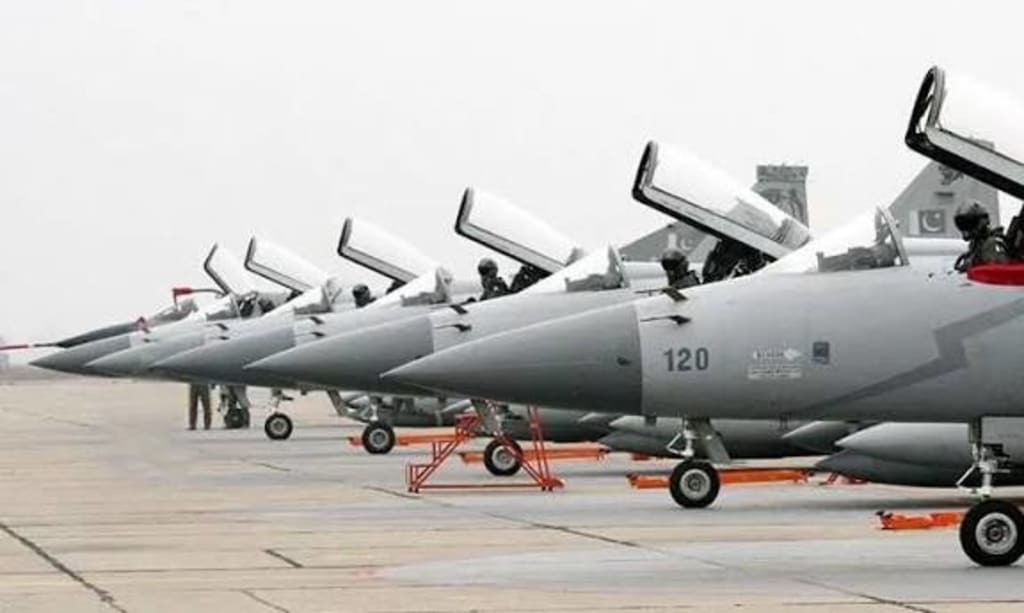
Pakistan’s emergence as the primary recipient of Chinese combat aircraft marks a significant shift in regional military dynamics and underscores the deepening strategic partnership between Islamabad and Beijing. As global power alignments evolve, China’s growing role as Pakistan’s key defense supplier is reshaping air power capabilities in South Asia and sending strong signals to regional rivals and international observers alike.
Over the past decade, Pakistan has steadily reduced its dependence on Western military hardware, particularly from the United States, turning instead toward China for advanced, cost-effective, and politically reliable defense systems. The result is a long-term collaboration that now places Pakistan at the forefront of Chinese combat aircraft exports.
The Backbone of Pakistan’s Air Modernization
At the heart of this partnership lies the JF-17 Thunder program, a jointly developed multirole fighter jet that has become the backbone of the Pakistan Air Force (PAF). Designed to replace aging aircraft fleets, the JF-17 represents more than just a fighter jet—it symbolizes Pakistan’s ambition for technological self-reliance and operational flexibility.
Recent upgrades, including advanced avionics, improved radar systems, and enhanced weapons compatibility, have made newer variants of the aircraft increasingly competitive. These developments allow Pakistan to maintain credible air defense capabilities while keeping costs significantly lower than Western alternatives.
Beyond the JF-17, Pakistan’s acquisition of more advanced Chinese combat aircraft reflects growing trust between the two nations. Analysts note that Pakistan has effectively become a testing ground and showcase partner for Chinese aerospace technology.
Why China Chooses Pakistan
China’s decision to prioritize Pakistan as a recipient of its combat aircraft is rooted in strategic, political, and economic considerations. Pakistan is China’s closest strategic partner in South Asia, sharing common security concerns and a long-standing alliance.
By supplying combat aircraft to Pakistan, China strengthens a key regional ally while counterbalancing rival military partnerships in the region. At the same time, these exports allow China to demonstrate the reliability and effectiveness of its defense technology on a global stage, boosting its credibility as a major arms exporter.
For Beijing, Pakistan offers a stable and cooperative customer willing to integrate Chinese systems fully into its defense doctrine—something many other countries hesitate to do.
Implications for Regional Security
Pakistan’s growing fleet of Chinese combat aircraft has important implications for South Asia’s security landscape. The region has long been marked by strategic rivalry, particularly between Pakistan and India. Any significant shift in air power capabilities inevitably draws attention from neighboring states.
Defense experts argue that Pakistan’s modernization efforts are aimed primarily at maintaining deterrence rather than achieving superiority. Still, the introduction of newer aircraft with enhanced strike and surveillance capabilities alters military calculations and increases the importance of air defense preparedness across the region.
This evolving balance also raises concerns about an arms race, with countries seeking to counter each other’s technological advances rather than pursuing diplomatic de-escalation.
A Move Away From Western Dependence
Pakistan’s reliance on Chinese combat aircraft reflects a broader geopolitical trend: the gradual decline of Western influence over its defense sector. In the past, political conditions, sanctions, and export restrictions often complicated Pakistan’s access to Western military equipment.
China, by contrast, offers long-term supply assurance, fewer political strings, and technology transfer opportunities. This reliability has made Beijing an attractive partner for Islamabad, particularly as global politics become more polarized.
For Pakistan, this shift ensures continuity in defense planning and reduces vulnerability to sudden policy changes by foreign suppliers.
Economic and Industrial Benefits
The partnership is not limited to aircraft deliveries alone. Joint production, maintenance facilities, and training programs have helped boost Pakistan’s domestic defense industry. Local assembly and manufacturing create jobs, enhance technical expertise, and reduce long-term maintenance costs.
These industrial benefits align with Pakistan’s broader goal of developing indigenous defense capabilities while remaining integrated with a trusted international partner.
Global Reactions and Future Outlook
International reactions to Pakistan’s growing fleet of Chinese combat aircraft have been mixed. Some observers see it as a natural outcome of shifting alliances, while others view it as a challenge to existing power structures.
Looking ahead, analysts expect the China-Pakistan defense partnership to deepen further, potentially expanding into unmanned systems, electronic warfare, and space-based surveillance technologies.
Conclusion
Pakistan’s emergence as the main recipient of Chinese combat aircraft represents more than a defense procurement trend—it reflects a strategic realignment with long-term regional consequences. As China expands its role as a global arms supplier and Pakistan modernizes its air force, the partnership is reshaping military, political, and industrial landscapes across South Asia.
In an era of evolving global power dynamics, this alliance highlights how defense cooperation can redefine regional influence and strategic stability.
About the Creator
Fiaz Ahmed Brohi
I am a passionate writer with a love for exploring and creating content on trending topics. Always curious, always sharing stories that engage and inspire.
Keep reading
More stories from Fiaz Ahmed Brohi and writers in The Swamp and other communities.
Ukraine Strikes Russian Oil Refinery Amid Escalating Tensions
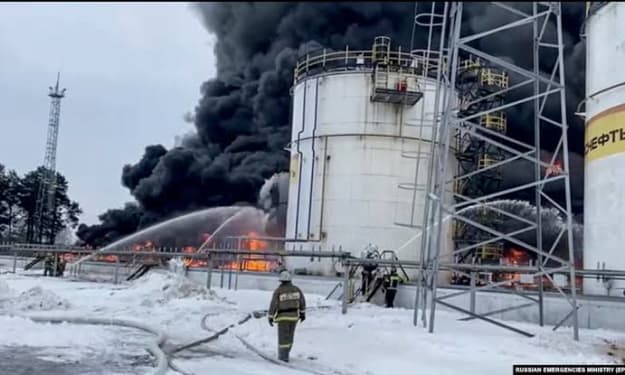
In a significant escalation of the ongoing conflict, Ukraine has targeted a major Russian oil refinery, marking one of the most audacious strikes in recent months. According to Ukrainian officials, the operation successfully disrupted fuel production, signaling Kyiv’s determination to weaken Russia’s war machinery while drawing global attention to the continuing hostilities. The attack underscores the strategic importance of energy infrastructure in modern warfare and the growing precision of Ukrainian military operations. The Strategic Significance of Oil Refineries Oil refineries are more than industrial facilities; they are critical components of a nation’s economic and military capabilities. By producing fuel for vehicles, aircraft, and military machinery, refineries sustain operational capabilities across all fronts. Disrupting them can therefore directly impact a country’s ability to wage war effectively. The refinery targeted by Ukraine is one of Russia’s key facilities, supplying fuel not only to civilian markets but also to military units engaged in various theaters. Experts highlight that striking energy infrastructure is a tactic aimed at undermining both the logistical and psychological capacities of the adversary. By hitting refineries, Ukraine not only limits fuel availability but also sends a message about its capability to reach deeply into Russian territory, challenging Moscow’s assumptions of security behind its borders. Details of the Strike Although precise details remain limited due to ongoing security concerns, Ukrainian officials confirmed that the strike caused extensive damage to the refinery’s storage units and production lines. Satellite imagery and independent analysts suggest that several large fuel tanks were destroyed, likely reducing the refinery’s output by a significant percentage. Russian authorities have confirmed the incident but downplayed its impact, stating that alternative facilities will compensate for any production loss. However, analysts argue that even a temporary disruption at such a scale can have ripple effects across supply chains, affecting fuel prices domestically and internationally. Implications for the Conflict The attack on the refinery highlights the evolving nature of the Russia-Ukraine conflict. Unlike traditional battlefield confrontations, Ukraine has increasingly relied on precision strikes against strategic targets, aiming to weaken Russia’s capacity to sustain prolonged military operations. This approach reflects both innovation in Ukrainian military strategy and the growing importance of intelligence and technological assets in modern warfare. For Russia, the attack poses both operational and political challenges. Operationally, fuel shortages can hinder troop mobility and equipment maintenance. Politically, repeated strikes on high-profile infrastructure challenge Moscow’s narrative of control and resilience, potentially affecting public perception and international standing. Global Economic and Energy Impacts Beyond military implications, the strike could influence global energy markets. Russia is a major oil exporter, and disruptions to its refining capacity may lead to fluctuations in fuel supply, affecting prices in Europe and beyond. Energy analysts are closely monitoring the situation, with many predicting short-term volatility in oil and gas markets, particularly if further strikes target other refineries or transportation networks. The incident also emphasizes the interconnectedness of global energy systems. Countries dependent on Russian fuel are now faced with uncertainties regarding supply reliability, prompting discussions about diversifying energy sources and accelerating the transition to alternative fuels. International Reactions The international community has reacted cautiously. Western nations have largely refrained from direct commentary on Ukraine’s tactical operations but continue to express support for Kyiv’s sovereignty. Meanwhile, some global observers have called for restraint, warning that escalating strikes on infrastructure could inadvertently increase civilian hardships and fuel broader economic instability. Analysts argue that while military operations targeting strategic assets are legally distinct from attacks on civilian populations, the distinction becomes blurred when energy and transportation systems also support civilian life. This makes strategic communication and careful targeting essential for Ukraine as it navigates both military objectives and international scrutiny. Looking Ahead The strike on Russia’s oil refinery marks a pivotal moment in the ongoing conflict. It demonstrates Ukraine’s increasing operational reach, the vulnerability of critical infrastructure in wartime, and the complex interplay between military strategy and global economics. As both sides assess and respond, analysts predict that energy infrastructure will remain a key battleground, with further strikes and countermeasures likely in the coming months. For Kyiv, the operation serves as a testament to resilience and strategic ingenuity, reinforcing the message that Ukraine remains capable of challenging Russia not just on the frontlines, but in strategic and symbolic arenas. For Moscow, it underscores the need to fortify critical infrastructure and reassess assumptions about security within its borders. Conclusion The Ukraine strike on a Russian oil refinery is more than a military operation; it is a strategic statement with economic, political, and symbolic dimensions. As the conflict continues, the targeting of energy infrastructure highlights the evolving nature of warfare, where tactical ingenuity can shift power dynamics far beyond conventional battlefields. The international community, meanwhile, watches closely, aware that developments in Ukraine have implications that stretch well beyond the region.
By Fiaz Ahmed Brohi24 days ago in The Swamp


Comments
There are no comments for this story
Be the first to respond and start the conversation.