
Iran Seizes Tanker in the Middle East Gulf, Escalating Regional Tensions
A Strategic Maritime Move Raises Global Concerns Over Energy Security and Gulf Stability

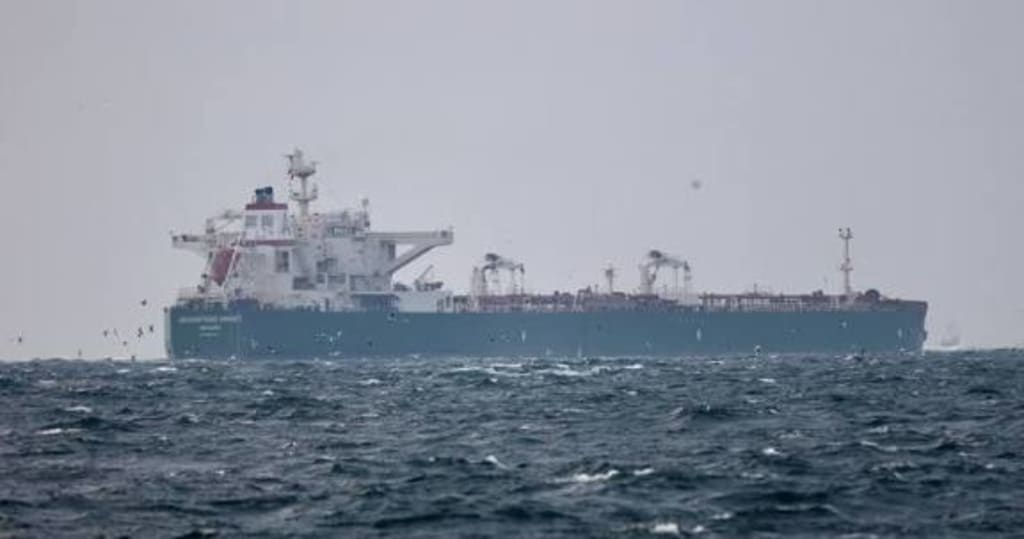
Iran’s seizure of a commercial tanker in the Middle East Gulf has once again brought the fragile security of one of the world’s most critical waterways into sharp focus. The incident, which reportedly involved a foreign-linked vessel transiting near Iranian-controlled waters, has sparked international concern, reignited diplomatic tensions, and raised fears over the stability of global energy supplies.
The Middle East Gulf is a lifeline for global trade, especially oil and gas. Any disruption in this region reverberates far beyond local politics, affecting fuel prices, shipping insurance costs, and geopolitical alliances.
What Happened in the Gulf?
According to regional reports, Iranian naval forces intercepted and seized a tanker while it was navigating the Gulf. Iranian authorities claimed the action was taken in response to alleged legal violations, including maritime infractions and failure to comply with regional regulations. However, details surrounding the vessel’s ownership, cargo, and destination remain contested.
International observers note that tanker seizures in the Gulf often occur amid broader political disputes, rather than purely legal disagreements. The lack of transparency surrounding such incidents tends to fuel speculation and heighten mistrust between Iran and Western-aligned nations.
Why the Middle East Gulf Matters
The Middle East Gulf handles nearly a fifth of the world’s oil supply. Tankers passing through this narrow maritime corridor are essential to global energy markets. Even a single seizure can disrupt shipping schedules, raise freight costs, and cause oil prices to spike.
Because of its strategic importance, the Gulf has long been a flashpoint for military encounters, diplomatic standoffs, and economic pressure tactics. Iran’s actions in these waters are therefore closely monitored by regional rivals and global powers alike.
A Pattern of Maritime Pressure
This latest seizure is not an isolated incident. Over the past several years, Iran has repeatedly targeted commercial vessels during periods of heightened political tension, particularly in response to sanctions or military pressure.
Analysts believe tanker seizures serve multiple purposes for Tehran. They project strength domestically, signal defiance to adversaries, and create leverage in diplomatic negotiations. By controlling access to vital shipping lanes, Iran reminds the world of its ability to disrupt global trade if its interests are ignored.
At the same time, such actions risk escalating conflicts that could spiral beyond control.
International Reactions and Diplomatic Fallout
The seizure has drawn swift reactions from several governments, with calls for the immediate release of the tanker and assurances of safe navigation in international waters. Maritime security organizations have urged shipping companies to exercise caution and review routes passing near Iranian-controlled zones.
Western nations argue that such actions undermine international maritime law and threaten freedom of navigation. Iran, however, maintains that it is acting within its rights and defending its sovereignty.
This clash of narratives highlights a broader struggle over who controls the rules in contested waters—and whose interpretation of international law prevails.
Economic and Energy Market Impact
Even before official responses are finalized, the economic consequences are already being felt. Shipping insurers tend to raise premiums following such incidents, increasing costs for traders and consumers alike.
Energy markets react quickly to perceived risks in the Gulf. A prolonged standoff or further seizures could drive oil prices upward, adding pressure to already strained global economies.
For countries dependent on Gulf energy exports, stability in these waters is not just a regional issue—it is a global necessity.
Risks of Escalation
Security experts warn that repeated maritime confrontations increase the risk of miscalculation. A single incident involving armed escorts, miscommunication, or aggressive maneuvers could escalate into a broader military confrontation.
Naval forces from multiple countries operate in and around the Gulf, making coordination complex and mistakes potentially disastrous. While all sides publicly emphasize restraint, the margin for error remains dangerously thin.
What Happens Next?
The future of the seized tanker will likely depend on behind-the-scenes diplomacy. Past incidents have often been resolved through negotiations, prisoner exchanges, or indirect agreements facilitated by third parties.
However, each new seizure chips away at trust and makes peaceful resolution more difficult. Long-term stability in the Gulf will require clearer maritime rules, consistent enforcement of international law, and renewed diplomatic engagement.
Conclusion
Iran’s seizure of a tanker in the Middle East Gulf is more than a maritime incident—it is a reminder of how vulnerable global trade and energy supplies remain to geopolitical conflict. As tensions rise, the international community faces a critical challenge: ensuring freedom of navigation while preventing escalation in one of the world’s most volatile regions.
How this incident is resolved may shape not only Gulf security, but the future balance of power in international waters.
About the Creator
Fiaz Ahmed Brohi
I am a passionate writer with a love for exploring and creating content on trending topics. Always curious, always sharing stories that engage and inspire.
Keep reading
More stories from Fiaz Ahmed Brohi and writers in The Swamp and other communities.
Malaysia’s Ex-PM Najib Found Guilty of Money Laundering and Abuse of Power
The conviction of Malaysia’s former prime minister Najib Razak on charges of money laundering and abuse of power marks one of the most significant political moments in the country’s modern history. Once one of Southeast Asia’s most powerful leaders, Najib’s fall from grace reflects a dramatic shift in public accountability and the growing strength of judicial independence in Malaysia.
By Fiaz Ahmed Brohi25 days ago in The Swamp
Pork Pie Maker Denies Recipe Change After Backlash
In the heart of England, a storm has erupted over a seemingly simple culinary tradition: the pork pie. A well-known pork pie manufacturer has faced public backlash after rumors spread that the company had altered its classic recipe. Loyal customers expressed concern over potential changes to a beloved staple of British cuisine, prompting the company to issue a statement denying any modifications. The controversy highlights the power of tradition in food culture and how deeply people can feel about their favorite local delicacies. Pork pies, particularly the hand-raised varieties with jelly fillings, have long been celebrated as an iconic British dish. For many, even a minor change to the recipe can feel like a betrayal. The Allegations The backlash began after customers noticed subtle differences in recent batches of pork pies. Some reported that the pies were: Slightly less savory than before Containing different textures in the filling Smaller or less consistent in shape These observations quickly spread on social media, with users speculating that the company had altered its traditional recipe, possibly to cut costs or streamline production. Hashtags questioning the change went viral, and food bloggers jumped into the debate, further amplifying the discussion. Company Response In response, the pork pie manufacturer released an official statement assuring customers that the recipe has not been altered in any way. The statement emphasized: “Our hand-raised pork pies continue to be made using the same high-quality ingredients and traditional methods that have defined our brand for decades. Any perceived changes in flavor or texture are likely due to natural variations in ingredients or production processes.” Company representatives also invited customers to visit the factory or participate in tasting sessions, demonstrating confidence in their product and a willingness to engage directly with concerned fans. Why Food Traditions Matter Food is not just about nutrition; it is deeply tied to culture, memory, and identity. Traditional dishes like the pork pie carry a sense of heritage and continuity, which explains why even minor perceived changes can spark strong reactions. For many Britons, pork pies are more than snacks — they are part of community events, family gatherings, and regional pride. The Hand-Raised Pork Pie, often associated with Melton Mowbray, has even achieved Protected Geographical Indication (PGI) status, ensuring that pies sold under this name meet strict criteria for ingredients and preparation. Any perceived tampering, therefore, threatens not just taste, but cultural authenticity. The Role of Social Media in Food Controversies Social media has amplified the reaction to the alleged recipe change. Platforms like Twitter, Facebook, and Instagram allowed concerns to spread quickly, with thousands weighing in within hours. While some comments were humorous or lighthearted, others expressed outrage at what was seen as corporate interference with tradition. Food bloggers and influencers contributed by reviewing batches and sharing their experiences, often emphasizing differences in flavor or texture. While the company maintains that the recipe is unchanged, the perception of change alone can affect brand loyalty and consumer confidence. Expert Opinions Food experts note that variations in traditional recipes are common, even without intentional changes. Factors include: Seasonal differences in pork quality Natural variation in spices and seasonings Differences in baking temperature and timing According to culinary historian Dr. Emily Harrington: “In traditional food production, especially with artisanal methods, no two batches are ever exactly the same. Consumers often notice subtle changes and interpret them as alterations to the recipe, when in reality they are just part of the natural variability of handmade products.” This perspective helps explain why the backlash may have been more about perception than actual changes. The Business Perspective For the manufacturer, the backlash presents both a challenge and an opportunity. On one hand, rumors about recipe changes can damage reputation and reduce sales. On the other, the controversy has heightened public attention, giving the company a platform to reaffirm its commitment to tradition and potentially attract new customers curious about the debate. The company’s engagement strategy — public statements, factory tours, and tastings — reflects a modern approach to brand transparency and customer trust. By allowing consumers to see and taste for themselves, the company reinforces confidence in its product. Lessons for Traditional Food Producers This episode illustrates broader lessons for makers of traditional foods: Maintain Transparency: Open communication about sourcing, production methods, and ingredient variations can prevent misunderstandings. Engage with Customers: Social media backlash can be mitigated by proactive engagement and education. Embrace Tradition While Innovating Carefully: Any changes should be clearly communicated and tested with loyal consumers to avoid alienation. Traditional foods carry emotional weight. Producers must balance authenticity with consistency, ensuring that cherished recipes remain trusted while adapting to modern production demands. Looking Ahead The pork pie controversy is unlikely to fade quickly. Food enthusiasts, bloggers, and social media users will continue to scrutinize every batch, comparing flavor, texture, and presentation to past experiences. However, the manufacturer’s proactive engagement and assurances are likely to rebuild trust and calm consumer fears over time. For the wider food industry, the incident is a reminder that tradition is a powerful brand asset. Consumers are not only buying a product; they are buying a piece of cultural history and identity. Preserving that trust is essential for long-term success. Final Thoughts The pork pie backlash underscores how deeply people care about food traditions. Even perceived changes to a beloved recipe can spark widespread concern, highlighting the emotional and cultural significance of traditional foods. By denying any recipe changes and engaging directly with the public, the manufacturer has shown commitment to transparency, authenticity, and heritage. The episode offers a lesson to all traditional food producers: in a world where social media amplifies every voice, protecting authenticity while communicating openly is key to maintaining trust. Pork pies may be small, but their cultural weight is immense — and this controversy has only reinforced the importance of celebrating and preserving culinary traditions.
By Muhammad Hassan4 days ago in The Swamp
Miss Persephone's Manual to a Seemingly Ordinary Life
Miss Persephone was found at the dining table, her blue eyes swollen, her tears arriving and retreating like the tides of the ocean. Earlier that day, her family had visited her in the retirement home where she had lived for eight years. It was her eightieth birthday.
By Imola Tóth5 days ago in Fiction




Comments
There are no comments for this story
Be the first to respond and start the conversation.