
Saudi Arabia Introduces New White Land Rules, Imposes Fines Up to 100% on Undeveloped Plots
A Bold Housing Reform Aims to End Land Hoarding and Make Homes More Affordable


Saudi Arabia has unveiled a major overhaul of its White Land Tax regulations, introducing strict new rules that could see owners fined up to 100% of a land’s value if plots remain undeveloped. The move signals a decisive push by the Kingdom to tackle land hoarding, control soaring real estate prices, and accelerate urban development as part of Vision 2030.
The updated policy targets “white land” — vacant, serviced plots located within urban boundaries — which authorities say have long contributed to housing shortages and inflated property costs.
What Are White Land Rules?
White land refers to undeveloped plots within city limits that are suitable for construction but intentionally left unused, often for speculative purposes. For years, critics have argued that such practices restrict housing supply and push prices beyond the reach of ordinary citizens.
Saudi Arabia first introduced white land taxation in 2016, but enforcement was limited. The newly revised rules significantly strengthen penalties, expand coverage, and close loopholes that previously allowed landowners to avoid compliance.
Key Changes in the New Policy
Under the updated regulations, landowners who fail to develop qualifying plots within a specified timeframe may face fines reaching up to 100% of the land’s assessed value. This is a sharp increase from previous penalties and reflects the government’s growing urgency to address the housing crisis.
Key features of the new rules include:
Broader definitions of taxable land
Tighter deadlines for development
Increased transparency in land registration
Stronger enforcement mechanisms
Escalating penalties for repeat non-compliance
Officials say the goal is not punishment, but behavioral change — encouraging landowners to build, sell, or partner with developers instead of holding land idle.
Why Saudi Arabia Is Taking This Step Now
Housing affordability has become a critical issue in major Saudi cities such as Riyadh, Jeddah, and Dammam. Rapid population growth, urban migration, and rising construction costs have placed immense pressure on the real estate market.
By forcing unused land into circulation, authorities hope to:
Increase housing supply
Stabilize property prices
Encourage private-sector development
Reduce speculative land hoarding
Support first-time homebuyers
The reform also aligns with Vision 2030’s broader aim of creating livable cities, diversifying the economy, and improving quality of life for citizens.
Impact on Real Estate Investors
The new rules represent a major shift for investors who have traditionally treated urban land as a long-term store of value. Analysts believe some landowners may now rush to:
Develop residential or commercial projects
Sell plots to avoid penalties
Form joint ventures with builders
While some investors may initially resist, market experts argue that the policy could create healthier, more transparent real estate dynamics in the long run.
Boost for Housing Supply and Jobs
One of the most significant expected outcomes is a surge in construction activity. As dormant plots are developed, the demand for architects, contractors, engineers, and construction workers is likely to rise.
This could:
Generate new jobs
Support small and medium-sized construction firms
Stimulate related industries such as cement, steel, and logistics
Urban planners also believe the policy will encourage better land use, reducing urban sprawl and improving infrastructure efficiency.
Public Reaction and Social Impact
For many Saudi citizens, the announcement has been welcomed as a long-overdue reform. Young families and first-time buyers, in particular, see the move as a chance for improved access to affordable housing.
However, critics warn that sudden enforcement could disrupt the market if not carefully managed. Authorities have assured the public that implementation will be gradual and accompanied by clear guidelines to prevent unnecessary shocks.
Challenges Ahead
Despite its promise, the success of the policy will depend on effective enforcement. Previous versions of the white land tax struggled due to data gaps, valuation disputes, and legal challenges.
To address this, the government has invested heavily in digital land registries, satellite mapping, and inter-agency coordination. Transparency and consistency will be crucial to maintaining investor confidence.
Conclusion
Saudi Arabia’s new white land rules mark one of the most ambitious real estate reforms in the Kingdom’s history. By imposing fines of up to 100% on undeveloped urban plots, the government is sending a clear message: land is meant to be built on, not hoarded.
If implemented effectively, the policy could reshape Saudi cities, unlock housing supply, and move the Kingdom closer to its Vision 2030 goals. While challenges remain, the reform represents a bold step toward a more equitable and dynamic real estate market.
About the Creator
Fiaz Ahmed Brohi
I am a passionate writer with a love for exploring and creating content on trending topics. Always curious, always sharing stories that engage and inspire.
Keep reading
More stories from Fiaz Ahmed Brohi and writers in The Swamp and other communities.
Iran Seizes Tanker in the Middle East Gulf, Escalating Regional Tensions
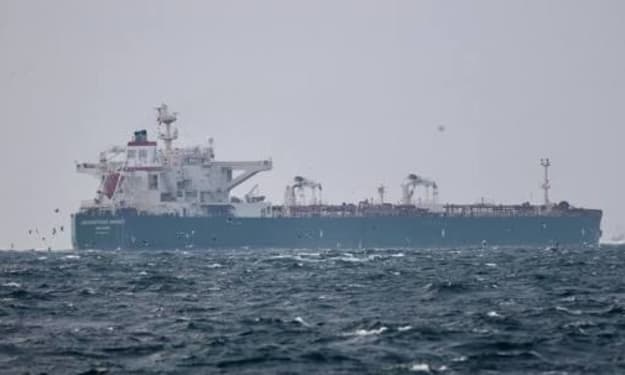
Iran’s seizure of a commercial tanker in the Middle East Gulf has once again brought the fragile security of one of the world’s most critical waterways into sharp focus. The incident, which reportedly involved a foreign-linked vessel transiting near Iranian-controlled waters, has sparked international concern, reignited diplomatic tensions, and raised fears over the stability of global energy supplies. The Middle East Gulf is a lifeline for global trade, especially oil and gas. Any disruption in this region reverberates far beyond local politics, affecting fuel prices, shipping insurance costs, and geopolitical alliances. What Happened in the Gulf? According to regional reports, Iranian naval forces intercepted and seized a tanker while it was navigating the Gulf. Iranian authorities claimed the action was taken in response to alleged legal violations, including maritime infractions and failure to comply with regional regulations. However, details surrounding the vessel’s ownership, cargo, and destination remain contested. International observers note that tanker seizures in the Gulf often occur amid broader political disputes, rather than purely legal disagreements. The lack of transparency surrounding such incidents tends to fuel speculation and heighten mistrust between Iran and Western-aligned nations. Why the Middle East Gulf Matters The Middle East Gulf handles nearly a fifth of the world’s oil supply. Tankers passing through this narrow maritime corridor are essential to global energy markets. Even a single seizure can disrupt shipping schedules, raise freight costs, and cause oil prices to spike. Because of its strategic importance, the Gulf has long been a flashpoint for military encounters, diplomatic standoffs, and economic pressure tactics. Iran’s actions in these waters are therefore closely monitored by regional rivals and global powers alike. A Pattern of Maritime Pressure This latest seizure is not an isolated incident. Over the past several years, Iran has repeatedly targeted commercial vessels during periods of heightened political tension, particularly in response to sanctions or military pressure. Analysts believe tanker seizures serve multiple purposes for Tehran. They project strength domestically, signal defiance to adversaries, and create leverage in diplomatic negotiations. By controlling access to vital shipping lanes, Iran reminds the world of its ability to disrupt global trade if its interests are ignored. At the same time, such actions risk escalating conflicts that could spiral beyond control. International Reactions and Diplomatic Fallout The seizure has drawn swift reactions from several governments, with calls for the immediate release of the tanker and assurances of safe navigation in international waters. Maritime security organizations have urged shipping companies to exercise caution and review routes passing near Iranian-controlled zones. Western nations argue that such actions undermine international maritime law and threaten freedom of navigation. Iran, however, maintains that it is acting within its rights and defending its sovereignty. This clash of narratives highlights a broader struggle over who controls the rules in contested waters—and whose interpretation of international law prevails. Economic and Energy Market Impact Even before official responses are finalized, the economic consequences are already being felt. Shipping insurers tend to raise premiums following such incidents, increasing costs for traders and consumers alike. Energy markets react quickly to perceived risks in the Gulf. A prolonged standoff or further seizures could drive oil prices upward, adding pressure to already strained global economies. For countries dependent on Gulf energy exports, stability in these waters is not just a regional issue—it is a global necessity. Risks of Escalation Security experts warn that repeated maritime confrontations increase the risk of miscalculation. A single incident involving armed escorts, miscommunication, or aggressive maneuvers could escalate into a broader military confrontation. Naval forces from multiple countries operate in and around the Gulf, making coordination complex and mistakes potentially disastrous. While all sides publicly emphasize restraint, the margin for error remains dangerously thin. What Happens Next? The future of the seized tanker will likely depend on behind-the-scenes diplomacy. Past incidents have often been resolved through negotiations, prisoner exchanges, or indirect agreements facilitated by third parties. However, each new seizure chips away at trust and makes peaceful resolution more difficult. Long-term stability in the Gulf will require clearer maritime rules, consistent enforcement of international law, and renewed diplomatic engagement. Conclusion Iran’s seizure of a tanker in the Middle East Gulf is more than a maritime incident—it is a reminder of how vulnerable global trade and energy supplies remain to geopolitical conflict. As tensions rise, the international community faces a critical challenge: ensuring freedom of navigation while preventing escalation in one of the world’s most volatile regions. How this incident is resolved may shape not only Gulf security, but the future balance of power in international waters.
By Fiaz Ahmed Brohi24 days ago in The Swamp


Comments
There are no comments for this story
Be the first to respond and start the conversation.