Fiaz Ahmed Brohi
Bio
I am a passionate writer with a love for exploring and creating content on trending topics. Always curious, always sharing stories that engage and inspire.
Stories (633)
Filter by community
Will Saudi Arabia Succeed in Turning Its Vast Desert Landscape Green by Planting 10 Billion Trees?. AI-Generated.
Saudi Arabia, a nation synonymous with sweeping deserts and arid landscapes, has launched one of the most ambitious environmental projects in modern history: planting 10 billion trees across its territory. This initiative, part of the broader Saudi Green Initiative, aims to combat climate change, reduce carbon emissions, and create a more sustainable environment. But as the kingdom embarks on this colossal task, experts are questioning the feasibility of turning deserts into thriving green spaces. The Vision Behind the Project The Saudi Green Initiative, announced in 2021, is a cornerstone of the nation’s environmental strategy. Its goals are ambitious: reduce carbon emissions by more than 4 percent of global levels, restore degraded lands, and plant billions of trees by 2030. The 10-billion-tree plan specifically targets desert regions, urban areas, and degraded land, aiming to increase greenery and biodiversity while mitigating the effects of climate change. Prince Abdulaziz bin Salman, Saudi Arabia’s Minister of Energy, emphasized, “Planting trees is not just about beautification; it is a strategic move to reduce carbon, conserve water, and restore ecosystems in one of the harshest climates on Earth.” The Challenges of Desert Afforestation While the goal is inspiring, the task is daunting. Saudi Arabia’s desert landscape poses unique challenges for tree planting: Extreme Temperatures: The desert experiences scorching heat during the day and cold nights. Most traditional tree species struggle to survive in such extreme conditions. Scarce Water Supply: Trees need water to survive, and Saudi Arabia relies heavily on desalinated water and underground aquifers. Large-scale irrigation could strain already limited water resources. Soil Quality: Desert soils are often sandy and lack the nutrients necessary for most plants, requiring soil enrichment or innovative planting techniques. To overcome these obstacles, Saudi Arabia is exploring drought-resistant species and innovative irrigation techniques, such as drip irrigation and hydroponic methods, which minimize water usage while maximizing survival rates. Lessons from Global Green Projects Saudi Arabia is not alone in its ambition to green deserts. Similar projects around the world provide both inspiration and cautionary tales: China’s “Great Green Wall”: China has planted billions of trees to combat desertification in the Gobi Desert. While some areas saw success, others experienced high tree mortality due to unsuitable species and water shortages. Africa’s Great Green Wall: African nations aim to restore 100 million hectares of degraded land. While progress has been made, experts note that long-term success depends on community involvement, proper maintenance, and sustainable water management. These examples highlight a crucial point: planting trees is only the first step. Maintenance, irrigation, and ecological planning are essential to ensure that planted trees survive and thrive. Potential Environmental and Economic Benefits If successful, Saudi Arabia’s project could yield enormous environmental benefits: Carbon Sequestration: Trees absorb CO2, which could help the kingdom reduce its carbon footprint and combat global warming. Temperature Regulation: Green spaces can moderate local temperatures, reducing urban heat islands and making cities more livable. Biodiversity: Afforestation can create habitats for native species, enhancing ecological balance in arid regions. Economically, the project could generate employment in tree planting, irrigation, and environmental management, while also promoting tourism in newly green areas. Furthermore, it may enhance Saudi Arabia’s global image as a leader in environmental innovation and sustainability. Criticism and Skepticism Despite its promise, the initiative has faced criticism. Environmentalists caution that 10 billion trees in a desert may be more symbolic than practical, emphasizing that survival rates may be low without consistent water and soil management. Critics also warn that focusing solely on tree planting could divert attention from other crucial climate solutions, such as renewable energy expansion and reducing fossil fuel dependence. Moreover, some experts argue that indigenous plants and native species may be better suited to thrive in desert conditions than imported tree species. Successful desert greening often requires a mix of native flora, soil restoration, and water-efficient technology rather than large-scale monoculture planting. The Road Ahead Saudi Arabia’s ambitious plan reflects a bold vision for a greener future. However, turning deserts into forests is not simply a matter of planting billions of trees—it requires long-term planning, scientific research, and careful resource management. Success will depend on factors such as: Selecting species that can survive in arid climates Developing sustainable water solutions Engaging local communities in maintenance Integrating ecological and economic planning If these elements align, Saudi Arabia could set a precedent for desert afforestation worldwide. If not, the project may become a cautionary tale of ambition colliding with environmental realities. Conclusion Saudi Arabia’s plan to plant 10 billion trees is a monumental undertaking, reflecting both the urgency of climate action and the kingdom’s aspiration to transform its environment. While challenges are significant—extreme heat, water scarcity, and harsh soil conditions—the potential benefits of a greener Saudi Arabia are enormous, from carbon reduction to biodiversity restoration. The initiative’s success will not be measured simply by the number of trees planted but by the resilience, sustainability, and ecological impact of those trees in the years to come. Whether Saudi Arabia can turn its deserts green remains uncertain, but the effort marks a historic attempt at large-scale environmental transformation, one that could inspire similar projects across the world.
By Fiaz Ahmed Brohi2 months ago in The Swamp
Ten Years After Ending Its ‘One-Child’ Policy, China’s Push for More Babies Isn’t Winning Citizens Over. AI-Generated.
A decade has passed since China officially ended its controversial one-child policy, a strict measure that shaped generations and restricted families from having more than one child. In 2016, authorities announced the two-child policy, and more recently, even relaxed restrictions to allow three children per family. Yet, despite these efforts, the nation’s population growth continues to falter, as citizens remain reluctant to expand their families. The Legacy of the One-Child Policy China’s one-child policy, introduced in 1979, was aimed at curbing rapid population growth that threatened economic stability and environmental sustainability. While it succeeded in slowing population expansion, it created deep societal effects. Many urban couples today, shaped by decades of state-imposed family planning, have internalized small-family norms. Even after policy relaxations, the psychological and financial habits formed over a generation are hard to undo. The mindset of limiting family size has persisted, with many young couples preferring one child—or sometimes none—despite government encouragement. Incentives Aren’t Enough The Chinese government has introduced a range of incentives to boost fertility, including extended maternity leave, subsidies for childcare, tax deductions, and housing benefits. Some cities have gone further, offering cash rewards or monthly allowances for families who have more children. However, these measures are struggling to achieve the desired effect. Urban couples cite soaring living costs, expensive education, and competitive job markets as significant barriers to having more children. Housing prices in major cities like Beijing and Shanghai make it financially daunting for families to accommodate additional children. The rising costs of healthcare and early education further reinforce the reluctance to expand families. Zhang Wei, a 32-year-old software engineer in Shanghai, says, “Even with government incentives, it’s not just money. It’s time, energy, and work pressure. Raising a child here is exhausting. Two seems impossible for most young couples.” Changing Social Attitudes Beyond economics, social and cultural attitudes are shifting. Many young Chinese adults prioritize career growth, personal freedom, and lifestyle choices over starting large families. Delayed marriages and later childbirth are becoming common, further reducing fertility rates. Research indicates that the ideal family size among Chinese urban couples is just one child. This preference reflects long-term adaptation to the one-child policy and broader global trends where urbanization and modern lifestyles correlate with smaller family sizes. Women’s empowerment also plays a role. More women are pursuing higher education and professional ambitions, often postponing childbearing or choosing fewer children. While policies aim to reduce the burden of parenting, entrenched societal norms and workplace pressures continue to influence personal decisions. Demographic and Economic Consequences China’s declining birth rate has significant implications for the country’s future. A shrinking workforce threatens economic growth, reduces consumer demand, and places greater strain on social security systems. The aging population is growing faster than the younger generation, creating an imbalance that could challenge healthcare systems and pension schemes. The National Bureau of Statistics reported a record low in births in 2023, signaling that policy adjustments alone may be insufficient. Economists warn that without addressing structural issues—such as cost of living, childcare, and workplace flexibility—China’s demographic crisis may continue. Lessons from Other Countries China is not alone in facing declining fertility. South Korea, Japan, and many European nations have struggled to increase birth rates despite generous incentives. The experience shows that financial support alone cannot reverse deeply ingrained social and economic pressures. Comprehensive measures, including cultural shifts, gender equality in parenting, and work-life balance, are essential. Government Response and Challenges Ahead In response to the persistent low fertility, Chinese authorities are expanding family-friendly policies and promoting societal campaigns emphasizing the value of children. Yet, experts suggest that reversing decades of population control will be an uphill battle. Long-term cultural change, coupled with structural reforms in housing, healthcare, and workplace practices, will be necessary to persuade citizens to have larger families. Political analyst Li Hong argues, “The government can’t force fertility. Incentives help, but unless society addresses the real challenges—economic pressures, career demands, urban living costs—birth rates will remain low. It’s a multifaceted problem requiring patience and creativity.” Conclusion Ten years after ending its one-child policy, China faces a critical demographic dilemma. Despite policy relaxations and financial incentives, citizens are not convinced to have more children. The combination of economic pressures, modern lifestyles, and long-standing cultural norms has created a population landscape resistant to change. China’s efforts highlight the complex interplay between government policy, social attitudes, and personal choices. As the nation grapples with an aging population and slowing workforce growth, policymakers may need to think beyond incentives, addressing the structural and cultural factors that truly influence family decisions. Only a holistic approach, balancing economic, social, and personal considerations, may eventually lead to a meaningful increase in fertility.
By Fiaz Ahmed Brohi2 months ago in The Swamp
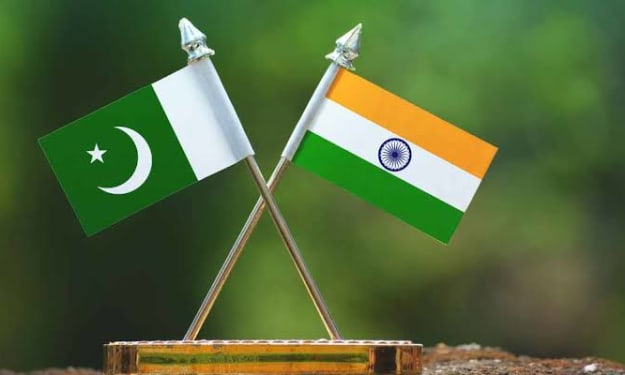
India, Pakistan Exchange Lists of Nuclear Installations, Prisoners. AI-Generated.
In a significant development for bilateral diplomacy, India and Pakistan have exchanged lists of nuclear installations and prisoners, reaffirming commitments to long-standing agreements on nuclear safeguards and prisoner welfare. This exchange, while largely procedural, reflects ongoing efforts by both nations to maintain communication channels despite persistent political tensions and regional security challenges. Nuclear Installations: Maintaining Strategic Transparency The exchange of nuclear installation lists between India and Pakistan is conducted under the 1988 Agreement on the Prohibition of Attack against Nuclear Installations and Facilities. This pact, aimed at preventing escalation during conflict, mandates that both countries provide updated information on their nuclear facilities to avoid misunderstandings or accidental targeting. Officials from both sides confirmed that the lists include all operational nuclear plants, research facilities, and missile-related installations. While details remain classified for security reasons, the move serves as a crucial confidence-building measure. Analysts note that maintaining transparency around nuclear sites reduces the risk of miscalculation in periods of tension and ensures compliance with international non-proliferation norms. Dr. Arvind Mishra, a strategic affairs expert, commented, “Even though India and Pakistan have had tense relations, this routine exchange demonstrates a shared understanding of the catastrophic consequences of nuclear escalation. It’s a procedural step, but an essential one for regional stability.” Prisoner Exchange: Humanitarian and Diplomatic Dimensions Alongside nuclear transparency, the two nations also submitted updated lists of prisoners held in each other’s custody. This is part of longstanding agreements allowing for the identification and repatriation of individuals detained during cross-border incidents, including fishermen and civilians inadvertently caught near contested borders. The prisoner exchange is often viewed as a humanitarian gesture, providing relief to families on both sides. While India and Pakistan have historically had disputes over territorial and security issues, these exchanges underscore a commitment to adhering to bilateral agreements even amid political friction. An official statement from the Indian Ministry of External Affairs emphasized, “The sharing of prisoner lists reflects our continued focus on humanitarian concerns and legal obligations. We remain committed to facilitating the return of individuals as per agreed protocols.” Implications for India-Pakistan Relations Though largely routine, these exchanges carry broader strategic implications. They signal that despite rhetoric and border tensions, formal communication channels remain functional. Confidence-building measures such as nuclear transparency and prisoner lists reduce the potential for misjudgments and demonstrate adherence to international norms. Experts note that such procedural steps are especially critical in the context of the India-Pakistan relationship, which has been shaped by historical conflicts, territorial disputes, and nuclear deterrence. Dr. Sarah Khan, a South Asia policy analyst, remarked, “These exchanges show that both nations recognize the need for stability in an inherently volatile region. Even small measures like updating nuclear site lists are vital for preventing inadvertent escalation.” International Perspective The international community often views these exchanges as positive steps towards maintaining peace in South Asia, a region with two nuclear-armed neighbors. Organizations such as the United Nations and the International Atomic Energy Agency (IAEA) have consistently encouraged transparency measures, considering them essential for reducing global nuclear risks. Additionally, humanitarian organizations monitor prisoner exchanges closely, advocating for the timely release and fair treatment of detainees. Ensuring that lists are accurate and up-to-date is crucial for maintaining trust and protecting the rights of affected individuals. Challenges and Criticism Despite the positive aspects, critics argue that such exchanges, while necessary, are insufficient to address the deeper political issues between India and Pakistan. Border skirmishes, disputes over Kashmir, and other strategic disagreements continue to strain relations. Analysts caution that without broader dialogue on core issues, these measures serve only as temporary mitigations rather than long-term solutions. Moreover, concerns about the welfare of prisoners remain, particularly regarding conditions of detention, legal representation, and the speed of repatriation. Human rights groups have repeatedly called on both nations to enhance transparency and ensure the humane treatment of all detainees. Conclusion The exchange of nuclear installation and prisoner lists between India and Pakistan is a small but meaningful step in maintaining dialogue and preventing misunderstandings. While largely procedural, these measures reflect adherence to international norms, demonstrate a commitment to humanitarian obligations, and provide a framework for confidence-building in an otherwise tense bilateral relationship. As regional and global observers watch closely, it becomes clear that consistent communication, transparency, and adherence to agreements—no matter how routine—remain essential for stability between these two nuclear-armed neighbors. While much work remains to resolve underlying conflicts, such exchanges represent a pragmatic approach to reducing risk and fostering a measure of trust in South Asia’s complex geopolitical landscape.
By Fiaz Ahmed Brohi2 months ago in The Swamp
Government to Defend Decision to Strip Begum's UK Citizenship. AI-Generated.
The United Kingdom finds itself at the center of renewed debate over citizenship, national security, and human rights as the government prepares to defend its controversial decision to strip Shamima Begum of her British nationality. Begum, who left the UK as a teenager to join the so-called Islamic State (IS) in Syria, has become a lightning rod for discussions on security, morality, and legal boundaries, and the latest government action has reignited both public and legal scrutiny. Background: Begum's Departure and Controversy Shamima Begum, then a 15-year-old schoolgirl from London, traveled to Syria in 2015, where she married an IS fighter and lived in territories under extremist control. Her departure and subsequent lifestyle in a conflict zone drew widespread condemnation in the UK. When she was discovered in a refugee camp in Syria in 2019, Begum expressed a desire to return to the UK, claiming her circumstances and radicalization had changed. The government, citing national security concerns, argued that her return posed a potential threat to the public. Consequently, authorities revoked her UK citizenship, asserting that she was eligible for Bangladeshi nationality through her parents, though Bangladesh later refused her entry. This decision has faced multiple legal challenges, raising questions about the balance between security and human rights. Government’s Position The UK Home Office has consistently argued that revoking Begum’s citizenship was necessary to protect national security. Officials contend that individuals who join extremist organizations voluntarily pose significant risks upon return, including radicalization of others, espionage, or participation in terrorist activities. Recent statements indicate that the government will continue to defend this stance in court, emphasizing that it is within the state’s right to revoke citizenship when public safety is at stake. Officials also highlight that the government is not leaving Begum stateless in violation of international law, as she retains eligibility for Bangladeshi nationality—though her ability to exercise this right remains contested. Legal Challenges and Human Rights Debate Begum’s legal team has argued that stripping her citizenship violates both British and international law, including protections against rendering someone stateless. They maintain that the government’s decision disproportionately punishes her for actions committed as a minor and undermines principles of rehabilitation and reintegration. Human rights advocates have weighed in, arguing that the move sets a concerning precedent. If governments can revoke citizenship in cases involving ideological crimes or associations, critics fear that it could be used against other vulnerable individuals, including political dissidents or young citizens influenced by radical networks. Public Opinion and Media Coverage The Begum case has polarized public opinion in the UK. Some view her as a traitor who willingly joined a terrorist organization and deserves no protection or support from the state. Others highlight her age at the time of departure and argue for a more nuanced approach, focusing on rehabilitation and accountability rather than permanent exclusion. Media coverage has amplified both perspectives, fueling debates about national security, morality, and the state’s role in safeguarding both public safety and individual rights. The government’s defense of its actions is likely to remain in the spotlight as the case continues through legal and public scrutiny. International Implications The Begum case is not only a domestic issue but also has international ramifications. Countries across Europe and beyond have faced similar dilemmas with citizens who joined extremist groups abroad. How the UK resolves this case could influence policies in other nations, particularly regarding the treatment of foreign fighters and the legal frameworks for revoking citizenship. The Path Forward As the government prepares to defend its decision in court, the case will test the limits of national security powers, human rights law, and public opinion. Legal experts anticipate that the courts will need to carefully balance security concerns with the principles of justice and human rights protections, particularly given Begum’s age at the time of her radicalization. Regardless of the outcome, the case underscores the continuing challenges that states face in managing the fallout from international terrorism, the return of foreign fighters, and the complexities of citizenship in a globalized world. Conclusion The government’s decision to strip Shamima Begum of her UK citizenship highlights the tension between national security imperatives and human rights protections. By defending this decision, officials signal that they prioritize public safety, while critics warn of the legal and ethical implications. As court proceedings unfold, the case will likely continue to spark debate across the UK and internationally, reflecting the difficult choices governments must make in an era of global terrorism and political uncertainty.
By Fiaz Ahmed Brohi2 months ago in The Swamp
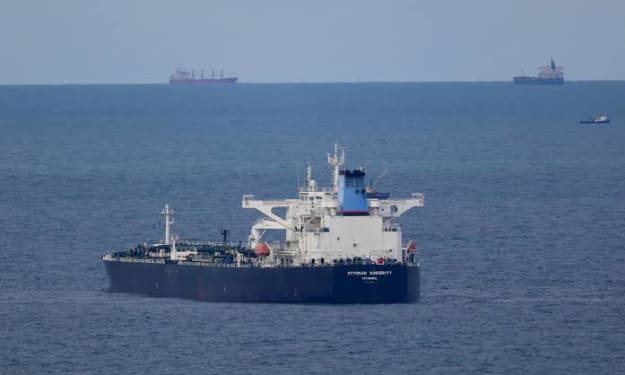
Oil Tanker Fleeing the Coast Guard Now Listed in Russian Ship Database. AI-Generated.
In an era of heightened geopolitical tension, sanctions enforcement, and maritime surveillance, the world’s oceans have become a stage for complex power plays. One such episode that has recently drawn international attention involves an oil tanker that reportedly fled a coast guard operation and was later listed in a Russian ship database. This unusual sequence of events has sparked questions about maritime law, sanctions evasion, and the shadowy networks that operate across global shipping routes. A Dramatic Encounter at Sea According to reports, the oil tanker was initially spotted behaving suspiciously in waters monitored by a coast guard force. When authorities attempted to approach the vessel for inspection, the tanker allegedly altered its course and fled, triggering a pursuit. Such incidents are not entirely uncommon, especially in regions where sanctions enforcement, smuggling, or illegal oil transfers are suspected. However, what sets this case apart is what happened next. After the tanker vanished from active pursuit, maritime analysts noticed that the vessel later appeared in a Russian ship database. This development immediately raised eyebrows among international observers, as ship registries are critical tools for identifying ownership, flag state, and legal responsibility under international maritime law. Why Ship Databases Matter Ship databases and registries play a vital role in global shipping. Every commercial vessel is typically registered under a flag state, which determines the laws it must follow and which country holds jurisdiction over it. Being listed in a database is not merely a clerical detail; it shapes how a ship is tracked, insured, inspected, and held accountable. The appearance of the tanker in a Russian ship database has fueled speculation about whether the vessel changed its registration, ownership structure, or operational cover. In recent years, such changes have often been associated with efforts to bypass sanctions, obscure oil origins, or continue trade under restrictive international conditions. Sanctions, Oil, and the “Shadow Fleet” The global oil trade has become increasingly politicized, particularly following major conflicts and the imposition of sanctions on energy-exporting nations. To adapt, a so-called “shadow fleet” of tankers has emerged—ships that frequently change names, flags, and ownership to avoid detection and restrictions. Analysts suggest that the tanker’s sudden appearance in a Russian database could indicate an attempt to integrate into this parallel system. These vessels often operate with limited transparency, turning off tracking systems, engaging in ship-to-ship transfers, and navigating legal grey zones. While not all such actions are illegal, they raise concerns about environmental risks, safety standards, and financial transparency. Russia’s Role and Global Reactions Russia remains a major player in global energy markets, despite sanctions and political pressure. The inclusion of the tanker in a Russian ship database does not automatically prove wrongdoing, but it does highlight how national registries can become part of broader geopolitical narratives. Western governments and maritime watchdogs have increasingly focused on monitoring shipping data, satellite imagery, and registry changes to enforce sanctions effectively. Incidents like this one reinforce calls for stronger international cooperation, standardized reporting, and tighter oversight of ship registries worldwide. Legal and Environmental Concerns Beyond politics, there are practical risks involved. Tankers operating outside transparent regulatory frameworks may not adhere to strict safety or environmental standards. Oil spills, collisions, and mechanical failures at sea can have devastating consequences, especially if responsibility is difficult to establish due to unclear ownership or flag status. International maritime law relies heavily on clarity—knowing who owns a ship, who insures it, and which country enforces rules. When vessels appear to “disappear” and re-emerge under different registries, that clarity erodes, increasing risks for coastal states and global trade alike. A Sign of a Changing Maritime Landscape This incident is emblematic of a broader shift in how global shipping operates under pressure. As sanctions regimes expand and enforcement tightens, more vessels may attempt to navigate alternative paths through regulatory systems. For governments, this presents a challenge: how to maintain open trade routes while preventing illicit activity and ensuring safety at sea. For the public, stories like this offer a glimpse into the hidden mechanics of global commerce—where oil tankers, databases, and coast guards intersect with geopolitics and power. Conclusion The case of the oil tanker fleeing the coast guard and later appearing in a Russian ship database is more than a maritime curiosity. It reflects the growing complexity of global shipping in a divided world, where data, jurisdiction, and accountability are constantly in flux. As nations grapple with sanctions, security, and energy needs, the oceans remain a critical—and contested—space where these struggles quietly unfold.
By Fiaz Ahmed Brohi2 months ago in The Swamp
"Zelensky says peace deal is 90% ready in New Year address". AI-Generated.
As the world stepped into a new year marked by uncertainty and ongoing conflicts, Ukrainian President Volodymyr Zelensky delivered an address that stood out for its cautious optimism. In his New Year speech, Zelensky claimed that a potential peace deal to end the war is “90% ready,” signaling what could be the most significant diplomatic development since the conflict began. His words immediately drew global attention, raising hopes while also prompting questions about what peace might realistically look like for Ukraine and the wider region. Zelensky’s statement comes after years of relentless fighting that has reshaped Ukraine’s cities, economy, and society. The war has caused immense human suffering, displaced millions, and destabilized global energy and food markets. Against this backdrop, even a hint of progress toward peace carries enormous weight. By declaring that negotiations are nearly complete, Zelensky appeared to send a message not only to Ukrainians but also to international partners who have supported the country militarily, financially, and diplomatically. In his address, Zelensky emphasized that peace would not mean surrender or forgetting the sacrifices made by Ukrainian soldiers and civilians. Instead, he framed the potential deal as one rooted in sovereignty, security, and long-term stability. According to him, Ukraine’s core red lines remain intact, including territorial integrity and guarantees that future aggression will be prevented. This framing suggests that while compromises may be part of diplomacy, Ukraine is determined to protect its fundamental national interests. The claim that a deal is “90% ready” also highlights how complex and fragile peace negotiations can be. The remaining 10%, though numerically small, often represents the most contentious issues—such as territorial control, security guarantees, reconstruction responsibilities, and accountability for war crimes. History shows that many peace efforts fail at the final stage, when trust is lowest and political pressure is highest. Zelensky’s words therefore balance hope with realism, acknowledging progress without declaring victory prematurely. International reactions to the statement have been mixed but attentive. Allies in Europe and beyond welcomed the hopeful tone, while stressing that any agreement must be just and sustainable. Many governments have reiterated that peace should not reward aggression or set a dangerous precedent for future conflicts. At the same time, there is growing fatigue among global audiences, who have watched the war drag on with no clear end in sight. Zelensky’s message may serve to renew diplomatic energy at a moment when momentum is badly needed. Domestically, the New Year address carried emotional significance. For Ukrainians who have lived through air raids, blackouts, and personal loss, the possibility of peace offers a rare moment of relief. Zelensky used his speech to honor fallen soldiers, thank frontline workers, and acknowledge the resilience of ordinary citizens. By tying the peace process to national unity and sacrifice, he sought to reassure the public that their struggles have not been in vain. However, skepticism remains. Critics argue that peace announcements can sometimes be strategic, aimed at boosting morale or influencing international opinion rather than reflecting concrete progress. Others warn that even if a deal is close, its implementation could be fraught with challenges. Ceasefire violations, political opposition, and shifting military realities could all derail the process. Zelensky himself hinted at these risks, noting that peace is not a single document but a long-term commitment requiring vigilance. The broader implications of a near-ready peace deal extend beyond Ukraine. A resolution could reshape European security, influence global alliances, and affect energy and economic stability worldwide. For many countries, the war has become a symbol of the struggle between international law and the use of force. How it ends will likely shape global politics for years to come. As the new year unfolds, Zelensky’s words stand as both a promise and a test. They offer hope to a war-weary nation and a watching world, while underscoring the hard work still required to turn diplomacy into lasting peace. Whether the final 10% can be resolved will determine if this New Year address is remembered as a turning point—or simply another moment of cautious optimism in a long and painful conflict.
By Fiaz Ahmed Brohi2 months ago in The Swamp
"France defends decision to grant George Clooney and his family French citizenship amid criticism". AI-Generated.
Conclusion: More Than a Celebrity Story Ultimately, the controversy surrounding George Clooney’s French citizenship is less about one actor and more about how nations balance law, values, and public perception. France’s defense of its decision underscores its commitment to republican principles, even in the face of criticism. Whether the debate fades or reshapes future discussions on citizenship, one thing is clear: in a globalized world, the intersection of fame, law, and national identity will continue to provoke strong opinions—and France is not backing down from its interpretation of what it means to belong.France has found itself at the center of an unusual but revealing debate after defending its decision to grant French citizenship to Hollywood star George Clooney and his family. What might have been a quiet administrative move instead sparked criticism, social media backlash, and political commentary, forcing French officials to publicly justify the decision. The controversy highlights deeper questions about national identity, celebrity privilege, and how modern nations balance openness with public sentiment.
By Fiaz Ahmed Brohi2 months ago in The Swamp
Ikkis': Meet Brigadier Khwaja Mohammed Naseer; Pakistani army officer played by Jaideep Ahlawat in Sriram Raghavan directorial Dharmendra’s last film. AI-Generated.
Sriram Raghavan’s upcoming film Ikkis is already generating conversation, not for spectacle or box-office hype, but for the depth of its characters and the weight of its legacy. Among the most intriguing elements of the film is the portrayal of Brigadier Khwaja Mohammed Naseer, a Pakistani army officer brought to life by Jaideep Ahlawat. In a story that also marks Dharmendra’s last on-screen appearance, Ikkis promises to be a reflective, character-driven cinematic experience that looks beyond borders and binaries. Unlike conventional war films that rely heavily on action and nationalist rhetoric, Ikkis is being positioned as a human story set against the backdrop of conflict. Brigadier Khwaja Mohammed Naseer is not introduced as a stereotypical antagonist. Instead, he is written as a professional soldier shaped by duty, history, and personal conviction. This nuanced approach is very much in line with Sriram Raghavan’s storytelling style, where moral ambiguity often replaces clear-cut heroes and villains. Jaideep Ahlawat’s casting has been widely appreciated, and for good reason. Known for his intense screen presence and ability to convey complexity through subtle expressions, Ahlawat is well-suited to portraying a high-ranking military officer from across the border. His performance reportedly focuses on restraint rather than aggression, making Brigadier Naseer a character defined by internal conflict as much as external circumstance. For audiences used to loud, one-dimensional portrayals of military figures, this represents a refreshing shift. The character of Brigadier Naseer also serves a larger narrative purpose. By presenting a Pakistani officer with depth and dignity, Ikkis challenges the audience to rethink how “the other side” is usually depicted in Indian cinema. The film does not dilute patriotism; instead, it reframes it by acknowledging that soldiers on all sides are shaped by similar values—discipline, sacrifice, and loyalty—while being trapped in opposing national narratives. At the heart of Ikkis is Dharmendra, whose final film adds an emotional layer to the project. A legend whose career spans generations, Dharmendra’s presence gives the film a sense of closure and reverence. His performance is said to be understated, relying more on silence and reflection than dramatic monologues. In this context, characters like Brigadier Naseer become essential mirrors, reflecting the shared humanity that transcends uniforms and flags. Sriram Raghavan’s direction further elevates the material. Known for thrillers with sharp edges, he reportedly adopts a calmer, more contemplative tone in Ikkis. The focus is on conversations, glances, and moments of moral reckoning rather than large-scale set pieces. Brigadier Naseer’s character fits seamlessly into this vision, becoming a symbol of the unspoken cost of decades-long hostility. What makes Ikkis particularly relevant today is its timing. In an era of heightened polarization, films that dare to humanize the “enemy” often face scrutiny. Yet, they are also the ones that leave a lasting impact. By including a character like Brigadier Khwaja Mohammed Naseer, the film invites viewers to engage with discomfort, empathy, and complexity—qualities often missing from mainstream war narratives. For Jaideep Ahlawat, Ikkis represents another milestone in a career defined by unconventional choices. Playing a Pakistani brigadier in a film headlined by Dharmendra is both a challenge and an opportunity. Early reactions suggest that his performance avoids caricature, focusing instead on quiet authority and emotional intelligence. Ultimately, Ikkis is not just about history or conflict; it is about perspective. Brigadier Khwaja Mohammed Naseer stands as a reminder that behind every uniform is a human being shaped by circumstances beyond their control. As Dharmendra bids farewell to cinema, the film leaves audiences with a thoughtful message: understanding does not weaken a nation—it deepens it. For Vocal Media readers, Ikkis offers more than film news. It offers a conversation about storytelling, courage, and the power of cinema to bridge divides, even if only for a few meaningful hours on screen.
By Fiaz Ahmed Brohi2 months ago in Geeks
Finnish Police Seize Ship Suspected of Sabotaging Undersea Cable: A Growing Threat Beneath the Seas. AI-Generated.
Finnish police have seized a ship suspected of sabotaging an undersea cable, raising fresh alarms across Europe about the vulnerability of critical underwater infrastructure. The incident, unfolding in the strategically sensitive Baltic Sea region, has once again highlighted how modern conflicts are increasingly moving beyond land, air, and cyberspace—into the depths of the ocean. Undersea cables are essential to global connectivity. They carry internet traffic, financial transactions, military communications, and energy flows between nations. Despite their enormous importance, these cables remain largely invisible and difficult to monitor, making them an attractive target for covert operations. The Finnish case underscores just how exposed these systems are in an era of rising geopolitical tension. What Happened? According to Finnish authorities, the vessel was operating near a vital undersea cable when damage was detected. While officials have stopped short of publicly confirming deliberate sabotage, the ship’s movements reportedly raised serious suspicions. As a result, Finnish police seized the vessel to secure evidence and question the crew as part of an ongoing criminal investigation. Maritime and technical experts are now examining whether the damage was caused accidentally—such as by an anchor or fishing equipment—or whether it was intentional. Investigators are focusing on navigation data, onboard equipment, and the timeline of the ship’s presence in the area to determine responsibility. Why Undersea Cables Matter More than 95 percent of the world’s data travels through undersea cables. These cables form the backbone of modern economies, enabling everything from online banking and emergency services to cloud computing and international trade. A single damaged cable can disrupt communications across multiple countries, causing financial losses and public inconvenience within hours. In regions like the Baltic Sea, the stakes are even higher. The area contains a dense network of data cables, power links, and energy pipelines connecting Northern and Eastern Europe. Any interference with this infrastructure can have cascading effects far beyond national borders. A Security Issue, Not Just an Accident Finnish officials have emphasized that potential sabotage of undersea infrastructure is treated as a national security issue. Finland, which recently joined NATO, has taken a particularly firm stance on protecting its territorial waters and strategic assets. The seizure of the ship signals that authorities are willing to act decisively when suspicious activity is detected. Security analysts note that undersea cable sabotage fits into a broader pattern of “hybrid warfare,” where states or non-state actors use covert, deniable actions to pressure rivals without triggering open conflict. Because cable damage can often be blamed on accidents, attribution becomes difficult, allowing perpetrators to operate in a legal and diplomatic gray zone. Rising Tensions in the Baltic Sea The Baltic Sea has become a hotspot for security concerns since the Russia-Ukraine war began. Several unexplained incidents involving pipelines and cables in recent years have increased anxiety among European governments. While no direct link has been established between this case and any specific country, the timing has heightened regional alertness. NATO and European Union members are closely watching Finland’s investigation. Any evidence suggesting deliberate sabotage could have far-reaching diplomatic consequences and prompt stronger collective security measures. Calls for Better Protection The incident has renewed calls for enhanced monitoring of undersea infrastructure. Experts argue that governments have long underestimated the risks because these assets are hidden from public view and costly to patrol. Proposed solutions include increased naval surveillance, underwater drones, satellite tracking of vessel movements, and closer intelligence sharing among allied nations. There is also growing debate about international law. Existing maritime conventions provide limited protection for undersea cables, but enforcement remains weak—especially in international waters. Cases like this may push policymakers to strengthen legal frameworks and penalties for interference with critical seabed infrastructure. A Wake-Up Call for the Digital Age For most people, undersea cables are out of sight and out of mind—until something goes wrong. Internet outages, disrupted payments, or communication failures quickly reveal how dependent modern life is on fragile systems lying on the ocean floor. Whether the Finnish investigation ultimately confirms sabotage or not, the message is clear: undersea infrastructure can no longer be treated as a low-risk asset. As geopolitical rivalries intensify, the battle for security is increasingly being fought in places the public rarely sees. The seizure of the suspected ship marks more than just a police action—it is a warning that the next front line of global security may lie deep beneath the waves.
By Fiaz Ahmed Brohi2 months ago in The Swamp
Iran Protesters Try to Break Into Government Building as Demonstrations Continue. AI-Generated.
Iran has once again become the center of global attention as protesters reportedly attempted to break into a government building amid continuing nationwide demonstrations. The incident highlights the growing tension between Iranian authorities and citizens who are increasingly vocal about political, economic, and social grievances. While protests are not new to Iran, the latest developments suggest a deeper level of frustration and a willingness among demonstrators to directly challenge state institutions. A Nation Under Pressure The current wave of protests in Iran is unfolding against a backdrop of severe economic strain, political discontent, and social restrictions. Years of international sanctions, high inflation, unemployment, and currency devaluation have eroded living standards for millions of Iranians. For many, daily survival has become a struggle, fueling anger toward government leadership and institutions seen as unresponsive to public needs. In recent weeks, demonstrations have spread across multiple cities, with crowds gathering in public squares, streets, and near official buildings. Slogans reportedly chanted by protesters reflect demands for accountability, economic relief, and greater personal freedoms. What makes the latest incident significant is the reported attempt by demonstrators to force their way into a government facility—an act that symbolizes a shift from protest to direct confrontation. The Incident at the Government Building According to reports circulating on social media and regional outlets, a group of protesters gathered outside a government building, pushing past security barriers and clashing with law enforcement. While it remains unclear how close they came to entering the facility, the attempt itself marks an escalation in protest tactics. Security forces reportedly responded swiftly, dispersing crowds using force and making arrests. Iranian authorities have not released detailed official statements, but state-linked media have characterized the protesters as instigators or foreign-influenced agitators—a narrative frequently used during periods of unrest. For protesters, however, the act appears to be driven by desperation rather than coordination. Many participants are said to be ordinary citizens—workers, students, and retirees—who feel excluded from political decision-making and unheard by those in power. Why Protests Keep Resurfacing Iran’s protest movements tend to emerge in cycles, often triggered by specific events such as fuel price hikes, controversial policies, or high-profile deaths. Yet beneath each trigger lies a consistent pattern: deep-rooted dissatisfaction with governance, economic management, and civil liberties. Young people play a particularly prominent role in these demonstrations. With a large youth population facing limited job prospects and strict social controls, frustration has been steadily building. Social media has amplified these voices, allowing protesters to organize quickly and share images that counter official narratives. Women have also been at the forefront, challenging laws and norms they view as restrictive and discriminatory. Their visible participation has added symbolic weight to the protests and drawn international attention. Government Response and Risks Ahead The Iranian government has historically relied on a combination of security crackdowns, arrests, and information control to contain protests. Internet restrictions, surveillance, and warnings against participation are commonly deployed tools. While such measures may suppress demonstrations in the short term, analysts argue they do little to address the underlying causes. The attempt to breach a government building raises concerns about what comes next. If protesters increasingly target symbols of state power, the risk of violent escalation grows. This could lead to harsher crackdowns, more casualties, and deeper polarization between the state and society. At the same time, continued unrest poses challenges for Iran’s leadership on the international stage. Ongoing protests complicate diplomatic efforts, economic planning, and regional strategy, especially as Iran navigates strained relations with Western countries and ongoing regional tensions. The Human Cost of Prolonged Unrest Beyond politics, the protests carry a heavy human toll. Families face uncertainty as loved ones are detained, injured, or disappear from public view. Businesses suffer disruptions, and ordinary life becomes unstable. Yet despite these risks, many Iranians continue to protest, signaling how strongly they feel about the issues at stake. For some, the demonstrations are not just about immediate grievances but about dignity, voice, and the future of the country. The willingness to confront authority—even symbolically—reflects a belief that silence is no longer an option. A Turning Point or Another Cycle? Whether the latest protests mark a turning point or another chapter in Iran’s recurring unrest remains uncertain. Much will depend on how authorities respond in the coming weeks and whether any meaningful reforms or concessions are offered. What is clear is that the attempt to storm a government building underscores the depth of public anger and the fragile relationship between the state and its citizens. As demonstrations continue, Iran stands at a critical moment—caught between maintaining control and addressing the demands of a population that is increasingly unwilling to back down.
By Fiaz Ahmed Brohi2 months ago in The Swamp
EU’s Top Diplomat Rejects Russian Claims of Ukrainian Attack on Government Sites. AI-Generated.
In the latest chapter of the ongoing Russia-Ukraine conflict, the European Union’s top diplomat has publicly rejected Russian claims that Ukrainian forces carried out attacks on government sites in Russian-controlled regions. The statement, coming from Josep Borrell, the EU’s High Representative for Foreign Affairs and Security Policy, underscores the growing tensions between Brussels and Moscow and highlights the broader battle over truth, propaganda, and international perception in the conflict. Russia has repeatedly accused Ukraine of targeting government infrastructure in areas under its control, presenting these allegations as evidence of Kyiv’s “aggression.” These claims were prominently circulated through Russian state media, including RT and TASS, often accompanied by images and footage purportedly showing damage to administrative buildings. However, Borrell and EU officials argue that these reports are unsubstantiated and likely part of a coordinated campaign to shape public perception both domestically and internationally. Speaking at a press briefing in Brussels, Borrell stated, “We have no independent verification that Ukraine has carried out attacks on the government facilities in these areas. The evidence presented by Russian authorities is not credible and appears to be aimed at justifying further military escalation.” This rejection marks a firm stance by the EU, reinforcing its support for Ukraine while also emphasizing the importance of accurate information amid wartime propaganda. The diplomatic tension comes at a critical moment as the conflict enters its third year, with both sides heavily engaged in military and informational warfare. Russia’s attempts to portray Ukraine as the aggressor in occupied territories are part of a broader strategy to legitimize its own military presence and to rally domestic support amid mounting economic sanctions and international criticism. Meanwhile, the EU continues to serve as a key mediator and supporter of Ukraine, providing military aid, economic assistance, and political backing to counterbalance Moscow’s influence. Analysts note that the rejection of Russian claims by the EU also reflects a strategic effort to maintain the credibility of international institutions. By challenging unverified narratives, the EU aims to prevent the normalization of misinformation as a tool of modern warfare. “In conflicts like this, information can be as potent as weapons,” says Dr. Elena Markov, a European security analyst. “Disinformation campaigns shape public opinion, influence policy decisions, and can even affect military strategy. The EU’s public dismissal of these Russian claims is a critical move to protect the integrity of information.” The situation on the ground remains volatile. Ukrainian forces continue to defend strategic regions, while Russia has intensified its military operations in contested areas. Civilian populations in conflict zones face immense challenges, including disruptions to essential services, the threat of bombardment, and limited access to humanitarian aid. Against this backdrop, the battle over narratives becomes particularly significant, influencing international support, the framing of peace negotiations, and public sentiment in Europe and beyond. Beyond the immediate conflict, the episode raises questions about the role of diplomacy and international oversight in wartime reporting. With both sides using media to further strategic goals, third-party verification becomes essential. Organizations like the United Nations, the Organization for Security and Co-operation in Europe (OSCE), and independent journalists play a crucial role in confirming events and providing neutral assessments. Borrell’s comments implicitly highlight the need for such oversight, emphasizing that unilateral claims, especially from parties engaged in conflict, cannot be accepted at face value. The EU’s firm response also sends a clear message to Moscow: attempts to manipulate the narrative will not go unchallenged. By publicly rejecting Russian claims, the bloc reinforces its position as a defender of international norms, including sovereignty, accountability, and the rule of law. This stance resonates strongly with member states, many of which have been directly impacted by the geopolitical and economic repercussions of the Russia-Ukraine war. As the conflict continues, the interplay between military operations and information campaigns is likely to intensify. For the EU and its allies, the challenge will be to balance the need for timely interventions with careful scrutiny of the facts, ensuring that diplomatic efforts are grounded in verified evidence rather than manipulated narratives. The rejection of Russian claims over Ukrainian attacks is not just a diplomatic statement—it is part of a broader strategy to maintain clarity, support Ukraine, and resist the spread of disinformation that could destabilize Europe and the wider international community. In summary, the EU’s top diplomat’s dismissal of Moscow’s allegations reflects both a commitment to Ukraine and a broader recognition of the dangers posed by misinformation in modern conflict. As the war continues to unfold, the battle over truth, perception, and credibility remains as critical as any military engagement, shaping the course of international policy and the future of European security.
By Fiaz Ahmed Brohi2 months ago in The Swamp
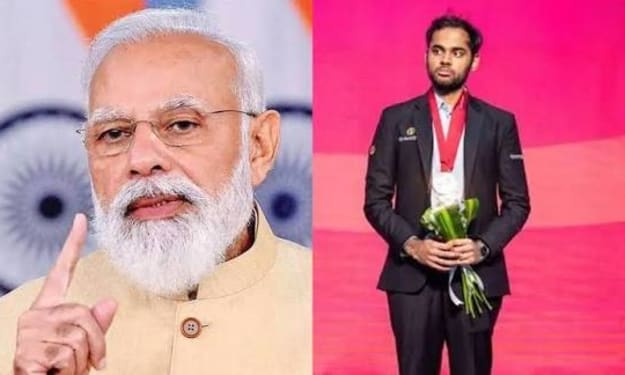
Skills, Patience and Passion Exemplary”: PM Narendra Modi Hails Arjun Erigaisi’s World Blitz Bronze. AI-Generated.
India’s growing presence on the global chess stage received another powerful boost as Prime Minister Narendra Modi praised young grandmaster Arjun Erigaisi for his bronze medal performance at the World Blitz Championship. Calling his achievement a reflection of “skills, patience and passion,” the Prime Minister’s words resonated far beyond a congratulatory message—they highlighted a broader story of India’s chess renaissance and the mindset shaping a new generation of champions. A Historic Moment for Indian Chess Arjun Erigaisi’s bronze medal in one of the world’s most competitive chess formats marks a significant milestone. Blitz chess, known for its lightning-fast pace and unforgiving time controls, tests not just technical knowledge but mental agility, emotional control, and instinct. In a format where games are decided in minutes and a single mistake can be fatal, consistency at the top level is rare. Arjun’s podium finish against a field stacked with elite grandmasters from across the globe underlines his ability to thrive under pressure. It also reinforces India’s reputation as a chess powerhouse that now produces world-class players across all formats—classical, rapid, and blitz. PM Modi’s Message: More Than Praise Prime Minister Modi’s message stood out because it went beyond the usual congratulations. By emphasizing skills, patience, and passion, he touched upon the core values required for excellence not only in chess but in life. Skills reflect years of disciplined training, opening preparation, and tactical sharpness. Patience is vital in chess, especially in high-stakes tournaments where emotional control determines outcomes. Passion fuels the long hours of study, losses, and relentless competition that define a professional chess career. The Prime Minister’s recognition sends a strong signal: intellectual sports like chess are integral to India’s sporting identity, not just physical disciplines. Arjun Erigaisi: A Symbol of the New Generation At just over 20 years old, Arjun Erigaisi represents a fearless, modern generation of Indian chess players. Unlike earlier eras, where Indian players were exceptions on the world stage, today’s young grandmasters grow up competing internationally from a very early age. Arjun’s playing style mirrors this shift. He is known for aggressive opening choices, deep preparation, and a willingness to take risks even against top-ranked opponents. In blitz chess especially, his confidence and speed give him an edge, allowing him to convert small advantages into wins within seconds. India’s Chess Boom: A Perfect Storm Arjun’s success is not an isolated event. Over the past decade, India has witnessed an unprecedented chess boom driven by several factors: Strong Role Models – Legends like Viswanathan Anand paved the way, proving that Indian players could dominate globally. Digital Learning – Online platforms, engines, and global tournaments have made high-level training accessible. Supportive Ecosystem – Increased backing from sponsors, federations, and now political leadership has legitimized chess as a career path. Young Talent Pool – India consistently produces teenage grandmasters who challenge established stars. PM Modi’s public acknowledgment adds another layer of encouragement, motivating parents and young players alike to view chess as a respected pursuit. Blitz Chess: The Ultimate Test of Nerves What makes Arjun’s bronze medal particularly impressive is the nature of blitz chess itself. Unlike classical chess, where players have hours to think, blitz demands instant decision-making. There is no time to second-guess, no room for hesitation. Success in blitz requires: Exceptional pattern recognition Fast calculation under stress Emotional resilience after quick losses Physical stamina over long sessions Arjun’s ability to stay composed and competitive throughout the tournament highlights his maturity and mental strength—qualities often associated with far more experienced players. Inspiration Beyond the Board Achievements like this extend their impact beyond the chessboard. For students, Arjun’s journey reinforces the value of concentration and strategic thinking. For young athletes, it shows that global success is possible without fitting traditional sports stereotypes. And for India as a nation, it strengthens the narrative of excellence in knowledge-driven disciplines. PM Modi’s praise amplifies this message, positioning chess as a symbol of India’s intellectual capital and global competitiveness. Looking Ahead With a World Blitz bronze medal added to his growing list of accomplishments, Arjun Erigaisi’s trajectory points firmly upward. As he continues to compete in elite tournaments, expectations will rise—but so will opportunities. If nurtured correctly, talents like Arjun could soon challenge for world titles, further cementing India’s dominance in modern chess. And with leaders openly celebrating such achievements, the future of Indian chess looks sharper, faster, and brighter than ever.
By Fiaz Ahmed Brohi2 months ago in The Swamp