Fiaz Ahmed Brohi
Bio
I am a passionate writer with a love for exploring and creating content on trending topics. Always curious, always sharing stories that engage and inspire.
Stories (633)
Filter by community
Europe Has ‘Lost the Internet,’ Warns Belgium’s Cybersecurity Chief: A Wake-Up Call for the Digital Age. AI-Generated.
Europe’s digital backbone is under strain, and the warning could not be starker. Belgium’s cybersecurity chief has cautioned that Europe has, in effect, “lost the internet”—a provocative phrase that captures a deeper reality: the continent no longer controls critical parts of the digital infrastructure it relies on daily. From cloud services and social platforms to undersea cables and data centers, Europe’s dependence on foreign technology has grown so pervasive that its digital sovereignty is increasingly fragile.
By Fiaz Ahmed Brohi2 months ago in The Swamp
Several Killed as Iran Protests Over Rising Cost of Living Spread. AI-Generated.
Iran has once again been shaken by widespread protests as anger over the rising cost of living spills onto the streets, leaving several people dead and many more injured or detained. The demonstrations, which began in response to economic hardship, have rapidly spread across multiple cities, highlighting deep frustration among ordinary Iranians struggling to cope with inflation, unemployment, and declining living standards.
By Fiaz Ahmed Brohi2 months ago in The Swamp
US Says Chinese Military Drills Around Taiwan Cause Unnecessary Tensions. AI-Generated.
In the latest escalation of military tensions in the Asia-Pacific region, the United States has condemned China’s recent military drills near Taiwan, calling them provocative and unnecessarily escalating regional tensions. The drills, which involve live-fire exercises and simulated strikes against Taiwan, have raised alarms not only within Taiwan itself but also across the global community, particularly in Washington. Context Behind the Drills The Chinese military drills were initiated as a response to Taiwan’s increased engagement with the United States and other international allies. Beijing views Taiwan as a breakaway province and has long expressed its intent to reunite Taiwan with mainland China, by force if necessary. The island, however, operates as a de facto independent nation with its own government and economy, a status that China strongly opposes. Taiwan's growing international relations, particularly with the US, have led to heightened concerns in Beijing. The recent drills are seen as part of a broader strategy to intimidate Taiwan and to showcase China’s military capabilities. They come at a time when the US has continued to bolster its defense commitment to Taiwan, including arms sales and diplomatic support. US Reaction: A Call for Stability The US government has consistently expressed its commitment to supporting Taiwan's sovereignty and security. The US is bound by the Taiwan Relations Act, which obligates it to assist Taiwan in maintaining its defense capabilities, although it does not formally recognize Taiwan as a separate nation. The US State Department condemned China’s military maneuvers, describing them as an "unnecessary escalation" that undermines peace and stability in the region. A senior US official pointed out that such military exercises are designed to increase fear and anxiety among the Taiwanese population, sending a clear message of military coercion. The Pentagon issued a statement stating, “China’s actions near Taiwan only exacerbate the tensions and instability in the region. These provocations are counterproductive and only strengthen Taiwan's resolve to preserve its democracy and independence.” A Response to Increased US-Taiwan Relations Beijing has long viewed Taiwan as part of its sovereign territory, and the growing military relationship between the US and Taiwan has become one of the most contentious issues in the Taiwan Strait. Over the last few years, Taiwan’s strategic importance has only grown in the eyes of the US, especially in the context of rising Chinese influence in the Indo-Pacific region. The military drills can be seen as a direct response to the increased US involvement in Taiwan's security. In the past year alone, Taiwan has secured advanced weaponry from the US, including missiles, fighter jets, and radar systems. Furthermore, senior US politicians and military officials have made frequent visits to Taipei, signaling robust diplomatic and military support. In response, China has ramped up its military presence around Taiwan, conducting several rounds of live-fire drills and air incursions. These actions, according to the US, are meant to provoke instability and intimidate Taiwan into submission. The US has emphasized the importance of dialogue and peaceful resolution to avoid further conflict. Taiwan’s Position: Sovereignty and Security Taiwan has been a consistent and vocal advocate for its sovereignty and independence, stressing that its people should have the right to determine their own future. Taiwanese officials have reiterated that they seek peace and stability in the region but will not yield to external pressures or military intimidation. Taiwan's President Tsai Ing-wen has called on China to “cease military threats and focus on dialogue.” At the same time, she affirmed that Taiwan would strengthen its military capabilities to defend itself in the face of rising threats. Taiwan’s Ministry of Defense issued a statement confirming that it is closely monitoring China’s military activities and maintaining a high level of readiness. “We will continue to safeguard Taiwan’s sovereignty and territorial integrity while avoiding unnecessary provocations,” the Ministry said. International Reactions: A Broader Concern The increasing military presence in the Taiwan Strait has triggered concerns beyond the US and Taiwan. Countries in the Indo-Pacific region, including Japan, South Korea, and Australia, have expressed growing concerns over the stability of the Taiwan Strait and the potential for conflict in the area. These nations are increasingly wary of China’s growing military assertiveness and the potential ramifications of a conflict over Taiwan. Furthermore, the European Union (EU) has also voiced its concerns about the rising tensions. In a recent statement, EU officials called for calm and urged China to avoid military escalation. They emphasized the importance of diplomatic dialogue and respect for international law. The Bigger Picture: US-China Rivalry The ongoing military standoff in the Taiwan Strait is part of a larger geopolitical competition between the US and China, which is intensifying as both nations vie for dominance in the Indo-Pacific region. The US has long maintained that it has a strategic interest in the region and that Taiwan’s security is integral to regional stability. The situation reflects the broader US-China rivalry, with Taiwan being a focal point in this strategic competition. While both countries have at times engaged in diplomatic dialogue, their differing positions on Taiwan continue to pose a significant risk to regional security. The Path Forward As tensions continue to mount, experts agree that the risk of miscalculation is high. Military exercises, such as China’s recent drills around Taiwan, can inadvertently lead to conflict, especially in an area as sensitive as the Taiwan Strait. The US and its allies will likely continue to bolster their military presence in the region, while China will likely press forward with its efforts to assert control over Taiwan. For now, the focus remains on reducing tensions and ensuring that diplomacy and dialogue remain at the forefront of efforts to resolve the situation. However, with both sides entrenched in their positions, finding a path to lasting peace remains a significant challenge.
By Fiaz Ahmed Brohi2 months ago in The Swamp
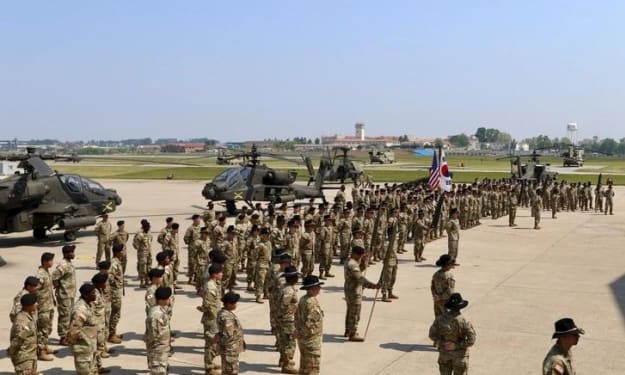
U.S. Army Squadron in Korea Deactivated Amid Concerns About Potential Troop Cuts. AI-Generated.
The recent deactivation of a U.S. Army squadron stationed in South Korea has sparked concerns about the future of U.S. military presence in the region, as well as the strategic implications of such a move. While the U.S. government has presented this action as part of routine military restructuring, many experts and analysts are interpreting it as an indication of potential reductions in U.S. military personnel stationed in South Korea. This development comes at a time of growing uncertainty in the region, with rising tensions between the U.S. and North Korea, as well as the evolving geopolitical dynamics surrounding China. Background: The Deactivation of the Squadron In late December 2025, the U.S. Army’s 2nd Armored Brigade Combat Team (ABCT), part of the 1st Armored Division, was deactivated after nearly two decades of service in South Korea. This marks a significant shift in the U.S. military’s posture in the region, especially as the Korean Peninsula remains a high-stakes area in terms of security concerns. The 2nd ABCT was a key component of the U.S. military’s presence in South Korea, responsible for ensuring readiness to counter any potential aggression from North Korea. The unit had a critical role in deterring North Korean provocations, as well as providing rapid response capabilities in the event of a military conflict on the peninsula. South Korea has been home to a significant U.S. military presence since the Korean War, with tens of thousands of U.S. troops stationed in the country as part of the U.S.-South Korea alliance. This military presence has played a crucial role in maintaining stability in the region, as well as serving as a deterrent against potential North Korean aggression. The Strategic Implications The decision to deactivate the squadron comes amid growing concerns over the evolving geopolitical landscape in Asia. The U.S. has been gradually shifting its military focus towards countering China’s growing influence in the Indo-Pacific region, particularly in the South China Sea. As part of this shift, the U.S. military has been reassessing its military deployments and strategic posture in various regions, including the Korean Peninsula. The U.S. has made efforts to modernize its military presence in South Korea, focusing on enhancing the capabilities of remaining troops and ensuring that the forces stationed there are able to quickly respond to any emerging threats. However, many analysts see the deactivation of the squadron as part of a broader strategy to reduce the U.S. military footprint in the region, as troop reductions have been discussed in previous defense budget proposals. One possible reason for the reduction in the U.S. military presence in South Korea is the changing nature of North Korea’s military capabilities. While the North Korean regime has continued to test nuclear and missile technology, its military capabilities are not as advanced as those of the U.S. and South Korean forces. This has led some experts to question whether a large U.S. military presence is still necessary on the peninsula. Additionally, the evolving relationship between the U.S. and South Korea has likely contributed to the decision to reduce the squadron. Under President Yoon Suk-yeol, South Korea has emphasized a stronger role in its own defense, seeking to take on a more active role in countering North Korea’s threats. The growing capabilities of the South Korean military and its greater emphasis on self-defense may have led to the reassessment of the U.S. military’s role in the region. Concerns Over Potential Troop Cuts While the deactivation of the 2nd ABCT squadron is being described as a “routine” military adjustment, many experts are concerned about the potential broader implications. The reduction of U.S. forces in South Korea could signal the beginning of a more substantial shift in U.S. military presence on the peninsula. Critics have expressed concerns that such reductions could embolden North Korea, as the U.S. military has long been seen as a key deterrent against Pyongyang’s aggressive actions. The presence of U.S. forces in South Korea has helped maintain peace on the peninsula for decades, and a reduction in that presence could be interpreted by North Korea as a sign of diminishing U.S. commitment to the alliance. Additionally, there is concern that reduced troop levels in South Korea could undermine U.S. credibility in the region. U.S. allies in the Indo-Pacific, particularly Japan and South Korea, may worry that the U.S. is pulling back from its traditional role as the security guarantor in the region, making it harder to counter the growing influence of China and North Korea. The U.S. Response and Future Plans The U.S. government has emphasized that the decision to deactivate the squadron is part of an ongoing effort to modernize and optimize military capabilities in the region. The U.S. Department of Defense has stated that the reduction of the squadron will be balanced by increased reliance on advanced technologies, including missile defense systems, cyber capabilities, and air superiority. Moreover, the U.S. has reaffirmed its commitment to defending South Korea in the event of an armed conflict, with the American government pledging to maintain a “robust and flexible” military presence in the region. The deactivation of the 2nd ABCT squadron does not mean the U.S. is abandoning its security obligations to South Korea, but rather reflecting a strategic shift toward more efficient and flexible defense capabilities. Conclusion As the deactivation of the 2nd ABCT squadron in South Korea sets the stage for further potential adjustments to the U.S. military presence on the Korean Peninsula, concerns over the future of U.S.-South Korea relations and regional security are likely to grow. While the U.S. continues to invest in modernizing its defense capabilities, the question remains whether the reduced troop presence will undermine its deterrence strategy or if South Korea’s increased military capabilities can pick up the slack. In the coming years, it will be crucial for both the U.S. and South Korea to maintain a strong partnership and ensure that the region remains stable in the face of growing challenges from North Korea and other geopolitical threats. The U.S. military's ongoing role in East Asia, particularly on the Korean Peninsula, will continue to evolve, with the deactivation of the 2nd ABCT squadron serving as a potential precursor to a larger reorientation of U.S. forces in the region.
By Fiaz Ahmed Brohi2 months ago in The Swamp
Two Ship Crew Members Arrested in Finland Over Baltic Sea Cable Damage. AI-Generated.
The arrest of two ship crew members in Finland over damage to undersea cables in the Baltic Sea has intensified global concerns about the vulnerability of critical maritime infrastructure. As nations increasingly rely on underwater cables for electricity, internet connectivity, and secure communications, even a single incident can have far-reaching geopolitical and economic consequences. What Happened in the Baltic Sea? Finnish authorities confirmed the arrest of two crew members from a foreign-flagged vessel suspected of being involved in damage to subsea infrastructure in the Baltic Sea. The incident came to light after disruptions were detected in underwater cables that play a vital role in regional communications and energy transmission between Northern European countries. Investigators believe the damage occurred during routine maritime activity, but the circumstances raised enough suspicion to warrant criminal investigation. The arrested crew members are reportedly being questioned over potential negligence, violation of maritime safety laws, or deliberate interference with protected infrastructure. Why Undersea Cables Matter Underwater cables form the backbone of modern civilization. Over 95% of global internet traffic travels through subsea fiber-optic cables, while power cables beneath the sea connect national grids and ensure energy security. The Baltic Sea, in particular, hosts a dense network of cables linking Finland, Sweden, Estonia, Germany, and other European nations. Any damage—intentional or accidental—can disrupt communications, affect financial markets, delay emergency services, and raise national security alarms. This is why undersea cable protection has become a strategic priority for governments worldwide. Finland’s Response and Legal Action Finland has taken a firm stance by swiftly detaining the suspects and launching a full investigation. Authorities emphasized that while maritime accidents do happen, the protection of critical infrastructure cannot be taken lightly. Finnish law allows for arrests when there is reasonable suspicion of criminal responsibility, even if intent has not yet been proven. Officials are also cooperating with international partners to determine whether the incident has cross-border implications. Given the shared nature of Baltic Sea infrastructure, neighboring countries are closely monitoring the investigation. Accidental Damage or Something More? One of the central questions surrounding the case is whether the cable damage was accidental or deliberate. Ships can sometimes damage undersea cables through anchor dragging or improper navigation, especially in congested waters like the Baltic Sea. However, recent global tensions have increased scrutiny over any such incidents. In recent years, several countries have reported unexplained damage to subsea cables and pipelines, fueling concerns about sabotage, hybrid warfare, and covert operations. While no conclusions have been drawn in the Finnish case, the arrests reflect heightened vigilance rather than an assumption of guilt. Rising Global Concern Over Maritime Infrastructure The Baltic Sea incident is part of a broader global trend. Governments and security experts are increasingly warning that underwater infrastructure is one of the most exposed elements of national security. Unlike land-based systems, subsea cables are difficult to monitor continuously and costly to repair. As geopolitical rivalries intensify, protecting these assets has become as important as defending airspace or borders. NATO and European Union members have already begun discussing enhanced surveillance, stricter maritime regulations, and improved information-sharing to prevent future incidents. Impact on Shipping and Crew Accountability The arrests also send a clear message to the global shipping industry: accountability at sea is tightening. Ship operators are expected to adhere strictly to navigation protocols, especially in sensitive zones marked by underwater infrastructure. Crew members now face greater legal responsibility, not only for safety at sea but also for the protection of invisible assets beneath it. Training, route planning, and compliance with maritime warnings are becoming more critical than ever. Legal and Diplomatic Implications If the investigation finds negligence or misconduct, the case could result in fines, imprisonment, or broader legal action against the vessel’s operators. If international involvement is suspected, diplomatic discussions may follow. At the same time, Finland has been careful to emphasize due process, underscoring that arrests are part of an investigation—not a verdict. This balanced approach aims to uphold the rule of law while maintaining regional stability. A Wake-Up Call for the World The Baltic Sea cable damage serves as a reminder that modern infrastructure extends far beyond what we can see. Beneath calm waters lie systems that keep societies connected, economies running, and governments functioning. As investigations continue, the case is likely to influence future maritime policies and international cooperation on infrastructure protection. Whether the damage proves accidental or intentional, the message is clear: undersea cables are no longer out of sight—or out of mind. Final Thoughts The arrest of two ship crew members in Finland highlights the growing intersection of maritime activity, national security, and global connectivity. In an age where digital and energy lifelines run beneath the oceans, safeguarding them has become a shared global responsibility. The outcome of this case may well shape how nations protect their underwater arteries in the years to come.
By Fiaz Ahmed Brohi2 months ago in The Swamp
New Year Drone Strike Kills 24 in Russian-Occupied Ukraine, Moscow Says. AI-Generated.
The new year began with renewed violence in Ukraine as a drone strike reportedly killed at least 24 people in Russian-occupied territory, according to statements from Moscow. The incident underscores a grim reality: despite seasonal hopes for ceasefires or diplomacy, the war continues to claim lives on both sides, even as the calendar turns. Russian authorities said the strike targeted a civilian area during New Year celebrations, calling it one of the deadliest drone attacks in recent months in occupied regions. Ukraine has not officially commented on the specific claims, while independent verification remains difficult due to restricted access and competing narratives from both sides. A War That Refuses to Pause For civilians living in occupied areas, the New Year attack reflects a familiar and devastating pattern. Holidays that once symbolized family, renewal, and peace have become periods of heightened fear. Air raid sirens, blackouts, and explosions have replaced fireworks and celebrations across much of the region. The reported drone strike is part of a broader escalation in the use of unmanned aerial systems by both Russia and Ukraine. Drones have become a defining feature of this conflict, used for surveillance, targeting, and increasingly, long-range strikes. Their relatively low cost and high impact have reshaped modern warfare—often at the expense of civilians caught in the middle. Moscow’s Claims and the Information War Russia described the strike as a deliberate attack on civilians, accusing Ukraine of violating international humanitarian norms. Such claims are not new. Throughout the war, both sides have repeatedly accused each other of targeting civilian infrastructure and population centers. However, verifying casualty figures and responsibility remains challenging. Independent journalists and international observers have limited access to Russian-controlled areas, making it difficult to confirm Moscow’s version of events. This information vacuum has become a battleground of its own, where narratives are weaponized alongside missiles and drones. Ukraine, for its part, has consistently stated that its military operations focus on legitimate military targets and logistics hubs, particularly in occupied territories. Kyiv argues that Russia often embeds military assets near civilian areas, increasing the risk of collateral damage. The Human Cost in Occupied Territories Regardless of responsibility, the human toll is undeniable. Civilians in occupied regions face a double burden: exposure to active hostilities and limited access to independent media, humanitarian aid, and evacuation routes. Many residents live under constant surveillance, with restricted movement and fear of reprisals. The New Year strike reportedly hit during a time when families were gathered indoors, amplifying its impact. Emergency services in occupied zones often struggle with shortages of equipment, trained personnel, and safe access to damaged areas, delaying rescue and medical care. As the war stretches into another year, fatigue is setting in—not only among soldiers, but also among civilians who see no clear end to the violence. Drones and the Evolution of the Conflict The increasing reliance on drones highlights how the war has evolved. Once seen primarily as reconnaissance tools, drones are now capable of delivering precise—and sometimes devastating—strikes deep behind front lines. Their use blurs traditional battlefields, bringing warfare closer to civilian life. Experts warn that drone warfare lowers the threshold for attacks, making it easier for conflicts to escalate. Unlike large missile systems, drones can be deployed quickly and frequently, increasing the risk of miscalculation and unintended casualties. The New Year incident may further intensify calls for stronger international rules governing drone use in armed conflicts—though enforcement remains a major challenge. International Reaction and Diplomatic Stalemate So far, international reactions have been muted, reflecting a broader diplomatic stalemate. While Western allies continue to support Ukraine militarily and financially, Russia remains defiant, framing the war as an existential struggle against external pressure. Human rights organizations have repeatedly urged all parties to protect civilians and allow independent investigations into alleged war crimes. However, with trust between the sides at rock bottom, meaningful cooperation appears unlikely. As 2026 begins, prospects for peace remain uncertain. Previous attempts at negotiations have failed, and battlefield dynamics continue to shift without delivering decisive outcomes. A Bleak Start to a New Year The reported drone strike serves as a stark reminder that time alone does not heal conflicts. Each new year adds another chapter of loss, displacement, and trauma for millions of Ukrainians and Russians alike. For families mourning loved ones lost in the latest attack, political statements and strategic debates offer little comfort. Their grief is immediate and personal—another entry in a growing ledger of wartime suffering. Conclusion Whether the full details of the New Year drone strike are ever independently verified, the incident reinforces a painful truth: the Russia-Ukraine war shows no sign of slowing. As drones buzz over contested skies and civilians bear the consequences, hopes for peace feel increasingly distant. Until diplomacy finds a way forward, the new year in Ukraine looks heartbreakingly similar to the last—marked not by celebration, but by survival.
By Fiaz Ahmed Brohi2 months ago in The Swamp
People Who Stay Physically Fit as They Get Older, Even Without Exercising Much, Usually Adopt These 10 Daily Habits. AI-Generated.
Staying fit and healthy as we age is a challenge many people struggle with, especially when life gets busy and time for structured exercise becomes scarce. Yet, some older adults seem to maintain remarkable physical health without dedicating hours to the gym or strict workout routines. What sets these individuals apart isn’t just genetics—it’s their daily habits. Research and expert insights reveal that staying active and healthy in later years often comes down to simple, consistent lifestyle choices that anyone can adopt. Here are 10 daily habits commonly observed in people who remain fit and healthy as they age, even without heavy exercise: 1. They Keep Moving Throughout the Day While they may not hit the treadmill or lift weights regularly, these individuals rarely stay sedentary. Walking to the store, taking stairs instead of elevators, gardening, or even performing household chores keeps their muscles active and metabolism steady. Movement throughout the day often proves more effective for long-term fitness than a single intense workout session. 2. They Prioritize Quality Sleep Sleep is often underestimated, yet it’s essential for physical and mental health. Fit older adults ensure they get 7–9 hours of sleep each night, which helps with muscle recovery, hormone regulation, and maintaining a healthy weight. They also maintain consistent sleep schedules, even on weekends. 3. They Eat Mindfully Maintaining fitness isn’t just about calorie counting; it’s about the quality of food. Those who stay fit tend to eat nutrient-dense meals, rich in fruits, vegetables, whole grains, and lean proteins. They avoid processed foods and excess sugar and listen to their bodies, eating until they’re satisfied, not stuffed. 4. They Stay Hydrated Many people underestimate the power of water. Adequate hydration supports metabolism, keeps joints lubricated, aids digestion, and even improves cognitive function. Older adults who remain healthy typically consume water consistently throughout the day rather than drinking large amounts sporadically. 5. They Maintain Strong Social Connections Social interaction is surprisingly linked to physical health. Older adults with active social lives often remain more mobile and engaged, reducing the risk of depression, sedentary habits, and cognitive decline. Walking with friends, attending community events, or simply chatting with neighbors all contribute to overall wellness. 6. They Incorporate Small Strength Challenges Even without formal weight training, fit individuals engage in light resistance activities. Carrying groceries, climbing stairs, or doing simple bodyweight movements like squats or push-ups keeps muscles strong and bones healthy. Strength is key to maintaining mobility and reducing injury risk as we age. 7. They Practice Good Posture and Mobility Habits Remaining physically fit includes maintaining flexibility and balance. Daily stretching, yoga, or simple posture-focused exercises prevent stiffness, improve circulation, and help reduce falls. Many fit seniors incorporate these practices naturally into their routines without formal classes. 8. They Prioritize Mental Health Physical fitness is closely tied to mental well-being. People who remain healthy often manage stress effectively through meditation, hobbies, reading, or spending time outdoors. Lower stress levels reduce inflammation and support heart and immune health. 9. They Avoid Harmful Habits A common trait among fit older adults is their avoidance of smoking, excessive alcohol, and other detrimental habits. They understand that long-term health is cumulative and that small negative behaviors can offset years of otherwise healthy living. 10. They Keep a Sense of Purpose Finally, maintaining a reason to get up each day—whether volunteering, caring for family, or pursuing a hobby—encourages movement, mental stimulation, and social interaction. People with purpose tend to remain active and engaged physically, mentally, and socially. Why These Habits Work The beauty of these habits lies in their simplicity and consistency. You don’t need to follow an intense gym regimen or strict diet to maintain fitness. Instead, adopting small, sustainable routines over time—like taking stairs, walking daily, or preparing home-cooked meals—creates cumulative benefits. Research consistently shows that older adults who stay active through lifestyle habits rather than structured workouts often enjoy longer lifespans, lower disease risk, and better quality of life. Tips to Implement These Habits Start small: Incorporate short walks, light stretching, or mini strength exercises into your daily routine. Make meals colorful and balanced: Aim for variety with fruits, vegetables, proteins, and whole grains. Schedule social and physical activities: Treat them as essential appointments. Track progress: Journaling or using apps can motivate consistent movement and healthy eating. In conclusion, staying physically fit as you age doesn’t necessarily require hours at the gym. It’s about embedding movement, mindful eating, hydration, mental health, and purpose into your daily life. By adopting these ten habits, anyone can support long-term physical and mental well-being—even without dedicated exercise sessions. The secret lies in consistency, balance, and making health a lifestyle rather than a chore.
By Fiaz Ahmed Brohi2 months ago in Longevity
Russia Downs 4,300 Ukrainian Drones in December, Setting New Record, Moscow Claims. AI-Generated.
In what Moscow is calling a major defensive achievement, Russian authorities have claimed to have shot down more than 4,300 Ukrainian drones in December alone, marking a new monthly record in the ongoing conflict between the two nations. The announcement highlights both the intensifying use of unmanned aerial vehicles (UAVs) in modern warfare and the high-stakes nature of the Russia-Ukraine war as it enters its fourth year. Russian defense officials reported that the majority of the drones destroyed were small to medium-sized UAVs used for reconnaissance, targeting, and tactical support. According to Moscow, the surge in drone activity by Ukrainian forces in December posed a significant threat to Russian military infrastructure, prompting an aggressive countermeasure. The claim of 4,300 drones neutralized is notable not only for the sheer number but also for its timing, as winter conditions in the region typically limit large-scale operations. The Ukrainian side has not independently verified the Russian claim, and analysts caution that these figures may reflect Moscow’s strategic messaging as much as battlefield reality. Drones have become a critical component of Ukraine’s military strategy, especially given the limitations imposed by Russia’s air defense systems. Small, agile, and relatively low-cost UAVs provide the Ukrainian forces with the ability to gather intelligence, conduct surveillance, and even deliver explosives in contested areas. The record number of drones reported destroyed underscores the evolving technological dimension of the conflict. Analysts say that drone warfare has become a defining feature of the Russia-Ukraine war, introducing both opportunities and vulnerabilities for each side. “The ability to deploy and counter drones effectively is now as important as traditional artillery or tank deployments,” said Dr. Elena Petrov, a military technology expert based in Moscow. “Each side is trying to gain an edge in surveillance, targeting, and battlefield awareness using these systems.” Moscow’s announcement also comes amid reports of increasing Russian investment in drone detection and neutralization technology. From electronic jamming systems to missile-based anti-drone units, Russia is deploying a multi-layered strategy to limit the impact of UAVs on its operations. Officials argue that these measures have been essential in protecting critical military and civilian infrastructure from aerial attacks. Ukraine, however, continues to emphasize the strategic value of drones. Military sources in Kyiv describe UAV operations as essential for countering Russian artillery strikes, gathering intelligence on troop movements, and maintaining situational awareness in contested regions. “Our drones provide real-time information that is crucial for both defense and tactical offensives,” a Ukrainian official stated, requesting anonymity. The use of drones has allowed Ukrainian forces to conduct precise strikes while minimizing risk to personnel, which has become increasingly vital as conventional fronts remain contested. The December drone activity reflects a broader trend in the conflict, with both sides rapidly adapting to technological warfare. Russian claims of drone losses also point to the increasing scale and intensity of operations on both sides. Analysts note that as winter weather subsides, drone activity is likely to rise, potentially leading to even higher numbers of engagements. Beyond the battlefield implications, the report also has political significance. By publicizing the destruction of 4,300 drones, Moscow aims to project strength domestically and internationally. Russian state media framed the achievement as evidence of operational superiority and technological preparedness, emphasizing the capability of Russia’s air defense systems. For Moscow, this message serves both as a morale booster for domestic audiences and as a deterrent signal to Ukrainian forces and their international supporters. However, the human cost behind these numbers remains significant. Drone operators on both sides face extreme pressure, and technical failures or losses can disrupt entire missions. Moreover, the increasing reliance on UAVs has drawn attention to the need for robust cyber defense measures, as electronic warfare can render drones ineffective or even turn them against their operators. In conclusion, Russia’s claim of downing over 4,300 Ukrainian drones in December represents a new benchmark in the ongoing technological arms race within the Russia-Ukraine conflict. While the figure has yet to be independently verified, it underscores the central role of UAVs in modern warfare and highlights the escalating sophistication of anti-drone measures. As the conflict continues, the effectiveness of drone deployment and countermeasures will remain a key factor shaping the dynamics of the battlefield.
By Fiaz Ahmed Brohi2 months ago in Journal
Mamdani Is First New York Mayor to Use the Quran at His Swearing-In. AI-Generated.
In a historic and symbolic moment, New York City inaugurated its newest mayor, Ahmed Mamdani, who chose to swear his oath of office on the Quran, making him the first mayor in the city’s history to do so. The decision reflects not only Mamdani’s personal faith but also the increasingly diverse and multicultural fabric of New York City, a metropolis renowned for its history of immigrant communities and religious pluralism. Mamdani, who took office amidst both local and national attention, emphasized the significance of this act. “Today is not just a personal moment,” he said during his inauguration ceremony. “It is a statement about the values of inclusion, representation, and respect for all faiths in the city that has always welcomed the world.” By using the Quran for his swearing-in, Mamdani highlighted the importance of acknowledging the city’s Muslim population, one of the largest in the United States, and the contributions of religious minorities to civic life. The ceremony, attended by city officials, community leaders, and members of the public, was both traditional and modern in tone. Alongside the Quran, Mamdani also displayed the United States Constitution, symbolizing the balance between personal faith and civic responsibility. This dual acknowledgment reinforced his message that public office must serve all constituents, regardless of religion or background. Historically, American leaders have sworn oaths on various texts, reflecting their personal beliefs. While the Bible has traditionally been the most common choice, public officials have used other religious texts, including the Torah and the Bhagavad Gita, to honor their faiths. Mamdani’s choice to use the Quran marks a milestone in American political history, signaling broader acceptance and representation of Muslim Americans in civic leadership. The decision was met with widespread support, particularly among New York’s Muslim communities. Local religious leaders praised the mayor for bringing visibility to their faith in a respectful and civic-minded way. Imam Yusuf Al-Karim, who attended the ceremony, remarked, “This is a proud moment for the city and for the Muslim community. It reminds us that faith and public service can coexist harmoniously, and that diversity strengthens democracy.” Mamdani’s inauguration also sparked broader conversations about the role of religion in American public life. Critics who questioned the decision were reminded of the longstanding constitutional principle of freedom of religion, which guarantees both the right to practice faith and the right to serve in public office without discrimination. By choosing the Quran, Mamdani affirmed these principles, demonstrating that religious identity need not conflict with civic duty. Beyond symbolism, the new mayor faces tangible challenges. New York City grapples with issues ranging from affordable housing and public safety to climate resilience and economic recovery. Mamdani, whose political career spans community organizing and public service, emphasized that his priorities will focus on inclusivity, social equity, and addressing systemic challenges. His swearing-in on the Quran is, therefore, both a personal reflection and a broader statement about leading a diverse city with fairness and integrity. Internationally, Mamdani’s inauguration has resonated as well. Media outlets across the globe highlighted the historic nature of the ceremony, portraying it as a milestone for Muslim representation in Western politics. Observers noted that New York City, often seen as a microcosm of global society, continues to set precedents that echo beyond its borders. The event also underscored the importance of representation in governance. For many young Muslims and other minorities in New York, seeing Mamdani assume office is a powerful affirmation that leadership roles are accessible to them. Representation, experts argue, not only inspires communities but also brings diverse perspectives to policy-making, ensuring that the needs of all citizens are considered. As Ahmed Mamdani begins his tenure, the significance of swearing the oath on the Quran will remain a symbol of inclusivity and progress. It serves as a reminder that public service can honor both personal identity and collective responsibility. In a city as diverse as New York, such gestures carry profound weight, signaling that the civic arena belongs to everyone. In conclusion, Mamdani’s historic inauguration is more than a personal milestone—it represents a broader societal shift toward embracing diversity in American leadership. His choice to use the Quran highlights the evolving narrative of inclusion, demonstrating that faith, when coupled with dedication to public service, can strengthen the democratic fabric of one of the world’s most iconic cities.
By Fiaz Ahmed Brohi2 months ago in The Swamp
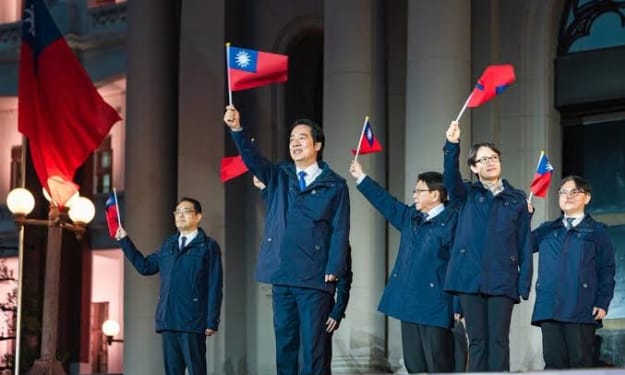
Taiwan’s President Pledges to Defend Island’s Sovereignty After China’s Military Drills. AI-Generated.
Taiwan finds itself at the center of global attention once again as President Tsai Ing-wen reaffirmed her commitment to defending the island’s sovereignty in the wake of extensive Chinese military drills in surrounding waters. The maneuvers, which involved dozens of warships, fighter jets, and missile tests, were framed by Beijing as “routine exercises,” but Taiwan and international observers see them as a direct demonstration of China’s intent and growing military pressure. For Tsai Ing-wen, the drills are not merely a regional concern—they represent a challenge to Taiwan’s very identity and autonomy. In a televised statement, she emphasized that Taiwan will “never yield to intimidation” and vowed to “protect our democratic way of life at all costs.” Her words resonated with both domestic and international audiences, highlighting the island’s determination to resist external coercion. The recent drills come amid rising tensions in the Taiwan Strait. Over the past few years, China has increasingly demonstrated its capacity to project military power near Taiwan, conducting air incursions and naval patrols that have unsettled the region. Analysts warn that these exercises are not isolated incidents but part of a broader strategy to pressure Taiwan politically and militarily, testing both the island’s defenses and the international community’s resolve. Taiwan, though smaller in size compared to its neighbor, has invested heavily in defense technology and strategic planning. Its military emphasizes rapid response, asymmetric warfare capabilities, and the ability to defend key locations despite numerical disadvantages. The island’s air defense systems, coastal missile batteries, and naval forces are all geared toward deterring aggression and ensuring that any potential attack would come at a significant cost to an aggressor. President Tsai’s recent pledge underscores the importance of national morale during these periods of heightened tension. She noted that the people of Taiwan have “demonstrated resilience and unity” in the face of past threats, and she called on citizens to remain vigilant without succumbing to fear. In practical terms, the administration has accelerated military readiness exercises, coordinated with international partners, and maintained clear communication lines for crisis management. Internationally, reactions have been mixed but largely supportive of Taiwan’s position. The United States, Japan, and several European nations have expressed concern over China’s aggressive military posturing, affirming support for a peaceful resolution and respect for Taiwan’s de facto autonomy. Washington, in particular, continues to provide defensive equipment and intelligence support, signaling that any attack on Taiwan could have broader geopolitical repercussions. China, for its part, maintains that Taiwan is an inseparable part of its territory and views foreign support for the island as interference in its internal affairs. Chinese officials insist that military exercises are “defensive” in nature, intended to simulate scenarios that could arise from external threats or separatist movements. Yet, analysts argue that these drills are as much political signaling as they are military training, sending a message to both Taiwan and international stakeholders about Beijing’s strategic priorities. Taiwanese society, meanwhile, balances apprehension with determination. Citizens are aware of the geopolitical stakes, but there is a prevailing sense of resilience, often described as the “Taiwanese spirit.” Schools, businesses, and local governments have prepared contingency measures for emergencies, while public awareness campaigns educate residents on safety and preparedness without causing panic. The significance of President Tsai’s pledge extends beyond immediate military concerns. It is a reaffirmation of Taiwan’s democratic principles in contrast to the authoritarian governance model of mainland China. For many in Taiwan, sovereignty is intertwined not just with national defense but with the preservation of freedoms, rule of law, and civil liberties that define daily life on the island. As tensions persist, experts suggest that the coming months will be critical. Diplomatic efforts, international pressure, and strategic deterrence will all play a role in shaping the region’s stability. Taiwan’s approach—firm yet measured, resilient yet diplomatic—illustrates the delicate balance of asserting sovereignty while avoiding unnecessary escalation. In conclusion, Taiwan faces a precarious geopolitical environment as Chinese military drills test both its defensive capabilities and its international support. President Tsai Ing-wen’s declaration to defend the island’s sovereignty is more than a political statement—it is a signal to the world that Taiwan remains committed to its democratic identity and its right to self-determination. While the threat of conflict lingers, Taiwan’s leadership and citizens alike demonstrate a resolve that may ultimately define the island’s future in the global order.
By Fiaz Ahmed Brohi2 months ago in The Swamp
Singapore Airlines’ New Business Class Could Debut on This Flagship Route in 2026. AI-Generated.
Singapore Airlines, long regarded as a benchmark for luxury and service in the aviation industry, is poised to revolutionize the business travel experience once again. Reports indicate that the airline’s new business class cabin—featuring cutting-edge design, advanced comfort, and personalized service—could debut on its flagship route in 2026, marking a significant step in premium air travel.
By Fiaz Ahmed Brohi2 months ago in The Swamp
Annual Channel Migrant Crossings Highest Since 2022. AI-Generated.
As fireworks lit up skylines across the globe welcoming 2026, many countries celebrated with joy and anticipation. But in Ukraine, the New Year arrived under the shadow of war. For Ukrainian soldiers stationed along the frontlines, the festivities were muted, the crackle of celebratory fireworks often indistinguishable from distant artillery fire. After more than three years of relentless conflict with Russian forces, there is little cause for optimism. Many troops openly question whether this New Year will mark the last spent in active combat. The Ukraine war, now in its 1,400th day, continues to strain not just military resources but the morale of those defending the nation. While international media focus on diplomatic talks and potential peace deals, the reality on the ground remains stark. Ukrainian soldiers face a daily struggle: unpredictable shelling, supply shortages, harsh winter conditions, and the psychological toll of sustained combat. Despite occasional successes in retaking occupied territories, the persistence of Russian offensives means the line of control remains fluid and fragile. Captain Oleksandr Moroz, a platoon leader in eastern Ukraine, expressed the mindset shared by many of his comrades. "We’ve learned not to hope too much," he said. "Every time we think a ceasefire is near, new attacks remind us that the war isn’t ending anytime soon." Moroz’s words echo the sentiments of countless troops who have grown weary yet remain committed to defending their homeland. The human cost is immense. Thousands of Ukrainian soldiers have been killed or injured, and the psychological strain is compounded by the uncertainty of the future. Military psychologists note that prolonged exposure to conflict often leads to heightened stress, depression, and even post-traumatic stress disorder. Yet, for many, patriotism and duty continue to drive them forward. Small gestures—letters from family, occasional gifts from civilians, and the support of fellow soldiers—help sustain morale even amid adversity. Ukraine’s civilian population has also adapted to this prolonged state of war. Cities near the frontlines operate under strict curfews, shelters are reinforced, and evacuation plans are regularly updated. The New Year, which once symbolized hope and renewal, has become a reminder of the resilience required to endure ongoing hostilities. Despite this, local communities continue to celebrate in whatever ways they can—lighting candles, singing carols, or sharing simple meals with loved ones. These acts are not just traditions but forms of resistance, a refusal to allow war to erase the fabric of daily life. Internationally, there is cautious attention to Ukraine’s evolving strategies and potential diplomatic resolutions. Several European nations, alongside the United States, continue to supply weapons, intelligence, and financial support. Yet, peace remains elusive. Analysts argue that both sides are entrenched, and territorial concessions are politically challenging. This stalemate has left Ukrainian troops with a sobering reality: even with global attention, the frontlines may see little immediate change. Moreover, winter conditions present another layer of complexity. Snow, freezing temperatures, and icy terrain impede mobility, supply lines, and defensive operations. Soldiers report that while technology and surveillance aid in anticipating enemy movements, nature itself is a formidable opponent. The bitter cold magnifies fatigue, complicates medical treatment, and strains logistical support. Yet, Ukrainian forces continue to hold key positions, adapting to both environmental and military challenges. For many soldiers, the New Year is not marked by celebration but reflection. It is a time to consider fallen comrades, reassess strategies, and summon the inner strength to endure months ahead. Letters from family members, phone calls, and messages of support from citizens across Ukraine serve as a lifeline. They remind troops that their sacrifices are not in vain and that a nation looks to them for protection. Looking forward, there is cautious optimism that Ukraine’s resilience, combined with international backing, may eventually tilt the balance. Yet, for those on the frontlines, the war remains a persistent, grinding reality. As Ukrainian troops welcomed 2026, few believed it would be the final New Year at war. Instead, they brace for continued uncertainty, holding fast to the hope that perseverance and unity might one day bring peace. In a world where celebrations often overshadow struggle, Ukraine’s troops exemplify quiet heroism. Their experience is a stark reminder that not all New Year’s Eve fireworks symbolize joy—sometimes, they illuminate the stark contrast between hope and hardship. For now, the sound of distant artillery mingles with celebrations elsewhere, a poignant testament to a nation still fighting for its future.
By Fiaz Ahmed Brohi2 months ago in The Swamp