Bestonpyrolysis
Bio
Engaged in waste plastic/tyre/rubber recycling, oil sludge treatment, biomass recycling, sewage sludge management and paper recycling…
https://bestonpyrolysisplant.com/
Stories (54)
Filter by community
Biochar’s “Double Benefit” for Soil and Agriculture
The biggest advantage of biochar is its ability to do two things at once: remove carbon and improve the land we rely on for food. This “double benefit” makes it a win-win for climate and food security—something few other carbon removal technologies can claim.
By Bestonpyrolysis5 months ago in Earth
The Prospects of Tire Pyrolysis in Chile
Chile, with its growing focus on sustainability and circular economy practices, faces an increasing challenge of managing end-of-life tires (ELTs). Each year, thousands of tons of used tires are discarded, creating environmental, economic, and logistical issues. Improper disposal often leads to tire stockpiles, illegal dumping, and even fires that release harmful pollutants into the atmosphere. To address these problems, innovative solutions are needed that combine environmental responsibility with economic feasibility.
By Bestonpyrolysis5 months ago in Journal
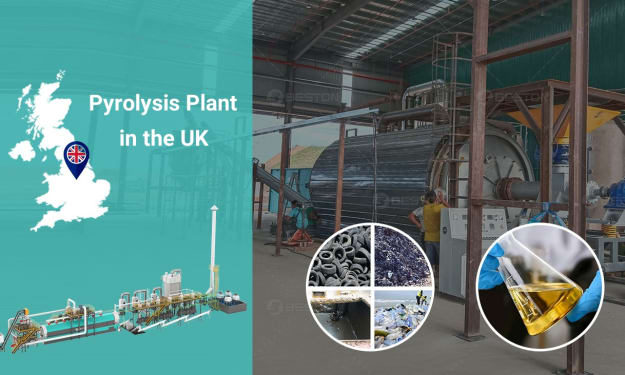
Pyrolysis in the UK: Key Focus Areas and Developments
With increasing pressure to manage plastic waste and reduce greenhouse gas emissions, pyrolysis has emerged as a promising solution in the UK. This technology, which converts plastic, tyres, and other waste into oil, gas, and carbon black, is gaining attention from both policymakers and investors. Pyrolysis not only provides a sustainable alternative to traditional waste disposal but also contributes to the circular economy by turning waste into valuable resources. As a result, there is a growing focus on scaling up pyrolysis plants in the UK and improving their efficiency and environmental performance.
By Bestonpyrolysis5 months ago in Journal
3 Ways to Improve the Automation Level of a Continuous Pyrolysis Plant
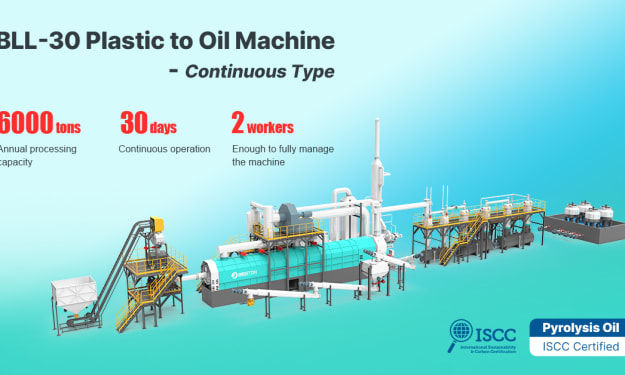
As industries continue to focus on enhancing efficiency and reducing human intervention, the automation of pyrolysis plants—especially continuous pyrolysis plants—has become a significant trend. A well-automated continuous pyrolysis plant can improve both productivity and safety, while minimizing operational costs. Here, we’ll explore three ways to elevate the automation level of continuous pyrolysis plants, focusing on temperature control, feeding and discharging processes, and overall system integration.
By Bestonpyrolysis6 months ago in Journal
Why Is Converting Palm Kernel Shells to Charcoal Good for the Planet?
The palm kernel shell charcoal machine has become a groundbreaking solution in agricultural waste management and renewable energy, addressing two critical challenges: the disposal of palm oil industry by-products and the growing need for clean, sustainable energy sources.
By Bestonpyrolysis6 months ago in Earth
Bamboo Charcoal: Ancient Tradition, Modern Innovation
Bamboo is one of the fastest-growing plants on Earth, capable of maturing within three to five years, compared with decades for most hardwoods. Its resilience, versatility, and low ecological footprint make it a symbol of renewable living. In many regions of Asia, Africa, and South America, bamboo is abundant and underutilized, offering a unique opportunity for sustainable industries.
By Bestonpyrolysis6 months ago in Journal
How Pyrolysis is Turning Plastic Waste into a Circular Economy
We are drowning in plastic. Images of ocean gyres choked with debris and landfills swelling with single-use packaging have become the stark symbols of our modern consumption. While reduction and reuse are the undisputed heroes of the sustainability movement, a sophisticated thermal technology is emerging from the shadows, not as a silver bullet, but as a critical player in closing the loop: plastic-to-oil pyrolysis.
By Bestonpyrolysis6 months ago in Earth
Turning Plastic Waste into Fuel: The Role of Plastic Pyrolysis Oil
The world is facing an ever-growing plastic waste crisis. With millions of tons of plastic ending up in landfills, oceans, and waterways every year, the environmental impact is undeniable. Traditional waste management methods are no longer sufficient to tackle this global issue, which has led to the rise of innovative technologies that can recycle plastic waste into valuable resources.
By Bestonpyrolysis6 months ago in Earth
The Impact of Continuous Pyrolysis Plants on Plastic and Tire Waste Management
In an age where environmental sustainability has become a global priority, managing waste, especially plastic and tires, is one of the most pressing challenges. The traditional methods of dealing with plastic and tire waste, such as landfilling or incineration, are not only ineffective in the long term but also harmful to the environment. This is where the continuous pyrolysis plant comes in, providing a more efficient, eco-friendly solution for waste management.
By Bestonpyrolysis6 months ago in Earth
The Role of Biomass Pyrolysis in Achieving Circular Economy Goals
In an era where global waste generation reaches over 2.01 billion tonnes annually (per UNEP data) and fossil fuel depletion accelerates climate change, the circular economy has emerged as a critical solution to break the “take-make-waste” cycle. At the heart of this transition lies biomass pyrolysis—a transformative technology that turns organic waste (agricultural residues, forest byproducts, and even municipal solid waste) into high-value energy and materials. This blog explores how biomass pyrolysis drives circularity, its key applications, and why investing in quality biomass pyrolysis equipment is a game-changer for businesses and sustainability goals.
By Bestonpyrolysis6 months ago in Earth
Plastic Pyrolysis: A Potential Path to Solve White Pollution
Plastic is often celebrated as one of the greatest inventions of the 20th century. Lightweight, durable, and versatile, it has transformed industries ranging from packaging and construction to healthcare and electronics. However, the very properties that make plastic so useful—its durability and resistance to degradation—have also led to a severe environmental crisis. Mountains of waste plastic are now scattered across landfills, rivers, and oceans, creating what is commonly known as white pollution.
By Bestonpyrolysis6 months ago in Journal
The Application of Rice Hull Carbonizer in Agriculture
In the realm of modern agriculture, finding sustainable and innovative solutions is crucial. One such solution that has been gaining traction is the use of rice hull carbonizers. With the ever - increasing environmental concerns and the need for resource optimization, rice hull carbonizers offer a multi - faceted approach to enhancing agricultural practices.
By Bestonpyrolysis6 months ago in Earth