
Plastic Pyrolysis: A Potential Path to Solve White Pollution
A Potential Path to Solve White Pollution


Plastic is often celebrated as one of the greatest inventions of the 20th century. Lightweight, durable, and versatile, it has transformed industries ranging from packaging and construction to healthcare and electronics. However, the very properties that make plastic so useful—its durability and resistance to degradation—have also led to a severe environmental crisis. Mountains of waste plastic are now scattered across landfills, rivers, and oceans, creating what is commonly known as white pollution.
According to recent studies, over 400 million tons of plastic waste are generated globally each year, and less than 10% of it is effectively recycled. Traditional recycling methods, such as mechanical recycling, struggle with contamination, quality loss, and economic inefficiency. Incineration, while reducing volume, contributes to greenhouse gas emissions and toxic by-products. Against this backdrop, plastic pyrolysis is emerging as a transformative solution—one that not only manages waste but also generates valuable resources.
What Is Plastic Pyrolysis?
Plastic pyrolysis is a thermochemical process that breaks down long-chain polymers into smaller hydrocarbon molecules by heating waste plastic in the absence of oxygen. This process is different from incineration because it does not involve burning. Instead, it decomposes plastic into usable by-products such as:
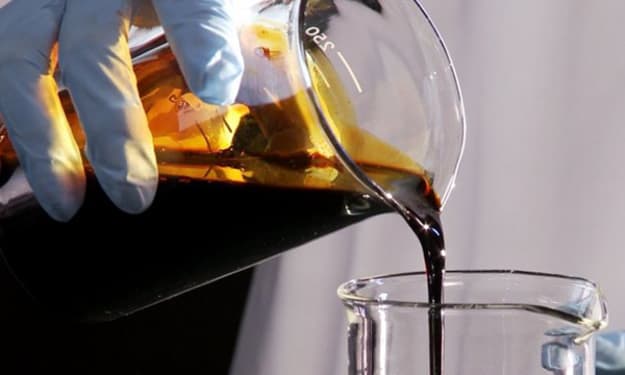
- Pyrolysis oil: A liquid fuel that can be refined into diesel or used in industrial furnaces, boilers, and power plants.
- Combustible syngas: A gas mixture that can be recycled within the plant to power the plastic pyrolysis machine itself, reducing energy costs.
This method minimizes harmful emissions while maximizing resource recovery, making it a practical alternative to landfilling and incineration.
Why Plastic Pyrolysis Matters in Tackling White Pollution
- Massive waste reduction: Non-recyclable plastics, such as multilayer packaging, can be processed effectively.
- Energy generation: Converts plastic waste into fuel oil and gas, reducing dependence on fossil resources.
- Carbon footprint reduction: Helps cut methane emissions from landfills and reduces the demand for virgin oil extraction.
- Economic opportunity: Provides industries with profitable by-products that can be sold in global markets.
- Circular economy support: Reintroduces recovered resources back into the industrial chain.
Plastic Pyrolysis Machine: Key Features and Benefits
Modern plastic pyrolysis machines are engineered to maximize efficiency, safety, and output quality. They are capable of processing a wide variety of plastics, including polyethylene (PE), polypropylene (PP), and polystyrene (PS).
Key Features
- High-temperature reactors designed for efficient thermal cracking.
- Gas recovery systems to capture and reuse syngas, reducing fuel costs.
- Automatic feeding and discharging systems for continuous operation.
- Advanced condensation units for higher oil yields and better product quality.
Benefits
- Cost-effective: Reduces reliance on external fuel sources by using syngas.
- Eco-friendly: Meets stricter global emission standards.
- Scalable: Can be adapted for small, medium, or large-scale plants.
- Profitable: Produces oil and carbon black that have established markets.
The Importance of Plastic Pyrolysis Plant Design
A well-engineered plastic pyrolysis plant design is crucial for operational success. Poorly designed plants may suffer from safety risks, low oil yields, or environmental violations.
Critical Aspects of Plant Design
1. Reactor Type
- Batch systems are simple but less efficient.
- Continuous systems allow 24/7 operation, higher throughput, and better scalability.
2. Condensation Technology
Modern multi-stage condensers improve oil recovery and ensure stable fuel quality.
3. Emission Control
Plants must integrate filters, scrubbers, and catalytic converters to meet environmental standards.
4. Automation & Monitoring
Digital monitoring systems improve safety and help operators optimize energy efficiency.
5. Eergy Integration
Using the syngas generated during pyrolysis to power the plant reduces external energy dependency.
Real-World Adoption of Plastic Pyrolysis
Plastic pyrolysis is not just a theoretical solution—it is already being implemented around the world.
- India: Several medium-sized pyrolysis plants are operating, turning municipal plastic waste into usable oil and carbon black.
- Europe: The EU has been promoting chemical recycling as part of its Circular Economy Action Plan. Companies in the Netherlands and Germany are investing heavily in pyrolysis technology.
- China: Large-scale plants are being developed to tackle the growing challenge of post-consumer plastic waste.
- United States: Startups and research institutes are piloting advanced plastic pyrolysis plant designs with a focus on scalability and sustainability.
Future Outlook: Plastic Pyrolysis and Global Sustainability
As governments tighten restrictions on plastic waste and carbon emissions, demand for plastic pyrolysis machines and improved plastic pyrolysis plant designs is expected to grow rapidly. Innovations such as catalytic pyrolysis, microwave-assisted heating, and AI-based monitoring are making the technology even more efficient.
The global pyrolysis market is projected to expand significantly in the next decade, driven by policies promoting circular economy models. Investors and entrepreneurs are increasingly viewing pyrolysis not just as waste management, but as a profitable green business opportunity.
Conclusion
Plastic pollution is one of the defining environmental challenges of our time. While traditional recycling and disposal methods have proven insufficient, plastic pyrolysis offers a practical, scalable, and eco-friendly alternative.
By using advanced plastic pyrolysis machines and carefully engineered plastic pyrolysis plant designs, we can transform non-recyclable plastics into valuable resources, reduce reliance on fossil fuels, and contribute to a cleaner planet.
In the fight against white pollution, pyrolysis is not just a technology—it is a pathway to a sustainable future.
About the Creator
Bestonpyrolysis
Engaged in waste plastic/tyre/rubber recycling, oil sludge treatment, biomass recycling, sewage sludge management and paper recycling…
https://bestonpyrolysisplant.com/
Keep reading
More stories from Bestonpyrolysis and writers in Journal and other communities.
The Economics of Pyrolysis Oil: Is It a Viable Investment?
As the world accelerates its pursuit of sustainable energy solutions and seeks alternatives to fossil fuels, pyrolysis oil has emerged as a promising contender in the renewable energy landscape. Pyrolysis oil, derived through the thermal decomposition of organic materials in the absence of oxygen, has captured the attention of investors, researchers, and governments alike. But is investing in pyrolysis oil truly a viable opportunity? In this article, we’ll explore the economic feasibility of pyrolysis oil, analyzing costs, market demand, government incentives, and the overall profitability of this emerging sector.
By Bestonpyrolysis7 months ago in Journal
CBS News and CNN Staffers Fear ‘Disaster’ as Paramount Wins Warner Bros Battle
A major corporate victory by Paramount in its battle involving Warner Bros has sent shockwaves through the American media landscape, leaving staff at CBS News and CNN reportedly fearing what some describe as a potential “disaster.” As consolidation reshapes the industry, journalists and executives alike are confronting uncertainty over newsroom independence, job security, and the long-term direction of legacy news brands.
By Aarif Lashari4 days ago in Journal



Comments
There are no comments for this story
Be the first to respond and start the conversation.