
3 Ways to Improve the Automation Level of a Continuous Pyrolysis Plant
Enhancing Efficiency, Safety, and Sustainability

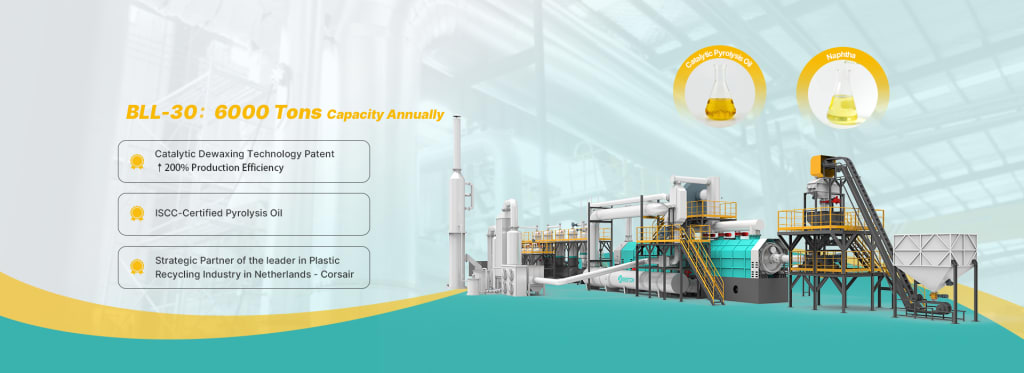
As industries continue to focus on enhancing efficiency and reducing human intervention, the automation of pyrolysis plants—especially continuous pyrolysis plants—has become a significant trend. A well-automated continuous pyrolysis plant can improve both productivity and safety, while minimizing operational costs. Here, we’ll explore three ways to elevate the automation level of continuous pyrolysis plants, focusing on temperature control, feeding and discharging processes, and overall system integration.
1. Advanced Furnace Automatic Temperature Control System
The core of any pyrolysis plant is its furnace, where temperature regulation plays a crucial role in maintaining optimal pyrolysis conditions. In a continuous pyrolysis plant, precise temperature control is essential for consistent product quality and energy efficiency. Traditional methods often require manual adjustments, which can lead to inefficiencies and potential safety risks.
To address this, modern pyrolysis plants use an Automatic Temperature Control System that integrates a multi-medium automatic combustion valve group and hot air recycling temperature control technology. This system automatically adjusts the air-fuel mixture based on real-time conditions, such as fuel type, heating load, and temperature fluctuations. Here's how it improves automation:
- Multi-Medium Combustion Valve Group: By automatically adjusting the combustion mixture according to the fuel's properties, this system ensures that the furnace is always operating at the optimal temperature.
- Hot Air Recycling: Hot air generated in the process is reused to help maintain the required temperature, reducing energy consumption and improving overall furnace efficiency.
This temperature control technology can be integrated with the central control system, allowing operators to monitor and adjust settings remotely, making the plant's operation smoother and safer.
2. Continuous Feeding and Discharging Automation
Another critical aspect of a continuous pyrolysis plant’s operation is its feeding and discharging process. The continuous nature of the system requires an uninterrupted flow of feedstock and product removal. Manual handling or non-automated systems can slow down production and create safety risks, such as overloading or inefficient product removal.
By automating the feeding and discharging systems, you can ensure:
- Precise Feedstock Entry: Automated feeders precisely control the amount and timing of feedstock entering the reactor. This ensures a steady input that aligns with the desired production rates and prevents bottlenecks.
- Continuous Product Discharge: Automated discharge systems use conveyors, screw feeders, or pneumatic systems to continuously remove the pyrolyzed products, such as biochar, oils, and gases, from the reactor. This ensures that the pyrolysis process never halts, maintaining a consistent output.
With automated control systems that monitor these processes, operators can be alerted to any issues or inefficiencies, allowing for quick adjustments without manual intervention.
3. Centralized Control and Monitoring System
Integrating all automated processes into a centralized control system is one of the most effective ways to improve overall automation. By using modern sensors, PLCs (Programmable Logic Controllers), and SCADA (Supervisory Control and Data Acquisition) systems, plant operators can have real-time visibility and control over all aspects of the continuous pyrolysis plant.
A few ways a centralized system can boost automation include:
- Real-Time Monitoring: Sensors placed throughout the plant can measure critical parameters such as temperature, pressure, gas composition, and flow rates. These readings are transmitted to the central control system, where they are analyzed to ensure the plant is running at optimal conditions.
- Predictive Maintenance: With continuous data collection, the system can predict potential equipment failures before they occur, enabling proactive maintenance. This minimizes downtime and extends the life of the equipment.
- Remote Control: Operators can control and adjust settings for temperature, feed rate, discharge rate, and other parameters remotely. This means the plant can be operated with minimal human intervention, improving safety and reducing the risk of human error.
- Data Analytics: By collecting data over time, the system can generate insights that help optimize operational efficiency. This data can also be used for reporting and regulatory compliance, making it easier to adhere to environmental standards.
Conclusion
By implementing advanced technologies for furnace automatic temperature control, continuous feeding and discharging, and a centralized control system, a continuous pyrolysis plant can significantly enhance its automation level. These improvements not only make the plant more efficient and cost-effective but also increase safety and sustainability. As automation continues to evolve, we can expect even more sophisticated solutions to emerge, driving the future of pyrolysis technology and waste management.
About the Creator
Bestonpyrolysis
Engaged in waste plastic/tyre/rubber recycling, oil sludge treatment, biomass recycling, sewage sludge management and paper recycling…
https://bestonpyrolysisplant.com/
Keep reading
More stories from Bestonpyrolysis and writers in Journal and other communities.
Bamboo Charcoal: Ancient Tradition, Modern Innovation
Bamboo is one of the fastest-growing plants on Earth, capable of maturing within three to five years, compared with decades for most hardwoods. Its resilience, versatility, and low ecological footprint make it a symbol of renewable living. In many regions of Asia, Africa, and South America, bamboo is abundant and underutilized, offering a unique opportunity for sustainable industries.
By Bestonpyrolysis6 months ago in Journal
Author’s Advice
If you would’ve asked me 20 years ago did I know I’d become a writer and an author, I would’ve said “nope, ain’t happening”. As fate would have it I did become an author and I can honestly say I’m loving it so far. It really does feel good to be a writer. I’ve learned a lot on this journey and I feel like with even me being as new to this world as I am, there’s some wisdom I need to share with every other aspiring author.
By Joe Patterson5 days ago in Journal



Comments
There are no comments for this story
Be the first to respond and start the conversation.