Bestonpyrolysis
Bio
Engaged in waste plastic/tyre/rubber recycling, oil sludge treatment, biomass recycling, sewage sludge management and paper recycling…
https://bestonpyrolysisplant.com/
Stories (54)
Filter by community
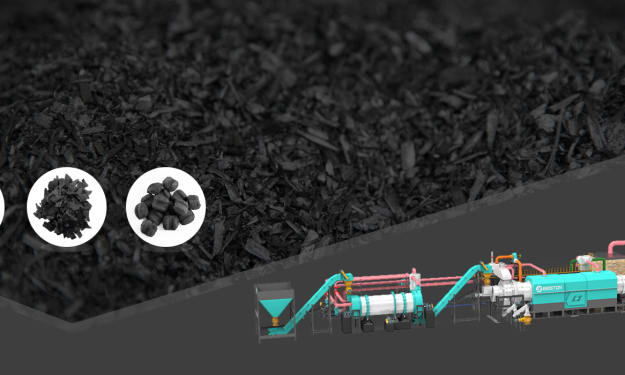
Batch vs. Continuous Pyrolysis: Choosing the Right Reactor for Biochar Production
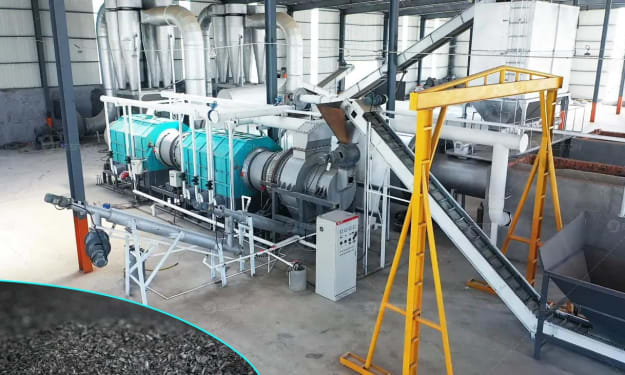
The global biochar market is experiencing a period of rapid expansion. Driven by the need for scalable carbon dioxide removal (CDR) and a growing demand for soil amendments, project developers are moving from pilot studies to commercial production. However, for those entering the space, one of the most critical decisions involves the core technology itself: the pyrolysis reactor.
By Bestonpyrolysis4 days ago in Earth
The Technical Rise of Naphtha Recovery from Plastic Waste
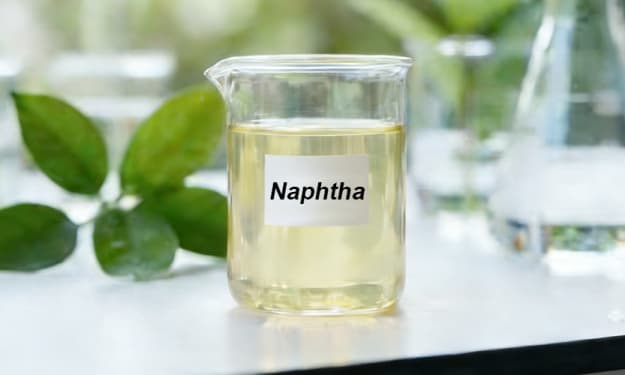
For decades, the global narrative surrounding plastic has been defined by a linear economy: produce, use, and dispose. While mechanical recycling has served as the primary method for managing plastic waste, its limitations are well documented. Degradation of polymer chains, contamination from food waste, and the complex composition of multilayer packaging mean that a significant portion of collected plastics—often cited as high as 70%—is relegated to landfills or incineration.
By Bestonpyrolysis4 days ago in Earth
Why Fruit Shell Biomass Is Perfect for Charcoal Making: A Property Analysis. AI-Generated.
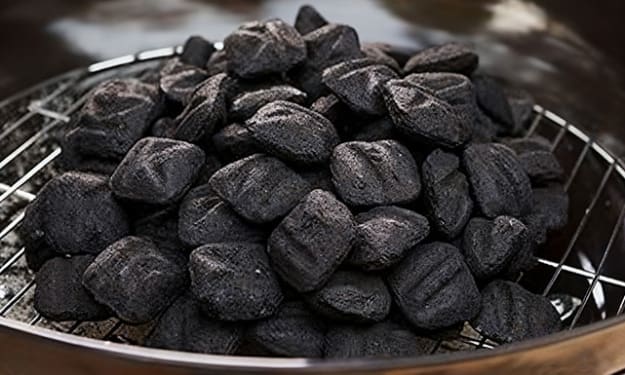
When it comes to sustainable charcoal production, not all biomass materials are created equal. Among the various options—from wood chips to agricultural residues—fruit shell biomass (such as walnut shells, coconut shells, peanut shells, and almond shells) stands out as an ideal candidate. Its unique physical and chemical properties not only make the charcoal making process more efficient but also result in high-quality charcoal with versatile applications. In this post, we’ll break down the key properties that make fruit shell biomass a top choice for charcoal production, and touch on how these properties interact with charcoal making equipment to optimize outcomes.
By Bestonpyrolysis25 days ago in Earth
The Impact of Biochar Stability: How Fixed Carbon Dictates Sequestration Success. AI-Generated.
In the urgent global effort to scale effective carbon dioxide removal (CDR), biochar has emerged as a leading contender. But not all biochar is equal in its climate-fighting power. The true measure of its long-term sequestration potential lies in one critical property: the stability of its fixed carbon. Understanding this is key to maximizing biochar's role in our carbon toolbox.
By Bestonpyrolysisabout a month ago in Earth
Which Type of Plastic Yields the Highest Oil Output During Pyrolysis?. AI-Generated.
Plastic waste is a growing environmental challenge, and one of the promising methods for managing this waste is pyrolysis. Pyrolysis involves heating plastic to high temperatures in the absence of oxygen to break it down into smaller molecules, producing valuable by-products such as oil, gas, and solid residues. However, not all plastics yield the same amount of oil during the pyrolysis process.
By Bestonpyrolysisabout a month ago in Journal
Turning Waste into Worth: Plastic Pyrolysis in the Circular Economy. AI-Generated.
Plastic pollution has become one of the defining environmental challenges of our time. From overflowing landfills to microplastics in oceans, the traditional “take–make–dispose” model is no longer sustainable. In response, the concept of the circular economy has gained global attention, aiming to keep materials in use for as long as possible while reducing waste. Among the emerging technologies supporting this transition, plastic pyrolysis stands out as a promising solution.
By Bestonpyrolysisabout a month ago in Earth
Biochar: Unlocking the Potential for Climate Change Mitigation and Carbon Markets. AI-Generated.
Biochar is created through the process of pyrolysis, where organic materials such as agricultural waste, wood, or even certain types of plastic are heated in the absence of oxygen. This process breaks down the biomass into three main products: gas, liquid (bio-oil), and solid carbon-rich residue—biochar. Unlike organic matter that decomposes naturally, releasing carbon dioxide (CO₂) into the atmosphere, biochar locks carbon in a stable form that can persist in the soil for hundreds or even thousands of years.
By Bestonpyrolysis2 months ago in Earth
Rice Husk Carbonization to Achieve the “Planting-Waste-Charcoal Fertilizer” Closed Loop. AI-Generated.
"Plant a grain of millet in spring, and reap ten thousand seeds in autumn." In the millennia-old cycle of rice cultivation, rice husks were once the overlooked by-products. In traditional models, these husks, accounting for about 20% of the weight of rice grains, were either burned in the open air, polluting the atmosphere, or disposed of in landfills, occupying valuable land resources—becoming an ecological burden for agricultural production. Today, with breakthroughs in circular agriculture technologies, rice husk carbonization is ushering in a "turning waste into treasure" revolution, building a green closed loop of "planting-waste-charcoal fertilizer" and injecting new vitality into the sustainable development of agriculture.
By Bestonpyrolysis2 months ago in Earth
The Strategic Role of Pyrolysis in the Circular Economy. AI-Generated.
The transition from a linear “take-make-dispose” model to a circular economy is one of the most critical sustainability challenges of our time. At the heart of this transformation lies a powerful and versatile process: pyrolysis. More than just a waste treatment technology, pyrolysis is emerging as a strategic pillar for resource recovery, enabling the regeneration of materials and energy from what was once considered unrecoverable waste.
By Bestonpyrolysis3 months ago in Earth
How the Quality of Biochar is Affected by Pyrolysis and the Role of Biochar Pyrolysis Equipment
Biochar has gained significant attention in recent years as a sustainable solution for soil improvement, carbon sequestration, and waste management. One of the critical factors influencing the effectiveness of biochar is its quality, which is determined by the pyrolysis process. But how exactly does the pyrolysis process affect biochar, and what role does biochar pyrolysis equipment play in ensuring high-quality output?
By Bestonpyrolysis4 months ago in Journal
Oil Sludge Pyrolysis Plant: Driving Sustainability in the Oil & Gas Industry
The global oil and gas industry stands at a pivotal moment. As climate commitments strengthen and environmental expectations rise, companies across the sector are under pressure to reduce emissions, improve resource efficiency, and manage industrial waste responsibly. Among the most persistent environmental challenges faced by the industry is oil sludge — a complex and hazardous byproduct generated during drilling, storage, and refining activities.
By Bestonpyrolysis4 months ago in Earth
Catalytic Plastic Pyrolysis: Boosting Efficiency with Smart Chemistry
The global plastic waste crisis demands innovative solutions, and while traditional plastic pyrolysis has made strides in converting waste into usable oil, it often falls short in efficiency and product quality. Enter catalytic plastic pyrolysis—a game-changing approach that leverages smart chemistry to supercharge the process. By integrating specialized catalysts into the workflow, this method not only boosts oil yields but also improves the quality of the end product, making it a more viable alternative to fossil fuels. At the center of this transformation lies plastic pyrolysis equipment, reimagined to work in harmony with catalytic agents for maximum impact.
By Bestonpyrolysis5 months ago in Journal