
Biochar’s “Double Benefit” for Soil and Agriculture
Beyond Carbon

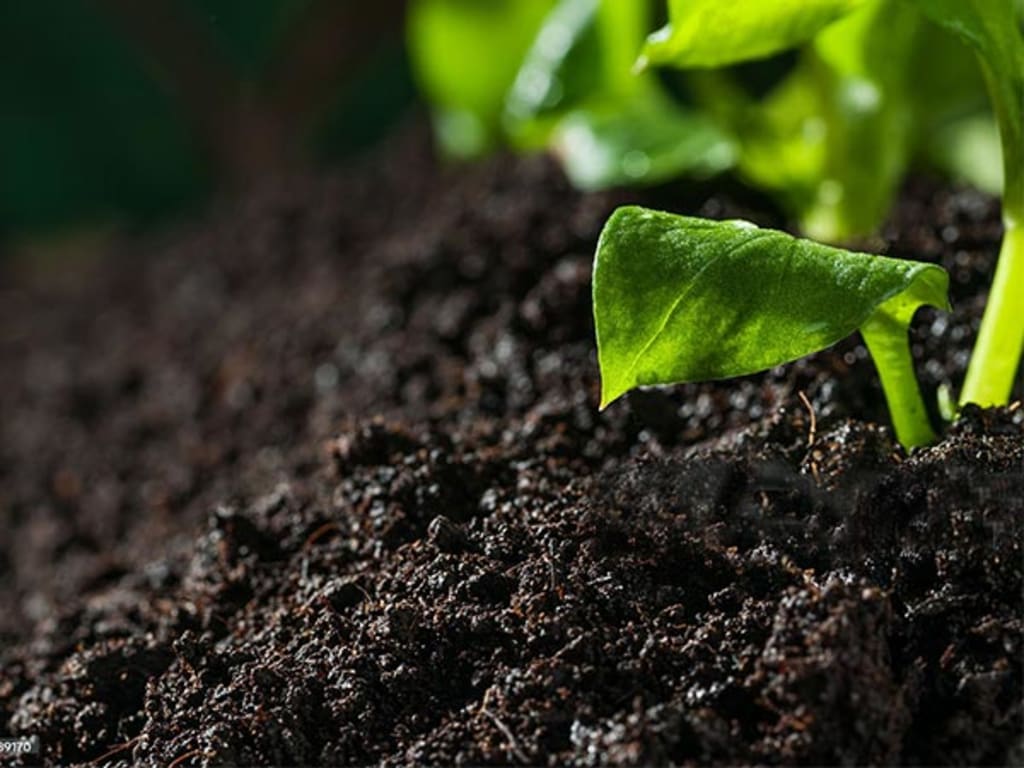
The biggest advantage of biochar is its ability to do two things at once: remove carbon and improve the land we rely on for food. This “double benefit” makes it a win-win for climate and food security—something few other carbon removal technologies can claim.
1. Boosting Soil Fertility and Water Retention
Biochar’s porous structure acts like a sponge in soil. It soaks up and holds onto water and nutrients (like nitrogen and phosphorus) that plants need to grow. This is a game-changer for farms, especially in regions with poor soil or frequent droughts. For example, in nutrient-poor soils common in parts of Africa or South Asia, adding biochar can reduce water loss by 20–30% and keep nutrients in the root zone longer. This means crops get more of what they need, even when rainfall is low. Related information in biochar production machine.
2. Reducing the Need for Synthetic Fertilizers
Synthetic fertilizers are energy-intensive to produce (they rely on natural gas) and often leach into waterways, causing pollution like algal blooms. Biochar cuts down on fertilizer use by keeping nutrients in the soil. Research from the International Biochar Initiative shows that in some cases, biochar can reduce fertilizer needs by 10–20% while still maintaining or increasing yields. For farmers, this translates to lower costs—and for the planet, it means fewer emissions from fertilizer production and less water pollution.
3. Increasing Crop Yields (Especially in Poor Soils)
The combination of better water retention, more nutrients, and healthier soil adds up to higher crop yields. Studies from around the world show that in nutrient-poor or acidic soils, biochar can boost yields by 10–30%. For example, a study in Kenya found that adding biochar to maize fields increased yields by 23% compared to fields without biochar. For smallholder farmers in developing countries, this means more food to eat and more income from selling surplus crops—making biochar a tool for fighting hunger as well as climate change.
4. Neutralizing Acidic Soils
Acidic soils (common in areas with heavy rainfall or intensive farming) make it hard for plants to absorb nutrients. Biochar has a neutral to alkaline pH, which helps balance soil acidity. By raising the pH of acidic soils, biochar creates a healthier environment for plants and beneficial microbes (like bacteria that fix nitrogen). This not only helps crops grow but also improves long-term soil health, making the land more productive for years to come.
Policy Support: Where Governments Stand on Biochar
As the world races to meet the Paris Agreement’s goal of limiting global warming to 1.5°C, governments and organizations are starting to recognize biochar’s potential. Here’s how policy is shaping its growth:
1. Recognition in Carbon Removal Frameworks
The European Union’s Carbon Removal Certification Framework—a key policy for scaling carbon removal—includes biochar as a recognized technology. This means projects that produce and use biochar can earn carbon credits, making them more financially viable. Similarly, the United States’ Inflation Reduction Act offers tax incentives for projects that sequester carbon, including biochar initiatives.
2. Pilot Projects Around the World
Countries are already testing biochar at scale. Brazil, for example, launched a project to use sugarcane bagasse (a waste product from sugar production) to make biochar, which is then added to soybean fields. India has pilot programs in Punjab (a major agricultural state) to turn rice straw (which is often burned, causing air pollution) into biochar. These projects not only reduce emissions but also solve local problems—like air pollution from crop burning or low soil fertility.
3. Funding for Research and Infrastructure
Governments and NGOs are investing in biochar innovation. The UK’s Department for Environment, Food and Rural Affairs (DEFRA) has funded research into improving biochar’s properties, such as modifying its structure to sequester more carbon. In Africa, the African Biochar Initiative provides training and small grants to farmers to adopt biochar, helping spread the technology to rural areas.
The Future of Biochar: What Needs to Happen Next
While biochar’s potential is clear, there are still barriers to scaling it up. Here’s what’s needed to make biochar a mainstream solution:
1. Better Biomass Collection Infrastructure
To produce biochar at scale, we need reliable ways to collect biomass waste. Right now, in many rural areas, crop stubble or forest waste is left to rot because there’s no easy way to transport it to pyrolysis plants. Building local collection networks—like small depots where farmers can drop off waste—would make feedstocks more accessible.
2. More Affordable Pyrolysis Equipment
Current pyrolysis reactors can be expensive, especially for small-scale farmers or communities. Developing smaller, cheaper, and easier-to-operate reactors (like mobile units that can process biomass on-site) would lower the barrier to entry. Some companies are already working on this: for example, a startup in Kenya has created a portable pyrolysis unit that costs 50% less than traditional reactors.
3. Greater Awareness Among Farmers and Policymakers
Many farmers don’t know about biochar’s benefits, and some policymakers haven’t included it in their climate plans. Outreach and education—like workshops for farmers or policy briefs for governments—would help spread the word. Success stories from pilot projects (like the yield increases in Kenya) can also build momentum.
4. Ongoing Research to Improve Biochar
Research is key to making biochar even better. Scientists are exploring ways to:
Modify biochar’s structure to sequester more carbon or hold more water.
Blend biochar with other soil amendments (like compost) to boost its benefits.
Find new uses for biochar (like filtering water or reducing heavy metal contamination in soil).
Final Thoughts: Biochar as a Tool for a Resilient Future
Biochar’s true power lies in its ability to connect climate action to everyday needs. It’s not just a way to remove carbon—it’s a way to make soils healthier, crops more resilient, and farms more profitable. In a world facing both climate change and food insecurity, this “double benefit” is invaluable.
As policy support grows and technology improves, biochar has the potential to become a cornerstone of sustainable agriculture and climate action. It’s a reminder that the best solutions often work with nature, not against it. Whether you’re a farmer looking to boost yields, a policymaker searching for cost-effective climate tools, or an individual wanting to support sustainable practices, biochar is a solution worth getting behind.
The future of biochar is bright—but it will take collaboration: between scientists, farmers, policymakers, and communities. With that collaboration, biochar can help build a world where we fight climate change and feed our growing population—one handful of soil at a time.
About the Creator
Bestonpyrolysis
Engaged in waste plastic/tyre/rubber recycling, oil sludge treatment, biomass recycling, sewage sludge management and paper recycling…
https://bestonpyrolysisplant.com/
Keep reading
More stories from Bestonpyrolysis and writers in Earth and other communities.
Why Is Converting Palm Kernel Shells to Charcoal Good for the Planet?
The palm kernel shell charcoal machine has become a groundbreaking solution in agricultural waste management and renewable energy, addressing two critical challenges: the disposal of palm oil industry by-products and the growing need for clean, sustainable energy sources.
By Bestonpyrolysis6 months ago in Earth
Death Valley sees its most spectacular superbloom in a decade
One of the most extreme landscapes on the planet—Death Valley National Park—is currently experiencing an extraordinary natural event: its most spectacular wildflower superbloom in a decade. What is usually a stark expanse of sun‑baked desert has transformed into sweeping carpets of vibrant color, drawing visitors, scientists, and photographers to witness a rare and fleeting burst of life. This year’s bloom, described by the U.S. National Park Service as the most dramatic since 2016, is the result of unusually wet weather during the fall and winter months. Typically known as the hottest and driest place in North America, Death Valley averages only about two inches of rain annually. But from late autumn through early January, the region received more than its yearly average in a short span, creating ideal conditions for dormant wildflower seeds to sprout and burst into bloom. A Desert Transformed Normally a landscape of sand and jagged rock, this spring the valley floor has come alive with a riot of pinks, purples, yellows, and whites. Species such as Desert Gold, Phacelia, Sand Verbena, and Mojave Desertstar blanket the ground, creating scenes that defy Death Valley’s harsh reputation. Park officials and wildlife enthusiasts alike have expressed amazement at the scale of the bloom and the speed with which it has taken over the valley. “This area that’s known basically for hot weather, sand and dirt has just become this amazing landscape of colors,” said David Blacker, executive director of the Death Valley Natural History Association. “The smell is just amazing.” At lower elevations, the wildflower display is already widespread and expected to last through mid to late March, weather permitting. As temperatures gradually shift, blooms at higher elevations may continue into April and even through June, though the full extent of later displays will depend on ambient heat and moisture levels. Rain: The Key to the Bloom Superblooms in desert environments are extremely rare and hinge upon a delicate balance of weather conditions. In Death Valley, a confluence of well‑timed rainfall events and moderate winter temperatures created just the right environment for seeds that often lie dormant for years to germinate, grow, and flower. Abby Wines, acting deputy superintendent at the park, noted that the exceptionally wet period provided more moisture than the valley would typically receive in an entire year. This unusual rainfall allowed plants to take root and flourish, even in areas that ordinarily remain barren. Although the term “superbloom” doesn’t have a strict scientific definition, it is widely used by park officials and visitors to describe years when wildflower blooms exceed normal patterns in scale and intensity. These events usually happen only once every decade or so in Death Valley, adding to their scarcity and appeal. A Magnet for Visitors and Scientists The rare spectacle has drawn crowds of visitors who typically think of Death Valley as nothing more than a harsh landscape of sand dunes and heat. In recent days, photographers and nature lovers have flocked to well‑known viewing areas such as Badwater Basin, Jubilee Pass Road, and surrounding alluvial fans where blooms are especially dense. Park officials are encouraging visitors to follow “Leave No Trace” principles: staying on designated paths, avoiding picking flowers, and being mindful of fragile ecosystems. Because these blooms are so dependent on specific conditions, conservation‑minded behavior plays a key role in protecting future displays. For scientists and ecologists, the superbloom offers a unique opportunity to observe how desert ecosystems respond to atypical weather events. Flowering cycles in these environments are closely tied to climatic patterns, and scientists can gather valuable data that may inform understanding of ecological resilience in the face of climate variability A Fleeting Celebration of Life Despite the stunning display, the superbloom is temporary. Once the rains stop and the desert heats up, the flowers will quickly fade and set seed, leaving behind a memory of colors before the valley reverts to its usual starkness. Still, for those who have made the journey this spring, the sight of Death Valley awash in hues of gold, purple, and pink is a reminder of nature’s capacity to surprise—and a testament to the fragile beauty that can spring from even the harshest environments.
By Fiaz Ahmed 3 days ago in Earth


Comments
There are no comments for this story
Be the first to respond and start the conversation.