politics
Politics does not dictate our collective cultural mindset as much as it simply reflects it; We've got to look in the mirror sometimes, and we've got one.
Protests and U.S. Warnings Shake Iran at Its Weakest Point in Years. AI-Generated.
Iran is facing one of its most precarious moments in recent history as widespread protests converge with sharp warnings from the United States, exposing deep fractures within the country’s political, economic, and social foundations. Long simmering public anger, fueled by economic hardship and political repression, has erupted once again—this time against a backdrop of mounting international pressure and regional instability. A Nation Under Growing Strain For years, Iran has struggled under the weight of international sanctions, economic mismanagement, and isolation from global markets. Inflation has soared, the national currency has lost much of its value, and unemployment—especially among young people—remains stubbornly high. Basic necessities such as food, fuel, and medicine have become increasingly expensive, eroding living standards for millions. These pressures have created a society on edge. While protests have periodically flared in Iran over the past decade, recent demonstrations appear broader, more persistent, and more defiant. Protesters from different social classes and regions have taken to the streets, signaling a level of frustration that goes beyond isolated grievances. The Spark Behind the Protests Although no single event defines the current unrest, the protests are rooted in long-standing demands for economic justice, political accountability, and personal freedoms. Demonstrators have voiced anger at corruption, lack of opportunity, and what they see as an unresponsive ruling elite. Social media, despite heavy restrictions, continues to play a key role in spreading images and messages from the protests. Videos showing clashes with security forces and chants criticizing the leadership have circulated widely, amplifying both domestic and international attention. The government has responded with a familiar mix of force and control—deploying security personnel, restricting internet access, and arresting activists. Yet these measures appear to have done little to calm public anger, and in some cases have intensified it. U.S. Warnings Add International Pressure As protests escalate, the United States has issued increasingly blunt warnings to Tehran. American officials have condemned Iran’s crackdown on demonstrators and signaled that further repression could lead to additional sanctions or diplomatic consequences. Washington has also raised concerns about Iran’s regional activities and military posture, warning that instability at home does not give Tehran a free pass abroad. These statements come at a time when Iran’s relationships with Western powers are already deeply strained over nuclear negotiations, regional conflicts, and human rights issues. While Iranian leaders often portray U.S. criticism as foreign interference, the warnings add another layer of pressure on a government already struggling to maintain control internally. Why This Moment Is Different What makes this period particularly dangerous for Iran’s leadership is the convergence of crises. Economically, the country is weaker than it has been in years. Politically, public trust in institutions has eroded. Regionally, Iran faces challenges from rival states and ongoing tensions in the Middle East. Internationally, diplomatic isolation limits its room for maneuver. Unlike past episodes of unrest, today’s protests are unfolding when the government has fewer economic tools to placate the public. Subsidies and cash handouts are harder to sustain, and sanctions restrict access to global financial systems. Analysts note that even traditionally loyal segments of society—such as parts of the working class—are showing signs of discontent. This broadening base of opposition makes the unrest harder to contain. The Government’s Balancing Act Iran’s leadership now faces a delicate balancing act. A harsh crackdown risks deepening public anger and attracting stronger international backlash. On the other hand, meaningful reforms could undermine the authority of hardline factions that dominate the political system. So far, officials have largely chosen repression over reform, framing the protests as foreign-backed attempts to destabilize the country. However, this narrative has limited appeal among citizens struggling with daily economic realities. The question is not only whether the government can suppress protests, but whether it can address the underlying causes that keep bringing people back to the streets. Regional and Global Implications Instability in Iran has implications far beyond its borders. As a major regional power, Iran plays a central role in Middle Eastern geopolitics, energy markets, and security dynamics. Prolonged unrest could affect oil supplies, regional conflicts, and diplomatic relations with neighboring countries. For the United States and its allies, Iran’s internal turmoil presents both risks and uncertainties. While pressure on Tehran may increase, chaos or miscalculation could also escalate tensions in unpredictable ways. Conclusion Iran stands at a crossroads. Protests driven by deep economic pain and political frustration are colliding with mounting U.S. warnings, exposing vulnerabilities that have been building for years. Whether the government responds with reform or repression will shape not only Iran’s future, but also the stability of an already volatile region. At its weakest point in years, Iran faces a defining test: adapt to the demands of its people, or risk deeper unrest with consequences that may be impossible to control.
By Fiaz Ahmed Brohi22 days ago in The Swamp
Man Admits Dressing as Fake Navy Admiral at Remembrance Event. AI-Generated.
Remembrance events are solemn occasions meant to honor the sacrifice, service, and memory of those who served in the armed forces. They are rooted in respect, dignity, and collective remembrance. That is why a recent incident involving a man who admitted to dressing as a fake navy admiral at a Remembrance event has sparked widespread criticism, debate, and reflection on the misuse of military symbols. The Incident That Shocked Attendees According to court proceedings, the man appeared at a public Remembrance event wearing a naval admiral’s uniform adorned with medals and insignia to which he was not entitled. At first glance, he blended in among genuine veterans and serving personnel. However, inconsistencies in his attire and background soon raised suspicions, prompting inquiries that ultimately revealed the truth: he had never served in the navy, nor held any military rank. The man later admitted that the uniform and decorations were entirely fabricated. His actions were not the result of an administrative error or misunderstanding, but a deliberate choice to impersonate a senior military officer during one of the most emotionally significant commemorations of the year. Why Impersonation at Remembrance Events Is So Serious Impersonating a military officer at any time is widely viewed as unethical, but doing so at a Remembrance event carries deeper consequences. These ceremonies are not social gatherings or displays of pageantry; they are moments of national reflection on loss, bravery, and sacrifice. Veterans, families of the fallen, and serving members attend these events with deep emotional investment. By presenting himself as a decorated admiral, the individual exploited the trust and reverence that society extends to military service members. Many critics argue that such actions amount to a betrayal of public respect and an insult to those who genuinely earned their uniforms under life-threatening conditions. Legal and Moral Implications In several countries, including the UK, wearing military uniforms or medals without entitlement can constitute an offense, particularly if it is done to deceive or gain recognition. While the legal consequences vary depending on intent and circumstances, courts often consider whether the impersonation caused public harm, emotional distress, or undermined institutional integrity. Beyond the legal framework, the moral implications are even more severe. False claims of military service—sometimes referred to as “stolen valor”—erode public confidence and diminish the meaning of real service. Veterans’ groups have repeatedly warned that such behavior trivializes sacrifice and risks turning solemn remembrance into spectacle. Motivation Behind the Deception During questioning, the man reportedly offered explanations ranging from personal admiration for the military to a desire to feel respected. While such motivations may reflect deeper psychological or social issues, experts emphasize that admiration does not justify impersonation. Psychologists note that individuals who falsely present themselves as decorated officers may be seeking validation, identity, or attention. However, these underlying struggles do not excuse actions that disrespect others’ lived experiences, especially those shaped by conflict, injury, and loss. Reaction from Veterans and the Public Veterans’ organizations were quick to condemn the incident. Many expressed anger that someone would use a Remembrance event—a space sacred to military families—as a stage for deception. Others voiced sadness, arguing that such incidents distract from the true purpose of remembrance and risk undermining public understanding of military service. Members of the public echoed these sentiments, with many calling for stricter enforcement of laws protecting military symbols. Some also emphasized the importance of education, noting that greater awareness about military ranks and decorations could help prevent similar incidents in the future. Protecting the Integrity of Remembrance The case has reignited discussions about safeguarding commemorative events. Organizers are now being urged to implement clearer verification processes for participants wearing uniforms, especially those claiming senior ranks. While Remembrance ceremonies are built on trust rather than suspicion, this incident highlights the need for balance between openness and protection. Importantly, veterans’ groups stress that this case should not create barriers for genuine veterans to attend or participate. Instead, the focus should remain on preserving the dignity and authenticity of remembrance. A Reminder of What Remembrance Represents At its core, Remembrance is about honoring real people—those who served, those who suffered, and those who never returned home. It is not about status, medals, or recognition, but about collective memory and gratitude. The admission by a man who dressed as a fake navy admiral serves as a stark reminder that respect for military service must be genuine. Symbols of service carry weight because of the sacrifices behind them. When misused, they lose meaning—and risk causing harm to those they are meant to honor. Conclusion This incident, while involving a single individual, has broader implications for how society protects the integrity of military remembrance. It underscores the importance of honesty, accountability, and respect when engaging with symbols of national sacrifice. As Remembrance events continue to bring communities together, ensuring their authenticity remains essential—not just for veterans, but for the values those events represent.
By Fiaz Ahmed Brohi22 days ago in The Swamp
Russian Army Loses 990 Soldiers and Multiple Rocket Systems in One Day as Ukraine Intensifies Battlefield Pressure. AI-Generated.
The war between Russia and Ukraine continues to exact a heavy toll, with Ukrainian military officials reporting that nearly 1,000 Russian soldiers were lost in a single day, alongside the destruction of two multiple launch rocket systems (MLRS). The figures, released as part of Ukraine’s daily battlefield assessment, highlight the intensifying pace of combat and the growing strain on Russian forces as the conflict grinds on. While casualty numbers in wartime are often contested and difficult to independently verify, the scale of losses reported underscores a broader trend: the war has entered a phase defined by attrition, technology-driven strikes, and relentless pressure on manpower and equipment. A Snapshot of One Day in a Prolonged War According to Ukraine’s military command, the reported losses occurred across several active fronts, where Russian troops have continued offensive operations despite mounting resistance. The claimed figure of 990 soldiers lost in just 24 hours reflects one of the higher daily casualty counts reported in recent weeks. In addition to personnel losses, Ukrainian forces announced the destruction of two multiple launch rocket systems, a critical component of Russia’s long-range firepower. These systems are used to bombard Ukrainian positions, cities, and supply lines, making them high-priority targets for Ukrainian artillery, drones, and precision strikes. The loss of such equipment is significant, not only because of its battlefield value but also because replacing advanced rocket systems is far more difficult and time-consuming than replenishing basic military hardware. Why Multiple Launch Rocket Systems Matter Multiple launch rocket systems play a central role in modern warfare. Capable of firing salvos of rockets over wide areas, MLRS platforms are designed to overwhelm defenses, suppress enemy positions, and inflict damage far beyond the front line. For Russia, these systems have been a key tool in applying pressure on Ukrainian defenses. Their destruction signals Ukraine’s growing ability to identify, track, and eliminate high-value targets, often using a combination of intelligence-sharing, satellite imagery, and domestically produced drones. Military analysts note that each destroyed launcher represents not just lost hardware, but lost operational flexibility. With fewer systems available, Russian forces may struggle to maintain the same level of artillery dominance they relied on earlier in the war. Attrition as a Strategy The reported losses point to a broader reality of the conflict: this war is increasingly about wearing the opponent down. Ukraine has focused on degrading Russia’s manpower and equipment gradually, forcing Moscow to commit more resources to maintain its positions. Daily casualty figures—whether fully accurate or not—serve an important strategic purpose. They communicate to both domestic and international audiences that Russian forces are paying a steep price for continued aggression. At the same time, they boost morale within Ukraine by demonstrating tangible battlefield results. For Russia, sustained losses at this scale raise difficult questions about recruitment, training, and morale. Replacing nearly a thousand soldiers in a single day is not just a logistical challenge—it has long-term consequences for combat effectiveness. Human Cost Behind the Numbers Beyond strategy and statistics lies the human cost of war. Each reported casualty represents a life disrupted or lost, families affected, and communities changed forever. While battlefield updates often focus on numbers and equipment, the reality on the ground is one of exhaustion, trauma, and grief on both sides. Prolonged fighting has also increased pressure on medical systems, evacuation routes, and frontline support units. As casualties rise, the ability to provide timely care becomes increasingly strained, compounding the impact of losses. What This Means for the War’s Trajectory The destruction of personnel and key weapons systems in a single day does not, on its own, determine the outcome of the war. However, consistent losses of this magnitude can shift momentum over time. Reduced manpower limits offensive capabilities, while the loss of heavy weapons weakens the ability to hold territory or launch large-scale assaults. Ukraine’s continued success in targeting advanced systems suggests that its military has adapted effectively, learning how to counter Russia’s strengths while exploiting its vulnerabilities. The use of drones, precision strikes, and coordinated intelligence has transformed the battlefield into one where large formations and static positions are increasingly risky. Conclusion The report that the Russian army lost 990 soldiers and two multiple launch rocket systems in a single day offers a stark illustration of the war’s intensity and the high cost of prolonged conflict. Whether viewed as a tactical setback or part of a broader pattern, such losses reinforce the reality that the war in Ukraine is far from slowing down. As fighting continues, each day adds another layer to a conflict defined by endurance, adaptation, and sacrifice. For now, the battlefield remains unforgiving, and the numbers—however debated—tell a story of a war that continues to demand an extraordinary price from all involved.
By Fiaz Ahmed Brohi22 days ago in The Swamp
Morning Squawk: Venezuela’s Unrest, Tesla’s Surprising Finish, and Chick-fil-A’s Marketing Blitz. AI-Generated.
Morning news is often a whirlwind, but today’s “Morning Squawk” brings clarity to some of the most intriguing developments—from political turmoil in Venezuela to Tesla’s unexpected rise in the auto world, and a deep dive into Chick-fil-A’s latest marketing moves. Here’s everything you need to know in one digestible briefing. Venezuela: A Nation on Edge Venezuela continues to dominate international headlines, as political instability and economic uncertainty fuel unrest across the country. Recent reports indicate growing public protests against the government, with shortages of basic goods and ongoing power outages worsening daily life for millions. The international community is keeping a close eye on the situation. Economists warn that Venezuela’s hyperinflation, combined with a crumbling oil industry, could prolong the nation’s recovery and deepen its humanitarian crisis. Meanwhile, diplomatic efforts by regional organizations are aiming to ease tensions, though progress remains slow. For businesses and investors, Venezuela’s instability serves as a stark reminder of how political uncertainty can ripple through economies—impacting trade, investments, and supply chains in unpredictable ways. Tesla Takes Second Place—Against All Odds In the automotive world, Tesla made headlines with its second-place finish in global vehicle sales, surprising analysts and competitors alike. Despite facing supply chain challenges, increasing competition, and production bottlenecks, Tesla has continued to outperform expectations. Experts attribute this success to a combination of innovative technology, brand loyalty, and strategic pricing, which allows Tesla to maintain momentum even as other automakers ramp up their electric vehicle (EV) offerings. Tesla’s position in the market is more than just a ranking—it’s a signal of the growing dominance of EVs and a shift in consumer preference. With traditional manufacturers investing heavily in electrification, the next few years could see intense competition, but Tesla’s resilience highlights its ability to adapt and capitalize on emerging trends. Inside Chick-fil-A’s Marketing Blitz Shifting gears to the world of fast food, Chick-fil-A is demonstrating how smart marketing can drive growth in a crowded sector. The chain has launched a series of high-profile campaigns aimed at both brand awareness and community engagement. From social media stunts to limited-time menu items and sponsorship deals, Chick-fil-A is clearly leveraging multiple channels to stay relevant. Marketing experts note that this approach not only boosts customer loyalty but also enhances the brand’s visibility in markets where competition is fierce. Interestingly, the company’s campaigns emphasize storytelling and emotional connection, highlighting its values and corporate culture. In an era where consumers increasingly seek authenticity, Chick-fil-A’s strategy underscores the importance of blending clever promotion with a consistent brand message. Other Morning Headlines to Watch Tech Innovations: Several AI startups are making waves, promising tools that could redefine productivity and creative workflows. Investors are particularly interested in solutions targeting enterprise efficiency and digital automation. Global Markets: Stock markets have shown volatility this week, with tech and energy sectors driving fluctuations. Analysts suggest keeping an eye on inflation reports and geopolitical developments as potential market movers. Lifestyle Trends: Sustainable living continues to gain traction, with more consumers embracing eco-friendly products and lifestyle choices. Retailers who adapt quickly are seeing a noticeable boost in engagement. Why These Stories Matter Taken together, these headlines illustrate the diversity of challenges and opportunities in today’s world. Venezuela’s unrest is a reminder of how politics shapes economies. Tesla’s performance highlights the evolution of consumer preferences and technology. Chick-fil-A’s marketing demonstrates the power of strategy in crowded markets. For readers, understanding these developments is more than casual news consumption—it’s about seeing patterns and anticipating the forces shaping business, society, and global trends. Key Takeaways Stay informed on global politics: Countries like Venezuela show how political instability can have far-reaching effects. Watch market disruptors: Tesla’s rise underscores the potential for innovation to reshape industries. Learn from marketing strategies: Chick-fil-A’s campaigns demonstrate how brands can connect with audiences through creativity and authenticity. Monitor broader trends: From AI to sustainability, being aware of emerging developments provides insight into future opportunities and challenges. Morning Squawk isn’t just a collection of headlines—it’s a snapshot of our rapidly changing world. By connecting the dots between politics, business, and lifestyle, readers can gain a clearer perspective on the forces shaping our lives today. Stay tuned, stay informed, and keep squawking—because the world isn’t slowing down anytime soon.
By Muhammad Hassan22 days ago in The Swamp
South Korea’s Lee Jae‑myung Meets China’s Xi Jinping: A Fresh Start for Seoul-Beijing Relations. AI-Generated.
South Korean President Lee Jae‑myung just wrapped up a high-profile visit to Beijing, meeting Chinese President Xi Jinping in what many are calling a pivotal moment for Korea-China relations. This wasn’t just a routine handshake photo-op. For Lee, it was about resetting ties with China—South Korea’s largest trading partner—at a time when regional tensions are high, and economic uncertainties loom. A Timely Meeting in a Complicated Region Lee arrived in Beijing on January 4, 2026, accompanied by a large delegation of South Korean business leaders, including executives from Samsung and Hyundai. The visit comes at a tricky moment: North Korea fired missiles just hours before Lee left Seoul, reminding everyone that the Korean Peninsula remains volatile. China and Japan are increasingly at odds over Taiwan, forcing Seoul to carefully balance its diplomacy. In this environment, Lee’s visit is more than ceremonial—it’s strategic. His goal: keep South Korea’s options open while strengthening ties with a key neighbor. Focus on Economics: Deals and Opportunities One of the main outcomes of the summit? Economic cooperation. South Korean and Chinese companies signed nine new agreements across technology, digital services, and consumer goods. Both sides expressed interest in AI, supply chains, tourism, and cultural exchange. Lee is also pushing to ease China’s unofficial restrictions on Korean pop culture, which have limited the global spread of K-pop and K-dramas. It’s clear: Seoul wants a partnership that’s mutually beneficial, while Beijing sees opportunities to strengthen economic influence in East Asia. Politics and Security: Walking a Diplomatic Tightrope This visit wasn’t just about money. Lee and Xi also discussed security and regional stability: Korean Peninsula Peace: Lee stressed China’s role in encouraging dialogue with North Korea—a priority for Seoul. One-China Principle: Lee reassured Beijing that South Korea respects this sensitive policy, keeping cross-strait tensions in mind. Strategic Autonomy: Lee is walking a fine line—keeping strong ties with the U.S. while deepening relations with China. Essentially, Lee’s approach is pragmatic: advance South Korea’s interests while avoiding major conflicts with global powers. Making 2026 a Turning Point Both leaders see 2026 as a potential game-changer for Korea-China relations: Lee emphasized political dialogue, stronger economic ties, and more cultural exchanges. Xi called for mutual trust and collaboration on regional challenges. The timing couldn’t be more critical. With economic pressures, North Korean provocations, and rising tensions in East Asia, Seoul and Beijing have an incentive to cooperate—but maintaining balance won’t be easy. What This Means Going Forward So, what can we expect from this reset? Economic Growth: South Korea hopes deeper trade links will help stabilize its economy and diversify partnerships. North Korea Diplomacy: China’s influence over Pyongyang could help restart talks and reduce tensions. Cultural Exchange: Relaxing restrictions on Korean media could rebuild goodwill and strengthen people-to-people ties. Balanced Foreign Policy: Seoul aims to work with both Washington and Beijing without getting caught in the middle. If all goes well, this summit could mark the start of a more constructive and cooperative phase in Korea-China relations. But it will take careful diplomacy, patience, and mutual trust to make it last. Bottom Line President Lee Jae‑myung’s meeting with Xi Jinping is more than a formal visit—it’s a strategic effort to reset a key regional relationship. From economic deals to diplomatic maneuvering, the summit shows Seoul’s desire to engage China thoughtfully, without compromising ties with the United States. Whether 2026 becomes the year of a true Korea-China reset remains to be seen, but one thing is clear: the stage is set for a new chapter in East Asian diplomacy. If you want, I can also add a catchy intro and meta description specifically tailored for Vocal Media to help it perform better online and attract readers. That would make it fully ready for publication.
By Muhammad Hassan22 days ago in The Swamp
Ukraine Targets Moscow Daily With Drones This Year, Russia Says, in Apparent Escalation. AI-Generated.
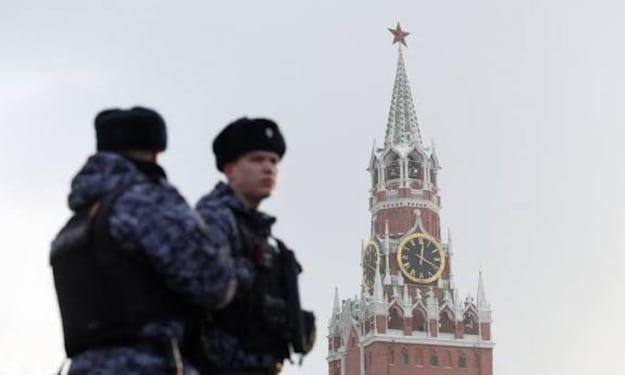
Tensions between Ukraine and Russia have entered a new phase, with Moscow reporting that it is now under daily drone attacks from Ukrainian forces. According to Russian officials, the drone strikes, described as persistent and precise, represent a significant escalation in the ongoing conflict, highlighting the evolving strategies and technologies employed on both sides of the war. The Drone Escalation Russia’s Ministry of Defense confirmed that its capital has experienced repeated aerial incursions, primarily from small unmanned aerial vehicles (UAVs) launched from Ukraine. These drones, though limited in payload compared to traditional aircraft, are designed to conduct surveillance, disrupt infrastructure, and, in some cases, deliver explosives. Russian authorities claim that these attacks have caused damage to industrial facilities and temporarily disrupted transportation networks, though detailed casualty figures have not been disclosed. The frequency of these attacks—described as occurring on a daily basis—signals a shift in Ukraine’s military strategy. Rather than focusing solely on frontline engagements in eastern Ukraine, Kyiv appears to be extending its reach deep into Russian territory, targeting symbolic and strategic locations in the heart of the country. Analysts suggest that this move is aimed not only at degrading Russia’s operational capabilities but also at sending a strong political message. Ukraine’s Growing Drone Capabilities The drone strikes reflect Ukraine’s increasing proficiency with unmanned technologies, which have become a hallmark of modern conflicts worldwide. Over the past year, Kyiv has reportedly received drone platforms and training from Western allies, enabling it to carry out long-range reconnaissance and precision strikes. These systems provide a significant advantage, as they allow forces to conduct operations without risking human pilots and with lower logistical footprints than traditional aircraft. Experts note that the use of drones in urban and high-value areas is inherently challenging, requiring careful navigation of air defense systems and the ability to adapt to countermeasures. Ukraine’s apparent success in consistently reaching Moscow suggests a high degree of operational planning and technical skill, as well as possible gaps in Russian air defense coverage. Moscow’s Response Russian authorities have condemned the attacks, vowing to strengthen airspace defenses and to retaliate against what they describe as “terrorist-like incursions.” Russian media has reported increased deployment of surface-to-air missile systems and tighter security around critical infrastructure in the capital region. Analysts warn, however, that defending against small, low-flying drones is inherently difficult, as these craft can exploit radar blind spots and urban environments to evade detection. Moscow’s reaction also carries a political dimension. Russian leadership is using the drone attacks to rally domestic support, portraying Ukraine as escalating hostilities beyond conventional battlefields. In a statement to the press, a Russian official declared that the drone strikes would not go unanswered, signaling the possibility of further escalation or reprisal attacks along the frontlines or beyond. Implications for the Conflict The daily drone incursions underscore a broader trend in modern warfare: the use of unmanned systems to level the playing field against numerically or technologically superior adversaries. For Ukraine, drones offer a cost-effective means to challenge Russia’s vast territory and keep its military off balance. For Russia, these attacks expose vulnerabilities in homeland security and may force significant investment in drone detection and interception capabilities. International observers are also concerned about the risks of escalation. Targeting the capital of a nuclear-armed nation carries high stakes, and even minor miscalculations could provoke wider conflict. Some analysts argue that Ukraine is deliberately applying pressure to influence ongoing peace negotiations and Western support, while others warn that Moscow may interpret these attacks as justification for increased military operations. Strategic Messaging and Psychological Impact Beyond tactical effects, the drone attacks carry a significant psychological component. For Russian civilians and officials, the reality of drones flying over the capital every day serves as a constant reminder of vulnerability and the persistence of conflict. Similarly, for Ukraine, showcasing the ability to reach deep into Russian territory can boost domestic morale and signal to allies that Kyiv is capable of defending itself and projecting power. Cybersecurity experts also note the dual-use nature of drone technology. Beyond physical attacks, drones can carry sensors and communication devices capable of intercepting signals, mapping terrain, and gathering intelligence, further enhancing their value in modern asymmetric warfare. Looking Ahead As the conflict continues, the drone strikes on Moscow may represent only the beginning of a more sophisticated and remote warfare strategy. Analysts predict that both sides will continue to innovate, potentially deploying larger or more autonomous systems, creating a new battlefield that blurs the lines between traditional frontlines and strategic depth. For international observers, these developments highlight the rapidly evolving nature of military technology and the pressing need for dialogue and conflict management. While drones provide tactical advantages, they also raise questions about escalation, civilian risk, and the long-term stability of the region. In conclusion, the reported daily drone attacks on Moscow mark a notable shift in the Russia-Ukraine conflict. Beyond their immediate tactical impact, they underscore the transformative role of unmanned systems in modern warfare, challenge traditional notions of territorial security, and raise critical questions about escalation and regional stability. As Ukraine continues to expand its drone operations, the world watches closely, aware that the dynamics of this war are evolving in unpredictable and potentially far-reaching ways.
By Fiaz Ahmed Brohi22 days ago in The Swamp
Greenland Prime Minister Says ‘Enough’ After Latest Trump Threat. AI-Generated.
Greenland’s Prime Minister, Múte Bourup Egede, has issued a firm response to the latest controversial remarks made by former US President Donald Trump, declaring that “enough is enough.” The comments, which once again targeted Greenland’s strategic resources and geopolitical position, have sparked concern in Nuuk and among Denmark, Greenland’s sovereign nation, about the increasing pressure from foreign powers on the Arctic region. The incident highlights the delicate balance of Arctic geopolitics, where climate change, rare earth minerals, and military positioning converge, and underscores Greenland’s growing insistence on defending its autonomy and strategic interests in the face of external interference. The Latest Threat from Trump The latest round of tensions began after Donald Trump suggested in a public statement that the United States should pursue greater influence in Greenland, including potential acquisitions of land or access to its natural resources. While Trump’s team framed the remarks as economic strategy, Greenland’s government interpreted them as a threat to sovereignty. Prime Minister Egede condemned the remarks, saying that Greenlanders “will not be treated as commodities” and emphasizing that the island has full control over its resources and internal affairs. He added that repeated external pressure, especially from a global superpower, was no longer acceptable. “Greenland is strategically important, yes,” Egede said. “But our people make our decisions. We will not bow to threats or aggressive suggestions.” Historical Context This is not the first time Trump has made headlines regarding Greenland. In 2019, he infamously suggested that the US might consider purchasing Greenland, prompting ridicule internationally and a firm rejection from the Danish government and Greenland’s authorities. At the time, Denmark’s Prime Minister, Mette Frederiksen, labeled the proposal “absurd,” while Greenland’s leaders affirmed that the island is not for sale. The latest incident, though less dramatic in tone, has revived concerns about US intentions in the Arctic, particularly as global powers increasingly view the region as critical for trade, military strategy, and climate research. Why Greenland Matters Geopolitically Greenland occupies a strategic location in the Arctic, controlling key maritime routes between the Atlantic and Arctic Oceans. The island also possesses abundant natural resources, including rare earth minerals, oil, and gas, which have drawn interest from multiple countries. Climate change has accelerated the melting of Greenland’s ice sheet, making previously inaccessible resources easier to reach and increasing the island’s geopolitical significance. For global powers like the United States, Greenland is not just a remote territory — it is a critical outpost for defense, scientific research, and energy strategy. For Greenlandic authorities, these factors make external pressure a sensitive issue. While international cooperation is welcomed, any suggestion of coercion or domination triggers strong political backlash. Bourup Egede’s Firm Stance Prime Minister Egede’s comments mark a notable shift toward a more assertive Greenlandic foreign policy. Unlike in past incidents, where responses were primarily diplomatic, the current statement explicitly warns that repeated interference will not be tolerated. “We respect dialogue and cooperation,” Egede said. “But we will not accept threats or suggestions that undermine our autonomy. Our resources, our land, and our people are under Greenlandic authority.” This approach aligns with a broader trend in the Arctic, where indigenous and local governments are increasingly asserting sovereignty while navigating international interest in their territories. Denmark’s Role Greenland is an autonomous territory within the Kingdom of Denmark, responsible for internal governance while Denmark handles foreign policy and defense. The Danish government has expressed support for Greenland’s position, emphasizing that the island’s sovereignty and strategic interests must be respected. Danish Foreign Minister Lars Løkke Rasmussen reiterated that Greenland’s status as part of the kingdom does not make it an object of purchase or coercion. “Greenlanders are fully capable of deciding their own future,” Rasmussen said. “Any attempt to undermine that is unacceptable.” The coordinated response from Greenland and Denmark signals a unified front, reinforcing the message that external pressures will not influence the island’s strategic decisions. International Reactions The international community has taken note of the dispute. European leaders have largely praised Greenland’s firm stance, framing it as an example of a small, autonomous territory asserting control over its resources. Analysts in Washington, however, suggest that the rhetoric could complicate US-Arctic diplomacy, particularly as the region becomes increasingly contested among global powers like China, Russia, and the US. Policy experts say the episode highlights the challenges of Arctic governance, where climate change, resource extraction, and strategic positioning intersect, creating a highly sensitive geopolitical environment. The Arctic in Focus The broader Arctic region is undergoing rapid transformation. Melting ice has opened new shipping lanes, while technological advances and foreign investment increase the stakes for strategic control. Greenland, as the world’s largest island, sits at the center of these developments. Experts warn that incidents like the latest dispute with Trump are not isolated. “The Arctic is a hotbed of interest for multiple global powers,” said Dr. Helena Jørgensen, an Arctic policy analyst. “Greenland has every right to assert its autonomy, and these kinds of threats only strengthen local resolve.” Looking Ahead As Greenland navigates its complex position between local autonomy, Danish governance, and global interest, Prime Minister Bourup Egede’s message is clear: external pressure will not dictate Greenland’s choices. The government is expected to continue emphasizing sovereignty, while engaging selectively with foreign partners willing to respect Greenlandic authority. For global powers, the lesson is equally clear: Greenland is not a bargaining chip — it is a strategic partner with its own voice. This incident serves as a reminder of the growing importance of the Arctic, the resilience of Greenlandic leadership, and the need for careful diplomacy in a rapidly changing geopolitical landscape.
By Muhammad Hassan22 days ago in The Swamp
The Royal Navy’s Future Large Uncrewed Surface Vessels and the Cultural Obstacles to Autonomy. AI-Generated.
The Royal Navy is entering a transformative era, exploring the potential of Large Uncrewed Surface Vessels (LUSVs) as a key component of its future fleet. These autonomous or semi-autonomous ships are expected to revolutionize naval operations, providing new capabilities for surveillance, logistics, and combat support without putting sailors at direct risk. However, as much as technology is advancing, the real challenges lie not in the machinery itself, but in the cultural and organizational hurdles surrounding autonomy in a traditionally human-driven naval force. The Promise of Large Uncrewed Surface Vessels Large Uncrewed Surface Vessels are designed to operate alongside conventional ships, performing a range of tasks from mine countermeasures to intelligence gathering and supply missions. Unlike smaller drones or remotely operated vessels, LUSVs are capable of long-endurance missions, navigating open seas for weeks without requiring crew accommodations. The Royal Navy envisions these vessels enhancing operational efficiency and risk management. In hostile environments, LUSVs could undertake dangerous reconnaissance or deliver supplies without exposing sailors to combat threats. Additionally, integrating AI systems could allow the vessels to make real-time navigational and tactical decisions, providing commanders with faster, more precise situational awareness. Beyond combat, LUSVs are expected to reduce operational costs, as the expense of training, housing, and supporting crew for long-term missions is significantly lowered. For a navy facing budget constraints alongside growing strategic demands, autonomous vessels appear to offer both financial and tactical advantages. The Cultural Hurdle: Human Resistance to Autonomy Despite these technological promises, there are significant cultural barriers within the Royal Navy that could slow the adoption of autonomous vessels. Navies worldwide, including the Royal Navy, have a deeply ingrained tradition of human-centered command and control. Ships are not just platforms—they are communities, where decision-making, hierarchy, and personal accountability play vital roles in operations. Skepticism about AI decision-making is common. Many officers worry about entrusting critical tasks, especially in combat scenarios, to machines that may lack human intuition and ethical judgment. Concerns include: Reliability: How will LUSVs perform in unpredictable weather, or under electronic warfare interference? Accountability: Who is responsible if an autonomous vessel makes a mistake that leads to loss of life or international incident? Trust: Can sailors and commanders trust AI systems to act in alignment with naval doctrine and human judgment? This reluctance is not unique to the Royal Navy; militaries worldwide are grappling with similar cultural challenges as autonomy becomes a reality in modern warfare. The successful integration of LUSVs will require training programs, simulations, and policy frameworks that build trust between humans and machines. Organizational and Strategic Considerations Beyond individual skepticism, the Royal Navy faces organizational challenges. Fleet operations, maintenance, and strategic planning have historically been designed around crewed vessels. Introducing LUSVs necessitates new doctrines, logistics support systems, and cybersecurity measures. Autonomous vessels must be networked securely to prevent hacking, and crews must be trained to operate and repair hybrid human-machine systems. Additionally, LUSVs may change the command structure at sea. Decision-making will become a shared responsibility between humans and AI, requiring a redefinition of leadership roles and operational protocols. The navy will need to balance autonomy with human oversight, creating systems that maximize efficiency without eroding accountability. Global Context and Lessons Learned The Royal Navy is not alone in pursuing uncrewed surface vessels. The U.S. Navy has tested its own LUSV prototypes, while other nations explore autonomous systems for patrol and defense missions. Observing these developments, the Royal Navy can learn from early successes and failures, particularly in managing cultural resistance and ensuring ethical use of autonomous platforms. International collaboration could also play a role. Joint exercises with allies could demonstrate the operational benefits of LUSVs while fostering shared standards and trust in autonomous technology. The Path Forward Integrating Large Uncrewed Surface Vessels into the Royal Navy represents more than a technological upgrade; it is a cultural transformation. The future success of these systems will depend not only on engineering but on leadership, training, and policy innovation. By addressing skepticism, creating clear accountability frameworks, and fostering human-machine trust, the Royal Navy can ensure that LUSVs become a force multiplier, enhancing maritime security while preserving the values and cohesion of the naval community. Autonomy at sea is no longer science fiction—it is on the horizon. How the Royal Navy navigates the human and cultural obstacles will determine whether these ships remain experimental tools or become central pillars of Britain’s naval power in the decades to come.
By Fiaz Ahmed Brohi22 days ago in The Swamp
Denmark in ‘Crisis Mode’ as Trump Sets Sights on Greenland After Venezuela Attack. AI-Generated.
Denmark has reportedly entered what officials describe as a “crisis mode” after former U.S. President Donald Trump once again turned his attention toward Greenland, this time in the aftermath of a dramatic attack in Venezuela that has shaken global geopolitics. The convergence of these events has placed Copenhagen under intense diplomatic pressure, highlighting how quickly distant crises can intersect and reshape international priorities.
By Ayesha Lashari22 days ago in The Swamp
Rubio: US to Enforce Oil Blockade but Not Govern Venezuela Post-Maduro. AI-Generated.
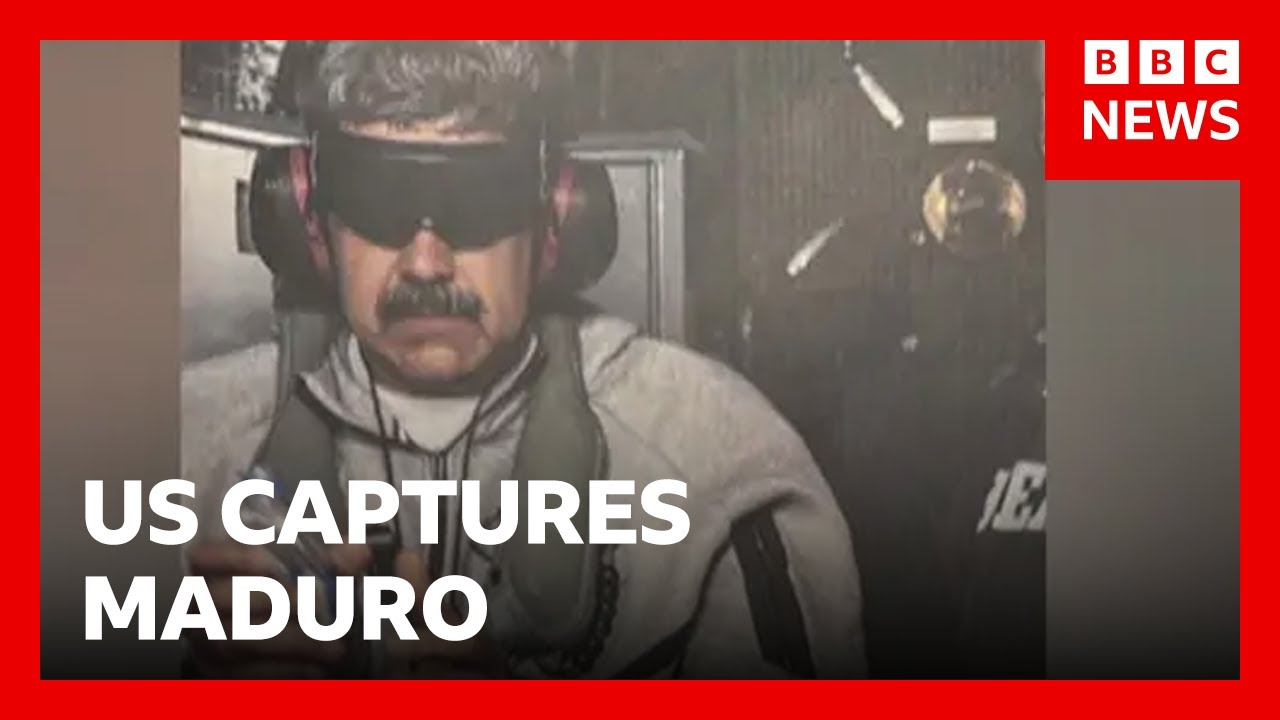
The world watched in shock on Saturday, January 3, 2026, as former U.S. President Donald Trump announced that U.S. forces had captured Venezuelan President Nicolás Maduro and his wife in Caracas. The announcement triggered immediate international reactions, including dramatic scenes in Venezuela, where government supporters set fire to a U.S. flag in protest. Amid the chaos, U.S. Senator Marco Rubio clarified that the United States intends to enforce an oil blockade against Venezuela but will not take on governing responsibilities in the country following Maduro’s capture.
By Aarif Lashari22 days ago in The Swamp
Stocks, Bonds and Oil Steady as Investors Downplay Venezuela Upheaval. AI-Generated.
Global financial markets showed little reaction as political upheaval in Venezuela unfolded, with stocks, bonds, and oil prices largely steady. Investors appeared to downplay the immediate risks posed by developments in the South American nation, choosing instead to focus on broader macroeconomic indicators, central bank policy expectations, and global growth prospects. The muted response highlights how markets often prioritize systemic risks over localized political crises, even in countries with significant energy resources.
By Ayesha Lashari22 days ago in The Swamp