
The Royal Navy’s Future Large Uncrewed Surface Vessels and the Cultural Obstacles to Autonomy
Navigating Technology and Tradition: How the Royal Navy Plans to Integrate Autonomous Ships Amid Cultural Resistance"

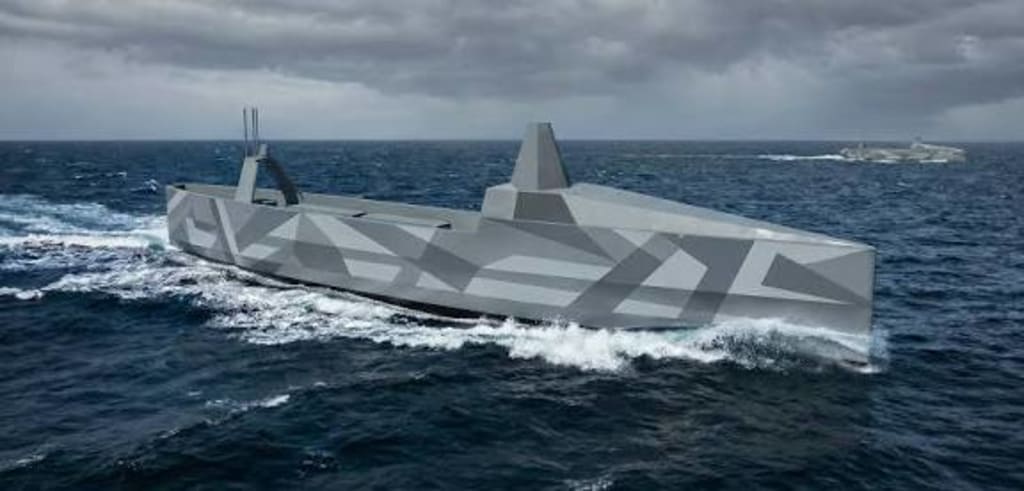
The Royal Navy is entering a transformative era, exploring the potential of Large Uncrewed Surface Vessels (LUSVs) as a key component of its future fleet. These autonomous or semi-autonomous ships are expected to revolutionize naval operations, providing new capabilities for surveillance, logistics, and combat support without putting sailors at direct risk. However, as much as technology is advancing, the real challenges lie not in the machinery itself, but in the cultural and organizational hurdles surrounding autonomy in a traditionally human-driven naval force.
The Promise of Large Uncrewed Surface Vessels
Large Uncrewed Surface Vessels are designed to operate alongside conventional ships, performing a range of tasks from mine countermeasures to intelligence gathering and supply missions. Unlike smaller drones or remotely operated vessels, LUSVs are capable of long-endurance missions, navigating open seas for weeks without requiring crew accommodations.
The Royal Navy envisions these vessels enhancing operational efficiency and risk management. In hostile environments, LUSVs could undertake dangerous reconnaissance or deliver supplies without exposing sailors to combat threats. Additionally, integrating AI systems could allow the vessels to make real-time navigational and tactical decisions, providing commanders with faster, more precise situational awareness.
Beyond combat, LUSVs are expected to reduce operational costs, as the expense of training, housing, and supporting crew for long-term missions is significantly lowered. For a navy facing budget constraints alongside growing strategic demands, autonomous vessels appear to offer both financial and tactical advantages.
The Cultural Hurdle: Human Resistance to Autonomy
Despite these technological promises, there are significant cultural barriers within the Royal Navy that could slow the adoption of autonomous vessels. Navies worldwide, including the Royal Navy, have a deeply ingrained tradition of human-centered command and control. Ships are not just platforms—they are communities, where decision-making, hierarchy, and personal accountability play vital roles in operations.
Skepticism about AI decision-making is common. Many officers worry about entrusting critical tasks, especially in combat scenarios, to machines that may lack human intuition and ethical judgment. Concerns include:
Reliability: How will LUSVs perform in unpredictable weather, or under electronic warfare interference?
Accountability: Who is responsible if an autonomous vessel makes a mistake that leads to loss of life or international incident?
Trust: Can sailors and commanders trust AI systems to act in alignment with naval doctrine and human judgment?
This reluctance is not unique to the Royal Navy; militaries worldwide are grappling with similar cultural challenges as autonomy becomes a reality in modern warfare. The successful integration of LUSVs will require training programs, simulations, and policy frameworks that build trust between humans and machines.
Organizational and Strategic Considerations
Beyond individual skepticism, the Royal Navy faces organizational challenges. Fleet operations, maintenance, and strategic planning have historically been designed around crewed vessels. Introducing LUSVs necessitates new doctrines, logistics support systems, and cybersecurity measures. Autonomous vessels must be networked securely to prevent hacking, and crews must be trained to operate and repair hybrid human-machine systems.
Additionally, LUSVs may change the command structure at sea. Decision-making will become a shared responsibility between humans and AI, requiring a redefinition of leadership roles and operational protocols. The navy will need to balance autonomy with human oversight, creating systems that maximize efficiency without eroding accountability.
Global Context and Lessons Learned
The Royal Navy is not alone in pursuing uncrewed surface vessels. The U.S. Navy has tested its own LUSV prototypes, while other nations explore autonomous systems for patrol and defense missions. Observing these developments, the Royal Navy can learn from early successes and failures, particularly in managing cultural resistance and ensuring ethical use of autonomous platforms.
International collaboration could also play a role. Joint exercises with allies could demonstrate the operational benefits of LUSVs while fostering shared standards and trust in autonomous technology.
The Path Forward
Integrating Large Uncrewed Surface Vessels into the Royal Navy represents more than a technological upgrade; it is a cultural transformation. The future success of these systems will depend not only on engineering but on leadership, training, and policy innovation. By addressing skepticism, creating clear accountability frameworks, and fostering human-machine trust, the Royal Navy can ensure that LUSVs become a force multiplier, enhancing maritime security while preserving the values and cohesion of the naval community.
Autonomy at sea is no longer science fiction—it is on the horizon. How the Royal Navy navigates the human and cultural obstacles will determine whether these ships remain experimental tools or become central pillars of Britain’s naval power in the decades to come.
About the Creator
Fiaz Ahmed Brohi
I am a passionate writer with a love for exploring and creating content on trending topics. Always curious, always sharing stories that engage and inspire.
Keep reading
More stories from Fiaz Ahmed Brohi and writers in The Swamp and other communities.
How demand for elite falcons in the Middle East is driving illegal trade of British birds
The majestic falcon has long been a symbol of power, prestige, and tradition in the Middle East. Revered for its hunting prowess and regal bearing, the bird occupies a unique place in Gulf culture, with wealthy enthusiasts investing thousands of dollars to own and train these raptors. However, the soaring demand for elite falcons has created a dark undercurrent: an illegal trade that stretches from the quiet countryside of Britain to the bustling markets of the Arabian Peninsula, threatening native populations and raising serious ethical and legal concerns. The Allure of British Falcons Falcons bred in Britain are particularly prized in Middle Eastern markets. Known for their strength, agility, and pedigree, these birds fetch enormous sums. While traditional falconry remains a celebrated cultural sport, the pressure to obtain birds with elite genetic lines has fueled a lucrative, often illicit, trade network. Breeders and smugglers are exploiting regulatory gaps, moving birds across borders under false pretenses, or illegally exporting them to countries where falconry commands high status. This demand is not purely symbolic. In the competitive world of falconry, owning a bird with exceptional hunting skills can define social standing and demonstrate wealth. The rarest falcons, often meticulously trained from a young age, are seen as investments, sometimes appreciating in value over time. Such economic incentives have created fertile ground for criminal networks, who view these birds not as living creatures but as commodities. Illegal Trade and Smuggling Routes Reports indicate that smugglers use increasingly sophisticated methods to transport falcons from Britain to Middle Eastern countries. Some are moved via private jets, hidden in cargo compartments, or falsely documented as pets or other non-commercial animals. Once they arrive, these birds enter a high-value market where buyers are willing to pay exorbitant prices for elite specimens. Authorities in the UK have been stepping up enforcement efforts, but the clandestine nature of the trade makes detection difficult. Conservationists warn that the illegal extraction of these birds can harm local ecosystems, particularly when juvenile birds are taken from their natural habitats. Beyond ecological damage, the welfare of the birds themselves is often compromised, with reports of mistreatment, poor transport conditions, and inadequate care during smuggling operations. The Role of Middle Eastern Culture Falconry is deeply embedded in Gulf identity, celebrated during festivals and practiced by royalty and ordinary enthusiasts alike. The cultural reverence for these birds complicates enforcement. In some cases, buyers may not question the origin of the birds as long as they are high-quality specimens. Meanwhile, traders exploit this cultural passion, prioritizing profit over legality and conservation. Experts argue that addressing the issue requires a nuanced approach that respects cultural traditions while ensuring ethical treatment and legal trade practices. Efforts to promote breeding programs within the Middle East, alongside stricter international regulations, could reduce pressure on British falcons and help curb illegal activity. Conservation Concerns The illegal trade has broader environmental implications. Removing young falcons from the wild can destabilize local populations and disrupt ecological balance. Birds that are smuggled often face stress, injury, or death during transportation, raising ethical concerns about the human impact on wildlife. Organizations such as the Royal Society for the Protection of Birds (RSPB) and international wildlife trade watchdogs are advocating for stronger protections. These include better tracking of legally bred birds, harsher penalties for traffickers, and educational campaigns aimed at buyers in the Middle East to promote awareness about the consequences of illegal trade. Toward Sustainable Falconry Some Middle Eastern countries are beginning to invest in legal, sustainable breeding programs that can meet the high demand without resorting to illegal imports. By developing local populations of high-quality falcons, authorities hope to provide enthusiasts with access to elite birds while preserving natural ecosystems abroad. Education is also key. Raising awareness about the origin and welfare of falcons among buyers could reduce demand for smuggled birds. Promoting responsible falconry practices ensures that the sport, while prestigious, does not come at the cost of ecological harm or animal suffering. Conclusion The soaring demand for elite falcons in the Middle East has cast a shadow over the traditional sport of falconry, creating a complex web of illegal trade that spans continents. British birds, prized for their genetics and skill, have become the target of smugglers, challenging conservationists, authorities, and ethical buyers alike. Addressing this crisis requires cooperation between governments, wildlife organizations, and the falconry community. By fostering sustainable breeding programs, enforcing regulations, and educating buyers, it is possible to protect these majestic birds while respecting cultural traditions. As the sport continues to thrive, the hope is that falconry in the Middle
By Fiaz Ahmed Brohi14 days ago in The Swamp
With Tensions High, Israel and Iran Secretly Reassured Each Other via Russia
Amid ongoing tensions in the Middle East, Israel and Iran have reportedly engaged in secret communications through Russia, aiming to manage a delicate balance of deterrence and avoid an escalation into open conflict. While public rhetoric between the two nations remains sharply hostile, diplomatic backchannels are being used to reduce the risk of miscalculations that could ignite broader regional warfare.
By Aarif Lashari4 days ago in The Swamp


Comments
There are no comments for this story
Be the first to respond and start the conversation.