politics
Politics does not dictate our collective cultural mindset as much as it simply reflects it; We've got to look in the mirror sometimes, and we've got one.
Switzerland: All Victims of Bar Fire Disaster Identified. AI-Generated.
Switzerland has confirmed that all victims of a devastating bar fire disaster have now been formally identified, bringing a measure of closure to grieving families and a shocked nation. The tragic incident, which occurred late at night in a popular local bar, claimed multiple lives and injured several others, marking one of the most serious fire-related disasters in recent Swiss history. While the confirmation of identities answers one painful question, it also underscores the profound human cost of the tragedy and the urgent need for answers about how it happened.
By Ayesha Lashari22 days ago in The Swamp
Berlin Suspects ‘Leftwing Extremists’ of Causing Huge Power Outage. AI-Generated.
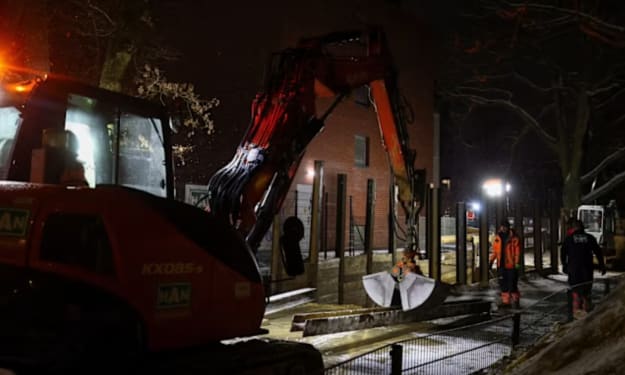
Berlin authorities are investigating whether leftwing extremist groups were responsible for a major power outage that plunged large parts of the German capital into darkness, disrupting transport networks, businesses, and essential services. The incident has raised serious concerns about the vulnerability of critical infrastructure and has sparked renewed debate over political extremism and domestic security in Germany. The outage, which occurred suddenly and without warning, affected thousands of households and commercial districts, temporarily halting public transport and forcing emergency services to activate contingency plans. While electricity was gradually restored, officials say the scale and nature of the disruption point to possible deliberate sabotage rather than a technical fault. What Happened During the Blackout The power outage struck parts of Berlin during peak hours, cutting electricity to residential areas, offices, traffic systems, and sections of the city’s rail network. Subway lines were suspended, traffic lights went dark at busy intersections, and shops and offices were forced to close early. Hospitals and critical facilities switched to backup generators, preventing major medical emergencies, but authorities acknowledged that the situation could have been far worse if the outage had lasted longer. Residents described scenes of confusion as commuters were stranded and mobile phone networks became overloaded. While power was restored within hours, the disruption left the city shaken and searching for answers. Suspicion of Deliberate Sabotage Berlin police and security agencies quickly ruled out routine equipment failure after initial assessments. Investigators discovered signs suggesting intentional damage to power infrastructure, prompting officials to consider sabotage as a leading possibility. City authorities later confirmed that they suspect leftwing extremist groups may be behind the incident. Germany has a history of radical activist movements targeting infrastructure to protest capitalism, energy policy, housing shortages, and state authority. “These acts go far beyond protest,” a senior security official said. “If confirmed, this would represent a serious criminal attack on public infrastructure with potentially dangerous consequences.” No group has yet claimed responsibility, and the investigation remains ongoing. Why Leftwing Extremists Are Under Scrutiny Germany’s domestic intelligence agency has long monitored leftwing extremist networks, particularly in cities like Berlin, Hamburg, and Leipzig. These groups often oppose private energy companies, large corporations, and government policies, sometimes advocating direct action rather than peaceful protest. In the past, such groups have been linked to: Sabotage of construction projects Attacks on corporate property Disruption of transport and logistics While most leftwing activism in Germany is non-violent, authorities warn that small radical factions are increasingly willing to engage in criminal acts to attract attention to their causes. Officials stress that the investigation does not target lawful protest movements but focuses on individuals or groups suspected of engaging in illegal and dangerous actions. Impact on the City The blackout caused significant economic and social disruption. Businesses reported financial losses due to forced closures, while transport delays rippled across the city for hours. Tourists and residents alike were affected, particularly in central districts. Public trust was also shaken. Berliners are accustomed to protests and political demonstrations, but a citywide power outage triggered fears about security and preparedness. Urban planners and security experts say the incident highlights how modern cities are deeply dependent on fragile infrastructure, where even a single point of failure — intentional or accidental — can have widespread consequences. Political Reactions and Public Debate The suspected sabotage has triggered sharp reactions across Germany’s political spectrum. Government officials condemned any attack on public infrastructure, warning that such actions endanger lives and undermine democratic society. Conservative politicians called for stronger surveillance and tougher penalties for extremist crimes, while left-leaning parties cautioned against broad accusations that could stigmatize peaceful activists. Civil liberties groups emphasized the importance of distinguishing between legitimate protest and criminal extremism, warning that overreach could harm democratic freedoms. Despite differing views, there is broad consensus that sabotaging power systems crosses a clear line and cannot be justified as political expression. Security and Infrastructure Concerns The outage has renewed concerns about the security of Germany’s energy networks. Experts note that while cyberattacks often dominate headlines, physical sabotage remains a serious and sometimes underestimated threat. Energy providers and city authorities are now reviewing security protocols, including: Physical protection of substations Surveillance and monitoring systems Rapid response coordination between police and utility companies Germany, like many European countries, is under pressure to modernize infrastructure while also defending it against both physical and digital threats. A Broader European Context The Berlin incident comes amid growing anxiety across Europe about attacks on critical infrastructure. In recent years, authorities have reported attempted sabotage of rail lines, communication cables, and energy facilities in several countries. Security analysts say rising political polarization, climate activism, and economic pressures have contributed to a more volatile protest landscape. While most activists reject violence, authorities warn that extremist fringes on both the left and right are becoming more confrontational. Berlin’s case is now being closely watched by other European capitals as a test of preparedness and response. Investigation Ongoing Police have launched a wide-ranging investigation involving forensic analysis, surveillance footage, and intelligence cooperation. Officials say arrests are possible but caution that identifying suspects in infrastructure sabotage cases can take time. Authorities have urged the public not to speculate or spread misinformation while the investigation continues. They also reassured residents that there is no immediate threat of further outages, though security remains heightened. Conclusion The massive power outage in Berlin has exposed the vulnerability of urban infrastructure and reignited debate over political extremism and public safety. While investigators have yet to confirm responsibility, the suspicion of leftwing extremist involvement has raised serious questions about how far radical activism may be willing to go. As Berlin returns to normal, the incident serves as a stark reminder: in an interconnected city, attacks on infrastructure are not symbolic acts — they have real consequences for millions of people. The outcome of the investigation will likely shape future security policy and how Germany balances civil protest with the protection of essential public services.
By Muhammad Hassan22 days ago in The Swamp
From Grudging Respect to Unease: Russia Weighs Up Fall of Maduro. AI-Generated.
Russia is reassessing its position in Latin America as uncertainty deepens over the future of Venezuelan President Nicolás Maduro. For years, Moscow maintained a relationship of grudging respect with Caracas—rooted less in ideology than in shared opposition to U.S. influence. Now, amid mounting pressure on Maduro’s rule and renewed speculation about his political survival, Russian policymakers are confronting a more uncomfortable reality: the possible collapse of a key strategic partner.
By Aarif Lashari22 days ago in The Swamp
International Aid Groups Grapple With What Israel’s Ban Will Mean for Their Work in Gaza. AI-Generated.
International humanitarian aid groups are sounding the alarm after Israel announced a ban affecting the operations of certain international organisations working in Gaza, a move that aid officials say could dramatically worsen an already catastrophic humanitarian situation. As war, displacement, and shortages continue to grip the territory, charities and relief agencies are now struggling to understand how they can continue delivering food, medical care, and shelter to civilians who depend almost entirely on external assistance. For months, Gaza has been described by humanitarian agencies as being on the brink of collapse. The new restrictions have added a fresh layer of uncertainty, raising fears that aid operations could be slowed, scaled back, or even halted altogether at a time when needs are at their highest. What the Ban Means Israel’s decision targets the activities of selected international aid groups, placing limits on their ability to operate, coordinate, or move freely in and around Gaza. While Israeli officials argue the measures are driven by security concerns — including allegations that aid resources could be misused — humanitarian organisations say the ban risks undermining neutral, lifesaving work. Many aid agencies rely on access approvals, staff visas, border coordination, and logistical permissions to function. Any disruption to these mechanisms can paralyse operations almost instantly. “We’re not talking about abstract policy changes,” one senior aid official said. “We’re talking about whether hospitals receive medicine, whether children eat, and whether displaced families have shelter.” Gaza’s Humanitarian Crisis at a Breaking Point Even before the ban, Gaza was facing one of the worst humanitarian crises in its history. Continuous fighting has destroyed large parts of civilian infrastructure, including hospitals, water systems, and homes. More than a million people have been displaced, many living in overcrowded shelters or makeshift camps with limited access to clean water and sanitation. Aid agencies estimate that the majority of Gaza’s population now depends on humanitarian assistance to survive. Food insecurity is widespread, medical supplies are critically low, and preventable diseases are spreading due to poor living conditions. Against this backdrop, any restriction on aid delivery could have immediate and deadly consequences. Operational Challenges for Aid Groups International aid organisations operate in Gaza through a complex system of coordination involving Israeli authorities, local partners, and international donors. The new ban threatens to disrupt this system in several ways: Access restrictions: Aid convoys may face delays or denials at border crossings. Staffing issues: International staff could be barred from entering or forced to leave, leaving operations understaffed. Funding risks: Donors may suspend funding if organisations are unable to operate legally or effectively. Coordination breakdowns: Reduced communication and movement make it harder to assess needs and deliver targeted assistance. Many organisations say they are now conducting emergency contingency planning, including prioritising only the most critical services and preparing for worst-case scenarios. Israel’s Position Israeli authorities maintain that the ban is necessary for national security. Officials have repeatedly accused militant groups of exploiting humanitarian aid — claims that aid organisations strongly deny, stressing their strict monitoring and accountability systems. Israel also argues that humanitarian access must be balanced with security considerations, especially during an active conflict. However, aid groups counter that collective restrictions on humanitarian work punish civilians rather than addressing specific security concerns. International humanitarian law requires all parties to a conflict to allow and facilitate impartial humanitarian assistance for civilians in need. Legal experts say the new measures could raise serious questions under these obligations. International Reaction and Diplomatic Pressure The announcement has drawn concern from governments, the United Nations, and global human rights organisations. Several countries that fund aid operations in Gaza have urged Israel to reconsider or clarify the scope of the ban, warning that reduced humanitarian access could lead to famine, disease, and mass civilian suffering. UN officials have emphasized that humanitarian agencies are neutral actors whose sole purpose is to save lives. They have called for urgent dialogue to prevent a total breakdown of aid operations. At the same time, diplomatic efforts to secure humanitarian pauses and expanded access have struggled amid ongoing hostilities and political deadlock. The Human Cost on the Ground For civilians in Gaza, the debate over access and policy feels distant compared to daily survival. Families already ration food, skip meals, and go without medical care. Parents fear disease as clean water becomes harder to find, and doctors face impossible choices due to shortages of medicine and equipment. Aid workers warn that if international organisations are forced to scale back, the most vulnerable — children, the elderly, and the injured — will suffer first. “This isn’t about politics,” said one field worker. “It’s about whether a wounded child gets treatment, or whether a family has bread tomorrow.” Aid Groups Caught in the Middle International aid organisations now find themselves navigating a narrow and dangerous path: trying to maintain access while defending their neutrality and independence. Some fear that complying with restrictive conditions could compromise humanitarian principles, while refusing could mean being shut out completely. There is also concern about the precedent such bans could set, potentially emboldening other governments to restrict humanitarian access in conflict zones worldwide. Despite the challenges, many organisations say they are determined to stay and continue their work for as long as possible. What Comes Next The future of humanitarian operations in Gaza remains uncertain. Much will depend on whether diplomatic pressure leads to adjustments in Israel’s policy, and whether mechanisms can be found to address security concerns without crippling aid delivery. Aid groups are calling for: Clear, transparent guidelines Protection for humanitarian staff Unimpeded access for lifesaving assistance Without these measures, they warn, Gaza’s humanitarian crisis could deepen into a full-scale catastrophe. Conclusion Israel’s ban has placed international aid groups in an impossible position, forcing them to balance access, ethics, and survival in one of the world’s most volatile conflict zones. As political arguments continue, the consequences will be felt not in policy rooms, but in hospitals, shelters, and overcrowded camps across Gaza. For millions of civilians, humanitarian aid is not optional — it is the difference between life and death. Whether the international community can ensure that aid continues to flow may define the next chapter of Gaza’s unfolding crisis.
By Muhammad Hassan22 days ago in The Swamp
Greenland Prime Minister Says ‘Enough’ After Latest Trump Threat. AI-Generated.
Greenland’s prime minister has issued a firm rebuke following what he described as the latest threat or provocative remark from former U.S. President Donald Trump, declaring that “enough is enough.” The strong response underscores growing frustration in Greenland over repeated statements that question the island’s sovereignty and treat it as a geopolitical asset rather than a self-governing society.
By Aarif Lashari22 days ago in The Swamp
Switzerland: All Victims of Bar Fire Disaster Identified. AI-Generated.
Switzerland is mourning after authorities confirmed that all victims of the deadly bar fire in the Alpine resort of Crans-Montana have now been identified. The announcement brings a painful sense of closure to families, while also intensifying national debate about safety, accountability, and how such a tragedy could occur in one of the world’s safest countries. The fire, which broke out during New Year’s Eve celebrations, claimed 40 lives and injured more than a hundred others. What began as a night of celebration quickly turned into one of the deadliest civilian disasters in recent Swiss history, leaving the country stunned and grieving. A Celebration That Turned Into Catastrophe Shortly after midnight on January 1, a fire erupted inside a packed bar at the popular ski resort of Crans-Montana. The venue was crowded with locals, seasonal workers, and tourists celebrating the arrival of the New Year. According to early findings, the fire spread extremely quickly, filling the bar with thick smoke and flames within moments. Many people inside had little time to react. Survivors later described scenes of panic as guests attempted to escape through limited exits. Emergency services arrived swiftly, but the intensity of the blaze and the dense crowd made rescue efforts exceptionally difficult. Despite the rapid response, 40 people lost their lives, and over 100 were injured, many suffering severe burns or smoke inhalation. Victims Identified After Days of Painful Waiting In the days following the disaster, Swiss authorities worked around the clock to identify the victims. Due to the severity of injuries and the multinational nature of those involved, the process was complex and emotionally draining. Police have now confirmed that all 40 victims have been formally identified, allowing families to begin funeral arrangements and grieving rituals. While officials have not released names publicly, they have shared details showing just how wide-reaching the tragedy is. The victims included Swiss citizens and foreign nationals from several European countries, reflecting the international character of the resort. Most heartbreaking of all, many of those who died were teenagers, with roughly half believed to be under the age of 18. This revelation has shocked the nation and raised difficult questions about crowd control, age restrictions, and supervision in nightlife venues. A Nation in Mourning Across Switzerland, the mood has shifted from festive to somber. Candlelight vigils, memorial services, and moments of silence have been held in towns and cities nationwide. In Crans-Montana itself, flowers and handwritten messages line the streets near the destroyed bar. Swiss leaders have expressed deep condolences to the victims’ families. The federal government announced a national day of mourning, with flags lowered and church bells tolling across the country. Messages of sympathy have also poured in from abroad, as governments and international figures expressed solidarity with Switzerland during this difficult time. What Caused the Fire? While the investigation is ongoing, early reports suggest the blaze may have been triggered by sparklers attached to champagne bottles, a common New Year’s Eve tradition. These may have ignited flammable materials in the ceiling, causing a rapid flash fire. Fire experts believe the speed at which the flames spread left little chance for escape. Investigators are now examining: Whether fire-resistant materials were used If emergency exits were clearly marked and accessible Whether the venue complied with fire safety and occupancy regulations Authorities have confirmed that a criminal investigation has been launched, focusing on potential negligence. Bar managers are suspected of failing to meet safety standards, though no charges have yet been formally filed. Anger, Grief, and Demands for Accountability As grief deepens, so does public anger. Many are asking how such a tragedy could occur in a country known for strict regulations and high safety standards. Parents are demanding answers about how so many minors were allowed inside a crowded bar late at night. Survivors and families of victims are calling for clear accountability, insisting that lessons must be learned to prevent future disasters. Legal experts say the investigation could take months, and possibly years, depending on its findings. Civil lawsuits are also expected. A Tragedy That Will Leave a Lasting Mark The Crans-Montana bar fire has left an indelible mark on Switzerland’s collective memory. Beyond the statistics and investigations are 40 lives lost, many of them young, each representing a future that will never be fulfilled. While identifying the victims provides a form of closure, it does not ease the pain felt by families, friends, and communities. As Switzerland mourns, the focus now shifts to truth, justice, and reform. The hope shared by many is that this devastating loss will lead to stronger safety enforcement, greater responsibility among venue operators, and meaningful change — ensuring that such a tragedy is never repeated. For now, a nation grieves, remembers, and waits for
By Muhammad Hassan22 days ago in The Swamp
Paris Court Finds 10 Guilty of Harassing Brigitte Macron Online. AI-Generated.
A Paris court has found ten individuals guilty of harassing Brigitte Macron, the wife of French President Emmanuel Macron, in a significant ruling that underscores France’s growing determination to combat online abuse and cyber-harassment. The verdict sends a strong message that digital platforms are not lawless spaces and that individuals spreading hate, threats, or defamatory content online can and will be held accountable.
By Aarif Lashari22 days ago in The Swamp
How demand for elite falcons in the Middle East is driving illegal trade of British birds. AI-Generated.
The majestic falcon has long been a symbol of power, prestige, and tradition in the Middle East. Revered for its hunting prowess and regal bearing, the bird occupies a unique place in Gulf culture, with wealthy enthusiasts investing thousands of dollars to own and train these raptors. However, the soaring demand for elite falcons has created a dark undercurrent: an illegal trade that stretches from the quiet countryside of Britain to the bustling markets of the Arabian Peninsula, threatening native populations and raising serious ethical and legal concerns. The Allure of British Falcons Falcons bred in Britain are particularly prized in Middle Eastern markets. Known for their strength, agility, and pedigree, these birds fetch enormous sums. While traditional falconry remains a celebrated cultural sport, the pressure to obtain birds with elite genetic lines has fueled a lucrative, often illicit, trade network. Breeders and smugglers are exploiting regulatory gaps, moving birds across borders under false pretenses, or illegally exporting them to countries where falconry commands high status. This demand is not purely symbolic. In the competitive world of falconry, owning a bird with exceptional hunting skills can define social standing and demonstrate wealth. The rarest falcons, often meticulously trained from a young age, are seen as investments, sometimes appreciating in value over time. Such economic incentives have created fertile ground for criminal networks, who view these birds not as living creatures but as commodities. Illegal Trade and Smuggling Routes Reports indicate that smugglers use increasingly sophisticated methods to transport falcons from Britain to Middle Eastern countries. Some are moved via private jets, hidden in cargo compartments, or falsely documented as pets or other non-commercial animals. Once they arrive, these birds enter a high-value market where buyers are willing to pay exorbitant prices for elite specimens. Authorities in the UK have been stepping up enforcement efforts, but the clandestine nature of the trade makes detection difficult. Conservationists warn that the illegal extraction of these birds can harm local ecosystems, particularly when juvenile birds are taken from their natural habitats. Beyond ecological damage, the welfare of the birds themselves is often compromised, with reports of mistreatment, poor transport conditions, and inadequate care during smuggling operations. The Role of Middle Eastern Culture Falconry is deeply embedded in Gulf identity, celebrated during festivals and practiced by royalty and ordinary enthusiasts alike. The cultural reverence for these birds complicates enforcement. In some cases, buyers may not question the origin of the birds as long as they are high-quality specimens. Meanwhile, traders exploit this cultural passion, prioritizing profit over legality and conservation. Experts argue that addressing the issue requires a nuanced approach that respects cultural traditions while ensuring ethical treatment and legal trade practices. Efforts to promote breeding programs within the Middle East, alongside stricter international regulations, could reduce pressure on British falcons and help curb illegal activity. Conservation Concerns The illegal trade has broader environmental implications. Removing young falcons from the wild can destabilize local populations and disrupt ecological balance. Birds that are smuggled often face stress, injury, or death during transportation, raising ethical concerns about the human impact on wildlife. Organizations such as the Royal Society for the Protection of Birds (RSPB) and international wildlife trade watchdogs are advocating for stronger protections. These include better tracking of legally bred birds, harsher penalties for traffickers, and educational campaigns aimed at buyers in the Middle East to promote awareness about the consequences of illegal trade. Toward Sustainable Falconry Some Middle Eastern countries are beginning to invest in legal, sustainable breeding programs that can meet the high demand without resorting to illegal imports. By developing local populations of high-quality falcons, authorities hope to provide enthusiasts with access to elite birds while preserving natural ecosystems abroad. Education is also key. Raising awareness about the origin and welfare of falcons among buyers could reduce demand for smuggled birds. Promoting responsible falconry practices ensures that the sport, while prestigious, does not come at the cost of ecological harm or animal suffering. Conclusion The soaring demand for elite falcons in the Middle East has cast a shadow over the traditional sport of falconry, creating a complex web of illegal trade that spans continents. British birds, prized for their genetics and skill, have become the target of smugglers, challenging conservationists, authorities, and ethical buyers alike. Addressing this crisis requires cooperation between governments, wildlife organizations, and the falconry community. By fostering sustainable breeding programs, enforcing regulations, and educating buyers, it is possible to protect these majestic birds while respecting cultural traditions. As the sport continues to thrive, the hope is that falconry in the Middle
By Fiaz Ahmed Brohi22 days ago in The Swamp
The Biggest Factory Powering Russia’s Missiles Comes Under Drone Attack, Video Surfaces. AI-Generated.
A video circulating online has revealed a dramatic development in Russia’s military infrastructure: the country’s largest factory responsible for producing missile components came under a drone attack, highlighting vulnerabilities in Russia’s defense supply chain. While the exact scale of damage is still being assessed, the incident underscores the growing role of drone warfare in modern conflicts and raises concerns about the resilience of strategic military production facilities. The Targeted Facility The facility in question is a key production hub for Russia’s missile program, reportedly responsible for manufacturing critical components used in both short-range and long-range systems. Analysts note that disruptions to operations at this plant could significantly impact Russia’s ability to sustain missile launches, particularly as tensions with neighboring countries and Western powers remain high. The drone strike, captured in grainy but compelling footage, shows explosions and plumes of smoke rising from the complex, with structural damage evident across multiple sections of the factory. While official Russian sources have downplayed the attack’s impact, independent analysts warn that even minor disruptions can delay production cycles for high-precision missile components, which are notoriously difficult to manufacture. The Rise of Drone Warfare This incident illustrates the increasing use of drones as offensive tools in modern warfare. Small, precise, and relatively inexpensive compared to traditional airstrikes, drones can penetrate heavily defended areas and target high-value facilities with minimal risk to personnel. Over the past several years, military strategists have recognized drones as a game-changer, capable of tipping the balance in conflicts where conventional forces struggle to reach key infrastructure. In this case, the drone attack demonstrates the potential vulnerability of even heavily fortified industrial complexes. It also signals that military planners must now account for aerial threats at all levels of production, from weapons assembly to supply chain logistics. Strategic Implications The attack on Russia’s missile factory has significant strategic implications. First, it puts pressure on Moscow’s military planners to diversify production sites and strengthen defense measures around critical facilities. Reliance on a single, centralized factory for essential missile components increases the risk of operational bottlenecks if targeted again. Second, the strike could temporarily disrupt missile readiness, potentially affecting regional military posturing. While Russia possesses multiple production lines and stockpiles, delays in component manufacturing could slow replenishment cycles for both active deployments and training exercises. In a tense geopolitical environment, even short-term interruptions can influence diplomatic negotiations and military decision-making. Finally, the attack highlights the evolving nature of asymmetric warfare. Smaller, agile forces equipped with drones can strike at the heart of larger powers’ capabilities, leveling the playing field in conflicts where conventional military strength may otherwise dominate. Russia’s Response While Moscow has yet to release detailed assessments of the damage, preliminary reports suggest heightened security measures across other key defense facilities. Military analysts predict that the Russian government will likely accelerate efforts to harden production sites against drone strikes, using technologies such as radar detection systems, anti-drone countermeasures, and dispersed production strategies. Publicly, Russian media has framed the attack as an isolated incident and an external provocation, though the video’s circulation has sparked international debate about the vulnerability of critical military infrastructure. The Russian Ministry of Defense has reportedly initiated an internal review to determine the effectiveness of existing security protocols and explore measures to prevent future incidents. Lessons for Global Military Planning The incident underscores a broader lesson for militaries worldwide: the centralization of strategic production assets can be a liability in the age of drone warfare. Even technologically advanced nations are not immune to attacks on critical infrastructure, and conventional defenses may not suffice against small, precise aerial vehicles. For countries facing ongoing or potential conflict, investing in redundancy, dispersal, and drone countermeasure technologies is now as essential as traditional armor and air defense systems. The attack also demonstrates that transparency, intelligence gathering, and surveillance of vulnerable sites are critical components of national security strategy. Looking Ahead As investigations continue, the global defense community is watching closely. The video of the drone attack has already sparked debates over the evolving nature of warfare, the vulnerability of missile production facilities, and the potential ripple effects on international security. Whether the factory will fully recover, and how Moscow will adapt its military-industrial operations, remains uncertain. What is clear, however, is that the age of drone-enabled precision strikes has arrived, challenging traditional notions of military invulnerability and redefining how nations safeguard their strategic assets. In the coming months, the ramifications of this attack could influence both Russian military operations and broader global defense strategies. For countries seeking to protect critical infrastructure, the message is unmistakable: preparedness against drone threats is no longer optional—it is imperative.
By Fiaz Ahmed Brohi22 days ago in The Swamp
Teen Girl Educated in UK Confirmed to Have Died in Swiss Bar Fire. AI-Generated.
A teenage girl educated in the United Kingdom has been confirmed dead following a devastating fire at a bar in Switzerland, a tragedy that has sent shockwaves through communities in both countries. The incident, which occurred late at night, has raised serious questions about safety standards, emergency response, and the circumstances that led to the fatal blaze.
By Aarif Lashari22 days ago in The Swamp
North Korea’s Kim Oversees Hypersonic Missile Tests, Citing Growing Geopolitical Crisis. AI-Generated.
North Korea has once again captured global attention as leader Kim Jong-un personally oversaw a series of hypersonic missile tests, citing escalating geopolitical tensions as justification for the demonstrations of military might. The tests, confirmed by Pyongyang’s state media, have triggered alarm in neighboring countries and beyond, underlining the fragile security situation in Northeast Asia. A Show of Advanced Military Capability Hypersonic missiles are a strategic game-changer in modern warfare. Unlike traditional ballistic missiles, hypersonic weapons can travel at speeds exceeding Mach 5, maneuver mid-flight, and evade most existing missile defense systems. North Korea’s successful tests signal its ambition to close the technological gap with global military powers, particularly the United States and South Korea. State-run KCNA reported that Kim Jong-un supervised multiple launches at a military testing range in the country’s northwest. According to the report, the tests were carried out with “precision and success,” highlighting the country’s growing missile expertise. Analysts note that Pyongyang’s investment in hypersonic technology underscores its strategy to gain a credible deterrent against perceived foreign threats. Geopolitical Justifications Kim cited a “growing geopolitical crisis” as the impetus for the missile tests. Though the North Korean leader did not elaborate on the specific provocations, the tests come amid increasing military cooperation between South Korea and the United States. Joint exercises between the two allies, often framed as routine defensive drills, are viewed by Pyongyang as aggressive acts. The timing of these hypersonic missile launches sends a clear signal: North Korea intends to assert its military strength and independence in the face of perceived encirclement. In a statement, Pyongyang described the launches as a “necessary defensive measure” to protect national sovereignty. While the tests have heightened regional tensions, North Korea insists that the exercises are not aimed at initiating conflict but at securing the country’s defensive posture. Regional and Global Reactions The hypersonic missile tests have sparked immediate concern in South Korea, Japan, and the United States. South Korea’s Ministry of Defense confirmed that it monitored the launches and has heightened surveillance along its eastern coast. President Yoon Suk-yeol emphasized the need for calm but warned that any aggression against South Korea would meet a “decisive response.” Japan’s Defense Ministry issued a statement expressing “grave concern” over the missile tests, highlighting the risk they pose to regional peace and security. The Japanese government has called for consultations with the United States and other allies to coordinate responses and reinforce deterrence measures. Meanwhile, the United States, which has repeatedly warned Pyongyang against escalating military provocations, reaffirmed its commitment to the defense of allies in the region. Pentagon officials described the hypersonic tests as a “provocative act” but underscored that diplomatic avenues remain open. The Biden administration is expected to consult closely with regional partners to determine the next steps in balancing deterrence with dialogue. The Strategic Implications of Hypersonic Weapons Hypersonic missile technology is particularly concerning because of its combination of speed, maneuverability, and potential nuclear capability. Unlike conventional missiles, which follow predictable trajectories, hypersonic missiles can evade radar and anti-missile systems, complicating defense planning. For North Korea, hypersonic weapons are both a deterrent and a bargaining tool. By demonstrating technological prowess, Pyongyang strengthens its negotiating position in any future talks concerning sanctions, security guarantees, or nuclear disarmament. Experts warn that the proliferation of such advanced weapons could spark a regional arms race, with neighboring countries accelerating their own missile defense and offensive capabilities. Looking Ahead As North Korea continues to advance its missile programs, the international community faces a delicate balancing act: deterring further provocations while keeping open channels for dialogue. Analysts suggest that sustained diplomatic engagement, coupled with targeted sanctions, may provide the most effective approach to reducing tensions. However, Kim Jong-un’s decision to personally oversee hypersonic missile tests underscores the North Korean leadership’s commitment to showcasing military power, particularly in times of perceived geopolitical instability. The tests are unlikely to be the last demonstration, and regional actors must remain vigilant in anticipating the next move from Pyongyang. In the meantime, the world watches closely as North Korea continues to refine its missile technology. With hypersonic weapons entering the global arsenal, the stakes for regional security and international diplomacy have never been higher.
By Fiaz Ahmed Brohi22 days ago in The Swamp