
Russian Army Loses 990 Soldiers and Multiple Rocket Systems in One Day as Ukraine Intensifies Battlefield Pressure
High daily losses underline the brutal attrition shaping the next phase of the conflict

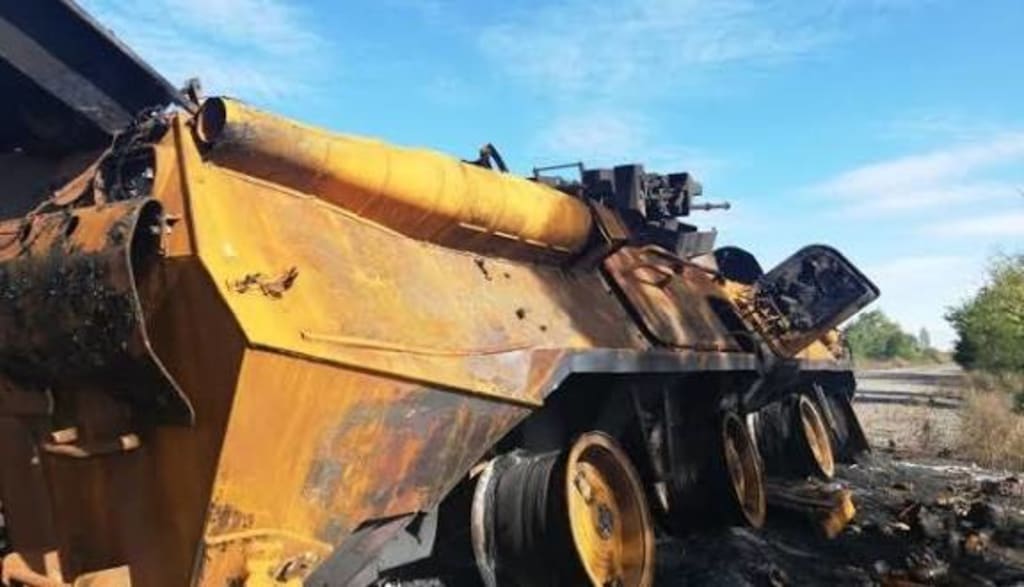
The war between Russia and Ukraine continues to exact a heavy toll, with Ukrainian military officials reporting that nearly 1,000 Russian soldiers were lost in a single day, alongside the destruction of two multiple launch rocket systems (MLRS). The figures, released as part of Ukraine’s daily battlefield assessment, highlight the intensifying pace of combat and the growing strain on Russian forces as the conflict grinds on.
While casualty numbers in wartime are often contested and difficult to independently verify, the scale of losses reported underscores a broader trend: the war has entered a phase defined by attrition, technology-driven strikes, and relentless pressure on manpower and equipment.
A Snapshot of One Day in a Prolonged War
According to Ukraine’s military command, the reported losses occurred across several active fronts, where Russian troops have continued offensive operations despite mounting resistance. The claimed figure of 990 soldiers lost in just 24 hours reflects one of the higher daily casualty counts reported in recent weeks.
In addition to personnel losses, Ukrainian forces announced the destruction of two multiple launch rocket systems, a critical component of Russia’s long-range firepower. These systems are used to bombard Ukrainian positions, cities, and supply lines, making them high-priority targets for Ukrainian artillery, drones, and precision strikes.
The loss of such equipment is significant, not only because of its battlefield value but also because replacing advanced rocket systems is far more difficult and time-consuming than replenishing basic military hardware.
Why Multiple Launch Rocket Systems Matter
Multiple launch rocket systems play a central role in modern warfare. Capable of firing salvos of rockets over wide areas, MLRS platforms are designed to overwhelm defenses, suppress enemy positions, and inflict damage far beyond the front line.
For Russia, these systems have been a key tool in applying pressure on Ukrainian defenses. Their destruction signals Ukraine’s growing ability to identify, track, and eliminate high-value targets, often using a combination of intelligence-sharing, satellite imagery, and domestically produced drones.
Military analysts note that each destroyed launcher represents not just lost hardware, but lost operational flexibility. With fewer systems available, Russian forces may struggle to maintain the same level of artillery dominance they relied on earlier in the war.
Attrition as a Strategy
The reported losses point to a broader reality of the conflict: this war is increasingly about wearing the opponent down. Ukraine has focused on degrading Russia’s manpower and equipment gradually, forcing Moscow to commit more resources to maintain its positions.
Daily casualty figures—whether fully accurate or not—serve an important strategic purpose. They communicate to both domestic and international audiences that Russian forces are paying a steep price for continued aggression. At the same time, they boost morale within Ukraine by demonstrating tangible battlefield results.
For Russia, sustained losses at this scale raise difficult questions about recruitment, training, and morale. Replacing nearly a thousand soldiers in a single day is not just a logistical challenge—it has long-term consequences for combat effectiveness.
Human Cost Behind the Numbers
Beyond strategy and statistics lies the human cost of war. Each reported casualty represents a life disrupted or lost, families affected, and communities changed forever. While battlefield updates often focus on numbers and equipment, the reality on the ground is one of exhaustion, trauma, and grief on both sides.
Prolonged fighting has also increased pressure on medical systems, evacuation routes, and frontline support units. As casualties rise, the ability to provide timely care becomes increasingly strained, compounding the impact of losses.
What This Means for the War’s Trajectory
The destruction of personnel and key weapons systems in a single day does not, on its own, determine the outcome of the war. However, consistent losses of this magnitude can shift momentum over time. Reduced manpower limits offensive capabilities, while the loss of heavy weapons weakens the ability to hold territory or launch large-scale assaults.
Ukraine’s continued success in targeting advanced systems suggests that its military has adapted effectively, learning how to counter Russia’s strengths while exploiting its vulnerabilities. The use of drones, precision strikes, and coordinated intelligence has transformed the battlefield into one where large formations and static positions are increasingly risky.
Conclusion
The report that the Russian army lost 990 soldiers and two multiple launch rocket systems in a single day offers a stark illustration of the war’s intensity and the high cost of prolonged conflict. Whether viewed as a tactical setback or part of a broader pattern, such losses reinforce the reality that the war in Ukraine is far from slowing down.
As fighting continues, each day adds another layer to a conflict defined by endurance, adaptation, and sacrifice. For now, the battlefield remains unforgiving, and the numbers—however debated—tell a story of a war that continues to demand an extraordinary price from all involved.
About the Creator
Fiaz Ahmed Brohi
I am a passionate writer with a love for exploring and creating content on trending topics. Always curious, always sharing stories that engage and inspire.
Keep reading
More stories from Fiaz Ahmed Brohi and writers in The Swamp and other communities.
Ukraine Targets Moscow Daily With Drones This Year, Russia Says, in Apparent Escalation
Tensions between Ukraine and Russia have entered a new phase, with Moscow reporting that it is now under daily drone attacks from Ukrainian forces. According to Russian officials, the drone strikes, described as persistent and precise, represent a significant escalation in the ongoing conflict, highlighting the evolving strategies and technologies employed on both sides of the war. The Drone Escalation Russia’s Ministry of Defense confirmed that its capital has experienced repeated aerial incursions, primarily from small unmanned aerial vehicles (UAVs) launched from Ukraine. These drones, though limited in payload compared to traditional aircraft, are designed to conduct surveillance, disrupt infrastructure, and, in some cases, deliver explosives. Russian authorities claim that these attacks have caused damage to industrial facilities and temporarily disrupted transportation networks, though detailed casualty figures have not been disclosed. The frequency of these attacks—described as occurring on a daily basis—signals a shift in Ukraine’s military strategy. Rather than focusing solely on frontline engagements in eastern Ukraine, Kyiv appears to be extending its reach deep into Russian territory, targeting symbolic and strategic locations in the heart of the country. Analysts suggest that this move is aimed not only at degrading Russia’s operational capabilities but also at sending a strong political message. Ukraine’s Growing Drone Capabilities The drone strikes reflect Ukraine’s increasing proficiency with unmanned technologies, which have become a hallmark of modern conflicts worldwide. Over the past year, Kyiv has reportedly received drone platforms and training from Western allies, enabling it to carry out long-range reconnaissance and precision strikes. These systems provide a significant advantage, as they allow forces to conduct operations without risking human pilots and with lower logistical footprints than traditional aircraft. Experts note that the use of drones in urban and high-value areas is inherently challenging, requiring careful navigation of air defense systems and the ability to adapt to countermeasures. Ukraine’s apparent success in consistently reaching Moscow suggests a high degree of operational planning and technical skill, as well as possible gaps in Russian air defense coverage. Moscow’s Response Russian authorities have condemned the attacks, vowing to strengthen airspace defenses and to retaliate against what they describe as “terrorist-like incursions.” Russian media has reported increased deployment of surface-to-air missile systems and tighter security around critical infrastructure in the capital region. Analysts warn, however, that defending against small, low-flying drones is inherently difficult, as these craft can exploit radar blind spots and urban environments to evade detection. Moscow’s reaction also carries a political dimension. Russian leadership is using the drone attacks to rally domestic support, portraying Ukraine as escalating hostilities beyond conventional battlefields. In a statement to the press, a Russian official declared that the drone strikes would not go unanswered, signaling the possibility of further escalation or reprisal attacks along the frontlines or beyond. Implications for the Conflict The daily drone incursions underscore a broader trend in modern warfare: the use of unmanned systems to level the playing field against numerically or technologically superior adversaries. For Ukraine, drones offer a cost-effective means to challenge Russia’s vast territory and keep its military off balance. For Russia, these attacks expose vulnerabilities in homeland security and may force significant investment in drone detection and interception capabilities. International observers are also concerned about the risks of escalation. Targeting the capital of a nuclear-armed nation carries high stakes, and even minor miscalculations could provoke wider conflict. Some analysts argue that Ukraine is deliberately applying pressure to influence ongoing peace negotiations and Western support, while others warn that Moscow may interpret these attacks as justification for increased military operations. Strategic Messaging and Psychological Impact Beyond tactical effects, the drone attacks carry a significant psychological component. For Russian civilians and officials, the reality of drones flying over the capital every day serves as a constant reminder of vulnerability and the persistence of conflict. Similarly, for Ukraine, showcasing the ability to reach deep into Russian territory can boost domestic morale and signal to allies that Kyiv is capable of defending itself and projecting power. Cybersecurity experts also note the dual-use nature of drone technology. Beyond physical attacks, drones can carry sensors and communication devices capable of intercepting signals, mapping terrain, and gathering intelligence, further enhancing their value in modern asymmetric warfare. Looking Ahead As the conflict continues, the drone strikes on Moscow may represent only the beginning of a more sophisticated and remote warfare strategy. Analysts predict that both sides will continue to innovate, potentially deploying larger or more autonomous systems, creating a new battlefield that blurs the lines between traditional frontlines and strategic depth. For international observers, these developments highlight the rapidly evolving nature of military technology and the pressing need for dialogue and conflict management. While drones provide tactical advantages, they also raise questions about escalation, civilian risk, and the long-term stability of the region. In conclusion, the reported daily drone attacks on Moscow mark a notable shift in the Russia-Ukraine conflict. Beyond their immediate tactical impact, they underscore the transformative role of unmanned systems in modern warfare, challenge traditional notions of territorial security, and raise critical questions about escalation and regional stability. As Ukraine continues to expand its drone operations, the world watches closely, aware that the dynamics of this war are evolving in unpredictable and potentially far-reaching ways.
By Fiaz Ahmed Brohi15 days ago in The Swamp
US Says Canada Will Regret Decision to Allow Chinese EVs Into Their Market
The global electric vehicle (EV) race is heating up, and Canada has just made a move that has caught the attention — and criticism — of its closest ally. The United States has warned that Canada may “regret” its decision to allow Chinese-made electric vehicles into its domestic market, a statement that underscores rising trade tensions, geopolitical rivalry, and fears over the future of North America’s auto industry.
By Aqib Hussain3 days ago in The Swamp


Comments
There are no comments for this story
Be the first to respond and start the conversation.