
The Truth About Common Nutrition Myths
How to Make Informed Choices Amidst Common Misbeliefs

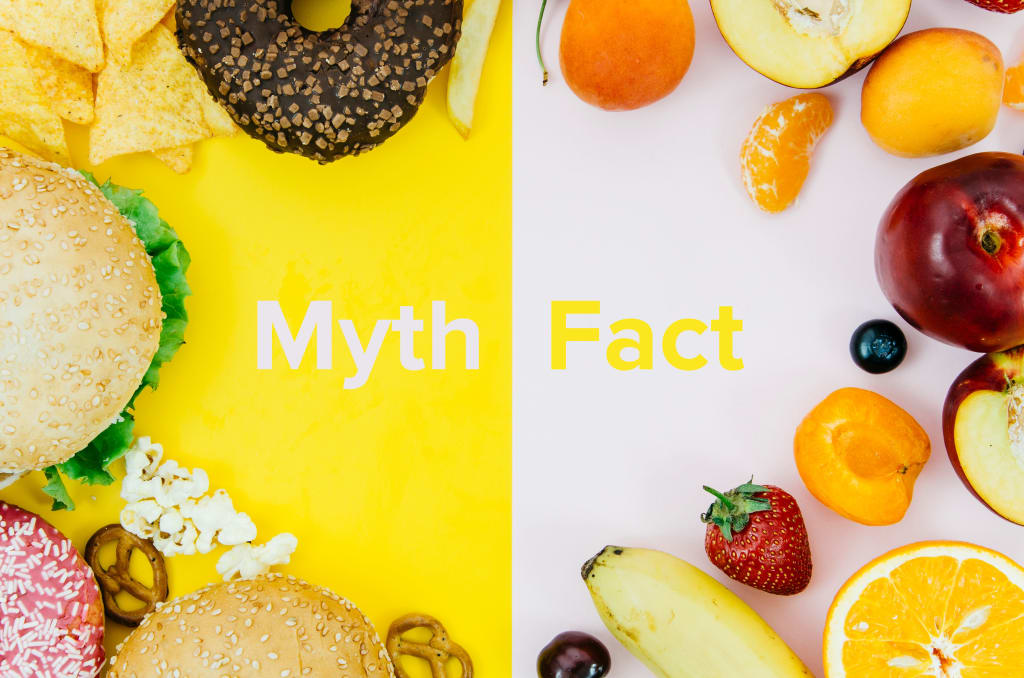
As National Nutrition Week progresses, it’s important to address the common misconceptions surrounding nutrition. It might be challenging to keep up a balanced and healthful diet because these beliefs frequently mislead people. In this session, we'll explore some of the most widespread myths around nutrition, eradicate them with genuine facts, and offer helpful advice to help you make wise dietry decisions.
Introduction to Common Nutrition Myths
In a world where information is readily available, not all of it is accurate. Nutrition, in particular, is a field rife with misconceptions. These myths can influence our eating habits, often steering us toward unhealthy choices under the guise of health. It’s crucial to separate fact from fiction to ensure we’re fueling our bodies correctly.
Myth-Busting: Addressing Prevalent Nutrition Myths
Myth 1: “All Fats are Bad.”
Fact: Healthy fats are essential for brain function, hormone production, and reducing inflammation.
For years, fat has been vilified in the world of nutrition, leading to the rise of low-fat diets and products. However, the truth is that not all fats are created equal. While trans fats and excessive saturated fats can contribute to health issues like heart disease, healthy fats are vital for the body. Unsaturated fats, such as those found in avocados, nuts, seeds, and olive oil, play crucial roles in brain function, hormone production, and reducing inflammation. They also help absorb fat-soluble vitamins like A, D, E, and K. Embracing these healthy fats can actually support weight management and improve overall health.
Our traditional diet, which includes sources like ghee and mustard oil, provides healthy fats that have been part of our culinary heritage for centuries.
Myth 2: “Carbs Make You Fat.”
Fact: Complex carbs provide essential energy and nutrients.
Carbohydrates are often blamed for weight gain, leading many to cut them out entirely. However, carbs are the body’s primary source of energy, and eliminating them can lead to fatigue and nutrient deficiencies. The key is to choose the right type of carbohydrates. Complex carbs, found in whole grains, vegetables, and legumes, are packed with fiber, vitamins, and minerals. These nutrients support digestive health, regulate blood sugar levels, and provide sustained energy throughout the day.
Our traditional foods like roti, brown rice, and millets are excellent sources of complex carbs that should be included in a balanced diet. Instead of fearing carbs, focus on quality and portion control.
Myth 3: “You Need Supplements for Every Vitamin.”
Fact: A balanced diet usually provides all necessary vitamins and minerals.
The supplement industry has grown significantly, making people believe that they need pills for every vitamin and mineral. However, most nutrients can be obtained through a well-balanced diet. Fruits, vegetables, whole grains, and lean proteins provide a wide array of essential nutrients. For example, leafy greens like spinach are rich in iron, while citrus fruits like oranges are excellent sources of vitamin C. While supplements can be beneficial for specific deficiencies or in certain situations, such as vitamin D during the winter months, they should not replace a healthy diet.
In regions where diverse and nutrient-dense foods are readily available, it’s possible to meet most of your nutritional needs through diet alone.
Myth 4: “Eating After 8 PM Causes Weight Gain.”
Fact: Weight gain is more about total caloric intake and physical activity than timing.
One common myth is that eating late at night leads to weight gain. However, weight gain is determined more by what and how much you eat than when you eat. The body’s metabolism doesn’t suddenly slow down after 8 PM; it continues to function as it does during the day. The real issue is often the type of foods consumed late at night, which tend to be high in calories, fats, and sugars, like snacks and desserts. If you eat a balanced and portion-controlled meal in the evening, it won’t cause weight gain.
In fact, having a light meal rich in protein and vegetables can even support muscle repair and overall health.
Myth 5: “Detox Diets are Necessary to Cleanse the Body.”
Fact: The body has its own natural detoxification systems, primarily the liver and kidneys.
Detox diets and cleanses have become popular, with the promise of eliminating toxins from the body and boosting health. However, the body has its own efficient detoxification systems, primarily the liver and kidneys, which work tirelessly to remove waste and toxins. Rather than relying on extreme detox diets, which can sometimes do more harm than good, focus on supporting your body’s natural detox processes through a balanced diet. Consuming plenty of water, eating fiber-rich foods like fruits and vegetables, and avoiding processed foods can help maintain your body’s natural detoxification systems.
Our diets, rich in spices like turmeric and ginger, have long been known to support liver health and digestion, offering a natural way to keep the body cleansed without the need for fad detox diets.
Here’s a table that clearly presents the myths and corresponding facts:

Practical Tips for Navigating Nutrition Myths
1. Do Your Research
Ensure that your nutrition information comes from credible sources.
In an age where information is just a click away, it’s crucial to verify the credibility of the sources you rely on for nutrition advice. Many nutrition myths are propagated by non-experts, influencers, and websites with little to no scientific backing. To ensure you’re making informed decisions about your diet, consult reputable sources such as peer-reviewed journals, government health organizations, or advice from qualified healthcare professionals like dietitians and nutritionists. Institutions like the National Institute of Nutrition (NIN) and the Food Safety and Standards Authority of India (FSSAI) provide guidelines based on extensive research.
By relying on credible sources, you can avoid falling prey to myths and make healthier choices.
2. Focus on Whole Foods
Prioritize a diet rich in whole, minimally processed foods.
Whole foods are those that are unprocessed or minimally processed, retaining their natural nutrients and fiber. These include fruits, vegetables, whole grains, lean proteins, and nuts. A diet rich in whole foods is one of the best ways to ensure you’re getting all the essential nutrients your body needs. Whole foods are naturally nutrient-dense, meaning they provide a high amount of vitamins, minerals, and other beneficial compounds with relatively few calories.
Our traditional meals often emphasize fresh, home-cooked dishes made from whole ingredients, which aligns with this approach. By focusing on whole foods, you can reduce your intake of added sugars, unhealthy fats, and artificial additives, supporting overall health.
3. Avoid Extremes
Balance and moderation are key in maintaining a healthy diet.
Extreme diets that promote cutting out entire food groups or severely restricting calorie intake can lead to nutrient deficiencies and other health issues. Balance and moderation are the cornerstones of a healthy diet. Instead of following fad diets that promise quick results, aim for a varied and balanced diet that includes a range of food groups in appropriate portions. This approach allows you to enjoy a variety of foods while ensuring your body gets the nutrients it needs.
For instance, the traditional thali, with its variety of dishes, is a perfect example of a balanced meal that provides different nutrients in one sitting. By practicing moderation and balance, you can maintain a healthy weight and support overall well-being.
4. Be Mindful of Portion Sizes
Controlling portion sizes is essential to maintaining a healthy diet.
Even when consuming healthy foods, portion control plays a crucial role in maintaining a balanced diet. Overeating, even of nutritious foods, can lead to excessive calorie intake and potential weight gain. We are often enjoyed with family and in social settings, it’s easy to lose track of portion sizes. Using smaller plates, measuring your servings, and paying attention to your body’s hunger and fullness cues can help you manage portions effectively.
Additionally, being mindful of portion sizes can help prevent overeating and allow you to enjoy a wider variety of foods without feeling deprived.
5. Stay Hydrated with Water
Water is the most important nutrient your body needs.
Staying hydrated is essential for overall health, yet it’s often overlooked. Water plays a vital role in almost every bodily function, from regulating temperature to aiding digestion and nutrient absorption. Sometimes, people mistake thirst for hunger, leading to unnecessary snacking and calorie consumption. To prevent this, make it a habit to drink water regularly throughout the day. In our region, where temperatures can soar, especially during the summer months, staying hydrated is particularly important. Avoid sugary drinks and limit caffeinated beverages, as they can contribute to dehydration.
Instead, opt for plain water, which is the best way to keep your body hydrated and functioning optimally. By prioritizing hydration, you support your body’s overall health and energy levels.
Conclusion
Nutrition myths can be misleading, but by understanding the facts, you can make better dietary choices that support your overall health and well-being. Remember, the goal is to nourish your body with a balanced diet that includes a variety of nutrients. By debunking these common myths and focusing on evidence-based nutrition, you can pave the way for a healthier, more informed lifestyle.
As we approach the final day of National Nutrition Week, keep in mind that making small, consistent changes to your diet can lead to lasting benefits. Stay informed, choose wisely, and enjoy the journey to better health!
Day 1 Blog on National Nutrition Week
Day 2 Blog on National Nutrition Week
Day 3 Blog on National Nutrition Week
About the Creator
Rajneesh Nirmalkar
Rajneesh is a digital marketing executive from India, who blogs on helpful topics. Though not a perfect writer, he uses tools to enhance his content. Driven by a love for books and humanity, he freely shares advice and insights.
Keep reading
More stories from Rajneesh Nirmalkar and writers in Longevity and other communities.
Why Proper Hydration is Key to Better Health and Energy Levels
Everyone knows that food gives our bodies energy, but did you also realize that water is essential? Even the healthiest diet may not be enough if you don't drink enough water. Not only does water relieve thirst, but it is also essential for proper digestion, energy production, and the upkeep of all bodily systems. Water is the key to good health and well-being, whether your goal is to improve digestion, increase your energy levels, or just feel better all day long.
By Rajneesh Nirmalkarabout a year ago in Longevity
Day 4 of Quitting
If this is how sobriety feels, maybe it’s better to go through life a little buzzed… this, along with other hits like, I want to kill myself, I wish I was dead, and I’m going to throw myself off a bridge have been the only thoughts on rotation these past few days. I promise myself that if, in a month, I still feel like this (‘this’ meaning despondent, full of rage, and simultaneously numb) I can go back to smoking. Until mid-February though? Nicotine is off the table.
By sleepy drafts16 days ago in Longevity
Australia Cosmetics Market Size and Forecast 2025–2033
Australia Cosmetics Market Overview The cosmetics industry represents far more than appearance enhancement—it is a reflection of lifestyle, self-care, science, and cultural identity. Cosmetics include a wide range of products designed to cleanse, protect, nourish, and beautify the skin, hair, and body, while also enabling self-expression and confidence. From skincare and makeup to fragrances and haircare, the industry continuously evolves by blending innovation with changing consumer expectations.
By jaiklin Fanandisha day ago in Longevity




Comments
There are no comments for this story
Be the first to respond and start the conversation.