
Why Proper Hydration is Key to Better Health and Energy Levels
Learn why drinking enough water is crucial for energy, digestion, and overall well-being

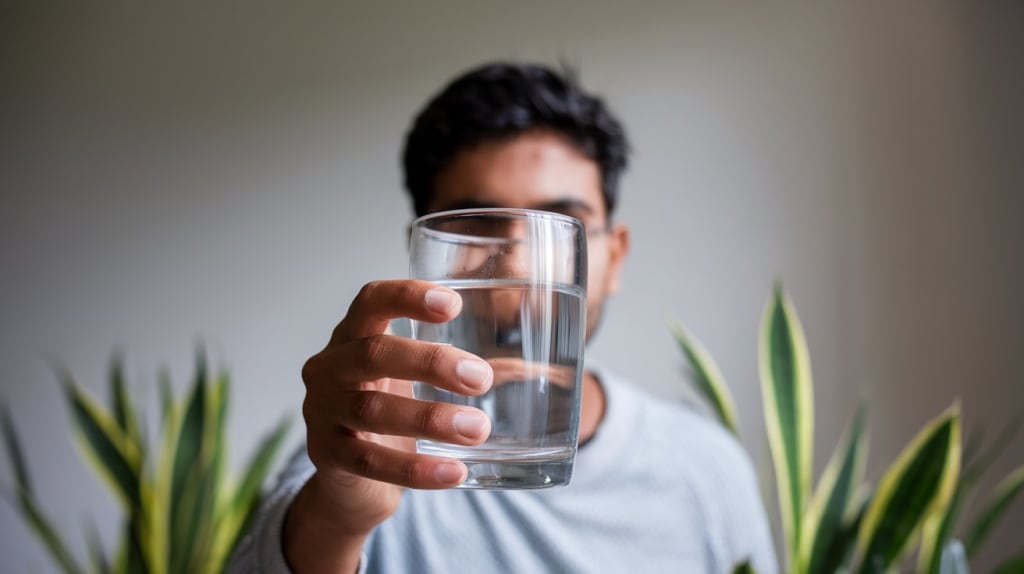
Everyone knows that food gives our bodies energy, but did you also realize that water is essential? Even the healthiest diet may not be enough if you don't drink enough water. Not only does water relieve thirst, but it is also essential for proper digestion, energy production, and the upkeep of all bodily systems. Water is the key to good health and well-being, whether your goal is to improve digestion, increase your energy levels, or just feel better all day long.
The Importance of Hydration
Water’s Role in the Body
Water is the foundation of life. About 60% of our body is made up of water, and it is involved in almost every function. It helps regulate body temperature, making sure we don’t overheat on hot days or during exercise. It’s also crucial for moving nutrients around the body. Think of it like a delivery system—water carries essential nutrients to our cells and helps remove waste, keeping everything in balance.
Water is also needed for digestion. It breaks down food, helping the body absorb vitamins and minerals more efficiently. Beyond that, water lubricates our joints, so they move smoothly. It even has an impact on brain function—drinking enough water keeps us alert, improves concentration, and boosts our mood. Simply put, every cell and organ in our body relies on water to work properly.
Signs of Dehydration
Many of us don’t realize when we’re dehydrated because the signs can be subtle. Dehydration happens when our body loses more water than we take in. Here are some common signs:
- Fatigue and Lethargy: When the body lacks water, energy levels plummet, leaving you feeling sluggish and tired.
- Headaches: Dehydration can trigger headaches, often mistaken for tension or stress.
- Dry Skin: A lack of hydration leads to dry and flaky skin, especially noticeable in arid climates.
- Decreased Urine Output: Dark yellow urine or less frequent urination is a clear indication of inadequate water intake.
- Dizziness: Feeling lightheaded is another sign that your body needs hydration.
In the hustle and bustle of daily life, especially if you're physically active or in warm environments. Being mindful of these signs can help you stay on top of your hydration needs.
Different Ways to Stay Hydrated
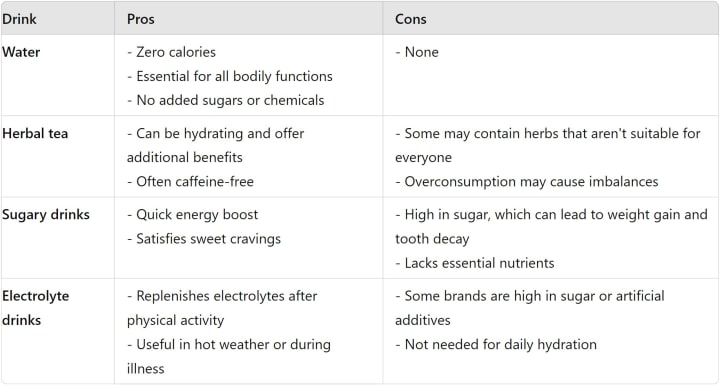
While drinking water is the best way to stay hydrated, there are other options that can help keep your body’s water levels balanced. Here are a few ways to make sure you’re getting enough fluids throughout the day.
Water: The Best Hydration Choice
Water is, without a doubt, the best and easiest way to stay hydrated. It has zero calories, no added sugars, and it’s always available. Drinking enough water throughout the day helps with everything from regulating body temperature to supporting digestion and preventing constipation. When we drink water, it quickly gets absorbed and starts working its magic by keeping our systems running smoothly.
Beyond helping us physically, water can also influence our energy levels and mood. Research shows that even mild dehydration can make us feel tired and less focused. So, next time you’re feeling a little off, try reaching for a glass of water.
For those who struggle to drink enough water, adding slices of lemon, cucumber, or even a sprig of mint can make it more enjoyable. You can also try setting a reminder on your phone or carrying a water bottle with you to encourage regular sipping.
Herbal Teas
Herbal teas are another great option for staying hydrated. They are generally caffeine-free and offer additional health benefits. For example, peppermint tea can help with digestion, while chamomile tea is known for its calming effects. Unlike sugary drinks, herbal teas can hydrate without adding extra calories. However, it's essential to check the label to make sure there’s no added caffeine, as too much caffeine can lead to dehydration.
Hydrating Foods
Many fruits and vegetables have a high water content, making them a tasty way to boost your hydration. Foods like cucumbers, watermelon, oranges, and strawberries contain a lot of water and can contribute to your daily fluid intake. These foods are easy to incorporate into your meals as snacks or side dishes and help you stay hydrated without even thinking about it.
For example, a refreshing fruit salad or a side of cucumber slices during meals can make a big difference in maintaining hydration levels. Plus, these foods come with the added benefit of providing essential vitamins and minerals.
Practical Tips for Staying Hydrated
Staying hydrated doesn’t have to be complicated. Here are some simple tips that you can easily incorporate into your daily routine:
- Carry a Water Bottle: One of the easiest ways to ensure you're drinking enough water is to carry a reusable water bottle with you throughout the day. Having it nearby acts as a constant reminder to take small sips regularly. This is especially helpful for those who are always on the go or working in environments where dehydration can happen quickly.
- Eat Water-Rich Foods: Incorporate more fruits and vegetables with high water content into your diet. Having watermelon, oranges, or cucumber slices as snacks can be both refreshing and hydrating. You can also add these foods to salads or smoothies to boost your water intake without needing to think about it.
- Limit Sugary Drinks: While sugary sodas and fruit juices might seem refreshing, they often do more harm than good when it comes to hydration. These drinks can be high in sugar and can lead to weight gain, diabetes, or tooth decay. Instead, opt for water or herbal teas, which offer hydration without the added sugars.
- Listen to Your Body: Your body is good at telling you when it needs more water, but you have to pay attention to the signs. Drink when you’re thirsty, and be mindful of symptoms like fatigue, dry skin, or dizziness, which can be early signs of dehydration. Remember, it's especially important to stay hydrated during hot weather or when you're physically active.
Conclusion
Water is often underestimated in its importance, but it's truly the foundation of good health. Staying hydrated is essential for keeping our body and mind functioning at their best. By drinking enough water and including water-rich foods and beverages in your diet, you can ensure that your body stays hydrated throughout the day. The next time you're feeling low on energy or struggling to focus, it might be as simple as drinking a glass of water. Hydration is key to living a healthy, balanced life.
Also read:
Day 1 Blog on National Nutrition Week
Day 2 Blog on National Nutrition Week
Day 3 Blog on National Nutrition Week
About the Creator
Rajneesh Nirmalkar
Rajneesh is a digital marketing executive from India, who blogs on helpful topics. Though not a perfect writer, he uses tools to enhance his content. Driven by a love for books and humanity, he freely shares advice and insights.
Keep reading
More stories from Rajneesh Nirmalkar and writers in Longevity and other communities.
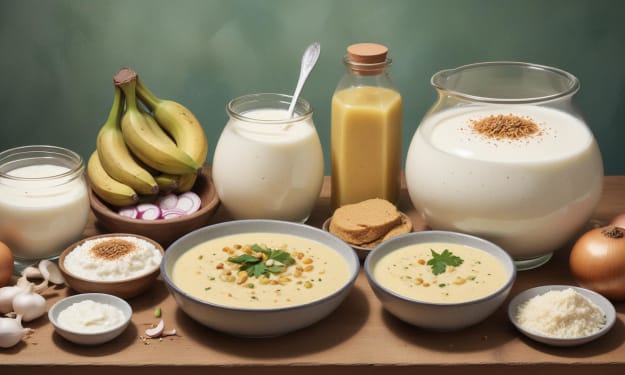
Gut Health and the Role of Probiotics and Prebiotics
Maintaining a healthy gut is essential for overall well-being, as the gut plays a significant role in digestion, immunity, and even mental health. A growing body of research has shed light on the complex ecosystem within our digestive tract, known as the gut microbiome, and its profound impact on our health. In this blog, we'll explore the importance of gut health, the role of probiotics and prebiotics, and practical ways to incorporate these beneficial elements into your daily diet.
By Rajneesh Nirmalkarabout a year ago in Longevity
Day 4 of Quitting
If this is how sobriety feels, maybe it’s better to go through life a little buzzed… this, along with other hits like, I want to kill myself, I wish I was dead, and I’m going to throw myself off a bridge have been the only thoughts on rotation these past few days. I promise myself that if, in a month, I still feel like this (‘this’ meaning despondent, full of rage, and simultaneously numb) I can go back to smoking. Until mid-February though? Nicotine is off the table.
By sleepy drafts17 days ago in Longevity



Comments
There are no comments for this story
Be the first to respond and start the conversation.