
The Power of Micronutrients: Vitamins and Minerals
Small but Mighty: How Micronutrients Fuel Your Body and Prevent Disease

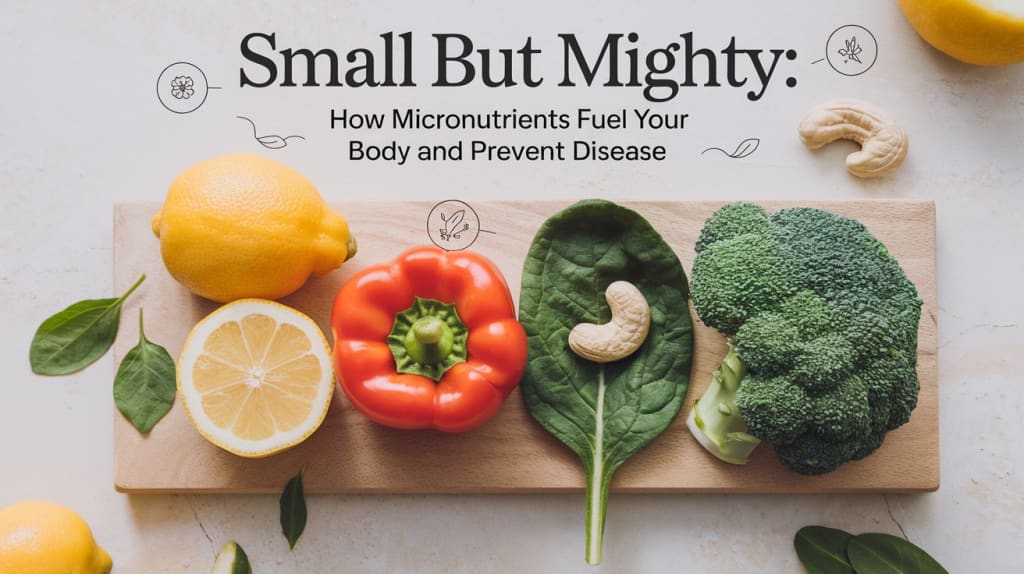
Introduction to Micronutrients
When we talk about nutrition, we often focus on macronutrients like carbohydrates, proteins, and fats, which are required in large amounts to fuel our bodies. However, there’s another category of nutrients that, though needed in much smaller quantities, play an equally vital role in maintaining our health and well-being—these are micronutrients. Micronutrients include essential vitamins and minerals that support a wide range of physiological functions, from bone health and immune system support to energy production and beyond.
Micronutrients are indispensable in the prevention of diseases and the promotion of optimal health. Despite being required in minute amounts, a deficiency in these nutrients can lead to serious health issues. Thus, understanding the role of key vitamins and minerals, as well as how to incorporate them into your diet, is crucial for maintaining a balanced and nutritious diet.
Roles of Key Vitamins and Minerals
Micronutrients are incredibly diverse, each playing unique roles in the body. Let’s explore the functions, sources, and potential deficiency risks of some of the most important vitamins and minerals:
Vitamin D
Vitamin D, often referred to as the "sunshine vitamin," is unique because our bodies can produce it when our skin is exposed to sunlight. This fat-soluble vitamin is crucial for several key functions:
- Function: Vitamin D is essential for calcium absorption in the gut, which in turn supports bone health. It also plays a significant role in immune function, helping the body fend off infections. Additionally, Vitamin D is involved in regulating mood and warding off conditions like depression.
- Sources: While sunlight is the most natural source of Vitamin D, it can also be found in fatty fish (such as salmon and mackerel), egg yolks, and fortified foods like dairy products and plant milks.
- Deficiency Risks: A lack of Vitamin D can lead to weakened bones, increasing the risk of conditions like osteopenia and osteoporosis. It can also compromise the immune system, making you more susceptible to infections, and has been linked to mood disorders, including depression.
Calcium
Calcium is often associated with bone health, but its role in the body extends far beyond just building strong bones:
- Function: Calcium is crucial for maintaining strong bones and teeth. It also plays a vital role in muscle contraction, blood clotting, and nerve transmission, making it indispensable for overall bodily function.
- Sources: Dairy products like milk, cheese, and yogurt are well-known sources of calcium. For those who are lactose intolerant or follow a plant-based diet, fortified plant milks (such as almond or soy milk) and leafy green vegetables like kale and broccoli are excellent alternatives.
- Deficiency Risks: Insufficient calcium intake can lead to conditions like osteopenia (a precursor to osteoporosis) and osteoporosis, both of which increase the risk of fractures. It can also cause muscle spasms and cramps, impacting daily activities and quality of life.
Iron
Iron is a mineral that plays a crucial role in the body’s ability to transport oxygen and produce energy:
- Function: Iron is a key component of hemoglobin, the protein in red blood cells that carries oxygen from the lungs to the rest of the body. It is also essential for energy production and maintaining healthy cognitive function.
- Sources: Red meat, beans, lentils, and spinach are rich sources of iron. For vegetarians and vegans, plant-based sources of iron can be paired with Vitamin C-rich foods to enhance absorption.
- Deficiency Risks: A lack of iron can lead to anemia, characterized by fatigue, weakness, and pale skin. It can also impair cognitive function and reduce the body’s ability to fight off infections.
Vitamin C
Vitamin C, also known as ascorbic acid, is a powerful antioxidant that supports a range of bodily functions:
- Function: Vitamin C is essential for the growth, development, and repair of all body tissues. It aids in collagen production, which is vital for skin health, and helps maintain the integrity of blood vessels, bones, and teeth. Additionally, Vitamin C enhances the absorption of iron from plant-based foods and supports the immune system.
- Sources: Citrus fruits like oranges and lemons, strawberries, bell peppers, and broccoli are all rich in Vitamin C.
- Deficiency Risks: A deficiency in Vitamin C can lead to scurvy, a condition characterized by fatigue, swollen gums, and slow wound healing. It can also weaken the immune system, making the body more susceptible to infections.
Magnesium
Magnesium is a mineral involved in over 300 biochemical reactions in the body, making it essential for good health:
- Function: Magnesium plays a crucial role in muscle and nerve function, blood sugar control, and blood pressure regulation. It also supports the synthesis of protein, bone development, and the production of energy.
- Sources: Nuts, seeds, whole grains, and dark chocolate are excellent sources of magnesium. Green leafy vegetables and legumes also contribute to magnesium intake.
- Deficiency Risks: A deficiency in magnesium can lead to symptoms such as muscle cramps, fatigue, and an increased risk of osteoporosis. It may also contribute to anxiety and sleep disturbances.
Expanded Table: Essential Vitamins and Minerals
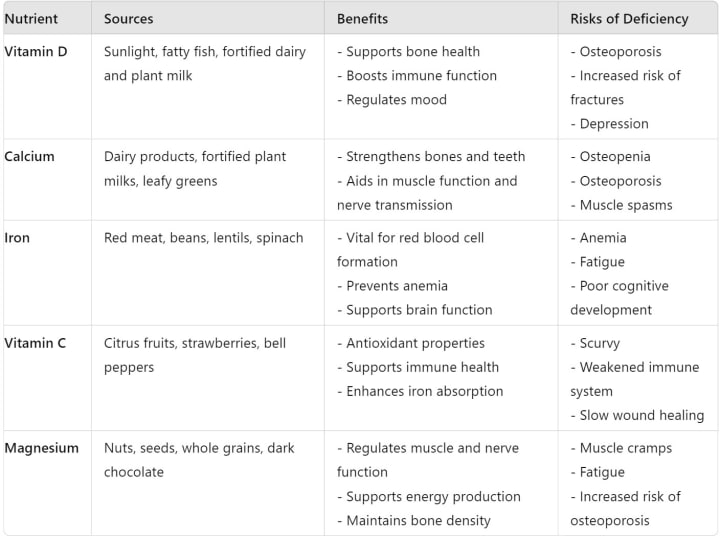
To provide a comprehensive overview, here's a detailed table highlighting key vitamins and minerals, their sources, benefits, and the risks associated with deficiencies:
Practical Tips for Incorporating Micronutrients into Your Diet
Achieving a diet rich in vitamins and minerals doesn’t have to be complicated. Here are some practical tips to help you ensure you’re getting the essential micronutrients your body needs:
- Eat the Rainbow: Incorporate a variety of colorful fruits and vegetables into your diet. Different colors often indicate different nutrients, so eating a wide range of colors can help ensure a broad spectrum of vitamins and minerals.
- Consider Fortified Foods: If you have dietary restrictions or live in an area with limited food variety, look for fortified foods, such as plant milks or breakfast cereals, which are often enriched with essential vitamins and minerals.
- Supplement Wisely: While it’s best to get nutrients from food, supplements can be helpful if you suspect a deficiency. Always consult with a healthcare provider before starting any new supplement regimen to ensure it’s necessary and safe.
- Pair Foods for Better Absorption: Some nutrients are better absorbed when eaten together. For example, pair iron-rich foods (like spinach) with Vitamin C-rich foods (like bell peppers) to enhance iron absorption.
Conclusion
Incorporating a variety of micronutrients into your diet is essential for maintaining good health and preventing deficiencies that can lead to serious health issues. By understanding the roles of key vitamins and minerals, and by making conscious choices to include them in your daily meals, you can significantly improve your overall well-being.
Remember, while these nutrients are needed in small amounts, their impact on your health is substantial. By eating the rainbow, considering fortified foods, supplementing wisely, and pairing foods for better absorption, you can take meaningful steps toward a balanced and nutritious diet. Start today by making small changes that can lead to big health benefits in the long run.
Also read:
About the Creator
Rajneesh Nirmalkar
Rajneesh is a digital marketing executive from India, who blogs on helpful topics. Though not a perfect writer, he uses tools to enhance his content. Driven by a love for books and humanity, he freely shares advice and insights.
Keep reading
More stories from Rajneesh Nirmalkar and writers in Longevity and other communities.
Understanding Macronutrients: Carbohydrates, Proteins, and Fats
In our journey through National Nutrition Week, Day 2 focuses on a fundamental aspect of nutrition: macronutrients. These essential nutrients are the building blocks of our diet, providing the energy and support our bodies need to function optimally. Understanding the role of carbohydrates, proteins, and fats is key to making informed dietary choices that promote long-term health and well-being.
By Rajneesh Nirmalkarabout a year ago in Longevity
Day 4 of Quitting
If this is how sobriety feels, maybe it’s better to go through life a little buzzed… this, along with other hits like, I want to kill myself, I wish I was dead, and I’m going to throw myself off a bridge have been the only thoughts on rotation these past few days. I promise myself that if, in a month, I still feel like this (‘this’ meaning despondent, full of rage, and simultaneously numb) I can go back to smoking. Until mid-February though? Nicotine is off the table.
By sleepy drafts17 days ago in Longevity
Australia Medical Adhesive Market Size & Forecast 2025–2033
Australia Medical Adhesive Market Outlook The Australia Medical Adhesive Market is witnessing steady and transformative growth as healthcare systems evolve toward minimally invasive procedures, advanced wound care, and digital health monitoring. According to Renub Research, the market is projected to grow from US$ 201.91 million in 2024 to US$ 370.58 million by 2033, expanding at a strong CAGR of 6.98% during 2025–2033.
By jaiklin Fanandish5 days ago in Longevity




Comments
There are no comments for this story
Be the first to respond and start the conversation.