
Understanding Macronutrients: Carbohydrates, Proteins, and Fats
The Building Blocks of a Healthy Diet: Carbohydrates, Proteins, and Fats


In our journey through National Nutrition Week, Day 2 focuses on a fundamental aspect of nutrition: macronutrients. These essential nutrients are the building blocks of our diet, providing the energy and support our bodies need to function optimally. Understanding the role of carbohydrates, proteins, and fats is key to making informed dietary choices that promote long-term health and well-being.
Introduction to Macronutrients
Definition: Macronutrients are nutrients required by the body in large amounts. Unlike micronutrients (vitamins and minerals), which are needed in smaller quantities, macronutrients provide the calories (energy) necessary for all bodily functions. They are essential for growth, metabolism, and overall health. The three primary macronutrients are carbohydrates, proteins, and fats, each serving unique and vital roles in our diet.
Roles of Each Macronutrient
Carbohydrates
Function: Carbohydrates are the body’s primary energy source, fueling everything from basic bodily functions to intense physical activity. When consumed, carbohydrates are broken down into glucose, which is then used by the body’s cells for energy. If there is excess glucose, it is stored in the liver and muscles as glycogen, or converted to fat for long-term storage.
Types: Carbohydrates are categorized into two main types: simple and complex.
- Simple carbohydrates (sugars) are composed of one or two sugar molecules and are quickly digested, providing a rapid source of energy. Common sources include fruits, candies, and sugary drinks.
- Complex carbohydrates (starches and fibers) consist of longer chains of sugar molecules, making them slower to digest. This results in a more sustained release of energy. Whole grains, vegetables, and legumes are rich in complex carbohydrates. Fiber, a type of complex carbohydrate, is particularly important as it aids digestion and helps maintain steady blood sugar levels.
Proteins
Function: Proteins are the building blocks of the body, playing a crucial role in building and repairing tissues, producing enzymes and hormones, and supporting immune function. Proteins are composed of amino acids, which are necessary for protein synthesis and overall health.
Amino Acids: There are 20 different amino acids, categorized into essential and non-essential amino acids.
- Essential amino acids cannot be produced by the body and must be obtained through the diet. Foods that provide all essential amino acids are known as complete proteins, with examples including meat, fish, eggs, and dairy.
- Non-essential amino acids can be synthesized by the body, so they do not need to be consumed in the diet. However, it is important to consume a variety of protein sources to ensure a balanced intake of all amino acids.
Fats
Function: Fats are essential for storing energy, protecting vital organs, insulating the body, and aiding in the absorption of fat-soluble vitamins (A, D, E, and K). Despite their negative reputation, fats play an integral role in maintaining good health when consumed in moderation and from the right sources.
Types: Fats are categorized into three main types: saturated, unsaturated, and trans fats.
- Saturated fats are typically solid at room temperature and are found in animal products such as butter, cheese, and fatty meats. While they can be part of a healthy diet, they should be consumed in moderation, as excessive intake can increase the risk of heart disease.
- Unsaturated fats are usually liquid at room temperature and are found in plant-based oils, nuts, seeds, and fish. They are further divided into monounsaturated and polyunsaturated fats. These fats are considered heart-healthy and can help reduce inflammation and improve cholesterol levels.
- Trans fats are artificially created through the process of hydrogenation and are found in some processed foods. These fats have been linked to a higher risk of heart disease and should be avoided as much as possible.
Balancing Macronutrients in Daily Meals
Achieving a balanced intake of carbohydrates, proteins, and fats is crucial for maintaining energy levels, supporting bodily functions, and preventing chronic diseases. While general dietary guidelines suggest that your daily calorie intake should consist of approximately 50% carbohydrates, 20% protein, and 30% fats, it is important to customize these ratios based on your individual health goals, activity levels, and dietary needs.
For example, athletes or individuals engaged in high levels of physical activity may require more carbohydrates for energy, while those focusing on muscle building might benefit from higher protein intake. On the other hand, individuals looking to lose weight might opt for a diet lower in carbohydrates and higher in healthy fats and proteins to promote satiety and reduce calorie intake.
Practical Tips for Balancing Macronutrients
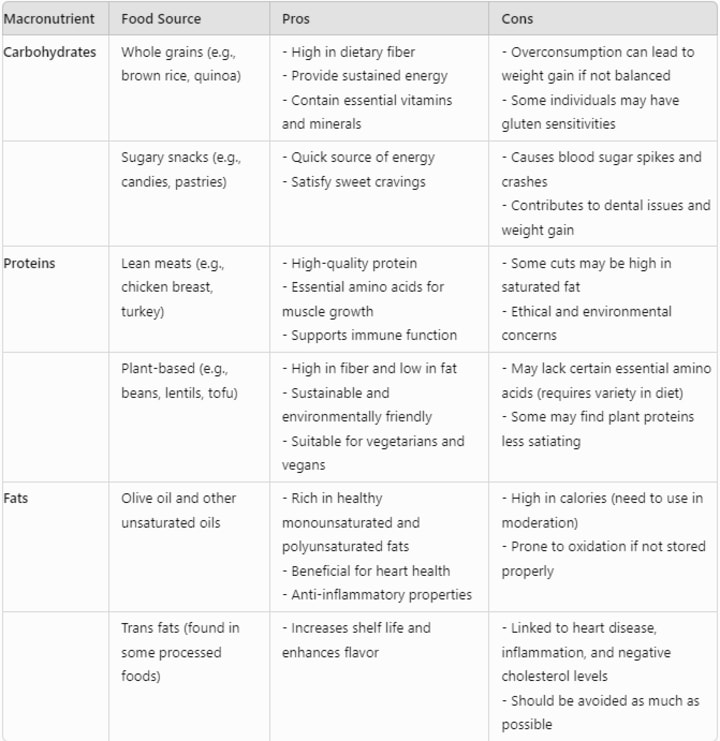
- Choose Complex Carbs: Opt for whole grains over refined grains to increase fiber intake and maintain steady energy levels. Whole grains like brown rice, quinoa, and oats provide longer-lasting energy and are packed with essential nutrients.
- Incorporate Plant Proteins: Include a variety of plant-based proteins in your diet to ensure you get a complete amino acid profile. Mixing beans with grains, for instance, can provide all essential amino acids. This approach is especially beneficial for vegetarians and vegans.
- Opt for Healthy Fats: Replace saturated and trans fats with healthier options like olive oil, nuts, and avocados. While these fats are beneficial, be mindful of portion sizes due to their high calorie content. Including healthy fats in your diet can improve heart health and reduce inflammation.
- Balance is Key: Ensure that each meal includes a mix of carbohydrates, proteins, and fats to provide sustained energy and support overall health. A balanced meal might include a serving of whole grains, lean protein, and a portion of healthy fats, along with plenty of vegetables for added nutrients.
Conclusion
Understanding macronutrients and their roles in our diet is crucial for making informed food choices that support overall health and well-being. By balancing carbohydrates, proteins, and fats in your daily meals, you can ensure that your body gets the energy and nutrients it needs to thrive. As we continue our exploration of nutrition this week, remember that a balanced diet is the foundation of good health—so let's make mindful choices that nourish our bodies from the inside out.
Also read : Day 1 Blog on National Nutrition Week
About the Creator
Rajneesh Nirmalkar
Rajneesh is a digital marketing executive from India, who blogs on helpful topics. Though not a perfect writer, he uses tools to enhance his content. Driven by a love for books and humanity, he freely shares advice and insights.
Keep reading
More stories from Rajneesh Nirmalkar and writers in Longevity and other communities.
Introduction to National Nutrition Week & The Importance of Nutrition
Significance of National Nutrition Week National Nutrition Week is an annual event dedicated to raising awareness about the critical role that nutrition plays in our lives. Celebrated during the first week of September, this initiative seeks to educate the public about the importance of making informed food choices and developing sound eating and physical activity habits. Nutrition is the cornerstone of good health, and understanding its value can empower individuals to make decisions that promote longevity and quality of life.
By Rajneesh Nirmalkarabout a year ago in Longevity
Day 4 of Quitting
If this is how sobriety feels, maybe it’s better to go through life a little buzzed… this, along with other hits like, I want to kill myself, I wish I was dead, and I’m going to throw myself off a bridge have been the only thoughts on rotation these past few days. I promise myself that if, in a month, I still feel like this (‘this’ meaning despondent, full of rage, and simultaneously numb) I can go back to smoking. Until mid-February though? Nicotine is off the table.
By sleepy drafts17 days ago in Longevity
Is a Guillotine Machine Right for Your Business? Key Factors to Consider
Choosing the right cutting equipment is a critical decision for any fabrication, engineering, or manufacturing business. Whether you’re handling occasional sheet metal work or running high-volume production, the tools you use directly affect accuracy, efficiency, and profitability. One option many businesses consider is a guillotine machine, but is it the right fit for your operation?
By Axe Status4 days ago in Longevity




Comments
There are no comments for this story
Be the first to respond and start the conversation.