self care
For a healthy mind, body, and soul.
How I Sleep Peacefully Now
Three in the morning used to be my breaking point. That's when I'd wake up, heart pounding, mind racing, staring at the ceiling while the world slept peacefully around me. I'd grab my phone and watch the minutes crawl by—3:17, 3:34, 3:52—knowing that the alarm would go off in a few hours and I'd face another day exhausted.
By Fazal Hadiabout 23 hours ago in Longevity
United States Medical Devices Cuffs Market Size and Forecast 2025–2033. AI-Generated.
United States Medical Devices Cuffs Market Overview The United States Medical Devices Cuffs Market is positioned for steady and sustained growth over the forecast period, reflecting the broader transformation underway within the American healthcare system. According to Renub Research, the market is expected to reach US$ 344.41 million by 2033, up from US$ 238.86 million in 2024, expanding at a compound annual growth rate (CAGR) of 4.15% from 2025 to 2033. This growth trajectory highlights the increasing importance of medical cuffs as essential diagnostic and therapeutic tools across hospitals, clinics, ambulatory centers, and homecare settings.
By Marthan Sir2 days ago in Longevity
The New Food Pyramid. AI-Generated.
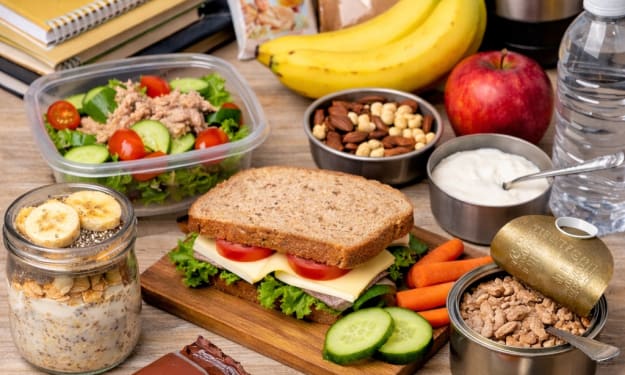
For decades, the food pyramid has been a familiar symbol of healthy eating in American households. From classroom posters to nutrition labels, it shaped how generations understood balanced diets. However, as science advances and public health challenges grow more complex, nutrition experts and policymakers are rethinking old assumptions. The conversation around the new food pyramid reflects this shift, especially as discussions around the dietary guidelines for Americans 2026 begin to take shape. This evolving model is not just a visual update—it represents changing priorities in health, sustainability, and chronic disease prevention. A Brief Look at the Old Food Pyramid The old food pyramid, introduced in the early 1990s, emphasized carbohydrates as the foundation of daily nutrition. Bread, rice, cereal, and pasta dominated the base, while fats and oils were placed at the very top, signaling they should be consumed sparingly. While well-intentioned, critics argue that the model oversimplified nutrition. It did not distinguish between refined and whole grains, nor did it adequately address added sugars or ultra-processed foods. Over time, rising rates of obesity, diabetes, and heart disease led experts to question whether the old food pyramid vs new approach needed a fundamental rethink. Why the Food Pyramid Is Being Reimagined The push for a new food pyramid 2025 and beyond comes from several factors: New research on metabolic health and inflammation Increased awareness of processed food risks Greater focus on food quality over calorie counting Public demand for transparency in dietary guidelines Nutrition science now recognizes that not all carbohydrates, fats, or proteins are created equal. This understanding has influenced proposals for the food pyramid 2026, which aim to reflect real-world eating patterns rather than idealized charts. The New Food Pyramid 2026: Core Principles The new food pyramid 2026 shifts emphasis from quantity to quality. Instead of focusing solely on food groups, it highlights food sources, preparation methods, and long-term health outcomes. At its foundation, the new model prioritizes whole foods—vegetables, fruits, legumes, nuts, seeds, and high-quality proteins. Refined grains and added sugars move further up the pyramid, signaling moderation rather than daily staples. This structure aligns closely with broader new dietary guidelines 2026, which encourage personalized nutrition rather than one-size-fits-all advice. RFK Jr and the Dietary Guidelines Debate Public discussions around nutrition have gained attention due to high-profile voices. RFK Jr dietary guidelines proposals, for example, emphasize reducing ultra-processed foods and increasing transparency around food additives. While not official policy, the RFK new food pyramid concept has influenced online debate about the future of American nutrition standards. Supporters of the RFK Jr food pyramid argue that modern guidelines should address food industry practices and long-term health risks. Critics caution that any new model must be grounded in peer-reviewed science rather than ideology. Regardless of political perspective, these discussions have helped renew public interest in how dietary guidelines are formed and updated. The Role of Media Figures in Nutrition Conversations Public figures such as Dr Oz have also contributed to discussions about food, wellness, and prevention. While media personalities do not set policy, their influence reflects a growing public desire for clearer, more practical nutrition advice. This cultural shift has played a role in shaping conversations around new food guidelines 2026, especially among audiences seeking alternatives to outdated models. Old Food Pyramid vs New: What’s Changed? The contrast between the old food pyramid vs new is striking: Old model: High emphasis on refined grains New model: Focus on whole, minimally processed foods Old model: Limited distinction between fat types New model: Encourages healthy fats from natural sources Old model: Generic serving sizes New model: Flexibility based on lifestyle and health needs The food pyramid 2025 and food pyramid 2026 concepts are designed to be adaptable, reflecting the diversity of modern diets and cultural preferences. Dietary Guidelines for Americans 2026: What to Expect The upcoming dietary guidelines for Americans 2026 are expected to continue moving away from rigid structures. Instead, they may emphasize patterns of eating rather than strict daily targets. Key themes likely include: Reduced intake of ultra-processed foods Greater emphasis on nutrient density Sustainable food systems Prevention of chronic illness through diet These ideas are consistent with the broader vision behind the new food pyramid, which seeks to educate rather than dictate. Why the New Food Pyramid Matters Nutrition guidance shapes school lunches, healthcare advice, and public health policy. A clearer, more evidence-based new food pyramid could help individuals make better-informed decisions without confusion or guilt. As food environments grow more complex, updated models like the rfk food pyramid discussions—whether adopted or not—highlight the importance of ongoing dialogue. The goal is not perfection, but progress toward healthier populations. Final Thoughts The evolution of the food pyramid reflects more than changing science—it mirrors society’s growing awareness of how food impacts long-term health. While debates around rfk jr dietary guidelines and public figures will continue, the broader movement toward updated dietary guidelines for Americans 2026 signals a meaningful shift. The new food pyramid 2026 is not about rejecting the past, but learning from it. By focusing on whole foods, balance, and sustainability, the next generation of dietary guidance aims to meet modern health challenges with clarity and compassion.
By Saboor Brohi 3 days ago in Longevity
Day 4 of Quitting. Top Story - January 2026.
If this is how sobriety feels, maybe it’s better to go through life a little buzzed… this, along with other hits like, I want to kill myself, I wish I was dead, and I’m going to throw myself off a bridge have been the only thoughts on rotation these past few days. I promise myself that if, in a month, I still feel like this (‘this’ meaning despondent, full of rage, and simultaneously numb) I can go back to smoking. Until mid-February though? Nicotine is off the table.
By sleepy drafts4 days ago in Longevity
United States Wound Care Market Size and Forecast 2025–2033. AI-Generated.
United States Wound Care Market Outlook The United States wound care market is entering a sustained phase of expansion as healthcare systems respond to the growing burden of chronic diseases, an aging population, and increasing surgical procedures nationwide. According to Renub Research, the market is expected to grow from US$ 6.45 billion in 2024 to US$ 10.4 billion by 2033, registering a compound annual growth rate (CAGR) of 5.44% from 2025 to 2033.
By Renub Research4 days ago in Longevity
Saudi Arabia Dialysis Market Size and Forecast 2025–2033. AI-Generated.
Saudi Arabia Dialysis Market Overview The Saudi Arabia Dialysis Market is estimated to grow significantly, increasing from US$ 35.09 billion in 2024 to US$ 50.86 billion by 2033, expanding at a compound annual growth rate (CAGR) of 4.21% during 2025–2033, according to Renub Research estimates. This growth trajectory reflects the mounting prevalence of kidney-related disorders, expanding healthcare investments, and the Kingdom’s strategic push to modernize medical infrastructure under Vision 2030.
By Janine Root 4 days ago in Longevity
7 Ways I Trained My Mind to Stop Overthinking
I used to live inside my head. Not in a creative, daydreamy way. In an exhausting, suffocating, never-ending loop of what-ifs and worst-case scenarios. Every conversation replayed. Every decision questioned. Every possibility analyzed until I couldn't move forward at all.
By Fazal Hadi5 days ago in Longevity
6 Thoughts That Were Quietly Ruining My Progress
I thought I was doing everything right. I woke up early. I set goals. I worked hard. I stayed disciplined. But somehow, no matter how much effort I poured in, I felt like I was running in place. Progress felt impossible. Success felt distant. And every day, I grew more frustrated with myself.
By Fazal Hadi5 days ago in Longevity
Masturbating Ourselves to Death: Unpacking the Myth and The Real Modern Risk
Let’s clear the air immediately: you cannot, from a purely physiological standpoint, masturbate yourself to death. The provocative phrase “masturbating ourselves to death” isn’t a literal medical warning but a potent metaphor for a much more insidious modern dilemma. It points to how our relationship with self-pleasure, fueled by unprecedented access to digital stimulation, can morph into a habit that drains our vitality, time, and real-world connections.
By Epic Vibes7 days ago in Longevity
8 Reasons Muscle Is the Real Anti-Aging, Fat-Loss, and Longevity Tool
Most people use exercise to burn something off. Calories. Stress. Guilt. That's why cardio dominates the conversation. It feels productive. You're tired. You sweat. You leave feeling emptied.
By Destiny S. Harris8 days ago in Longevity
High Protein Intake for Weight Loss
The global obesity epidemic has prompted extensive research into effective dietary interventions for weight management. Among various macronutrient manipulation strategies, high-protein diets have emerged as particularly promising, demonstrating superior outcomes in numerous clinical trials. This article examines the scientific rationale, practical implementation, and evidence supporting high-protein dietary approaches for weight loss, providing a comprehensive analysis for healthcare professionals and informed consumers.
By Paul Claybrook MS MBA9 days ago in Longevity