
Gut Health and the Role of Probiotics and Prebiotics
Nurturing Your Gut for a Healthier Mind and Body: The Essential Roles of Probiotics and Prebiotics

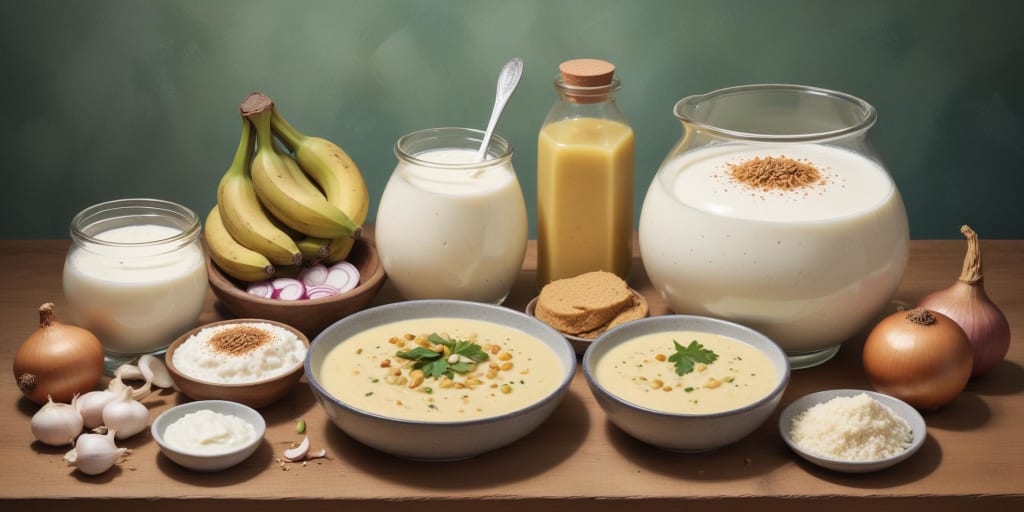
Maintaining a healthy gut is essential for overall well-being, as the gut plays a significant role in digestion, immunity, and even mental health. A growing body of research has shed light on the complex ecosystem within our digestive tract, known as the gut microbiome, and its profound impact on our health. In this blog, we'll explore the importance of gut health, the role of probiotics and prebiotics, and practical ways to incorporate these beneficial elements into your daily diet.
The Importance of Gut Health
Gut Microbiome: The Microbial Powerhouse
The human gut is home to trillions of micro-organisms, including bacteria, fungi, viruses, and other microbes, collectively referred to as the gut microbiome. This complex community of organisms is crucial for breaking down food, synthesizing essential vitamins, and protecting against harmful pathogens. A balanced gut microbiome contributes to efficient digestion, nutrient absorption, and a robust immune system.
An imbalance in this delicate ecosystem, known as dysbiosis, can lead to digestive issues, weakened immunity, and a higher risk of chronic conditions such as obesity, diabetes, and inflammatory bowel disease. Therefore, maintaining a healthy gut microbiome is foundational to overall health.
Gut-Brain Connection: The Gut as the Second Brain
The gut is often referred to as the "second brain" due to its direct communication with the central nervous system through the gut-brain axis. This bi-directional communication system links the emotional and cognitive centers of the brain with peripheral intestinal functions. A healthy gut has been shown to positively influence mood, stress levels, and cognitive function.
Emerging research suggests that a balanced gut microbiome can help reduce symptoms of anxiety, depression, and other mental health conditions. Conversely, an unhealthy gut can contribute to mental health challenges, highlighting the importance of gut health not just for physical well-being, but for mental and emotional wellness as well.
Probiotics and Their Role
What Are Probiotics?
Probiotics are live micro-organisms, primarily bacteria, that provide numerous health benefits when consumed in adequate amounts. These "good" bacteria help restore and maintain the natural balance of the gut microbiome, counteracting the effects of harmful bacteria. Probiotics are particularly beneficial after taking antibiotics, which can disrupt the gut's microbial balance.
Benefits of Probiotics
Probiotics offer a range of health benefits, including:
- Supporting Digestion: Probiotics enhance the digestive process by breaking down food components that are otherwise difficult to digest, such as lactose in dairy products.
- Enhancing Immune Response: A healthy gut microbiome, supported by probiotics, plays a crucial role in supporting the immune system. Probiotics help the body fight off infections and reduce the risk of illnesses.
- Alleviating Digestive Disorders: Probiotics have been shown to alleviate symptoms of digestive disorders such as irritable bowel syndrome (IBS), inflammatory bowel disease (IBD), and diarrhea.
Sources of Probiotics
To incorporate probiotics into your diet, consider consuming the following foods:
- Curd (Dahi): A staple in many Indian households, curd is rich in live cultures that aid digestion and improve gut health.
- Buttermilk (Chaas): This traditional drink is made from curd and is another excellent source of probiotics, often consumed after meals.
- Lassi: A traditional fermented yogurt drink, lassi is both refreshing and a good source of probiotics.
- Idli and Dosa Batter: The fermented batter used to make idlis and dosas contains live cultures that can be beneficial for the gut.
- Pickles (Achar): Some traditionally fermented pickles, especially those made without vinegar, contain probiotics that promote healthy digestion.
Prebiotics and Their Role
What Are Prebiotics?
Prebiotics are non-digestible fibers and compounds that serve as food for the beneficial bacteria in the gut. Unlike probiotics, which introduce live bacteria into the gut, prebiotics nourish the existing good bacteria, promoting their growth and activity. This symbiotic relationship between prebiotics and probiotics is essential for a healthy gut.
Benefits of Prebiotics
Prebiotics offer several health benefits, including:
- Promoting the Growth of Healthy Bacteria: By feeding the good bacteria in the gut, prebiotics help maintain a balanced microbiome, which is vital for overall health.
- Improving Digestion: Prebiotics aid in the digestion process by stimulating the production of short-chain fatty acids, which are essential for gut health.
- Reducing the Risk of Gastrointestinal Diseases: A diet rich in prebiotics has been linked to a lower risk of gastrointestinal diseases such as colorectal cancer and inflammatory bowel disease.
Sources of Prebiotics
To boost your intake of prebiotics, include the following foods in your diet:
- Onions: Widely used in Indian cooking, onions are rich in fructooligosaccharides (FOS) and inulin, both of which are prebiotics that support gut health.
- Garlic: Another staple in Indian cuisine, garlic contains inulin and FOS, which help promote the growth of beneficial gut bacteria.
- Bananas (particularly raw/green): Raw or green bananas are a good source of resistant starch, a type of prebiotic that feeds beneficial bacteria in the gut.
- Whole Grains (e.g., Wheat, Barley, and Oats): Commonly consumed in various forms like roti (flatbread) or porridge, these grains contain prebiotic fibers like beta-glucan.
- Legumes (e.g., Chickpeas, Lentils, and Beans): Frequently used in Indian dishes like dals and curries, legumes are high in prebiotic fibers that support digestive health.

Practical Tips for Improving Gut Health
- Incorporate Fermented Foods: Include traditional Indian fermented foods like dahi (yogurt), idli, dosa, and kanji in your diet. These foods are rich in probiotics, which help maintain a healthy gut microbiome.
- Use Spices Wisely: Spices like turmeric, cumin, coriander, and ginger have anti-inflammatory and digestive properties. Regularly using these spices in cooking can promote better digestion and gut health.
- Stay Hydrated: Drinking plenty of water throughout the day helps maintain a healthy digestive system. Staying hydrated aids in the absorption of nutrients and prevents constipation, which is essential for gut health.
- Focus on a Fiber-Rich Diet: Incorporate a variety of fiber-rich foods like whole grains (jowar, bajra, ragi), pulses, fruits, and vegetables to promote healthy bowel movements and nourish the gut bacteria.
- Stay Hydrated with Herbal Teas: Drinking herbal teas like ajwain (carom seeds) or jeera (cumin) water can aid digestion and support gut health. These traditional remedies help soothe the digestive system.
- Mindful Eating Practices: Practice eating mindfully, as it is emphasized in Ayurvedic tradition. Chew food thoroughly, eat in a calm environment, and avoid overeating to support optimal digestion and gut health.
Conclusion
Maintaining good gut health is crucial for overall well-being, We often have diets rich in spices, grains, and diverse foods. Understanding the roles of probiotics and prebiotics can help you make smarter dietary choices that support digestion, boost immunity, and enhance mental well-being. By including probiotic-rich foods like yogurt and fermented vegetables, along with prebiotic foods such as garlic, onions, and oats, you can naturally balance your gut. Start slowly to allow your body to adjust, and remember to stay hydrated to help your digestive system work smoothly. Embracing these simple steps can lead to better gut health, which is key to a healthier and happier life.
Also read:
Day 1 Blog on National Nutrition Week
About the Creator
Rajneesh Nirmalkar
Rajneesh is a digital marketing executive from India, who blogs on helpful topics. Though not a perfect writer, he uses tools to enhance his content. Driven by a love for books and humanity, he freely shares advice and insights.
Keep reading
More stories from Rajneesh Nirmalkar and writers in Longevity and other communities.
The Power of Micronutrients: Vitamins and Minerals
Introduction to Micronutrients When we talk about nutrition, we often focus on macronutrients like carbohydrates, proteins, and fats, which are required in large amounts to fuel our bodies. However, there’s another category of nutrients that, though needed in much smaller quantities, play an equally vital role in maintaining our health and well-being—these are micronutrients. Micronutrients include essential vitamins and minerals that support a wide range of physiological functions, from bone health and immune system support to energy production and beyond.
By Rajneesh Nirmalkarabout a year ago in Longevity
Day 4 of Quitting
If this is how sobriety feels, maybe it’s better to go through life a little buzzed… this, along with other hits like, I want to kill myself, I wish I was dead, and I’m going to throw myself off a bridge have been the only thoughts on rotation these past few days. I promise myself that if, in a month, I still feel like this (‘this’ meaning despondent, full of rage, and simultaneously numb) I can go back to smoking. Until mid-February though? Nicotine is off the table.
By sleepy drafts17 days ago in Longevity
The Summer I Was Chosen by a Northern Mockingbird
During the long, suspended days of the pandemic, a wild mockingbird began visiting my driveway and chose me, again and again. What started as a strange encounter became a brief, meaningful connection that I still carry with me.
By Erica Roberts 4 days ago in Petlife



Comments
There are no comments for this story
Be the first to respond and start the conversation.