
The Great Fire of Rome (64 AD)
The Great Fire of Rome (64 AD): A Catastrophe That Changed the Roman Empire

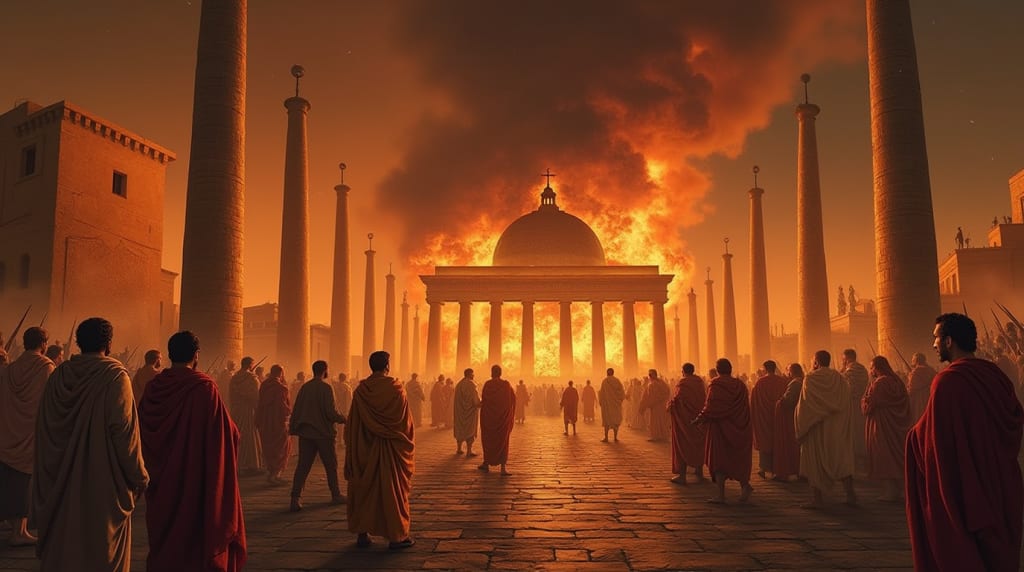
The Great Fire of Rome (64 AD): A Catastrophe That Changed the Roman Empire
The Great Fire of Rome in 64 AD was one of the most significant and controversial events in the history of the Roman Empire. This disaster, which devastated large parts of the capital, left behind unanswered questions and theories about its causes and consequences. In this article, we’ll explore the details of this monumental event, its impact on the empire, and the key figures involved.
1. Rome in the First Century AD: The Capital of an Empire
By the first century AD, Rome was the bustling heart of the Roman Empire and the largest city in the ancient world.
The city was a mix of magnificent temples, markets, and theaters but was also overcrowded and poorly organized, making it vulnerable to disasters.
Most of Rome’s buildings were constructed of wood, increasing the risk of fires.
2. How Did the Fire Start?
The Great Fire of Rome broke out on the night of July 18, 64 AD, in the area around the Circus Maximus, a popular entertainment venue.
Strong winds and dry weather conditions helped the fire spread rapidly through the city.
The fire raged for six days, was briefly contained, and then reignited, causing even greater destruction.
3. The Scale of Destruction
Out of Rome’s 14 districts, three were completely destroyed, and seven suffered significant damage.
4. Nero: The Controversial Emperor
Emperor Nero ruled during the fire, and his legacy is one of the most debated in Roman history.
Following the fire, Nero was accused of starting it to clear space for his ambitious urban renewal plans.
Some accounts claim that Nero played the lyre and sang while Rome burned, though modern historians question the accuracy of these stories.
5. Did Nero Cause the Fire?
There is no definitive evidence to prove that Nero deliberately started the fire, but ancient sources like Tacitus and Suetonius have fueled the speculation.
After the fire, Nero began constructing his grand palace, the Domus Aurea (Golden House), which added to suspicions about his intentions.
6. The Persecution of Christians
To deflect blame, Nero accused the Christians, a new religious group in Rome, of starting the fire.
This led to one of the earliest waves of Christian persecution, with many believers tortured and executed in brutal ways.
7. Rebuilding Rome After the Fire
In the aftermath of the fire, Nero initiated a massive reconstruction effort, introducing more organized and fire-resistant urban planning.
Stone replaced wood in many buildings, and streets were widened to prevent the rapid spread of future fires.
These efforts reshaped Rome and made it safer but came at a high financial cost.
8. Economic and Social Impact
The fire caused an economic crisis due to the enormous cost of reconstruction.
Many Romans lost their homes and livelihoods, increasing social tensions in the city.
Although Nero provided aid to the victims, his popularity declined due to the widespread belief in his culpability.
9. Historical Accounts of the Fire
Much of what we know about the Great Fire comes from ancient historians like Tacitus, Suetonius, and Cassius Dio.
However, their accounts are often biased and influenced by personal or political motives, making it difficult to separate fact from fiction.
10. Alternate Theories and Possible Causes
In addition to the allegations against Nero, other theories suggest the fire may have been an accident caused by negligence.
Environmental factors and the densely packed wooden structures of Rome were likely major contributors to the disaster.
11. Lessons Learned from the Catastrophe
Despite its devastation, the Great Fire led to significant improvements in urban planning and infrastructure.
Rome’s rebuilding efforts made it a model for city planning in the Roman Empire, reducing the risk of future disasters.
12. The Historical Legacy of the Great Fire
The Great Fire of Rome remains a symbol of urban disasters but also a testament to human resilience and recovery.
The event has inspired countless works of art, literature, and historical studies over the centuries.
Conclusion: A Fire That Reshaped History
This event serves as a reminder of the importance of urban planning and the potential for renewal after catastrophe. The rebuilding of Rome after the fire transformed it into a safer and more organized city, showcasing the resilience and ingenuity of its people.
The Great Fire of Rome was not the end of the city but rather the beginning of a new chapter, one that solidified its place as the eternal city of the ancient world.
About the Creator
💓 Pulse of Stories 💓
The world of short and inspiring stories! Here you will find stories that touch hearts, ignite the imagination, and take you on quick yet deep journeys.
Keep reading
More stories from 💓 Pulse of Stories 💓 and writers in History and other communities.
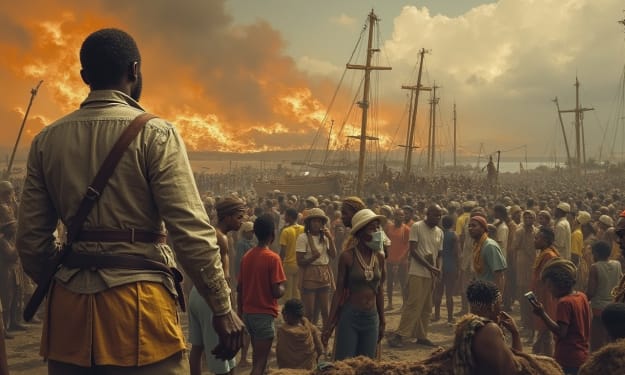
The Slave Revolution in Haiti (1791-1804):
The Slave Revolution in Haiti (1791-1804): The World's First Successful Uprising Against Slavery The Slave Revolution in Haiti stands as one of the most extraordinary events in global history. It marked the first time enslaved Africans successfully overthrew a colonial power and abolished slavery, leading to the creation of the first Black republic in the world. Between 1791 and 1804, the revolution forever changed the landscape of the Caribbean and became a beacon of hope for oppressed peoples worldwide. In this article, we’ll explore the causes, events, leaders, and impact of this historic revolution.
By 💓 Pulse of Stories 💓about a year ago in History
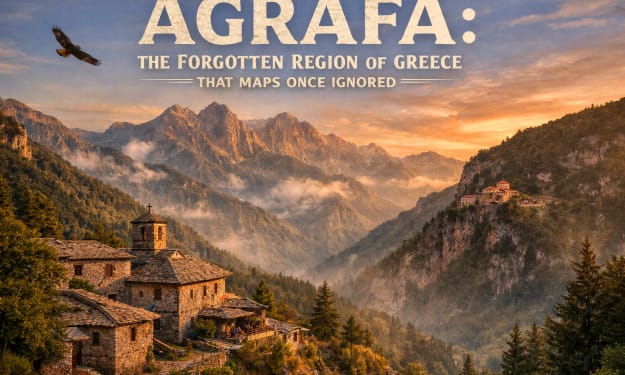
The Forgotten Region of Greece That Maps Once Ignored
High in the rugged mountains of central Greece, there lies a mysterious and historically fascinating region known as Agrafa. For centuries, this isolated land lived up to the meaning of its own name. The word “Agrafa” in Greek literally means “unwritten” or “unrecorded.” The region earned this unusual title because it was so remote and difficult to control that even powerful empires often ignored it, and in some cases, mapmakers did not even bother to include it on their maps.
By Irshad Abbasi a day ago in History


Comments
There are no comments for this story
Be the first to respond and start the conversation.