General
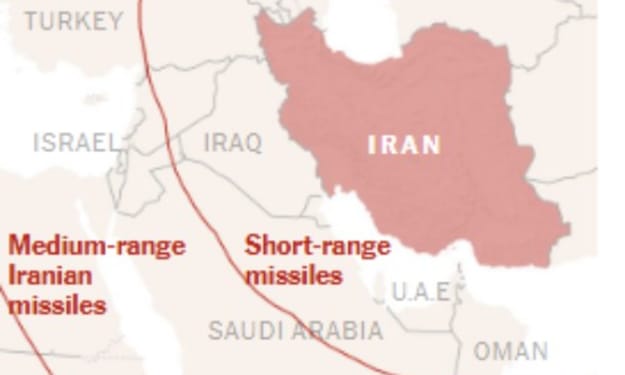
Iran hails ‘encouraging signals’ from US ahead of nuclear talks in Geneva
Iranian President Masoud Pezeshkian has said that nuclear talks with the United States have produced “encouraging signals”, but warned that Tehran is prepared for any scenario ahead of another round of negotiations set for Thursday.
By Wings of Time 2 days ago in History
Iranians prefer 'precise' Israeli strike over US attack as protests resume at universities
Iranians, while "waiting every minute and second" for a US strike against the Islamic Regime, would prefer an Israeli strike due to the precise nature of the Air Force's strikes in June, while there is a perception that US strikes would "bring terrible destruction, like in Iraq and Afghanistan," a local, identified as Ali told KAN Reshet Bet on Sunday.
By Wings of Time 2 days ago in History
Why Attacking Iran Could Be Riskier Than Capturing Maduro
When President Trump said in January that a U.S. “armada” was heading to Iran, he compared it with the kind of force used in the military’s recent lightning operation in Venezuela, saying it was “able to rapidly fulfill its mission, with speed and violence.”
By Wings of Time 2 days ago in History
Iran Could Direct Proxies to Attack U.S. Targets Abroad, Officials Warn
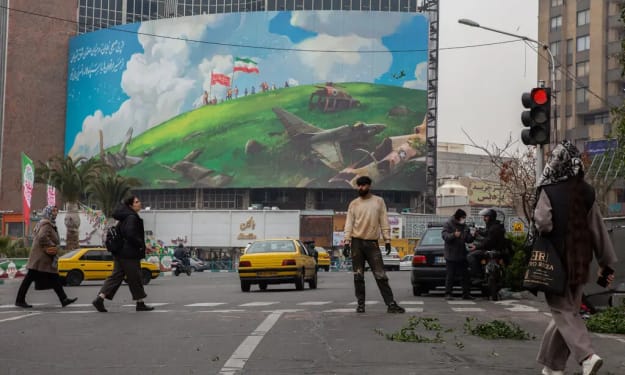
A new billboard in Tehran this month. The uncertainty surrounding possible threats from Iran’s proxy groups further complicates the Trump administration’s war planning. Credit...Arash Khamooshi for The New York Times
By Wings of Time 2 days ago in History
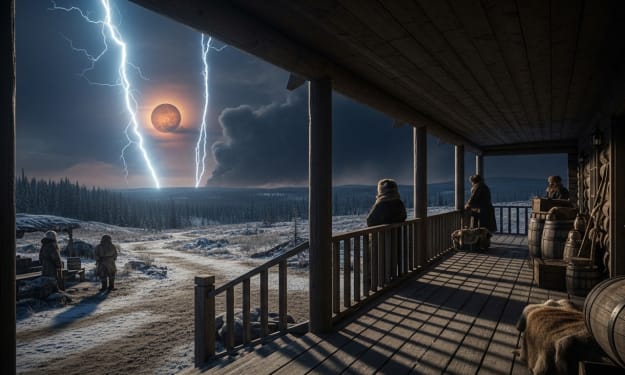
The Tunguska Event: The morning the sky exploded in Siberia, knocking down 80 million trees with no impact crater.
The silver heat hit S.B. Semenov before the sound even arrived. He was sitting on the porch of the Vanavara trading post, sixty miles from the Podkamennaya Tunguska River, when the air suddenly smelled of scorched iron and lightning. It felt like his shirt had caught fire. The sky split in two—a jagged, vertical gash of blue-white light that made the morning sun look like a dull copper coin. Then came the punch. A massive, invisible hand of air slammed into the post, lifting Semenov off his bench and tossing him three yards across the dirt. The windows shattered in a single, synchronized scream of glass. He looked up, and the northern horizon was gone, replaced by a wall of smoke that reached toward the stars.
By The Chaos Cabinet3 days ago in History
The Most Genius "Legal Robbery" In History
Ireland’s small village of Bellewstown still remembers a man who pulled off a $600,000 robbery in broad daylight. The shocking part? He had no gun and wore no mask. After the operation, he walked around freely, and the police couldn’t touch him—because everything he did was technically legal.
By Imran Ali Shah4 days ago in History
The Curse is On You
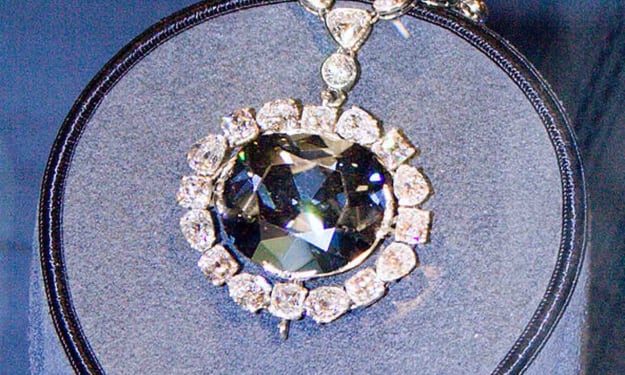
The Black Orlov diamond is often considered cursed due to its dark history. The stone is so unique because it weighs 189.60 carats. This diamond, also known as the "Black Orlov," is linked to numerous tales of misfortune and tragedy, particularly after it was reportedly stolen from a Hindu temple. According to legend, the theft led to a curse placed by Lord Brahma, which is said to bring death and despair to its owners.
By Rasma Raisters5 days ago in History