
The Slave Revolution in Haiti (1791-1804):
The Slave Revolution in Haiti (1791-1804): The World's First Successful Uprising Against Slavery

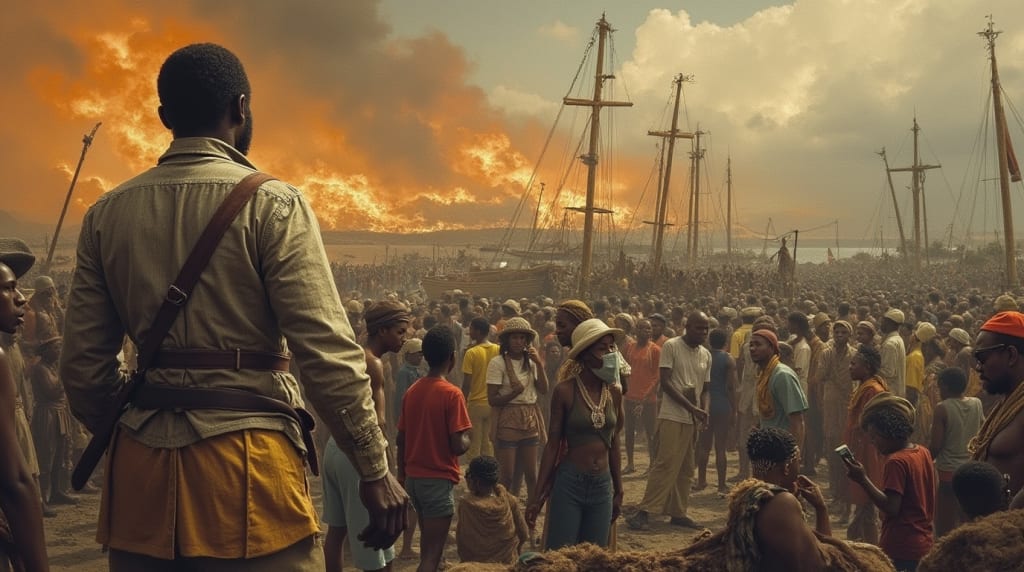
The Slave Revolution in Haiti (1791-1804): The World's First Successful Uprising Against Slavery
The Slave Revolution in Haiti stands as one of the most extraordinary events in global history. It marked the first time enslaved Africans successfully overthrew a colonial power and abolished slavery, leading to the creation of the first Black republic in the world. Between 1791 and 1804, the revolution forever changed the landscape of the Caribbean and became a beacon of hope for oppressed peoples worldwide. In this article, we’ll explore the causes, events, leaders, and impact of this historic revolution.
1. Haiti in the 18th Century: A Land of Wealth and Oppression
Haiti, known as Saint-Domingue during the French colonial era, was the most prosperous colony in the Caribbean.
It was a hub for sugar, coffee, tobacco, and cotton production, generating immense wealth for France.
2. Why Did the Enslaved Revolt?
A. Extreme Exploitation
The enslaved population worked under harsh conditions, facing physical abuse, malnutrition, and death from overwork.
They were seen as expendable tools, denied basic human rights and dignity.
B. Influence of the French Revolution
The French Revolution of 1789 sparked ideals of liberty, equality, and fraternity, which resonated with the oppressed in Saint-Domingue.
Enslaved Africans began to question why these principles did not apply to them.
C. Internal Divisions
There were conflicts between French colonial authorities, plantation owners, and free people of color, creating opportunities for rebellion.
These divisions weakened the colonial administration and emboldened the enslaved population.
3. The Beginning of the Revolution: The 1791 Slave Uprising
On the night of August 22, 1791, the enslaved population of northern Saint-Domingue launched a massive revolt.
The rebellion was meticulously planned, led by key figures such as Boukman Dutty, a spiritual leader.
Enslaved Africans burned plantations, destroyed crops, and killed their oppressors, quickly spreading chaos across the colony.
4. Toussaint Louverture: The Leader Who Defined the Revolution
Toussaint Louverture emerged as the most prominent leader of the Haitian Revolution.
Born a slave, Louverture gained his freedom and rose to prominence as a skilled military strategist and diplomat.
By 1793, he joined the rebellion and united the various factions of the revolution.
5. The Role of Foreign Powers in the Revolution
The Haitian Revolution became a theater for international conflict as European powers sought to exploit the turmoil:
Spain and Britain supported the revolutionaries at different times, hoping to weaken France and gain control of Saint-Domingue.
However, the unity and resilience of the Haitian forces under Louverture frustrated all foreign attempts to dominate the colony.
6. The Road to Independence: Key Events
In 1794, France’s revolutionary government abolished slavery in its colonies, hoping to regain control of Saint-Domingue.
Despite this, Toussaint Louverture continued to fight for autonomy, declaring himself governor-for-life in 1801.
In 1802, Napoleon Bonaparte sent forces to reinstate slavery and reassert French authority. The Haitians, led by Jean-Jacques Dessalines after Louverture’s capture, decisively defeated Napoleon’s troops.
7. The Declaration of Independence in 1804
On January 1, 1804, Jean-Jacques Dessalines declared Haiti’s independence, renaming the country from Saint-Domingue to Haiti—a nod to its precolonial indigenous name.
Haiti became the first independent Black republic and the first nation to permanently abolish slavery.
8. Challenges After Independence
Although independence was achieved, Haiti faced immediate and long-term challenges:
Economic Isolation: European powers, especially France, imposed economic blockades to isolate Haiti and deter slave revolts elsewhere.
Reparations to France: In 1825, Haiti was forced to pay a crippling indemnity to France in exchange for diplomatic recognition, plunging the country into debt.
Internal Struggles: Political instability and power struggles hampered Haiti’s development.
9. The Global Impact of the Haitian Revolution
The Haitian Revolution had a profound influence on the world:
It inspired enslaved populations across the Americas to fight for their freedom.
It struck a blow against the global system of slavery, proving that enslaved people could resist and triumph.
It challenged European imperialism and reshaped the geopolitics of the Americas.
10. Key Lessons from the Haitian Revolution
Unity Over Division: The revolution demonstrated that even the most oppressed groups could succeed through unity and determination.
The Power of Ideals: The revolutionaries drew strength from universal ideals of liberty and equality, showing the transformative power of such principles.
Courage in the Face of Adversity: Despite facing overwhelming odds, the Haitians persevered and achieved their freedom.
11. The Cultural Legacy of the Revolution
Haiti became a symbol of resistance and freedom for oppressed peoples worldwide.
The country’s vibrant culture, rooted in African traditions and revolutionary ideals, remains a testament to the resilience of its people.
12. The Ongoing Struggle: Haiti’s Modern Challenges
Despite its historic achievements, Haiti continues to face political, economic, and social challenges.
The legacy of colonialism and exploitation still affects its development.
However, the spirit of the Haitian Revolution endures, inspiring efforts to build a brighter future.
13. Conclusion: A Triumph for Humanity
The Haitian Revolution was more than a fight for freedom; it was a profound statement on the universal value of human dignity and equality. By successfully overthrowing a system of slavery and colonial oppression, Haiti set a precedent that changed the course of history.
Today, the revolution stands as a testament to the strength of the human spirit and a reminder that freedom, though hard-won, is a right worth fighting for. Haiti’s story continues to inspire people around the world to challenge injustice and strive for a more equitable future.
About the Creator
💓 Pulse of Stories 💓
The world of short and inspiring stories! Here you will find stories that touch hearts, ignite the imagination, and take you on quick yet deep journeys.
Keep reading
More stories from 💓 Pulse of Stories 💓 and writers in History and other communities.
The Story of the Taj Mahal
The Story of the Taj Mahal: A Timeless Symbol of Love and Architectural Brilliance The Taj Mahal is one of the most remarkable architectural marvels in the world, celebrated as a timeless symbol of love and devotion. Built in the 17th century by the Mughal Emperor Shah Jahan in memory of his beloved wife Mumtaz Mahal, this magnificent mausoleum stands as a testament to enduring affection and artistic excellence. In this article, we will delve into the complete story of the Taj Mahal, exploring its history, design, cultural significance, and the legacy it continues to uphold.
By 💓 Pulse of Stories 💓about a year ago in History
The Year 1926 in Review: Fun Facts, Trivia, and Historic Highlights
This quick read is a collection of fun facts, trivia, and historic events from the year 1926. Discover the year’s top news stories, most influential people, sports facts, entertainment trivia, grocery prices, and much more.
By Gregory DeVictor4 days ago in History




Comments
There are no comments for this story
Be the first to respond and start the conversation.