Figures
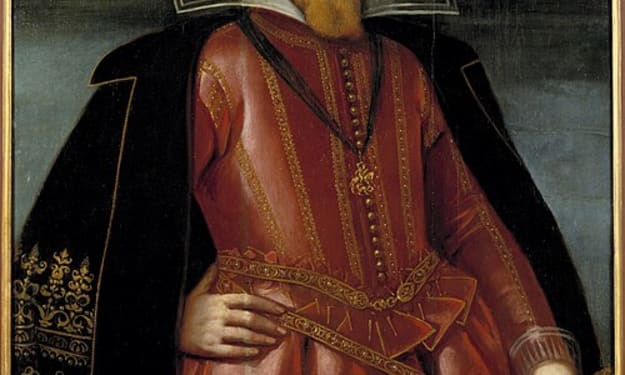
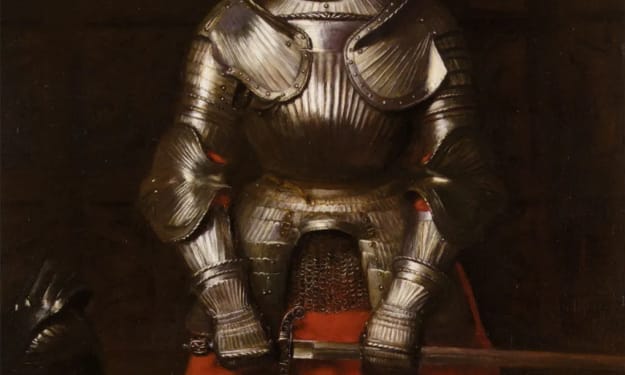
King James VI: Little-Known Facts About the Author of the King James Bible
James the infant king King James VI is widely known for the Bible translation that bears his name. The KJV is the most widely used of all versions of the holy scriptures. Who was this man who continues to be a controversial figure today?
By Cheryl E Prestona day ago in History
Steve Jobs: The Visionary Behind the iPhone
Steve Jobs is remembered as one of the most creative and influential figures in modern technology. He was not just a businessman; he was a visionary who believed that technology should be simple, beautiful, and useful. Among all his achievements, the creation of the iPhone stands out as a product that transformed everyday life. The iPhone did not just change phones; it changed how people connect, work, and express themselves.
By Haroon Pashaa day ago in History
Iran hails ‘encouraging signals’ from US ahead of nuclear talks in Geneva
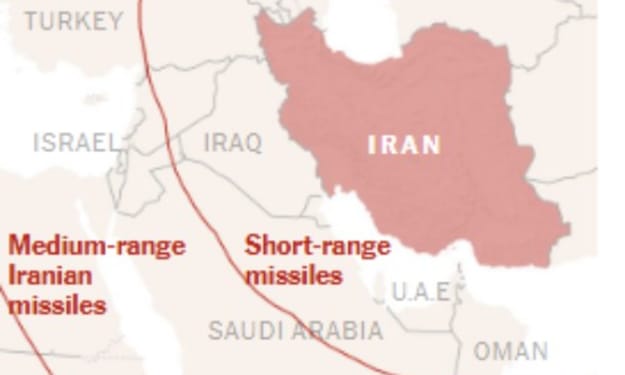
Iranian President Masoud Pezeshkian has said that nuclear talks with the United States have produced “encouraging signals”, but warned that Tehran is prepared for any scenario ahead of another round of negotiations set for Thursday.
By Wings of Time a day ago in History
Iranians prefer 'precise' Israeli strike over US attack as protests resume at universities
Iranians, while "waiting every minute and second" for a US strike against the Islamic Regime, would prefer an Israeli strike due to the precise nature of the Air Force's strikes in June, while there is a perception that US strikes would "bring terrible destruction, like in Iraq and Afghanistan," a local, identified as Ali told KAN Reshet Bet on Sunday.
By Wings of Time a day ago in History
Why Attacking Iran Could Be Riskier Than Capturing Maduro
When President Trump said in January that a U.S. “armada” was heading to Iran, he compared it with the kind of force used in the military’s recent lightning operation in Venezuela, saying it was “able to rapidly fulfill its mission, with speed and violence.”
By Wings of Time a day ago in History
Iran Could Direct Proxies to Attack U.S. Targets Abroad, Officials Warn
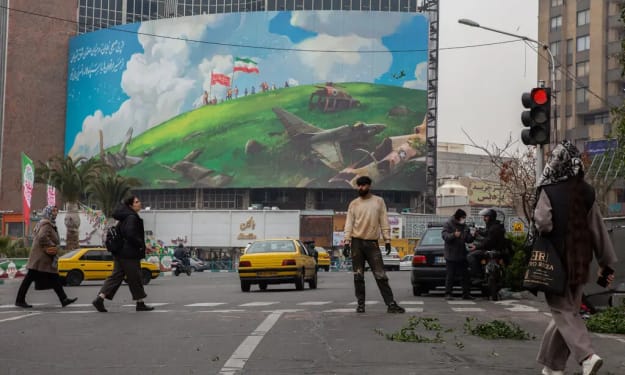
A new billboard in Tehran this month. The uncertainty surrounding possible threats from Iran’s proxy groups further complicates the Trump administration’s war planning. Credit...Arash Khamooshi for The New York Times
By Wings of Time 2 days ago in History
Jacqueline Jackson is an example of a wife who honored her wedding vows.
Jacqueline Jackson is now the widow of Jesse Jackson, who was a preacher, and a controversial civil rights leader, and a politician. This picture speaks a thousand words to many other widows and me. The Jacksons were married for 63 years, and through all of their challenges, they remained together. This is not easy when one is in the public eye.
By Cheryl E Preston3 days ago in History