Analysis
Worst Mid-Air Crash in Aviation History part 2
Around 6:23 PM, Flight 1907 reached a waypoint west of Delhi called LUMKA. Waypoints function like intersections in the sky, where different airways cross. From there, the Kazakh flight was cleared to descend from 25,000 feet to 20,000 feet as it joined the “Delhi STAR” arrival route.
By Imran Ali Shahabout 10 hours ago in History
Worst Mid-Air Crash in Aviation History part 1
It was evening over Delhi when two aircraft carrying a total of 349 people were moving toward each other in the sky. One of them was preparing to land at Delhi Airport, while the other had just taken off from Delhi. Both pilots were receiving instructions from the same air traffic controller, and a vertical separation of 1,000 feet had been maintained between them.
By Imran Ali Shahabout 10 hours ago in History
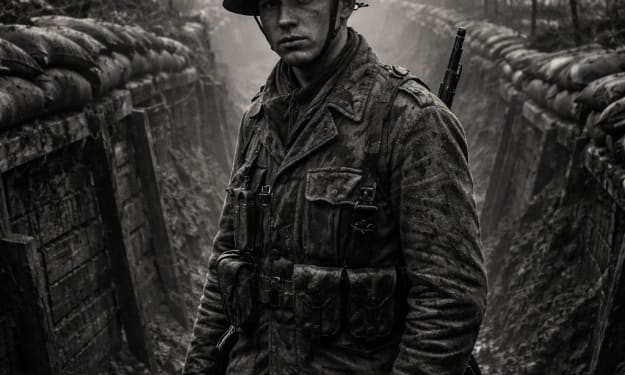
Echoes Beneath the Silent Guns
The summer of 1914 arrived gently in Europe, with long golden evenings settling over wheat fields and cobblestone streets. In a small village near the border of the German Empire, sixteen-year-old Lukas Adler believed the world was wide and permanent. His father was a blacksmith; his mother kept a garden that seemed to bloom regardless of politics. News from faraway capitals felt distant—until the day everything changed.
By Maavia tahirabout 14 hours ago in History
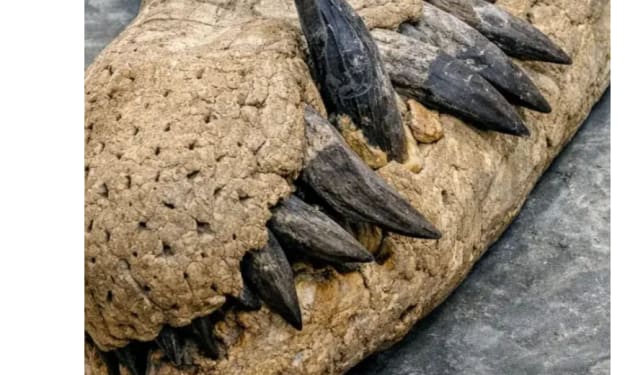
A skull of a Sea-Rex pliosaur was found off the coast of England.
A 6.6-foot-long pliosaur skull with its upper and lower jaws still locked together in their original configuration has been discovered by British scientists. Palaeontologists have an exceptionally good picture of how one of the most formidable predators in the Jurassic Ocean actually bit and fed because of this unique preservation.
By Francis Damiabout 18 hours ago in History
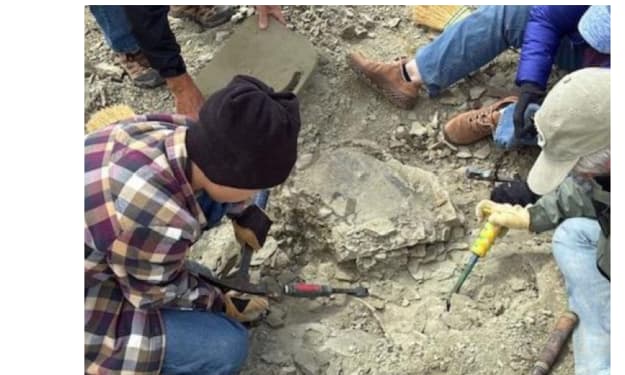
An 11-year-old child discovered a fossilised turtle that was 48 million years old.
A virtually complete turtle shell from around 48 million years ago was found by an 11-year-old rock hunter. Before the elements could destroy it, the unbroken shell preserved a unique window into a lost river world. Near Rock Springs, Wyoming, the dark shell was half-exposed in a layer of crumbling rock, waiting at the surface.
By Francis Damiabout 19 hours ago in History
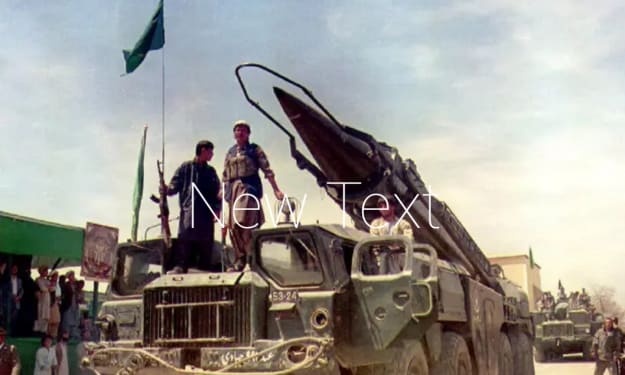
Scud Missile Attacks on Pakistan (1989–1990): Soviet Withdrawal, Najibullah Government, and the Afghan War Fallout
On the morning of April 7, 1989, a Soviet-made Scud missile destroyed a post office in the Pakistani border town of Torkham after being launched from Kabul.
By Real contenta day ago in History
Iran hails ‘encouraging signals’ from US ahead of nuclear talks in Geneva
Iranian President Masoud Pezeshkian has said that nuclear talks with the United States have produced “encouraging signals”, but warned that Tehran is prepared for any scenario ahead of another round of negotiations set for Thursday.
By Wings of Time 2 days ago in History
Iranians prefer 'precise' Israeli strike over US attack as protests resume at universities
Iranians, while "waiting every minute and second" for a US strike against the Islamic Regime, would prefer an Israeli strike due to the precise nature of the Air Force's strikes in June, while there is a perception that US strikes would "bring terrible destruction, like in Iraq and Afghanistan," a local, identified as Ali told KAN Reshet Bet on Sunday.
By Wings of Time 2 days ago in History
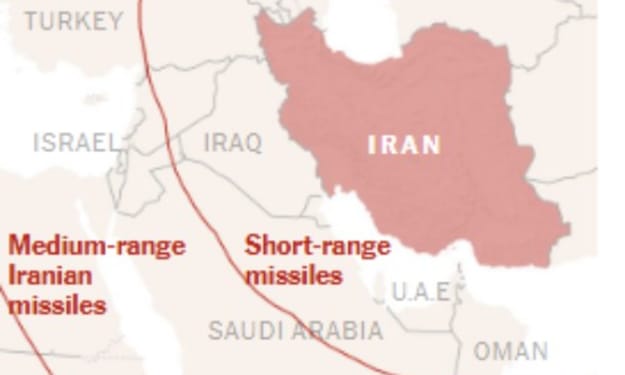
Why Attacking Iran Could Be Riskier Than Capturing Maduro
When President Trump said in January that a U.S. “armada” was heading to Iran, he compared it with the kind of force used in the military’s recent lightning operation in Venezuela, saying it was “able to rapidly fulfill its mission, with speed and violence.”
By Wings of Time 2 days ago in History
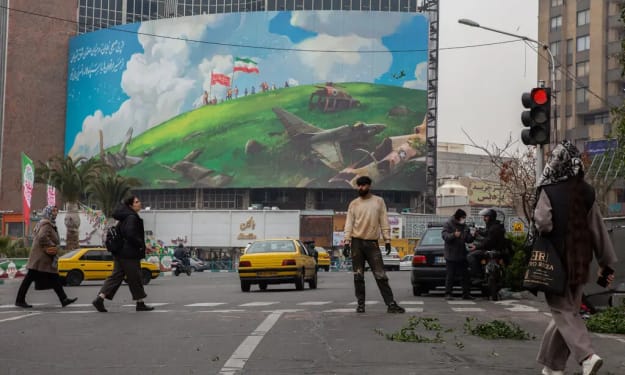
Iran Could Direct Proxies to Attack U.S. Targets Abroad, Officials Warn
A new billboard in Tehran this month. The uncertainty surrounding possible threats from Iran’s proxy groups further complicates the Trump administration’s war planning. Credit...Arash Khamooshi for The New York Times
By Wings of Time 2 days ago in History