Narratives
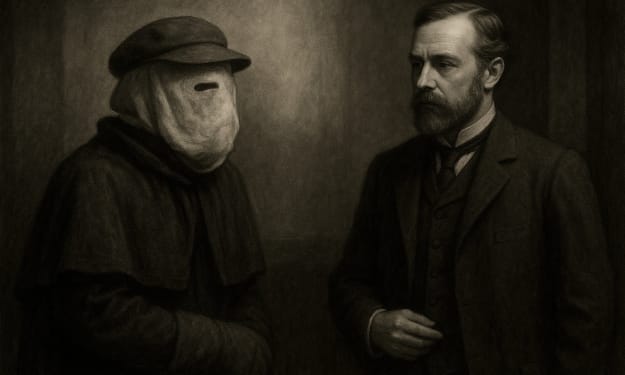
4 Mind-Bending 'Secrets' of the Illuminati Hidden in Plain Sight
Have you ever watched presidents, celebrities, and global leaders on the world stage and wondered about their public gestures? We see their handshakes and poses, but what if they are not random affectations, but a coded language an occult script being played out right before our eyes? They vowed you would never know. They were wrong.
By The INFORMER2 days ago in History
The Tidewater Creole People
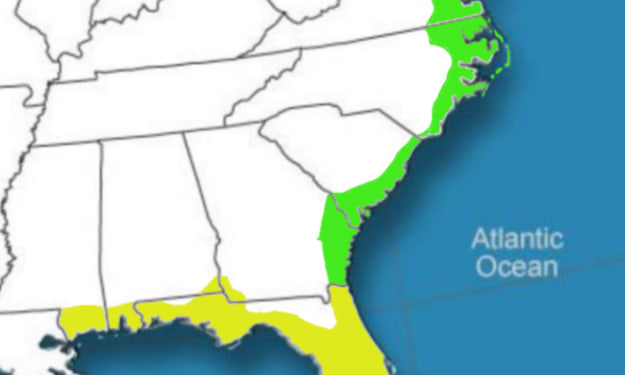
The Tidewater Creole people are descendants of early Black communities of the Tidewater Region from the 1620s and onwards into the future in coastal Virginia, the Carolina Coast, coastal Georgia, coastal Maryland and Delaware, and the Southern New Jersey Shore.
By Gracebelle White2 days ago in History
Several hundred residents of the village lived in the basement for a month
The city of Chernihiv was surrounded in the first days of the war, and it was liberated only in early April. The surrounding villages were even less fortunate — russian troops entered there on February 24. The village of Yahidne, located south of Chernihiv and 150 kilometres from Kyiv, was occupied in early March. About 400 local residents were taken prisoner, they sat for a month in the dark, cramped basement of a small local school. The occupiers looted homes, took away clothes, linen, and household appliances. Sometimes residents were allowed to leave the basement and cook some food on the fire. During the occupation, the Russians shot, according to various sources, 20 civilians. Journalist Ilya Kabachynskyi came to Yahidne to see the conditions in which the locals lived, talked to them about what was happening, and went down to the same basement where 11 people died.
By Ilya Baranov3 days ago in History
Iran hails ‘encouraging signals’ from US ahead of nuclear talks in Geneva
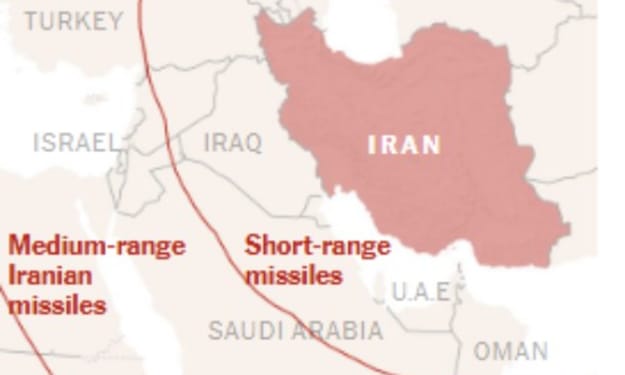
Iranian President Masoud Pezeshkian has said that nuclear talks with the United States have produced “encouraging signals”, but warned that Tehran is prepared for any scenario ahead of another round of negotiations set for Thursday.
By Wings of Time 5 days ago in History
Iranians prefer 'precise' Israeli strike over US attack as protests resume at universities
Iranians, while "waiting every minute and second" for a US strike against the Islamic Regime, would prefer an Israeli strike due to the precise nature of the Air Force's strikes in June, while there is a perception that US strikes would "bring terrible destruction, like in Iraq and Afghanistan," a local, identified as Ali told KAN Reshet Bet on Sunday.
By Wings of Time 5 days ago in History
Why Attacking Iran Could Be Riskier Than Capturing Maduro
When President Trump said in January that a U.S. “armada” was heading to Iran, he compared it with the kind of force used in the military’s recent lightning operation in Venezuela, saying it was “able to rapidly fulfill its mission, with speed and violence.”
By Wings of Time 5 days ago in History
Iran Could Direct Proxies to Attack U.S. Targets Abroad, Officials Warn
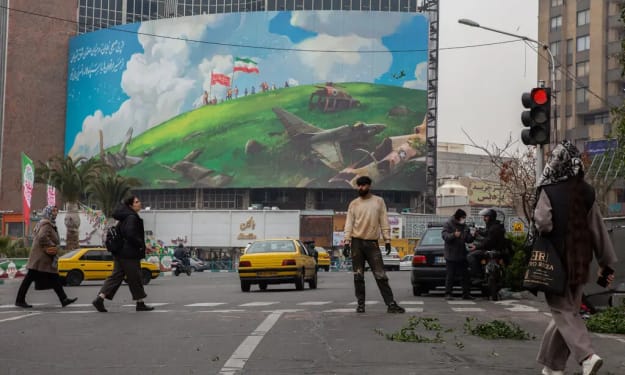
A new billboard in Tehran this month. The uncertainty surrounding possible threats from Iran’s proxy groups further complicates the Trump administration’s war planning. Credit...Arash Khamooshi for The New York Times
By Wings of Time 5 days ago in History
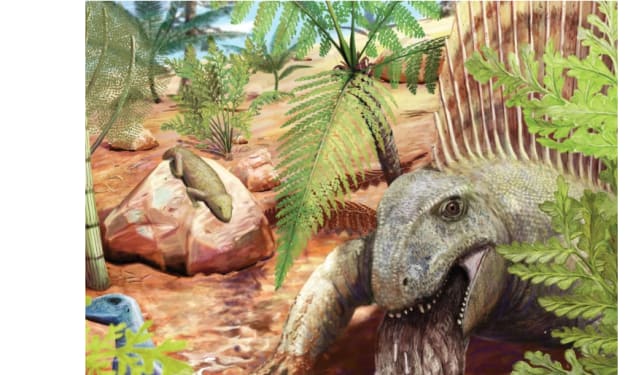
The earliest fossilised vomit in the world with intact remains is found by scientists.
The oldest known vomit from a terrestrial mammal is a lump of fossilised vomit that is around 290 million years old. An early land food chain can be redrawn thanks to 41 bone fragments that freeze a single meal from long before dinosaurs.
By Francis Dami6 days ago in History
60 Seconds and Over the Top
Captain Montgomery was cold. It seemed to him that he was always cold. His boots were coated in a thick, cold mud. The air was cold on his face. The only time he wasn’t cold was when he was in the officer’s mess, sharing a bit of brandy with the other commanders. But the last drink they shared was weeks ago. Now half of those officers were over the top – lying in the muck and craters of no-man’s land, dead and left behind.
By Jonas Kraft6 days ago in History