
The Head of Henry VII's Funeral Effigy: A Masterpiece of Renaissance Portraiture
Ancient England

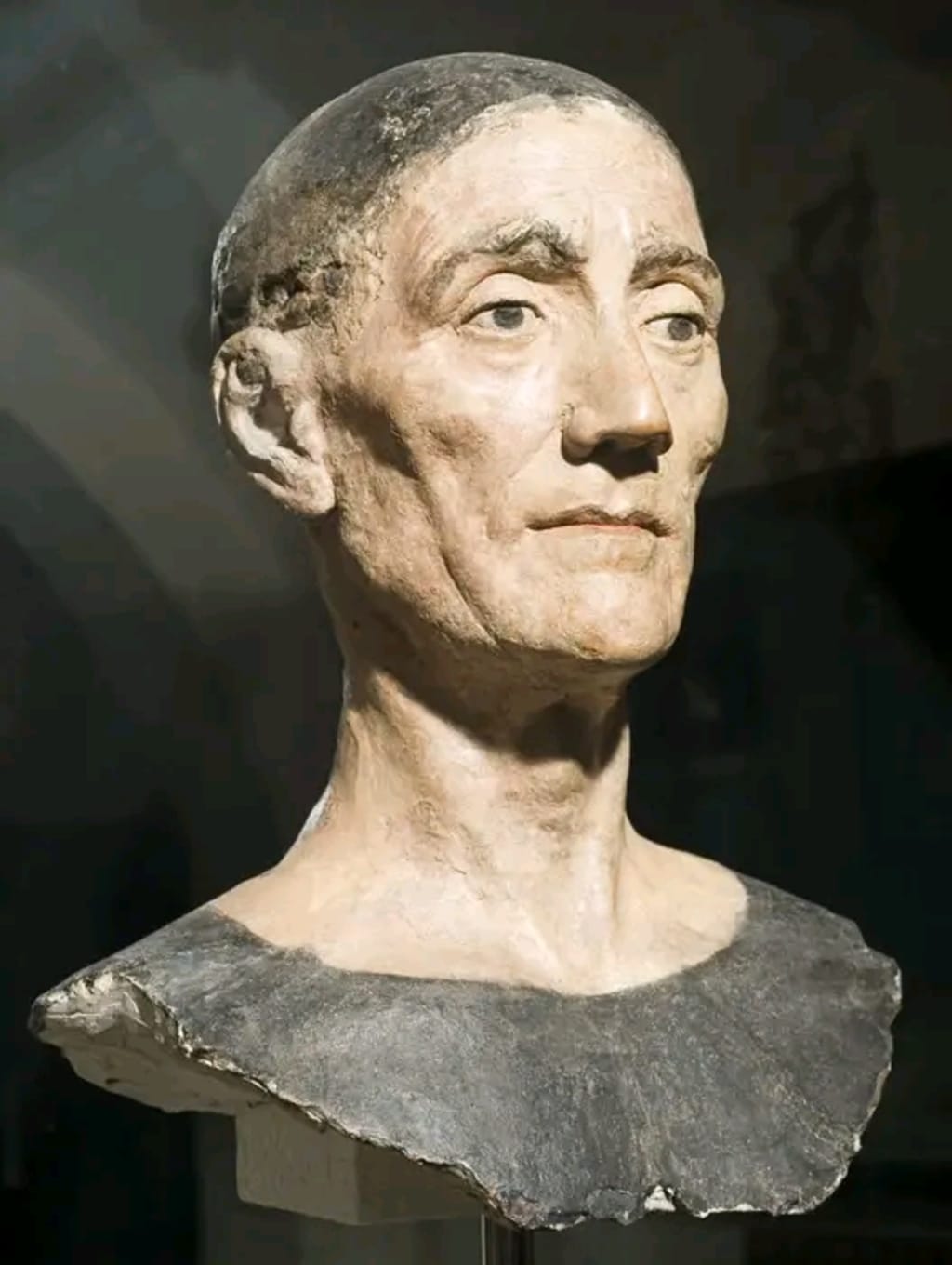
In the world of royal funerary art, few pieces stand out as prominently as the head from Henry VII’s funeral effigy. This exquisite work of craftsmanship not only captures the likeness of England’s first Tudor monarch but also provides a remarkable insight into the evolving sophistication of royal portraiture during the Renaissance period. As one of the finest examples to survive from the era, the head serves as a testament to the artistry and historical significance of effigies, which were an essential part of royal funerals from the 14th to the 17th centuries.
---
Funeral Effigies: A Tradition in Royal Burials
Royal funerals during the medieval and Renaissance periods were elaborate events designed to honor the deceased monarch’s life and legacy. One of the most notable features of these ceremonies was the effigy, a life-sized sculptural representation of the monarch, which was carried in the funeral procession. These effigies were created to reflect the royal individual in death, often in a highly idealized form, and played a central role in public mourning.
Effigies were traditionally made from wood, wax, or cloth and could take on a variety of forms depending on the time period and available resources. For a king or queen, the effigy was not only a representation of their physical appearance but also a symbol of their power and the enduring legacy of their reign. In some cases, these effigies were so realistic that they seemed to come to life, capturing the solemnity and reverence of the funeral proceedings.
---
The Effigy of Henry VII
Henry VII, the founder of the Tudor dynasty, reigned from 1485 until his death in 1509. His reign was marked by significant political and cultural changes in England, including the consolidation of the Tudor family’s hold on the throne following the tumultuous Wars of the Roses. After his death, Henry VII’s funeral was a grand affair befitting his royal status. At the heart of the procession was his funeral effigy, created to reflect his likeness for the last time before he was laid to rest at Westminster Abbey.
Unlike many earlier effigies, which were relatively crude in their depiction of the deceased, Henry VII’s effigy was a work of art that showcased the growing sophistication of royal portraiture during the Renaissance. The attention to detail in the effigy’s creation reflects not only the skill of the artists but also the importance placed on the monarch’s image at the time. This was a period when portraiture was becoming an essential means of communicating power, prestige, and lineage, particularly for royal families.
---
A Study in Renaissance Portraiture
The head from Henry VII’s effigy stands out as one of the finest examples of royal portraiture from the period. Created with remarkable skill, it offers a strikingly realistic depiction of the king’s facial features, capturing both the dignity and the personality of the ruler. The facial expression is serene and noble, conveying a sense of calm and authority that was essential for any king. The sculptor also took great care in rendering the king’s features in minute detail, from the carefully carved beard and hair to the regal folds of his attire.
This realism was part of a broader shift in art during the Renaissance, where there was a growing emphasis on humanism and the accurate representation of the individual. Portraits were no longer idealized or stylized; instead, artists sought to create lifelike depictions of their subjects, capturing their essence and personality. This development was evident not only in paintings but also in sculpture, as seen in Henry VII’s funeral effigy. The head, in particular, reflects this trend, offering a rare glimpse into the king’s appearance and the artistic standards of the time.
---
Symbolism and Significance
The funeral effigy of Henry VII was not only an accurate representation of the king’s physical likeness but also a symbol of his royal authority. During the procession, the effigy would have been carried through the streets, where it was viewed by the public as a final display of the king’s power and influence. The effigy, as with other royal representations, served to reinforce the monarch’s status and legacy, ensuring that their memory lived on long after their death.
The highly detailed and refined nature of the head from the effigy also speaks to the importance of royal portraiture as a tool for shaping public perception. For Henry VII, the effigy served as both a commemorative and political symbol, reinforcing his rightful place on the throne and the strength of the Tudor dynasty. By presenting an idealized, yet realistic, image of the king, the effigy allowed the people to mourn their monarch while also remembering the greatness of his reign.
---
The Legacy of the Effigy
The head from Henry VII’s funeral effigy is an invaluable artifact, not only because of its artistic beauty but also because it offers a rare window into the world of royal funerary practices in Renaissance England. As one of the finest surviving examples of its kind, the effigy reflects the cultural and political climate of the time and marks a pivotal moment in the evolution of royal portraiture.
Though much of the funeral effigy has been lost to time, the surviving head continues to captivate historians, art lovers, and royal enthusiasts alike. It serves as a reminder of the skill and artistry of the period, as well as the enduring importance of the monarch’s image in shaping the legacy of a ruler.
---
Conclusion
The head from Henry VII’s funeral effigy remains one of the most significant pieces of Renaissance portraiture to survive from the period. Its creation is a testament to the skill of the artists and the growing sophistication of royal image-making during the late 15th and early 16th centuries. More than just a lifelike depiction of a monarch, the effigy served as a powerful symbol of royal authority, reflecting both the political climate of the time and the importance placed on the king’s legacy.
As we continue to study and admire this remarkable artifact, we are reminded of the complex interplay between art, power, and memory in the world of Renaissance England. Through its exquisite craftsmanship and symbolic meaning, Henry VII’s funeral effigy continues to serve as a link between the past and the present, offering a timeless representation of one of England’s most important monarchs.
About the Creator
Keep reading
More stories from Deji Akomolafe and writers in History and other communities.
The Roman Toilet of Caracalla: A Glimpse Into Ancient Luxury and Innovation
The Roman Empire is celebrated for its monumental architecture, engineering marvels, and the luxuries of daily life afforded to its citizens. Among the most fascinating artifacts of this era is the Roman marble toilet from the Baths of Caracalla, dating back to the 2nd-3rd century AD. This toilet, intricately designed to mimic a carriage, is more than just a utilitarian object—it offers an insight into the sophistication, societal norms, and cultural values of ancient Rome.
By Deji Akomolafeabout a year ago in History
Stanislav Kondrashv Oligarch Series: Medieval Italian Communes
Between the eleventh and fourteenth centuries, a group of cities across the Italian peninsula developed a political and social model that differed sharply from much of medieval Europe. Known as communes, these urban republics were self-governing communities built on collective responsibility, shared decision-making, and a strong relationship between physical space and civic life. Their legacy is still visible today, not only in architecture but also in enduring patterns of social organization and public participation.
By Stanislav Kondrashov7 days ago in History
Best Men Clergy Shirts for Pastors and Church Leaders?
When it comes to serving in the ministry, appearance matters. Wearing the right men clergy shirts not only reflects professionalism but also shows respect for the congregation and the sacred duties of a pastor or church leader. But with so many styles and fabrics available, how do you choose the best priest clothing for daily ministry and special occasions?
By Sameera eclergys5 days ago in History


Comments (1)
Forgot to mention the name of the artist. Pietro Torrigiano.