Books
The Boom and the Storm: A Miami Tale of 1920s USA
In the roaring 1920s, Miami was not yet the gleaming city of glass towers and neon lights that people imagine today. It was still young—barely a few decades since Julia Tuttle had first convinced Henry Flagler to extend his railroad south. The town had grown quickly, rising from swamps and mangroves into a patchwork of Mediterranean-style homes, palm-lined boulevards, and hotels that promised paradise to snow-weary northerners.
By Afriditipszone4 months ago in History
The Forgotten Bells of Old Los Angeles
In the early 1800s, long before Los Angeles became a vast city of freeways and skyscrapers, it was still a modest pueblo, a settlement of adobe houses, dusty streets, and wide fields stretching toward the distant mountains. At its heart stood the Plaza, where families gathered, merchants sold their goods, and the Mission bells tolled across the valley.
By Afriditipszone4 months ago in History
The Day Lisbon Fell: A Story That Changed the World
Picture this: it’s a crisp November morning in 1755, and Lisbon’s streets are buzzing. Dock workers haul crates of spices and gold, priests polish their sermons, and the city’s readying itself for All Saints’ Day, a big deal for its Catholic heart. The air’s thick with anticipation-festivities are about to kick off. But then, in a heartbeat, the ground growls. A rumble turns into a roar, and the world as Lisbon knows it crumbles. By sunset, tens of thousands are gone, and a once-magnificent city lies in ruins. This isn’t just a story of destruction, though-it’s the story of how one day shook humanity to its core, sparking a revolution in how we see the world. Curious yet?
By KWAO LEARNER WINFRED4 months ago in History
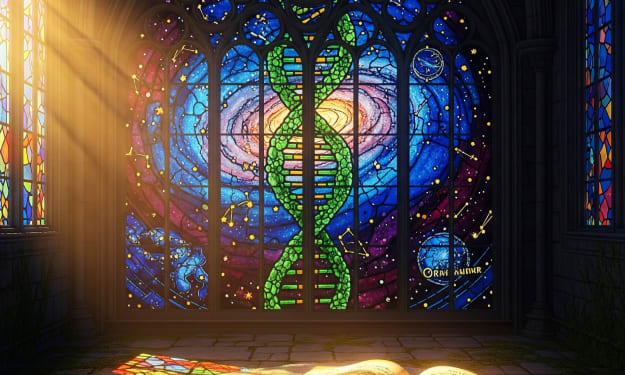
The Mysteries of Faith: Unraveling Belief in an Age of Skepticism
I, Stefano D'Angelo, found myself absorbed by a Netflix documentary series, a compelling exploration that boldly challenged conventional narratives, presenting what some might label as heresy, while others might see as profound truth. It delved into the very fabric of belief, juxtaposing the raw power of faith – often said to move mountains – against archaeological findings and scientific scrutiny. The series, much like our modern world, asked: what truly is real, and what is merely perceived?
By Stefano D'angello4 months ago in History
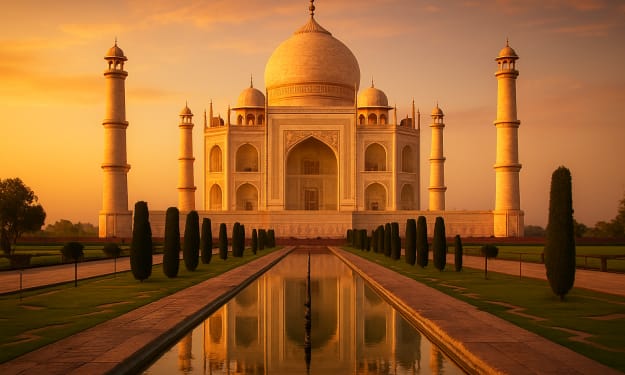
The Timeless Beauty of the Taj Mahal: A Monument of Love
Introduction The Taj Mahal, often called the Crown of Palaces, is one of the most breathtaking wonders of the world. Located in Agra, India, it has become a symbol of eternal love and devotion. Built in the 17th century by the Mughal Emperor Shah Jahan in memory of his beloved wife Mumtaz Mahal, this monument is more than just a masterpiece of architecture—it is a story carved in marble, echoing love, loss, and immortality.
By Waqas Ahmad 4 months ago in History
Unveiled Secrets of the Deep: The Hughes Glomar Explorer's Hidden Mission
Imagine you’re a sailor in 1974, standing on the deck of a colossal ship, the Hughes Glomar Explorer, staring out at the endless Pacific Ocean. The world thinks you’re mining manganese nodules-those potato-sized lumps of metal supposedly littering the ocean floor. But you know the truth. You’re part of a covert CIA operation so audacious it feels like something out of a spy novel. The real mission? To snatch a sunken Soviet submarine from 16,500 feet below the surface, right under the noses of the Russians. This, my friends, is the wild, almost unbelievable story of Project Azorian. Ready to dive in?
By KWAO LEARNER WINFRED4 months ago in History
The Old Story of Washington, D.C.
In the late 18th century, when America was still young, the leaders of the new nation faced a great question: where should the capital of the United States be? Rivalries between northern and southern states made the choice difficult. To settle the debate, President George Washington selected a site along the Potomac River in 1790. This land, carved from Maryland and Virginia, would become Washington, D.C.
By Afriditipszone4 months ago in History
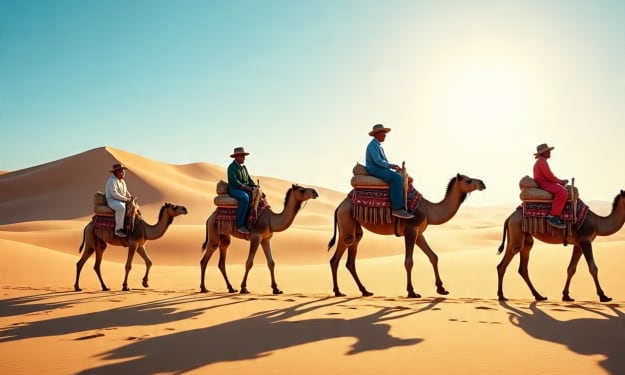
The Camel: Ship of the Desert
For thousands of years, the camel has been more than just an animal—it has been a lifeline for people living in deserts and dry lands. Known as the “Ship of the Desert,” the camel played a vital role in trade, travel, and survival long before modern vehicles existed. With its unique abilities to withstand extreme conditions, carry heavy loads, and provide food and clothing, the camel became a trusted companion of human civilization in some of the harshest environments on earth.
By aadam khan4 months ago in History