
Ibn Sina: The Timeless Genius Who Bridged Medicine and Philosophy
How Ibn Sina’s “Canon of Medicine” and his philosophy bridged science, faith, and reason.

The story of a 10th-century polymath whose wisdom still influences modern science and thought
When we think about the great minds of history, few names shine as brightly as Ibn Sina, also known in the West as Avicenna. Born in 980 CE in Afshana, near Bukhara (modern Uzbekistan), Ibn Sina was more than a physician. He was a philosopher, astronomer, mathematician, and thinker whose works shaped not only the Islamic Golden Age but also the foundations of modern science and medicine.
His story is one of brilliance, perseverance, and a relentless pursuit of truth. By the age of 10, Ibn Sina had memorized the Qur’an. By 16, he had mastered logic, mathematics, astronomy, and philosophy. And at just 18, he became a fully qualified physician—already celebrated for treating patients with methods centuries ahead of his time.
---
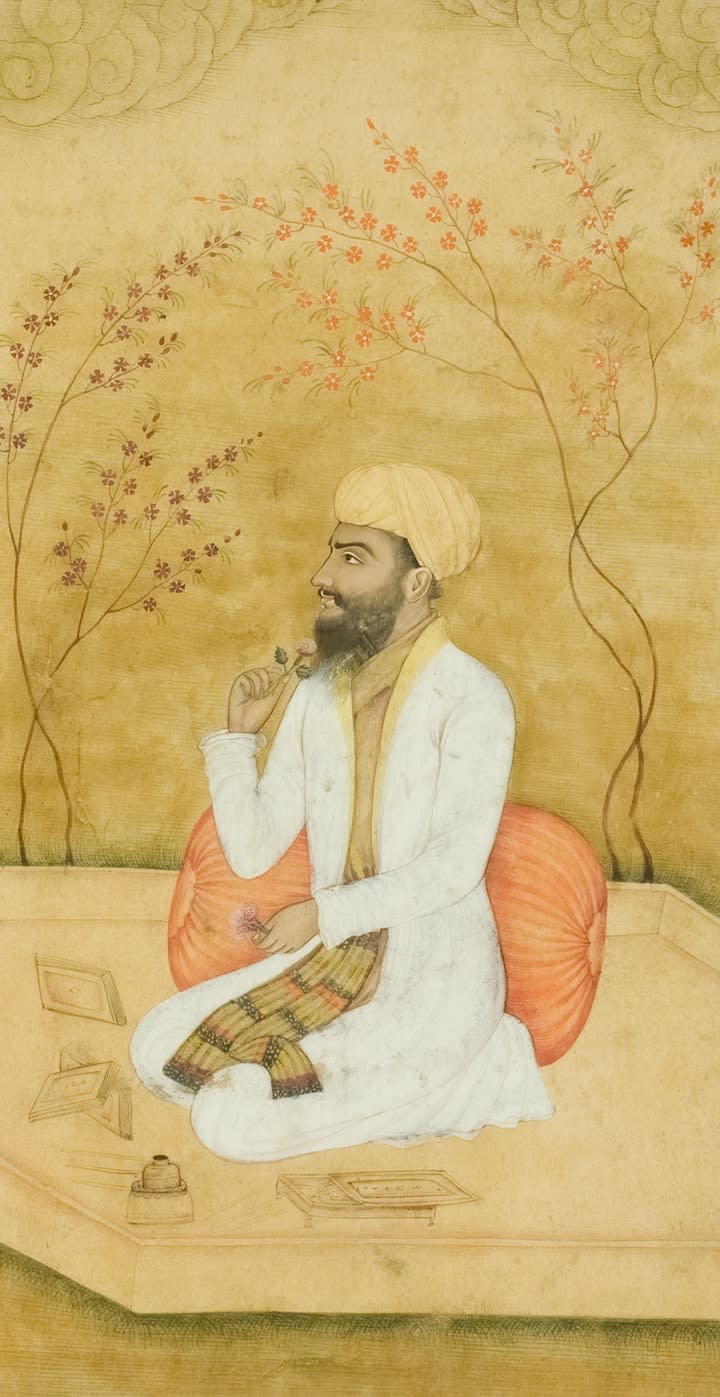
The Healing Hand: Ibn Sina’s Medical Contributions
Ibn Sina’s most influential medical achievement is his encyclopedic book, “Al-Qanun fi al-Tibb” (The Canon of Medicine). For nearly 600 years, this work was the standard medical textbook in Europe and the Middle East. Translated into Latin in the 12th century, it guided doctors through anatomy, diagnosis, treatment, and pharmacy.
What set the Canon apart was Ibn Sina’s emphasis on evidence-based practice. He believed that medical theories should be tested, observed, and proven before being accepted. He described contagious diseases, the importance of quarantine, and the systematic testing of new medicines—concepts that continue to define modern healthcare.
Beyond medicine, Ibn Sina also wrote about nutrition, psychology, and preventive health. He recognized that maintaining balance—both in body and mind—was essential for true wellness. These holistic ideas, centuries old, sound surprisingly modern today.
---
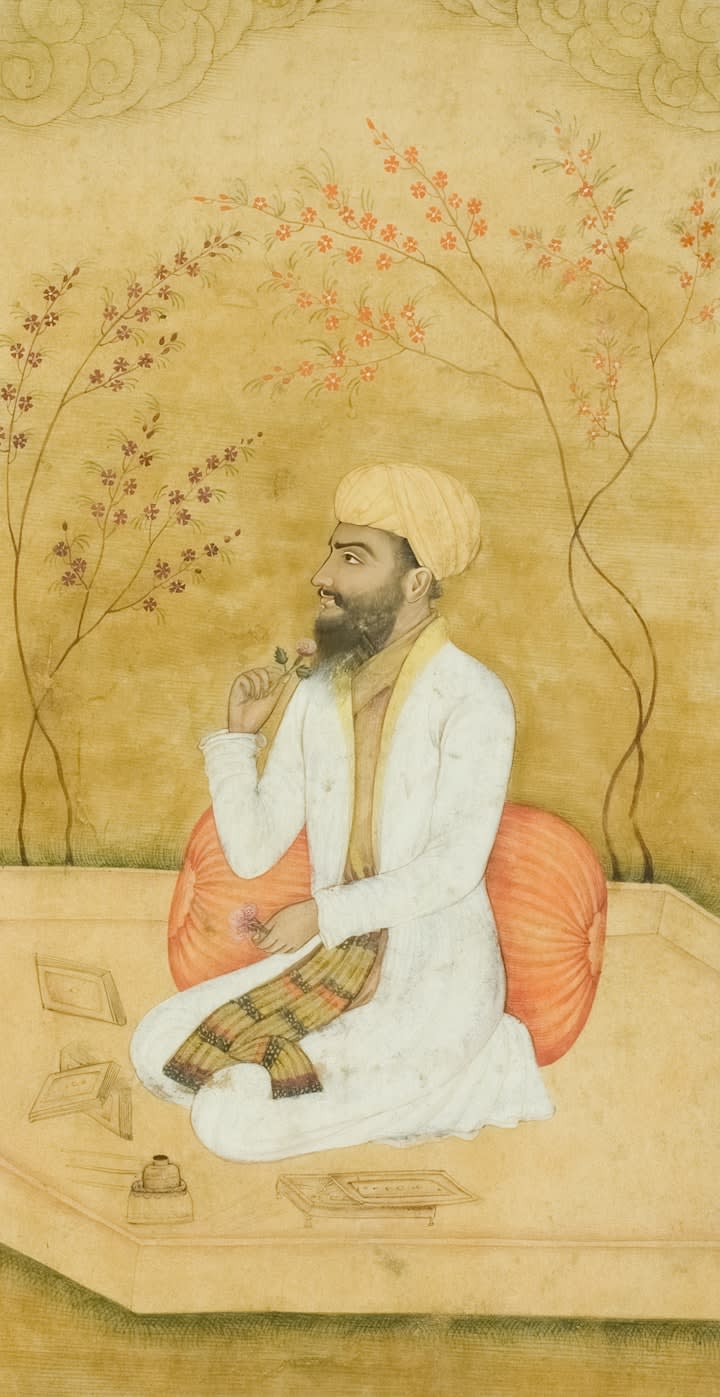
Ibn Sina the Philosopher: Wisdom Beyond Science
While medicine made him famous, Ibn Sina’s philosophical influence was equally profound. His writings fused Greek philosophy with Islamic thought and later shaped European Renaissance thinkers.
In “Kitab al-Shifa” (The Book of Healing), Ibn Sina explored logic, metaphysics, psychology, and ethics. He examined questions about the soul, human knowledge, and the balance between faith and reason. His ideas later inspired influential scholars like Thomas Aquinas and René Descartes, proving that his impact stretched across cultures and centuries.
Ibn Sina believed that reason and revelation were not enemies but partners. His philosophy suggested that seeking truth through both logic and spirituality could bring humans closer to understanding existence. This balance of science and faith remains relevant in our own era of debates between science, ethics, and religion.
---
Struggles, Resilience, and an Endless Legacy
Despite his brilliance, Ibn Sina’s life was marked by struggle. He lived during political upheavals, moving frequently and sometimes facing imprisonment. Yet even in captivity, he continued to write and teach. His ability to remain devoted to knowledge during hardship is part of what makes his story so inspiring.
In total, Ibn Sina authored more than 450 works, though only about 240 survive. These cover astronomy, chemistry, psychology, poetry, and theology. His holistic approach—treating science, philosophy, and spirituality as interconnected—set him apart as a universal thinker.
He passed away in 1037 at the age of 57, but his legacy continued to echo across generations. His books became pillars of both Islamic scholarship and European education, shaping medicine, philosophy, and the pursuit of knowledge for centuries.
---
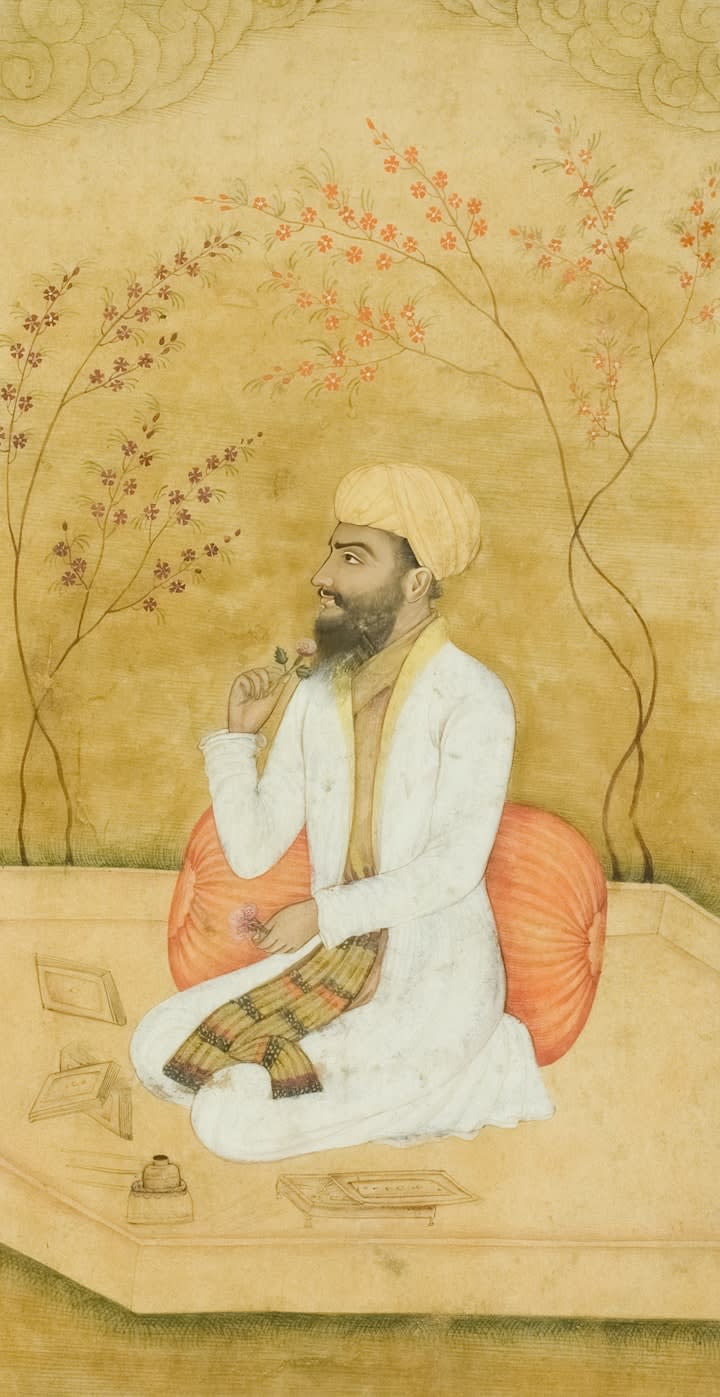
Why Ibn Sina Still Matters in the 21st Century
More than a millennium after his birth, Ibn Sina’s ideas remain strikingly relevant. His approach to medicine echoes today’s scientific method, while his philosophy reminds us to balance rational inquiry with ethical responsibility.
In an age when knowledge is often fragmented, Ibn Sina’s life teaches us that true wisdom comes from connecting different fields of learning. Whether you are a student, a doctor, or simply a curious mind, Ibn Sina’s journey is a reminder that knowledge has no boundaries.
From hospitals to classrooms, from science to philosophy, his impact is still visible. When we study Ibn Sina, we are not just looking back at history—we are learning lessons that guide our present and future.
---
Conclusion: The Eternal Teacher
Ibn Sina was not just a man of his time—he was a man ahead of it. His brilliance shaped the foundations of modern medicine, enriched philosophy, and inspired generations across the globe.
To remember Ibn Sina is to celebrate the power of curiosity, perseverance, and the endless pursuit of truth. His story proves that one person’s passion for knowledge can shape civilizations for centuries.
---
Writer: [Javedali]
About the Creator
Alexander the Great’s Looted Wealth from India: A Historical and Economic Estimation
While his campaigns reshaped the ancient world politically and culturally, one of their most lasting impacts was the massive wealth he acquired from conquered territories, especially during his Indian campaign. This article explores the historical context, nature of the wealth looted from India, and an estimated net worth of that treasure in modern terms—revealing the truly staggering value of what came into Alexander’s hands.
By Say the truth 7 days ago in History
The Rise and Fall of Nicolae Ceaușescu
Nicolae Ceaușescu’s rise to power was initially marked by promise, even optimism. Born in 1918 into a poor peasant family, he entered politics early, shaped by the ideological rigidity of interwar and wartime communism. When he became General Secretary of the Romanian Communist Party in 1965, following the death of Gheorghe Gheorghiu-Dej, many Romanians saw in him a younger leader, one who might soften the harsh Stalinist legacy that had defined the previous decades. For a society weary of repression and deprivation, Ceaușescu appeared to embody the possibility of cautious change.
By Pure child2 days ago in History


Comments
There are no comments for this story
Be the first to respond and start the conversation.