Ancient
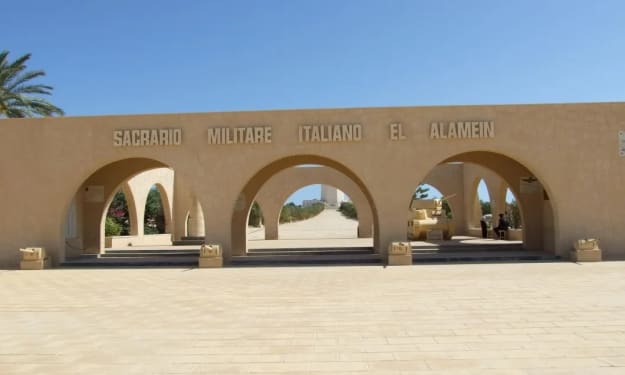
Exploring the El Alamein War Museum: A Historic Journey
Located on the northern coast of Egypt, the El Alamein War Museum stands as a solemn tribute to the history of World War II and the intense battle fought in this region. As one of the most significant military sites in Egypt, the museum offers a unique opportunity to explore the profound history of the North African Campaign. Through its exhibitions and the nearby El Alamein War Cemetery, the museum provides a deeply reflective and informative experience for visitors interested in understanding the pivotal role this region played in shaping the outcome of the war.
By Visit Egyptabout a year ago in History
Hirta Island: A Journey Through the Abandoned Heart of the St Kilda Archipelago
Hirta Island: A Journey Through the Abandoned Heart of the St Kilda Archipelago Hirta Island, the largest of the St Kilda archipelago in Scotland, is a place steeped in history and intrigue. Isolated and often shrouded in mist, it is a stark but beautiful landscape that tells the story of a unique community that managed to survive there for over 2,000 years. From its early settlements to the final departure of its last inhabitants, Hirta has endured the full sweep of human experience: hope, resilience, decline, and abandonment. Today, this hauntingly beautiful island stands as a UNESCO World Heritage Site, preserving both natural wonders and the legacy of the people who once called it home.
By Deji Akomolafeabout a year ago in History
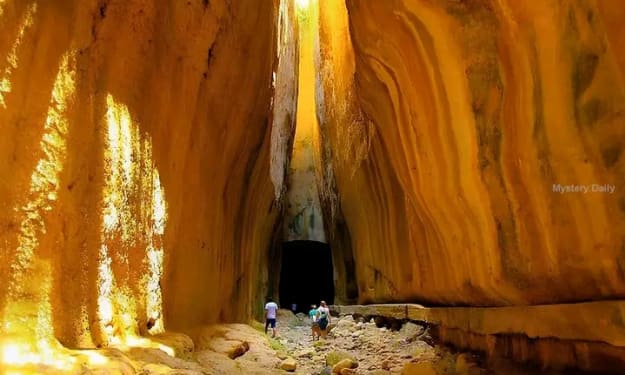
The Vespasianus Titus Tunnel: A Marvel of Ancient Roman Engineering
Forget everything you thought you knew about ancient engineering because the Vespasianus Titus Tunnel in Turkey is about to challenge your perception of what civilizations 2,000 years ago were capable of achieving. This remarkable structure is more than just a tunnel; it’s a 1.4-kilometer testament to the relentless ambition and ingenuity of the Roman Empire, a civilization that wasn’t satisfied with merely surviving but one that wanted to thrive—and make sure everyone knew it. Built to protect the city of Seleucia Pieria from flooding, the Vespasianus Titus Tunnel is an engineering marvel that underscores the Romans’ incredible ability to dominate and manipulate their environment in ways that still leave us in awe today.
By Deji Akomolafeabout a year ago in History
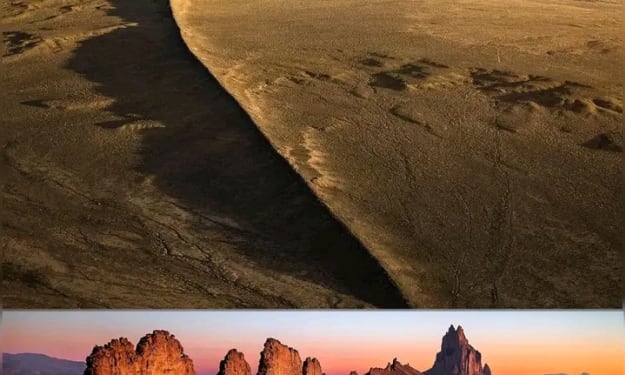
Shiprock: New Mexico’s Sacred Monolith
Rising sharply from the desert floor of northwestern New Mexico, Shiprock is an extraordinary natural formation with a rich blend of geological and cultural significance. Known as “Tsé Bitʼaʼí,” or “rock with wings,” by the Navajo Nation, this towering volcanic monolith stands as a revered landmark, deeply woven into the traditions and stories of the Navajo people. With its jagged silhouette and impressive height of 1,583 feet, Shiprock’s mystique and majesty captivate not only those who live near it but also visitors, geologists, and photographers from across the world.
By Deji Akomolafeabout a year ago in History
Yemanjá
Yemanjá, also known as Iemanjá in Brazil, is a prominent figure in Afro-Brazilian religions and cultural expressions, recognized as the powerful and nurturing goddess of the sea. Revered in Candomblé and Umbanda, Yemanjá is known as the "Queen of the Ocean," embodying themes of motherhood, protection, and transformation. Her influence extends far beyond religious boundaries, touching Brazilian art, music, and annual celebrations that draw millions of devotees and tourists alike. In this article, we explore Yemanjá's origins, her symbolic role in Brazilian culture, and how her annual festival continues to inspire a sense of connection and renewal. Yemanjá originates from the Yoruba religion of West Africa, where she was venerated as one of the Orishas, powerful deities connected to nature. In the Yoruba tradition, Yemanjá is associated with rivers and motherhood, symbolizing fertility, nurturing, and emotional depth. The transatlantic slave trade, however, brought Yoruba practitioners to Brazil, where they adapted their religious practices in the face of colonial oppression. Over time, the worship of Yemanjá blended with local indigenous beliefs and elements of Catholicism, leading to the vibrant, syncretic Afro-Brazilian religious traditions we see today.
By A Históriaabout a year ago in History
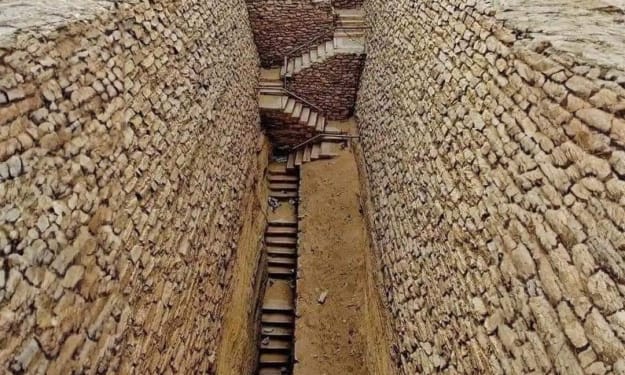
Steps Through Time: The Secrets of Pharaoh Djoser’s Tomb in Saqqara
The ancient Egyptian civilization remains one of the most mysterious and fascinating periods in history. With its monumental structures, intricate beliefs about life and the afterlife, and astounding advances in art, architecture, and science, this civilization still captivates our imaginations. Among the most impressive relics of ancient Egypt is the 4,800-year-old staircase leading to the southern tomb of Pharaoh Djoser in Saqqara, Egypt. These steps, which descend into the earth, do not merely represent a pathway; they are a window into a lost world of architectural genius, religious rituals, and beliefs that helped shape one of history's most influential cultures.
By Taimur Kazmiabout a year ago in History
"Shadows and Reflections: The Myth of the Black Taj Mahal Across the Yamuna"
The Fable of the Atramentous Taj Mahal: Fact or Fiction? The Taj Mahal, an unparalleled attribute of love, stands as a marble curiosity forth the Yamuna River in Agra, India. Commissioned by the Mughal emperor Shah Jahan in anamnesis of his admired wife Mumtaz Mahal, this catacomb is accepted common for its beauty, symmetry, and intricate craftsmanship. Yet abaft its aboriginal white domes lies a arresting abstruseness that has absorbed historians, tourists, and locals for centuries—the fable of the "Black Taj Mahal."
By Say the truth about a year ago in History
The Gate of Angkor Thom: A Portal into Cambodia's Storied Past
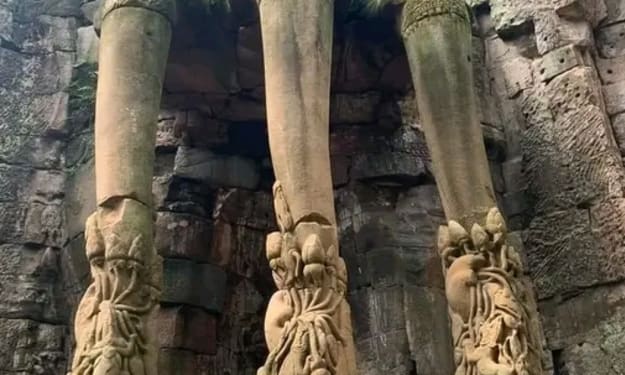
In the heart of Cambodia, where dense jungles conceal remnants of one of history’s greatest empires, stands the Gate of Angkor Thom. Built in the late 12th century under the visionary rule of King Jayavarman VII, this gateway is far more than a mere entrance; it’s a portal that takes visitors back to the golden age of the Khmer Empire. Adorned with elaborate carvings and imbued with an aura of timelessness, Angkor Thom’s gates tell stories of an empire defined by grandeur, artistry, and devotion.
By Deji Akomolafeabout a year ago in History
Igudar: Morocco’s Ancient Banking System and the Story of Communal Trust
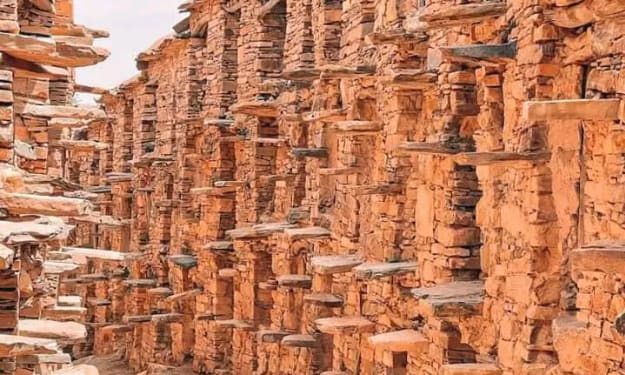
In the rugged landscape of Agadir, Morocco, one can find the remains of a fascinating and ancient form of banking—structures known as “Igudar” (plural for "agadir"). These communal granaries, built by the Amazigh (Berber) people, are much more than simple storage spaces. With their fortified designs, elevated locations, and the sense of collective responsibility that sustained them, Igudar represent an early example of communal wealth management and trust, acting as one of the oldest banking systems in the world.
By Deji Akomolafeabout a year ago in History
Waking Up with Candle Clocks: The Ingenious Precursor to Alarm Clocks
Before the invention of modern alarm clocks, people across different cultures developed inventive ways to ensure they awoke on time. One of the most fascinating methods involved candles and nails. Long before buzzing alarms, these "candle clocks" allowed people to wake up at a set hour. This simple yet effective technique involved placing nails at specific intervals along a candle. As the candle burned down, it would eventually reach the nail, which would drop and make a sound, waking the sleeping person. This clever method combined practicality with a bit of ingenuity, serving as an essential tool in a world without mechanical clocks or digital alarms.
By Deji Akomolafeabout a year ago in History
The Standing Stone at The Oxenham Arms: Dartmoor’s Ancient Monolith in a Historic Pub
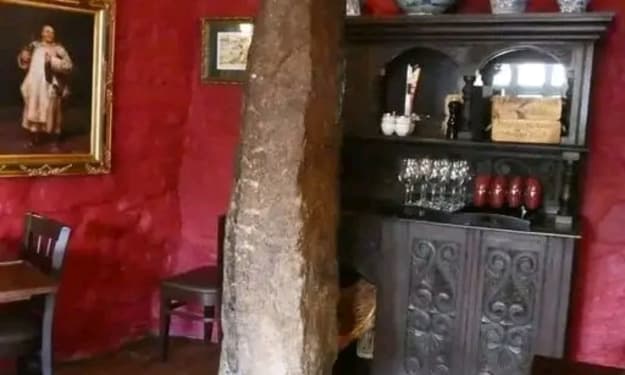
Nestled in the heart of Dartmoor, UK, lies a fascinating piece of history that bridges the distant past with medieval times: a 27-foot-tall standing stone embedded in the foundations of The Oxenham Arms pub. This striking monolith, cut and placed by Neolithic people around 5,000 years ago, is a reminder of the lives and beliefs of Dartmoor’s ancient inhabitants. What makes this standing stone even more intriguing is its unique setting—the medieval pub was built around it nearly 800 years ago, enveloping this Neolithic relic within its walls. The Oxenham Arms stands today as a historical landmark where visitors can enjoy the unique experience of dining next to a piece of prehistoric Dartmoor.
By Deji Akomolafeabout a year ago in History
Tinkinswood Burial Chamber: A Window into Neolithic Wales
Nestled a few miles west of Cardiff, Wales, lies the ancient and mysterious site of Tinkinswood. This Neolithic marvel, dating back over 6,000 years, is one of the oldest and most remarkable burial sites in the region. Known for its massive stone structure, Tinkinswood has fascinated historians, archaeologists, and locals alike. At the heart of this site lies a chambered cairn covered by an extraordinary capstone, weighing around 40 tons, which ranks among the largest in Europe. Tinkinswood offers an intriguing look into the lives, beliefs, and skills of the people who lived here thousands of years ago, serving as both a burial site and a possible ceremonial center. Local folklore and archaeology together add layers of intrigue to this Welsh landmark, making Tinkinswood a place of historical significance and quiet mystery.
By Deji Akomolafeabout a year ago in History