
Tinkinswood Burial Chamber: A Window into Neolithic Wales
Wales Structure

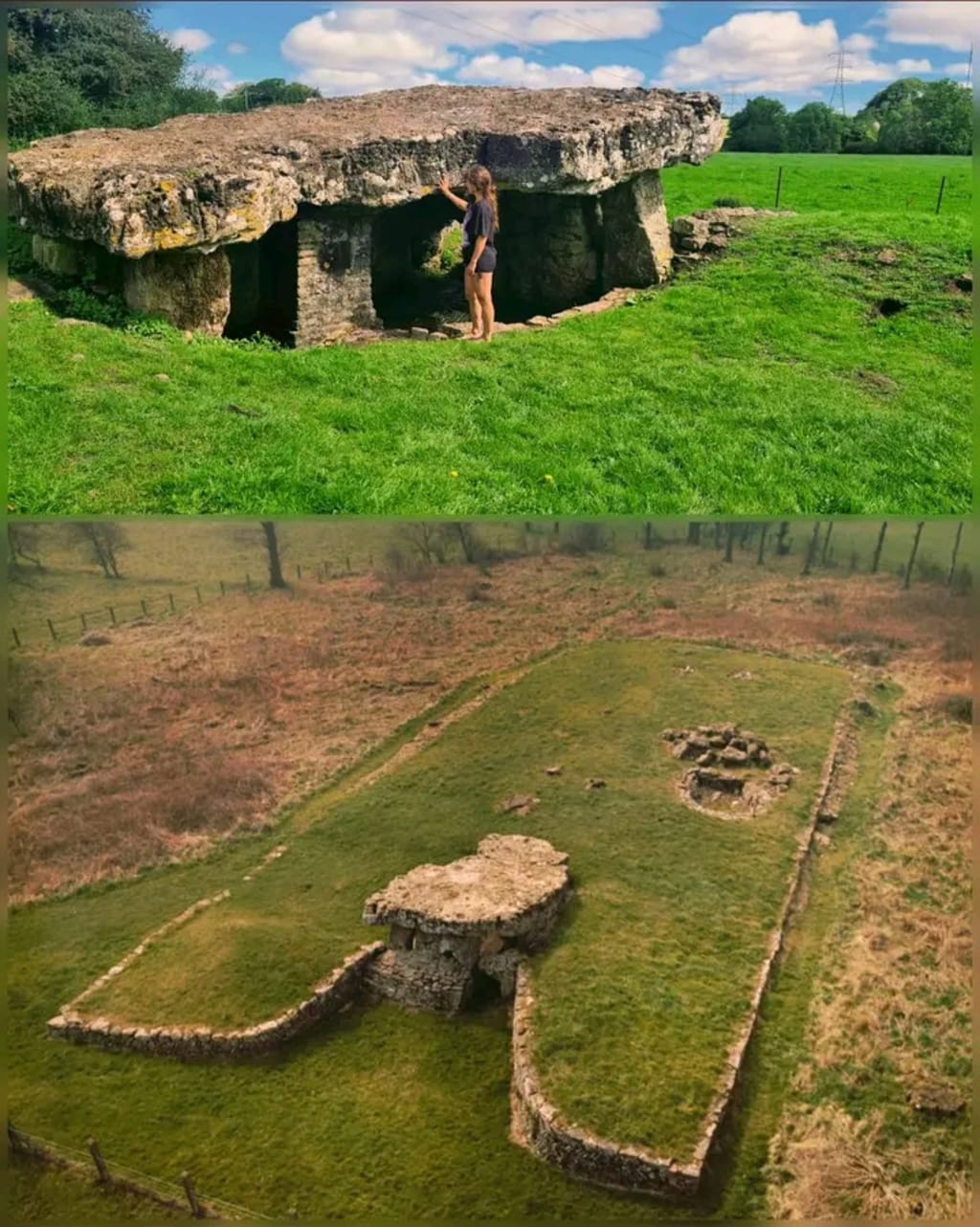
Nestled a few miles west of Cardiff, Wales, lies the ancient and mysterious site of Tinkinswood. This Neolithic marvel, dating back over 6,000 years, is one of the oldest and most remarkable burial sites in the region. Known for its massive stone structure, Tinkinswood has fascinated historians, archaeologists, and locals alike. At the heart of this site lies a chambered cairn covered by an extraordinary capstone, weighing around 40 tons, which ranks among the largest in Europe. Tinkinswood offers an intriguing look into the lives, beliefs, and skills of the people who lived here thousands of years ago, serving as both a burial site and a possible ceremonial center. Local folklore and archaeology together add layers of intrigue to this Welsh landmark, making Tinkinswood a place of historical significance and quiet mystery.
A Monumental Achievement in Neolithic Engineering
One of Tinkinswood’s most astounding features is its massive capstone, which spans approximately 24 feet in length and 15 feet in width. This impressive stone, estimated to weigh around 40 tons, was placed atop the burial chamber by Neolithic builders without the use of metal tools. The sheer size of the stone and the engineering required to raise it is a testament to the sophistication of Neolithic construction techniques.
Historians and archaeologists continue to debate how the builders managed such a feat. It is believed that they used simple tools like antler picks and stone hammers, along with wooden sledges and ropes made from plant fibers. By working collaboratively and employing techniques that have been lost to history, the Neolithic builders raised this immense capstone over the burial chamber. The stone would have required not only incredible physical effort but also precise planning and knowledge of balance, weight, and leverage—skills that highlight the ingenuity of Wales’s early inhabitants.
A Burial Site and Place of Rituals
Tinkinswood’s primary purpose appears to have been as a burial chamber, but it was likely much more than just a tomb. During excavations at the site in 1914, archaeologists uncovered the remains of more than 50 individuals, along with pottery fragments, flint tools, and bone relics. These discoveries suggest that Tinkinswood was used as a communal burial site, possibly for an extended family or clan, and that it served as a sacred gathering place for significant rituals and ceremonies.
The human bones found within the chamber bear signs of various ages, indicating that Tinkinswood was used as a burial site over an extended period. It’s believed that the bodies may have been laid out in the chamber and later subjected to secondary burial practices, where the bones were carefully arranged or reburied after the flesh had decomposed. The presence of pottery and flint tools suggests that ceremonies involving offerings or sacrifices may have taken place here. These items may have been left to accompany the deceased in the afterlife or to honor them in rituals, hinting at beliefs in an existence beyond death and the importance of ancestral connections in Neolithic society.
Legends and Folklore: The Curse of Tinkinswood
Tinkinswood is not only a place of historical significance but also a site rich in local folklore and legend. Perhaps the most intriguing tale associated with Tinkinswood is the “curse” tied to certain ancient Celtic holidays. According to legend, anyone who spends a night here on the eve of May Day, August 1 (Lammas), Halloween, or midwinter’s eve risks either going mad or becoming a poet.
The origin of this folklore is uncertain, but it’s possible that it stems from the mystical aura surrounding the site. For ancient communities, places associated with the dead were often considered powerful and potentially dangerous. Spending a night in close proximity to ancestral spirits was believed to carry risks—whether of madness or, intriguingly, of poetic inspiration. This dual aspect of the curse reflects the duality often found in Celtic folklore, where spirits were both feared and revered.
Visitors today find that Tinkinswood still carries an air of quiet mystery. It’s easy to imagine ancient rituals and gatherings taking place here, the surrounding landscape bathed in moonlight as those brave enough to keep vigil overnight awaited either madness or inspiration. Whether the legend is taken seriously or not, it adds an enchanting layer of meaning to the site, reminding us that Tinkinswood was more than just a burial ground—it was a place where the spiritual and the physical worlds intertwined.
The Architecture of Belief and Community
What truly sets Tinkinswood apart from other Neolithic burial sites is the glimpse it offers into the belief system and communal life of ancient Welsh people. Constructed without metal tools, the stone structure reflects a high degree of organization and communal effort. The community who built and maintained Tinkinswood likely shared a common set of beliefs that shaped their approach to life and death.
For the Neolithic people, sites like Tinkinswood were likely places where family, community, and spiritual beliefs came together. The structure itself suggests that the people valued permanence and connection to the land, as the stone chamber would have stood as a lasting monument to their ancestors. The tomb may have served not only as a resting place for the dead but also as a place where the living could connect with their lineage, perform rituals, and pay homage to those who came before them.
Tinkinswood Today: A Place of Reflection and Curiosity
Today, Tinkinswood remains a well-preserved site, offering visitors a glimpse into Wales’s distant past. Managed by Cadw, the Welsh Government’s historic environment service, Tinkinswood is accessible to the public and is often visited by history enthusiasts, archaeologists, and those simply drawn by its enigmatic presence. For those who visit, it’s an opportunity to step back into a time when life was both challenging and deeply connected to nature and community.
Walking around the site, visitors can view the enormous capstone up close, marveling at the engineering skills of a people who worked with the earth and stone to create something that has endured for thousands of years. The legends surrounding Tinkinswood add an element of intrigue, inviting visitors to imagine the rituals and beliefs that once permeated this place. The site offers a sense of connection with our ancestors and prompts reflection on the common human experiences that bridge our modern world with the ancient past.
Conclusion: Tinkinswood’s Enduring Legacy
Tinkinswood is far more than a historical curiosity; it is a symbol of Wales’s deep-rooted history and cultural heritage. From its imposing capstone to the folklore that surrounds it, Tinkinswood captures the imagination and offers a profound sense of continuity between past and present. This Neolithic marvel reminds us of the sophistication of ancient peoples and their deep spiritual connection to the land. For visitors today, Tinkinswood stands as a quiet, enduring testament to human ingenuity, communal effort, and the mysteries that have always accompanied our attempts to understand life and death.
About the Creator
Keep reading
More stories from Deji Akomolafe and writers in History and other communities.
Kames Castle: A Glimpse into Scotland’s Enigmatic Past
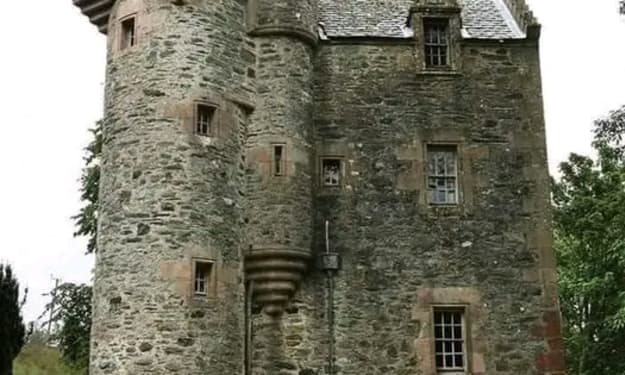
Scotland is known for its captivating landscapes and ancient castles, each with a rich story woven through centuries of history. Among these historic sites is Kames Castle, a gem nestled on the Isle of Bute, which carries with it echoes of medieval grandeur, family legacy, and the inevitable touch of time. Dating back to the 14th century, Kames Castle is one of Scotland’s lesser-known but historically significant sites, originally built as a fortified tower house and later transformed into a residence that offers a charming reminder of Scotland’s past. Its story includes notable periods of expansion, ownership changes, and adaptive reuse, and it remains today a symbol of Bute’s medieval heritage.
By Deji Akomolafeabout a year ago in History
Saudi Arabia Warns Against War
Saudi Arabia Warns Against War: Why Riyadh Opposes a U.S. Attack on Iran As tensions between the United States and Iran continue to rise, Saudi Arabia has taken a notable and cautious position: warning against any U.S. military attack on Iran. This stance may surprise some observers given the long history of rivalry between Riyadh and Tehran, but it reflects a broader regional concern that another major war in the Middle East could spiral beyond control.
By Wings of Time 2 days ago in History
Napoleon Bonaparte — From Corsican Outsider to Emperor of Europe
Napoleon Bonaparte was born on August 15, 1769, on the Mediterranean island of Corsica, a land that had only recently come under French control. His family was of modest noble status, and young Napoleon grew up feeling like an outsider—Corsican by culture, yet educated as a Frenchman. This sense of being different shaped his fierce ambition and iron will. From an early age, he showed a sharp mind, a deep love for history, and an unusual talent for mathematics, which later proved essential in warfare.
By The best writer 4 days ago in History


Comments
There are no comments for this story
Be the first to respond and start the conversation.