
Waking Up with Candle Clocks: The Ingenious Precursor to Alarm Clocks
Alarm ingenious

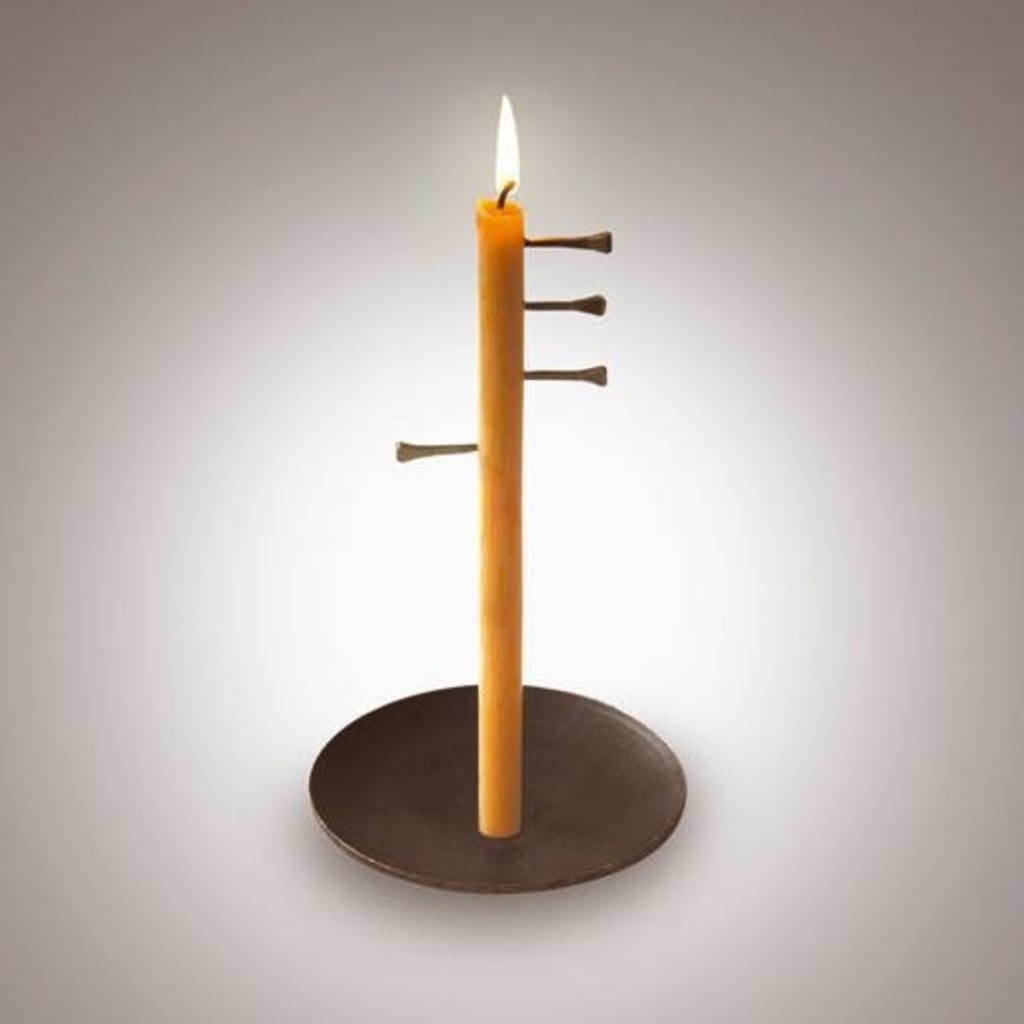
Before the invention of modern alarm clocks, people across different cultures developed inventive ways to ensure they awoke on time. One of the most fascinating methods involved candles and nails. Long before buzzing alarms, these "candle clocks" allowed people to wake up at a set hour. This simple yet effective technique involved placing nails at specific intervals along a candle. As the candle burned down, it would eventually reach the nail, which would drop and make a sound, waking the sleeping person. This clever method combined practicality with a bit of ingenuity, serving as an essential tool in a world without mechanical clocks or digital alarms.
The Origins of Candle Clocks
The concept of tracking time with candles dates back centuries, with evidence of their use in ancient China, Japan, and Europe. While candle clocks could be used to mark hours, they were particularly valuable at night when traditional sundials and water clocks weren’t practical. By observing the rate at which candles melted, people could approximate time by burning specific candle lengths.
In addition to marking time, candle clocks became tools for early risers. People in medieval Europe, for instance, used candles as a rudimentary wake-up system by embedding metal objects like nails, pins, or other small items at specific points. When the wax reached the embedded nail, it would fall and create a clinking noise loud enough to rouse a sleeper. This method was simple, but it was also reliable—offering a form of alarm that didn’t require someone to stand watch through the night.
How Candle Clocks Worked
Candle clocks were easy to make and required only a candle and a few metal nails or pins. The length of time it took for the candle to burn was fairly predictable, allowing people to determine where to place nails based on the hours they wanted to mark.
Here’s how the process worked:
1. Choosing the Candle: Candles used for candle clocks needed to be consistent in thickness and composition, as variations could change the burn rate. Most people used candles made from tallow or beeswax, which were common materials available at the time.
2. Measuring Burn Time: By observing their candles over time, people calculated approximately how long it took for a candle to burn down by specific increments. For instance, a person might note that a candle burned an inch per hour.
3. Setting the Alarm: Based on this burn rate, the sleeper would insert nails at specific points along the candle’s length. If they wanted to wake up in three hours, they might place a nail three inches down from the top.
4. Waking Up: As the candle burned down, it would eventually reach the nail, which would fall to the floor or onto a metal plate. The resulting sound was loud enough to wake the person up.
In many cases, people would place the candle clock near their bed on a metal plate or in a bowl, so that the nail would make a distinct, sharp noise when it dropped. This setup ensured they wouldn’t sleep through the alarm, and it could be adjusted by simply moving the nail for shorter or longer wake-up intervals.
A Tool for Monks, Bakers, and Travelers
The simplicity and reliability of candle clocks made them useful to a variety of people. Monks, for example, often used candle clocks to wake up for early prayers or to track specific hours for their spiritual practices. Without an alarm clock to rouse them from sleep in time for vigils or matins (early morning prayers), monks could rely on candle clocks for a timely wake-up.
Bakers also found candle clocks useful, as they often needed to rise before dawn to prepare bread for morning sales. In a time before precise timers, candle clocks gave bakers a dependable way to track the early hours.
Travelers and merchants also used candle clocks during overnight journeys. In some cases, they would even set up multiple nails to wake themselves at different intervals, ensuring they could stay alert and manage their time on long trips or overnight stops.
The Appeal of Candle Clocks
Candle clocks served as more than just alarm clocks—they also functioned as timers for a range of activities. Their simplicity, portability, and ease of use made them a versatile tool in a world that lacked mechanical precision. Unlike water clocks, which were difficult to transport, candle clocks could be set up anywhere, requiring nothing more than a stable surface.
People also appreciated the candle clock for its dual purpose: it could serve as a light source as well as a timekeeper, helping to conserve fuel and eliminate the need for multiple items. It was cost-effective and sustainable, with candles being a household staple in many communities.
Challenges and Limitations
Despite their ingenuity, candle clocks did have limitations. For one, they weren’t entirely precise; variations in candle thickness, wax composition, and wick quality could impact burn time. A slight draft or an uneven surface could affect how the candle burned, making exact timing difficult.
Moreover, candle clocks had a clear dependency on the availability of materials. Wax or tallow candles were more expensive for poorer families, and so this method of timekeeping was more commonly used among those who could afford to make or buy enough candles.
Finally, while they were effective for marking approximate times, candle clocks couldn’t offer the accuracy required for complex schedules or tasks that required split-second timing.
The Legacy of Candle Clocks
Candle clocks are a testament to human creativity and resourcefulness. In a time when people were deeply attuned to the natural rhythms of light and dark, these early timekeepers filled a crucial role. They represent the innovative ways that people adapted everyday materials to suit their needs, using simple items like candles and nails to help structure their days and nights.
Today, candle clocks serve as reminders of a time before modern technology, when keeping track of time required hands-on experimentation and adaptation. Museums and historians continue to study these devices to better understand the lives of people from the past, and enthusiasts often recreate candle clocks to experience timekeeping as it was practiced centuries ago.
As we rely on our smartphones and digital alarms to wake us up each morning, it’s fascinating to consider how different life was when the simple sound of a nail hitting a metal plate was all it took to start the day. The story of candle clocks illuminates not only an ancient approach to timekeeping but also a deeper connection to natural cycles, creativity, and the passage of time.
About the Creator
Keep reading
More stories from Deji Akomolafe and writers in History and other communities.
The Standing Stone at The Oxenham Arms: Dartmoor’s Ancient Monolith in a Historic Pub
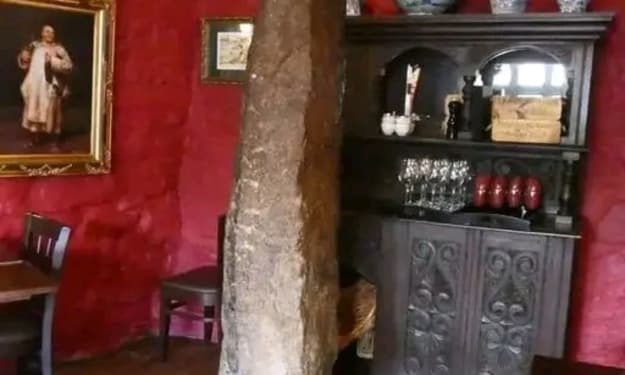
Nestled in the heart of Dartmoor, UK, lies a fascinating piece of history that bridges the distant past with medieval times: a 27-foot-tall standing stone embedded in the foundations of The Oxenham Arms pub. This striking monolith, cut and placed by Neolithic people around 5,000 years ago, is a reminder of the lives and beliefs of Dartmoor’s ancient inhabitants. What makes this standing stone even more intriguing is its unique setting—the medieval pub was built around it nearly 800 years ago, enveloping this Neolithic relic within its walls. The Oxenham Arms stands today as a historical landmark where visitors can enjoy the unique experience of dining next to a piece of prehistoric Dartmoor.
By Deji Akomolafeabout a year ago in History
Mata Hari: The Legendary Spy Who Refused a Blindfold Before Execution
Few figures in the history of espionage are surrounded by as much mystery, drama, and fascination as **Mata Hari**. Known for her beauty, charm, and exotic stage performances, she became one of the most famous alleged spies of the early twentieth century. Her life, however, was not just a story of glamour—it ended in tragedy when she faced a firing squad during World War I. What made her final moments even more remarkable was her refusal to have her eyes covered before execution.
By Irshad Abbasi 7 days ago in History


Comments
There are no comments for this story
Be the first to respond and start the conversation.