
Hirta Island: A Journey Through the Abandoned Heart of the St Kilda Archipelago
Scotland Island

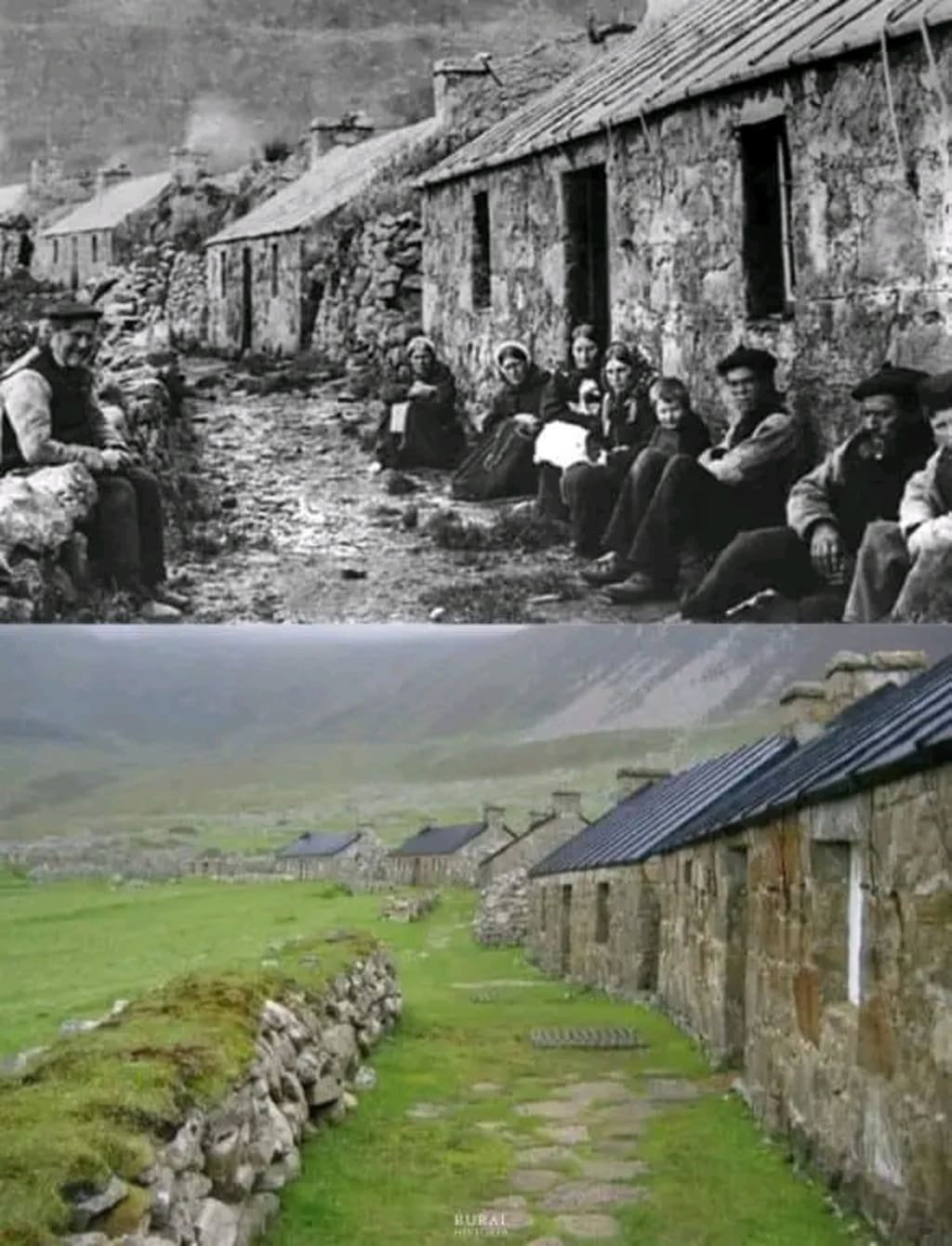
Hirta Island: A Journey Through the Abandoned Heart of the St Kilda Archipelago
Hirta Island, the largest of the St Kilda archipelago in Scotland, is a place steeped in history and intrigue. Isolated and often shrouded in mist, it is a stark but beautiful landscape that tells the story of a unique community that managed to survive there for over 2,000 years. From its early settlements to the final departure of its last inhabitants, Hirta has endured the full sweep of human experience: hope, resilience, decline, and abandonment. Today, this hauntingly beautiful island stands as a UNESCO World Heritage Site, preserving both natural wonders and the legacy of the people who once called it home.
Early Life and Survival on Hirta
The story of Hirta’s inhabitants is one of sheer determination. Archaeological evidence suggests that people had been living on the island continuously for over two millennia. These early settlers relied on an ecosystem that provided little more than harsh winds, craggy cliffs, and cold ocean waters. To adapt, they developed an innovative way of life centered around crofting—a traditional Scottish practice of small-scale farming, which involved the cultivation of modest crops and the rearing of livestock.
Given Hirta’s remoteness, the islanders had limited access to resources. The waters around the St Kilda archipelago are notoriously treacherous, making fishing a hazardous endeavor. Instead, the people of Hirta turned to the seabirds that nested in abundance on the island’s cliffs. Birds like puffins and fulmars, as well as their eggs, became essential components of the local diet. The islanders developed extraordinary climbing skills to collect eggs from steep cliff faces, a practice that not only sustained them but became an integral part of their culture.
A New Era: The Cottages of Main Street
By 1861, a significant shift occurred in Hirta's landscape. The residents built sixteen single-story cottages on what they referred to as “main street,” a row of homes designed to withstand the island’s unforgiving weather. These cottages, with chimneys and slate roofs, replaced the island’s older blackhouses, which had been severely damaged by a hurricane. For the first time, the residents had more robust shelter from the fierce Atlantic storms, marking a period of relative stability and comfort in their lives.
These stone cottages were built with a new focus on durability and practicality. The main street cottages were designed to provide better ventilation and insulation than the older, smoke-filled blackhouses. Each home had a chimney, something unheard of in the traditional blackhouses, where the smoke simply gathered under the roof and filtered out slowly. The new homes, aligned in a neat row, symbolized a modernization of sorts for the islanders, providing a glimpse into what a more comfortable future might look like.
The Decline of Hirta’s Population
Though the cottages brought some comfort, the forces of change were already at work, pulling the islanders away from the life they had always known. By the late 19th and early 20th centuries, Hirta’s isolation was being eroded by increased contact with the outside world. Tourism, which began as a trickle, soon introduced diseases to the island. Illnesses that were virtually unknown on Hirta, brought by well-meaning tourists, began to take a toll on the population.
World War I further contributed to the island’s struggles. The British Navy established a base on the island during the war, and while this brought a brief period of activity, it left the residents more vulnerable than ever to outside influences. As the world changed, the younger generation of Hirta began to feel the lure of life beyond the island. By the 1920s, people were leaving for opportunities on the Scottish mainland, spurred by the promise of education, employment, and healthcare, which the island could never provide.
In 1851, Hirta’s population was around 112. By 1930, only 36 residents remained. With dwindling numbers, the isolated community could no longer sustain itself. The islanders petitioned to be evacuated, and on August 29, 1930, the final inhabitants left Hirta behind, closing a chapter on one of the oldest known settlements in the British Isles.
Hirta Today: A World Heritage Site and Sanctuary for Wildlife
Today, Hirta stands uninhabited yet far from forgotten. Its ruins, including the main street cottages and remains of the old blackhouses, offer a glimpse into a way of life that few can imagine. In 1986, Hirta and the rest of the St Kilda archipelago were designated as a UNESCO World Heritage Site, honored for both cultural and natural significance. It is a place that uniquely encapsulates both human history and untouched natural beauty.
Although humans no longer live on Hirta, life continues in other forms. The island is now home to unique wildlife, particularly the Soay sheep, a primitive breed believed to have been brought to the island by early settlers thousands of years ago. These hardy sheep roam freely, having adapted to the rugged landscape over centuries. The cliffs of Hirta also provide vital nesting grounds for thousands of seabirds, including puffins, gannets, and fulmars, making it one of the most important bird colonies in the North Atlantic.
Preserving the Memory of Hirta’s Inhabitants
The story of Hirta is a reminder of the resilience of human beings in the face of adversity, as well as the fragility of small, isolated communities in a changing world. The people of Hirta lived, loved, and thrived on this rugged land for centuries, yet even their indomitable spirit was eventually overcome by the relentless march of time.
Today, Hirta continues to inspire. Its empty cottages and abandoned blackhouses speak to a vanished way of life, echoing with the stories of those who once called it home. While the island may no longer be populated by humans, it remains alive with the memory of its people, offering visitors a hauntingly beautiful reminder of a world that once was.
For those who journey to Hirta, it’s not just a trip to an island but a pilgrimage to a place where nature and history intertwine, forever preserving the legacy of the people of St Kilda.Start writing...
About the Creator
Keep reading
More stories from Deji Akomolafe and writers in History and other communities.
The Vespasianus Titus Tunnel: A Marvel of Ancient Roman Engineering
Forget everything you thought you knew about ancient engineering because the Vespasianus Titus Tunnel in Turkey is about to challenge your perception of what civilizations 2,000 years ago were capable of achieving. This remarkable structure is more than just a tunnel; it’s a 1.4-kilometer testament to the relentless ambition and ingenuity of the Roman Empire, a civilization that wasn’t satisfied with merely surviving but one that wanted to thrive—and make sure everyone knew it. Built to protect the city of Seleucia Pieria from flooding, the Vespasianus Titus Tunnel is an engineering marvel that underscores the Romans’ incredible ability to dominate and manipulate their environment in ways that still leave us in awe today.
By Deji Akomolafeabout a year ago in History
A massive underwater stone wall that is almost 7,000 years old is found by divers.
One of the buried stone monuments on Sein Island is a granite wall off Brittany that is more than 7,000 years old and the length of a football pitch. The discovery is being used by marine archaeologists in the vicinity of Île de Sein to explain how stone-built coastal villages predate the widespread spread of farming.
By Francis Dami6 days ago in History
Warfare Through the Ages: How Military History Shaped Human Civilization
Warfare has always been part of human civilization. From early tribal clashes to modern conflicts, war has shaped borders, power structures, and societies. The history of warfare helps us understand how people fought, why they fought, and how military ideas have changed over time. Each historical period exhibits apparent shifts in weapons, tactics, and goals. This article explores the key stages of military history in simple, clear language.
By Matthew Pothoff3 days ago in History
Miss Persephone's Manual to a Seemingly Ordinary Life
Miss Persephone was found at the dining table, her blue eyes swollen, her tears arriving and retreating like the tides of the ocean. Earlier that day, her family had visited her in the retirement home where she had lived for eight years. It was her eightieth birthday.
By Imola Tóth4 days ago in Fiction


Comments
There are no comments for this story
Be the first to respond and start the conversation.