
Napoleon Bonaparte
Genius, Ambition, and the Rise and Fall of an Empire


History remembers few figures as complex and controversial as Napoleon Bonaparte. He was a military genius to some, a tyrant to others, and a symbol of unstoppable ambition to all. Rising from modest beginnings to become Emperor of France, Napoleon reshaped Europe through war, law, and leadership. His life is a powerful reminder of how brilliance and ambition can build empires—and how the same forces can also bring them down.
Humble Beginnings
Napoleon Bonaparte was born on August 15, 1769, on the island of Corsica, shortly after it became part of France. His family was not wealthy or powerful. As a young boy, Napoleon spoke French with a strong accent and was often mocked by classmates. These early experiences shaped his personality—quiet, observant, and intensely driven.
He attended military school, where he showed exceptional ability in mathematics and artillery. While others sought social approval, Napoleon focused on discipline and study. From a young age, he believed he was destined for greatness.
Opportunity Through Revolution
The French Revolution (1789) changed everything. As the old monarchy collapsed, France needed strong military leaders. Napoleon seized the opportunity.
Through courage, intelligence, and strategic brilliance, he rose rapidly through the army ranks. His victories in Italy brought him fame and the loyalty of his soldiers. Unlike traditional generals, Napoleon led from the front, inspiring troops through presence and confidence.
By his late twenties, he was already a national hero.
From General to Emperor
In 1799, Napoleon staged a political coup and became First Consul of France. Though the country was technically a republic, real power rested in his hands. In 1804, he crowned himself Emperor of the French, signaling that his authority came from his achievements—not tradition.
Napoleon believed stability required strong leadership. He reformed France in lasting ways:
Created the Napoleonic Code, which influenced modern legal systems
Improved education
Strengthened government administration
Promoted merit over aristocracy
Even today, many of these reforms remain influential.
Master of the Battlefield
Napoleon’s military genius was unmatched in his time. He moved armies quickly, used terrain intelligently, and surprised enemies with bold tactics. One by one, European powers fell before him.
At the height of his power, Napoleon controlled much of Europe—either directly or through alliances. His ambition seemed limitless.
But ambition has a dangerous edge.
The Beginning of the End
Napoleon’s greatest mistake was his belief that he could not fail.
In 1812, he launched an invasion of Russia with one of the largest armies ever assembled. The campaign was disastrous. Harsh weather, lack of supplies, and Russian resistance destroyed his forces. Only a fraction of his army returned.
After this defeat, his enemies united. One loss followed another.
In 1814, Napoleon was forced to abdicate and was exiled to the island of Elba.
The Final Fall
Napoleon escaped exile and returned to power for a brief period known as the Hundred Days. But in 1815, he faced his final defeat at the Battle of Waterloo.
This time, there was no return.
He was exiled to the remote island of Saint Helena, where he spent his final years reflecting on his life. Napoleon died in 1821 at the age of 51.
Legacy and Lessons
Napoleon Bonaparte left behind a complicated legacy.
He spread revolutionary ideals across Europe, modernized governments, and proved that talent could rise above birth. Yet he also caused immense suffering through endless wars, costing millions of lives.
His story teaches powerful lessons:
Ambition can create greatness—but must be balanced with wisdom
Leadership requires humility as well as strength
Success can blind even the most brilliant minds
Napoleon once said, “A soldier will fight long and hard for a bit of colored ribbon.” He understood human motivation better than most—but underestimated the limits of power.
Why Napoleon Still Matters
Napoleon’s life reminds us that history is shaped not only by ideas, but by individuals willing to act on them. He changed the course of nations—and paid the price for overreaching ambition.
He was not merely a conqueror. He was a man who believed deeply in his destiny.
And his rise and fall continue to fascinate the world.
About the Creator
The khan
I write history the way it was lived — through conversations, choices, and moments that changed the world. Famous names, unseen stories.
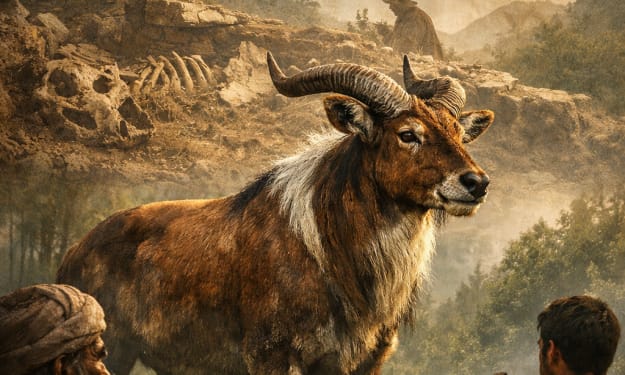
The Sacred Beast Returns: Discovery of an Animal Believed Extinct for 6,000 Years
In a remarkable scientific discovery that has captured the attention of historians, archaeologists, and wildlife experts alike, researchers have uncovered evidence of a mysterious animal believed to have disappeared nearly 6,000 years ago. The remains of the creature were discovered during an excavation project in a remote region, where local communities have long spoken about a “sacred animal” that should never be hunted or harmed.
By Irshad Abbasi 3 days ago in History



Comments
There are no comments for this story
Be the first to respond and start the conversation.