
Archaeologists Unearth Ancient Clay Puppets With Open Mouths and Detachable Heads That Resemble Modern Toy Dolls
Ancient clay

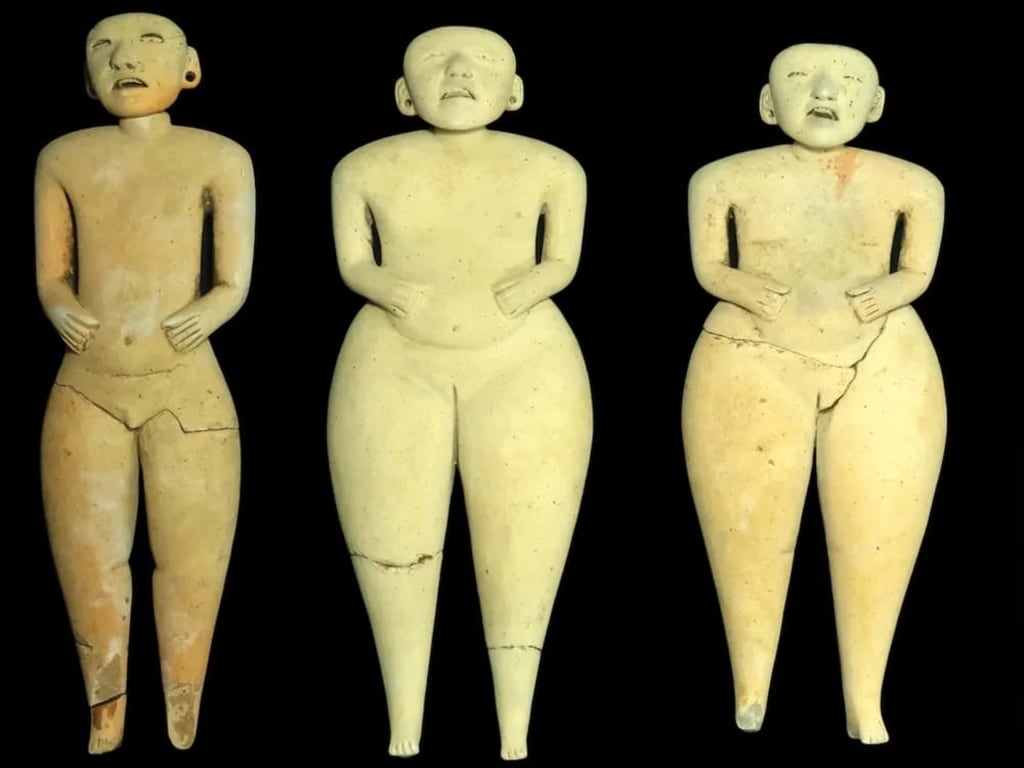
Archaeologists Unearth Ancient Clay Puppets With Open Mouths and Detachable Heads That Resemble Modern Toy Dolls.
The recent discovery of ancient clay puppets in El Salvador has opened a fascinating window into the lives and culture of a Mesoamerican society that thrived over two millennia ago. Unearthed by archaeologists Jan Szymański and Gabriela Prejs from the University of Warsaw these figurines were found atop a ruined pyramid at the San Isidro site. Dating back approximately 2,400 years these artifacts known as Bolinas figurines, are rare and have been found at other Central American sites. Their intricate design including open mouths and detachable heads suggests they may have played a role in rituals storytelling or entertainment. This discovery not only adds to the understanding of Mesoamerican societies but also raises intriguing questions about their social structures artistic expressions and technological capabilities. The Bolinas figurines are remarkable in their craftsmanship. They are not simply static representations of human figures instead they possess movable parts making them unique among the artistic relics of ancient civilizations. Each puppet like figure features a hollow body an open mouth and a detachable head allowing for movement and possibly even manipulation akin to modern toy dolls or marionettes. The level of detail suggests that they were created with a specific purpose in mind possibly for ceremonial or theatrical use.
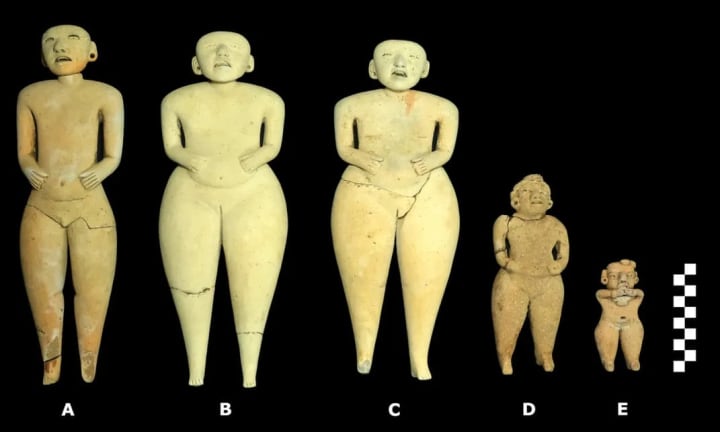
The site of San Isidro where these figurines were found was likely an important settlement in its time. While not as well known as larger Mesoamerican cities such as Teotihuacan or Tikal San Isidro offers invaluable insights into early civilizations that flourished in the region. The presence of a pyramid at the site suggests it held religious or political significance. The fact that these figurines were discovered atop a ruined pyramid could indicate that they were part of an important ritual or offering perhaps related to deities or ancestors. One of the most fascinating aspects of the Bolinas figurines is their resemblance to modern toy dolls. While their exact function remains unknown the detachable heads and open mouths suggest they may have been used in performances or storytelling. In many ancient cultures puppetry played a role in both religious ceremonies and entertainment. It is possible that these figurines were used to convey myths legends or even moral lessons. They might have also been used in rituals that involved communication with spirits or gods with their open mouths symbolizing the act of speaking or chanting.
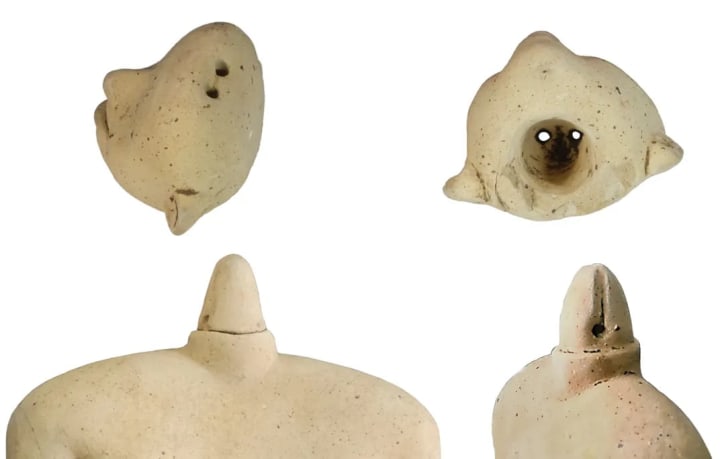
The discovery of these figurines also raises questions about the technological and artistic skills of the people who created them. The ability to craft movable parts from clay required a high level of craftsmanship and knowledge of materials. The people of San Isidro were evidently skilled artisans who understood not only the principles of sculpting but also the mechanics of movement. This suggests a society that valued artistic expression and possibly even theatrical performance, which would have been an important aspect of cultural life. Further analysis of the Bolinas figurines may help scholars understand their exact function and significance. Researchers will likely conduct detailed studies of the materials construction techniques and any residues found on the artifacts. Such analyses could reveal whether these figurines were painted adorned or used in conjunction with other objects. If traces of pigments or organic materials are discovered it may suggest that they played a role in elaborate ceremonies involving costumes or props.
The discovery also adds to the growing body of evidence that Mesoamerican civilizations engaged in complex social and artistic practices long before the rise of the great empires such as the Maya and Aztec. While much research has focused on the monumental architecture and hieroglyphic writing of later civilizations findings like the Bolinas figurines highlight the richness and diversity of earlier cultures. They remind us that even small lesser known settlements like San Isidro were home to innovative and creative societies. Additionally these figurines offer a rare glimpse into the daily lives and beliefs of people from 2,400 years ago. Were they simply toys for children or did they serve a more profound purpose. Could they have been used in educational contexts to teach young members of the community about their history and traditions? Perhaps they were part of initiation rites or religious ceremonies in which puppetry played a role in storytelling and mythmaking.
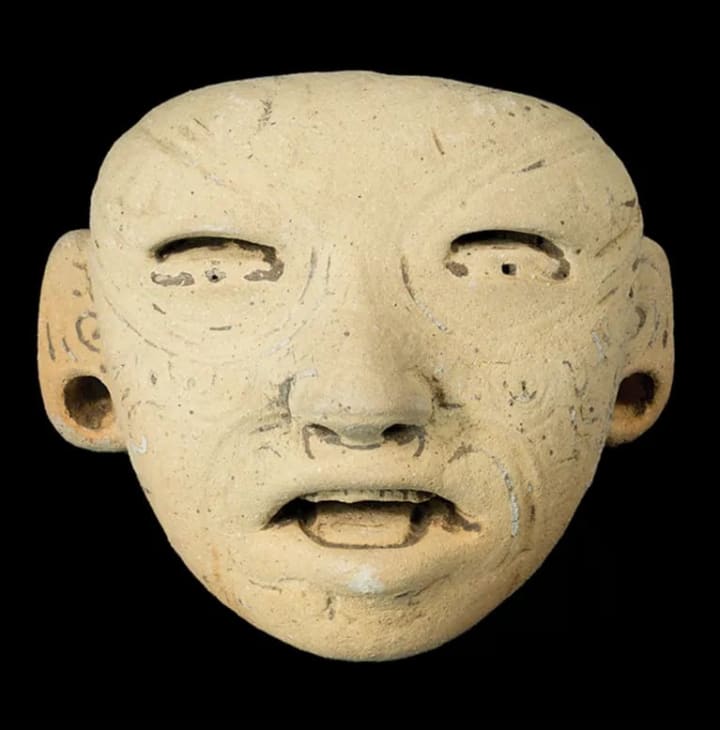
The discovery of these figurines also raises broader questions about the transmission of artistic traditions across Mesoamerica. Similar artifacts have been found in other ancient Central American sites suggesting that the practice of creating puppet like figures was not isolated to San Isidro. This hints at cultural exchanges between different communities possibly facilitated through trade or migration. Understanding how these artistic traditions spread and evolved can provide valuable insights into the interconnectedness of ancient civilizations. One possible avenue of research is comparing the Bolinas figurines to other known artifacts from neighboring cultures. If similar figurines have been discovered in different regions researchers can look for patterns in their design materials and usage. Were they all used in similar ways or did different cultures adapt them for distinct purposes. Such comparisons could shed light on the cultural influences that shaped Mesoamerican societies over time.
Beyond their archaeological significance the Bolinas figurines also offer a new perspective on the universal nature of play and storytelling. The fact that an ancient civilization created objects resembling modern toy dolls suggests that the desire to animate figures tell stories and engage in performance is deeply rooted in human culture. While the specific meanings and uses of these figurines may differ from contemporary toys they reflect a timeless aspect of human creativity and expression. The study of ancient artifacts like the Bolinas figurines also highlights the importance of continued archaeological research. Each new discovery adds to the understanding of the past filling in gaps in historical knowledge and providing fresh insights into early civilizations. As researchers continue to excavate sites like San Isidro there is always the possibility of uncovering more artifacts that can further illuminate the mysteries of ancient Mesoamerican life. The unearthing of these ancient clay puppets is a reminder of the depth and complexity of early societies in Central America. While much remains unknown about the exact role they played their intricate design and craftsmanship indicate that they were highly valued objects possibly linked to storytelling rituals or even theatrical performances. As archaeologists continue to analyze and interpret these figurines they may unlock new understandings of the cultural and artistic achievements of ancient Mesoamerican peoples. This discovery underscores the importance of preserving and studying archaeological sites as each find has the potential to rewrite history and expand knowledge of human civilization.
About the Creator
Adnan Rasheed
Author & Creator | Writing News , Science Fiction, and Worldwide Update| Digital Product Designer | Sharing life-changing strategies for success.
Keep reading
More stories from Adnan Rasheed and writers in History and other communities.
Archaeologists Uncover 29,000-Year-Old Child Skeleton in a Cave in Thailand with ‘Symbols of Blood and Power.
Archaeologists in Thailand have made an extraordinary discovery that sheds new light on ancient burial practices and early human civilizations. A 29,000-year-old child skeleton has been unearthed in a cave at the Tham Din archaeological site, located within Khao Sam Roi Yot National Park. This remarkable find is now considered the oldest child remains ever found in Thailand, offering crucial insights into the rituals, beliefs, and artistic expressions of prehistoric societies.
By Adnan Rasheed11 months ago in History
3 Harmless Habits That Once Caused Absolute Chaos
Most habits are comfortingly dull. You chew gum. You clap at events. You check your phone. You assume—reasonably—that these actions will not destabilize governments, bankrupt industries, or end lives. Society depends on this assumption. If every small habit carried catastrophic potential, we would never leave the house.
By Enoch Sagini4 days ago in History
Brosley Punch — The Strike That Shook Fate
Brosley was never taught how to throw a punch. He learned it the hard way—through hunger, through survival, through a childhood spent on a world that showed no mercy. Long before the universe would whisper his name in fear, Brosley was just a boy standing on cracked red stone, staring at a sky that never answered his questions.
By The best writer 2 days ago in History



Comments
There are no comments for this story
Be the first to respond and start the conversation.