
Archaeologists Uncover One of the World's Oldest Churches: A Testament to Early Christianity
The Discovery: Unveiling Armenia's Christian Past

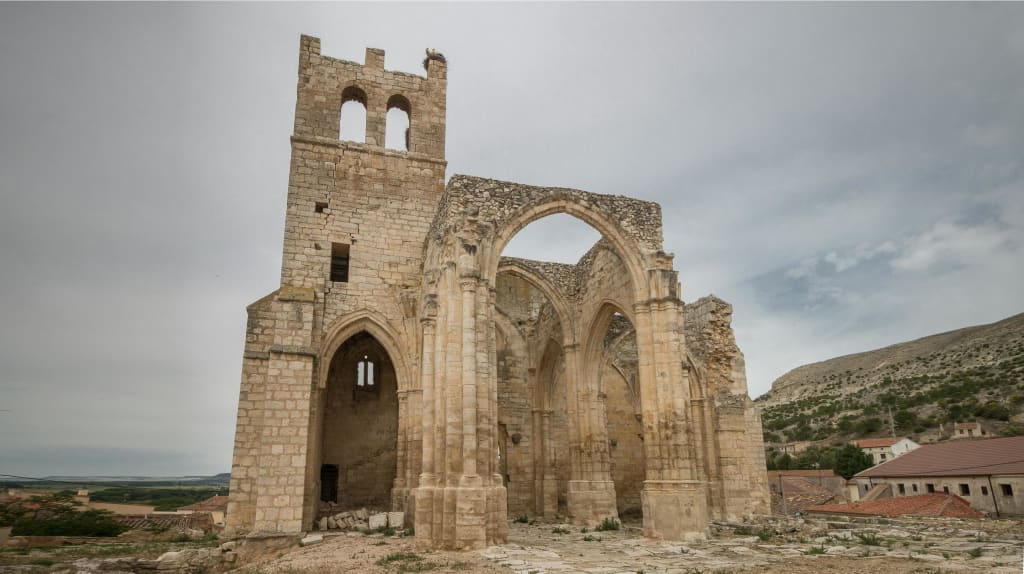
In an extraordinary archaeological find, researchers have uncovered the remains of an ancient Armenian church believed to be nearly 2,000 years old. This remarkable discovery, made in the city of Artaxata, sheds new light on the early spread of Christianity in the region and stands as one of the oldest known Christian churches in the world. Described as a "sensational testimony to early Christianity" by the University of Münster, this finding is a significant contribution to understanding both Armenia’s religious history and the broader history of early Christianity.
The Discovery: Unveiling Armenia's Christian Past
The discovery took place as part of the Armenian-German Artaxata Project, a collaboration between Germany’s University of Münster and the Armenian Academy of Sciences. Since 2018, this initiative has aimed to explore and document the ancient city of Artaxata, once a prominent metropolis and capital of the Armenian kingdom. The unearthed church dates back to the 4th century A.D., aligning with a critical period in Armenia's religious transformation, as Christianity was first introduced as the state religion in 301 A.D., making it the first country in the world to adopt Christianity officially.
According to Professor Achim Lichtenberger of the University of Münster, the church is not only the oldest archaeologically documented church in Armenia but also a striking testament to the influence of early Christianity on the region. Mkrtich Zardaryan of the Armenian Academy of Sciences, who also worked on the project, noted that the architectural uniqueness of the church provides new insights into Armenian history. The octagonal structure, the first of its kind found in Armenia, reveals connections to early Christian architecture in the eastern Mediterranean.
Architecture: A Unique Octagonal Design
One of the most fascinating aspects of the church is its rare octagonal shape. Extending out from four of the sides are rectangular chambers, a design that mirrors early Christian memorial buildings found in the eastern Mediterranean. Such churches are known to date back to the 4th century A.D., providing valuable evidence of the architectural exchange between the Mediterranean and Armenia during this era.
The octagonal design is significant as it stands apart from the more traditional basilica structures commonly associated with early churches in Armenia. This discovery marks the first instance of an octagonal church in the country, prompting researchers to speculate that Armenian architecture during the early Christian period was influenced by the architectural styles seen in regions like Greece and Italy. The Mediterranean influence is further supported by the materials used in the church's construction.
Construction: Lavish Design with Mediterranean Influence
The ancient church, which measures about 100 feet in diameter, was constructed using thick slabs of terracotta — a clay material that was often produced in the Mediterranean. The lavish use of terracotta and the presence of imported materials highlight the strong cultural and trade links Armenia maintained with the Mediterranean world during that time. The original flooring was made of mortar, consisting primarily of sand and cement, further showcasing the advanced construction techniques employed during the church’s building.
The use of terracotta for decorative purposes suggests that the church was built with considerable care and attention to detail. The University of Münster confirmed that carbon dating of wooden platforms found at the site, along with remnants of the terracotta, supports the church’s early Christian origins, making it an invaluable piece of religious and architectural history.
Historical Context: Armenia’s Role in Early Christianity
This discovery is particularly significant because it adds to the growing body of evidence that highlights Armenia’s critical role in the development of early Christianity. Armenia’s adoption of Christianity in the early 4th century marked a pivotal moment in religious history, setting the stage for the establishment of Christianity as a global faith. The newly discovered church in Artaxata joins the ranks of Etchmiadzin Cathedral, often cited as the oldest cathedral in the world, built around the same time.
The connection between these two churches underscores the historical importance of Armenia in the early Christian world. Artaxata, which once served as the kingdom’s capital and a major commercial hub, was a center for cultural exchange and religious development. The discovery of this early church in such a significant location further cements Armenia’s reputation as a foundational player in the spread of Christianity across the ancient world.
Implications of the Discovery: A Window into Early Christian Practices
The discovery of this nearly 2,000-year-old church is more than just an architectural marvel; it provides scholars with new opportunities to study early Christian rituals and practices. The layout and design of the church suggest that it was likely used for both religious services and commemorative purposes, much like other early Christian memorial buildings. The presence of high-quality materials and sophisticated construction techniques also indicates that the church was built for an affluent or influential community, which could offer new insights into the social and political dynamics of early Christian Armenia.
The octagonal design, uncommon in Armenian churches but prevalent in Mediterranean regions, hints at the possibility of cross-cultural influences. This raises questions about how early Christian ideas and architectural styles traveled across borders, influencing the development of churches in distant regions like Armenia.
Conclusion: A Sensational Testament to Early Christianity
The unearthing of one of the world’s oldest Christian churches in Artaxata is a groundbreaking discovery that offers a glimpse into the early days of Christianity in Armenia. This find not only solidifies Armenia’s historical importance as the first Christian nation but also provides invaluable insights into the architectural and cultural exchanges that shaped the Christian world in its formative years. The combination of unique design, Mediterranean influence, and the church’s age makes it a sensational testament to the spread of Christianity in the ancient world.
As excavations and research continue, this discovery is sure to inspire further studies into Armenia’s rich Christian heritage, shining a light on how early religious communities built places of worship that stood the test of time.
Sources:
University of Münster press release
Armenian Academy of Sciences
BBC News
Archaeology Journal
About the Creator
Global News Update
It cover a wide range of topics including politics, economics, technology, environment, and more from around the world. They often provide insights into significant events, trends, and developments impacting various regions globally.
Keep reading
More stories from Global News Update and writers in History and other communities.
Is the US's Counter-China Strategy in the South China Sea a Double-Edged Sword
The South China Sea has emerged as a pivotal battleground in the escalating geopolitical rivalry between the United States and China. Recent actions taken by the US to counter China's assertive territorial claims in the region raise concerns that intensified efforts could inadvertently lead to confrontations, destabilizing the already fragile balance of power in Southeast Asia.
By Global News Updateabout a year ago in History
Ancient Egyptian Tomb Yields Newly Discovered Mummified Remains of Royal Goldsmiths
In a remarkable archaeological discovery in Egypt, a team of researchers has uncovered a series of mummified remains belonging to royal goldsmiths within a previously unexplored tomb. The find, located near Luxor in the Valley of the Kings, offers an extraordinary glimpse into the lives of highly skilled artisans who served the pharaohs of ancient Egypt.
By Irshad Abbasi 6 days ago in History



Comments
There are no comments for this story
Be the first to respond and start the conversation.