
Is the US's Counter-China Strategy in the South China Sea a Double-Edged Sword
Growing Tensions in the South China Sea

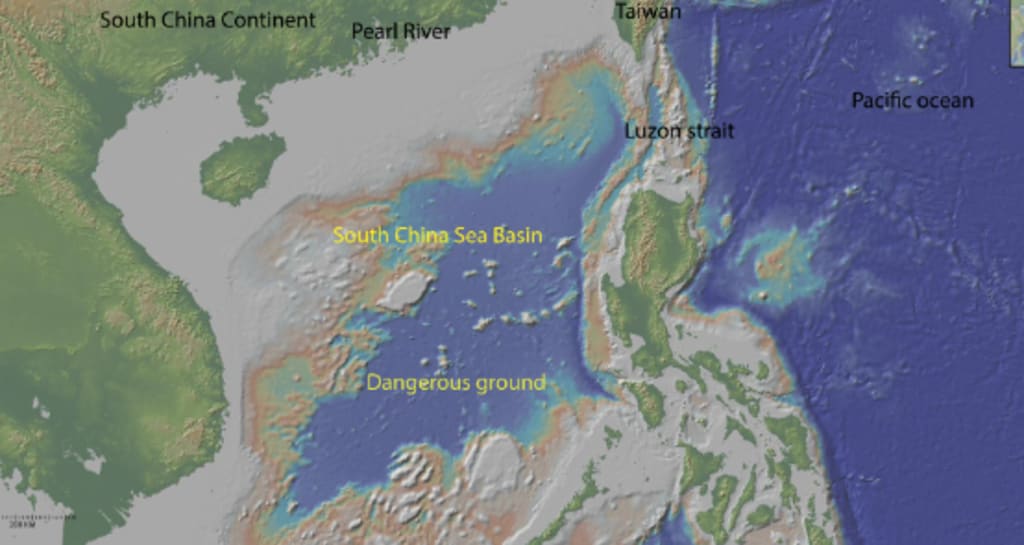
The South China Sea has emerged as a pivotal battleground in the escalating geopolitical rivalry between the United States and China. Recent actions taken by the US to counter China's assertive territorial claims in the region raise concerns that intensified efforts could inadvertently lead to confrontations, destabilizing the already fragile balance of power in Southeast Asia.
Growing Tensions in the South China Sea
The South China Sea is not just a critical maritime route; it's also rich in natural resources such as oil and fish, making it a highly contested area. China's aggressive expansionist policies have provoked significant tensions with neighboring countries, particularly the Philippines. In recent months, confrontations between Chinese coast guard vessels and Philippine forces have escalated, including incidents where swords were brandished, resulting in a Filipino soldier losing part of his thumb.
At the recent ASEAN summit held in Laos, US Secretary of State Antony Blinken expressed deep concerns over China's "increasingly dangerous and unlawful" activities in these disputed waters. Blinken reaffirmed the US commitment to ensuring "freedom of navigation and freedom of overflight in the Indo-Pacific," underscoring the ongoing efforts of the US military to assert its presence in the region as the only force capable of effectively countering China's naval ambitions.
The Delicate Balance of Power
The Association of Southeast Asian Nations (ASEAN), a political and economic union comprising ten countries, has been actively working to maintain a balance between the US and China. Each ASEAN member has distinct security interests, leading to differing perspectives on the US's role in the region. Countries like the Philippines and Vietnam are largely supportive of increased US military involvement, while others, such as Malaysia and Indonesia, fear that a larger US presence could exacerbate tensions.
Hunter Marston, a Ph.D. candidate at the Australian National University, highlights the complexities arising from these differing interests among ASEAN members. Some countries may prefer to avoid confrontation altogether, potentially sacrificing the rights of the Philippines and Vietnam in favor of better trade relations with China. This divide not only complicates collective responses to China's aggressive actions but also serves as a wedge within ASEAN.
A Historical Context of US Involvement
US involvement in the South China Sea has a long history, tracing back to the George W. Bush administration, which increased military presence and diplomatic ties following the events of September 11, 2001. The Obama administration adopted a strategy of "rebalancing" aimed at preventing China from establishing dominance in the Asia-Pacific region. Under the Trump administration, this approach intensified, with increased freedom of navigation patrols and military exercises in the area.
The Biden administration has sought to build on these policies by strengthening alliances and pursuing diplomatic initiatives. However, despite these efforts, China remains undeterred in its quest for dominance, frequently employing confrontational tactics against regional claimants, particularly the Philippines.
The Risk of Escalation
The ongoing tensions in the South China Sea extend beyond military posturing; they carry significant implications for the economies of Southeast Asian nations. A conflict in this vital trade route, which facilitates one-third of global shipping, could disrupt supply chains and lead to substantial economic losses. A working paper from the US National Bureau of Economic Research estimates that the potential GDP loss for Taiwan, Singapore, Hong Kong, Vietnam, the Philippines, and Malaysia could range from 10% to 33%.
As the US continues to assert its military presence, there are rising concerns that further escalation could alienate regional partners. Bill Hayton, an associate fellow at Chatham House, emphasizes that Southeast Asian countries seek a "Goldilocks situation" — a state of equilibrium where tensions are neither too high nor too low. However, this precarious balancing act risks provoking a stronger response from China if the US is perceived as acting aggressively.
Conclusion: A Cautious Path Forward
The complexities surrounding the South China Sea require careful navigation by the US. While maintaining a firm stance against Chinese aggression is essential, experts warn that actions could inadvertently trigger a military confrontation. The stakes are high, especially for the Philippines, which relies on the US under a Mutual Defense Treaty.
As the US grapples with the challenges of countering China's assertiveness while striving to preserve regional stability, the importance of diplomatic engagement and multilateral cooperation cannot be overstated. The South China Sea situation serves as a reminder that the path to peace in the region is fraught with challenges, necessitating a delicate balance between security interests and economic partnerships.
Ongoing dialogue among ASEAN members, the US, and China will be crucial in shaping the future of this vital region. By addressing these pressing geopolitical issues, we can better understand the dynamics at play in the South China Sea and their implications for global stability.
This blog post aims to provide a comprehensive overview of the current situation in the South China Sea, highlighting the complexities of US involvement, regional dynamics, and the potential consequences of escalating tensions. By engaging readers in this critical topic, we encourage informed discussion about the future of the region and the intricate balance of power between major world players.
About the Creator
Global News Update
It cover a wide range of topics including politics, economics, technology, environment, and more from around the world. They often provide insights into significant events, trends, and developments impacting various regions globally.
Keep reading
More stories from Global News Update and writers in History and other communities.
UK Inflation Plummets to 1.7% – First Time Below Bank of England’s Target in Over Three Years
The UK’s inflation rate has sharply dropped to 1.7% in September, marking the first time it has dipped below the Bank of England’s (BoE) target of 2% since April 2021. This significant drop, reported by the Office for National Statistics (ONS) on Wednesday, has far-reaching implications for the British economy and financial markets, with the possibility of further interest rate cuts in the near future.
By Global News Updateabout a year ago in History
Antarctica Map
Antarctica is the coldest, driest, and windiest continent on Earth. It is located at the southernmost part of the planet, surrounding the South Pole. Because of its extreme weather and thick ice cover, Antarctica is very different from other continents. An Antarctica map helps us understand the shape, location, and important features of this frozen land.
By Farhan Sayed3 days ago in History
3 Harmless Habits That Once Caused Absolute Chaos
Most habits are comfortingly dull. You chew gum. You clap at events. You check your phone. You assume—reasonably—that these actions will not destabilize governments, bankrupt industries, or end lives. Society depends on this assumption. If every small habit carried catastrophic potential, we would never leave the house.
By Enoch Sagini4 days ago in History



Comments
There are no comments for this story
Be the first to respond and start the conversation.