
Why Are Figs and Olives So Popular Across Cultures?
Figs and Olives

Have you ever wondered how two small fruits—figs and olives—became staples in global cuisine and symbols of health and prosperity? Their story spans thousands of years, weaving through history, culture, and science. Dive in to discover why these humble fruits have captured the hearts of civilizations for centuries.
Introduction to Figs and Olives
Figs and olives are timeless icons of Mediterranean life, cherished for their unique flavors, nutritional benefits, and cultural significance. From bustling markets in ancient Greece to modern kitchens around the world, they’ve transcended borders and generations.
Figs are celebrated for their soft sweetness, which pairs beautifully with both savory and sweet dishes. Meanwhile, olives—whether cured, stuffed, or transformed into golden olive oil—add depth and richness to countless recipes.
But their importance goes far beyond the dinner table. These fruits symbolize abundance, wisdom, and peace, making them cultural cornerstones as well as dietary staples.
The Historical and Cultural Significance of Figs and Olives
Figs in Ancient Civilizations
Figs were one of the earliest fruits cultivated by humans, with evidence dating back to 9,400 BCE. Ancient Egyptians regarded figs as a symbol of prosperity, and they were often placed in tombs to accompany the deceased on their journey to the afterlife.
In Greece, figs were so revered that laws were enacted to protect their trade. They symbolized fertility and were frequently used in religious ceremonies.
In Rome, figs were considered sacred to Bacchus, the god of wine, and were a favorite snack of soldiers for their energy-boosting properties.
Olives: A Gift of the Gods
According to Greek mythology, the olive tree was a divine gift from the goddess Athena to the people of Athens, symbolizing peace and prosperity. Over time, olives became central to Mediterranean life, providing food, oil for lamps, and even medicinal remedies.
Biblical References: The olive branch, famously carried by the dove after the flood in the Bible, signifies hope and renewal.
Roman Empire: Olive oil production reached its peak during Roman rule, with amphorae (clay jars) filled with oil shipped across the empire.
Modern Cultural Importance
Today, figs and olives continue to hold symbolic value. They are featured prominently in religious rituals, national cuisines, and even art and literature. Their enduring legacy is a testament to their adaptability and importance across millennia.
Nutritional Powerhouses
Figs and olives are not just delicious—they’re incredibly healthy, packed with essential nutrients that support overall well-being.
Figs: Sweet and Nutrient-Dense
Figs are low in calories but high in nutrients, making them a guilt-free treat.
Rich in Fiber: Supports gut health, regulates blood sugar levels, and keeps you full longer.
Packed with Antioxidants: Figs contain polyphenols, compounds that protect cells from oxidative stress.
Bone-Strengthening Minerals: Calcium and magnesium contribute to bone density and strength.
Health Benefits of Figs
Digestive Aid: Figs act as a natural laxative, promoting regular bowel movements.
Heart Health: The potassium in figs helps lower blood pressure, reducing the risk of heart disease.
Immune Support: Their vitamin and antioxidant content bolsters the immune system.
Olives: A Healthy Fat Staple
Olives are at the heart of the Mediterranean diet, known for promoting longevity and reducing the risk of chronic diseases.
Monounsaturated Fats: These “good fats” help reduce bad cholesterol levels.
Anti-Inflammatory Compounds: Oleocanthal in olives mimics the effects of ibuprofen.
Rich in Vitamin E: A powerful antioxidant that protects cells and improves skin health.
Health Benefits of Olives
Heart Protection: Regular consumption of olive oil has been linked to lower rates of heart disease.
Brain Health: The fats in olives support cognitive function and may reduce the risk of Alzheimer’s.
Anti-Cancer Properties: Some studies suggest the polyphenols in olives may help prevent certain cancers.
The Role of Figs and Olives in the Mediterranean Diet
The Mediterranean diet, often hailed as one of the healthiest in the world, owes much of its success to figs and olives.
Figs: A Natural Sweetener
Figs are used as a healthy alternative to sugar, adding natural sweetness to dishes without the health risks of refined sugar. They are also popular in:
Breakfast dishes like yogurt bowls and oatmeal.
Salads, paired with tangy cheeses like goat or feta.
Desserts, such as fig tarts or fig-stuffed pastries.
Olives: The Heart of Mediterranean Cooking
Olives and their oil are indispensable in Mediterranean cuisine. Common uses include:
Cooking Medium: Olive oil is used for frying, roasting, and baking.
Flavor Enhancer: Drizzled over salads, bread, or pasta.
Ingredient: Whole olives are stuffed, sliced, or pureed into spreads like tapenade.
Sustainability in Agriculture
Figs and olives thrive in arid climates, requiring minimal water and chemical inputs. This makes them eco-friendly crops, ideal for sustainable farming practices.
Title & Metadata
Title: Why Figs and Olives Are Icons of Health and Culture
Meta Description: Learn the rich history, health benefits, and culinary uses of figs and olives. Discover their role in the Mediterranean diet and sustainable farming.
Meta Keywords: figs, olives, Mediterranean diet, fig recipes, olive oil benefits
Frequently Asked Questions
1. Why are figs and olives considered healthy foods?
Figs are high in fiber and antioxidants, while olives are rich in healthy fats and antioxidant compounds. Both contribute to heart health and overall wellness.
2. Can I eat figs if I have diabetes?
Yes, but in moderation. Figs have natural sugars, so it’s essential to balance them with other low-glycemic foods.
3. What makes olive oil extra virgin?
Extra virgin olive oil is made from the first pressing of olives, ensuring higher quality and more antioxidants compared to refined oils.
4. How do I know if a fig is ripe?
A ripe fig will feel soft to the touch and may have a slight crack in the skin. Its aroma will be sweet and inviting.
5. Are black olives healthier than green olives?
Both types offer similar health benefits. The main difference lies in flavor and ripeness—black olives are fully ripe, while green olives are harvested earlier.
About the Creator
miloud ferhi
A calm person, I love reading and studying, I always look forward to what is best.
Keep reading
More stories from miloud ferhi and writers in Feast and other communities.
Dates and Pomegranates: Nature’s Power Duo
Have you ever wondered why some fruits are considered ancient treasures and still remain staples in modern diets? Dates and pomegranates are two such gems. Known for their rich history, cultural significance, and incredible health benefits, these fruits are as popular today as they were thousands of years ago. From their unique flavors to their unparalleled nutrition, dates and pomegranates are truly nature’s gift to humanity.
By miloud ferhiabout a year ago in Feast
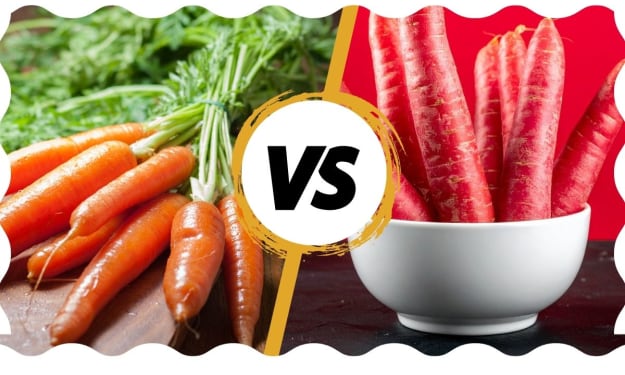
Orange vs Red Carrots
Carrots are among the most popular root vegetables around the world. They are widely appreciated for their natural sweetness, crunchy texture, and impressive nutritional value. While most people are familiar with orange carrots, many regions—especially in South Asia—also consume red carrots, particularly during winter. This often raises a common question: which carrot is better for health—orange or red?
By Stories Today3 days ago in Feast
Widow invests $800,000 to start hawker culture experience centre in honour of late husband
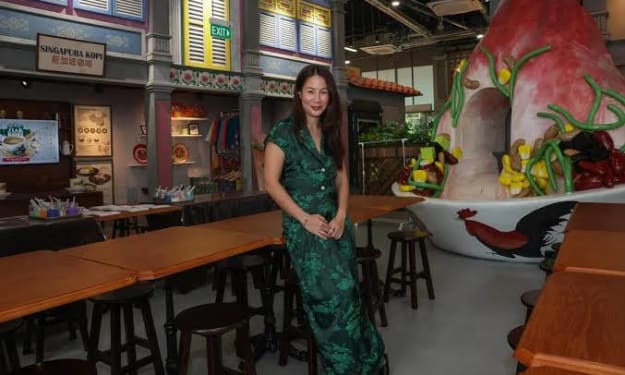
In a touching tribute to love, memory, and cultural heritage, a Singaporean widow has invested nearly $800,000 to establish a hawker culture experience centre dedicated to preserving and celebrating the vibrant food traditions that her late husband cherished throughout his life. The centre, which opened recently in Singapore, aims to provide visitors with an immersive journey into the country’s beloved hawker culture while honouring the legacy of a man who spent decades supporting local food vendors. The project was initiated by Lim Mei Hua, whose husband, Tan Wei Chong, passed away three years ago after a long illness. Tan was widely known among friends and family as a passionate supporter of traditional hawker stalls and frequently spent his weekends exploring different food centres across Singapore. According to Lim, the idea of creating a space dedicated to hawker heritage had long been one of her husband’s dreams. “He always believed that hawker culture was the heart of Singapore,” Lim said during the centre’s opening ceremony. “After he passed away, I wanted to do something meaningful that would keep his passion alive and allow future generations to understand why these traditions matter.” Singapore’s hawker culture is a cornerstone of the nation’s identity. The bustling open-air food centres, filled with vendors serving affordable and diverse dishes, reflect the multicultural roots of the country. In recognition of its cultural importance, UNESCO added Singapore’s hawker culture to its Representative List of the Intangible Cultural Heritage of Humanity in 2020. Lim’s experience centre is designed to showcase this heritage through interactive exhibits, live cooking demonstrations, and storytelling sessions led by veteran hawkers. Visitors can learn about the origins of iconic dishes such as Hainanese chicken rice, Laksa, and Char kway teow, while also exploring the personal journeys of the hawkers who prepare them. The centre includes a small exhibition gallery featuring photographs, kitchen tools, and handwritten recipes collected from hawker families across the city. Many of these items date back decades, offering a glimpse into how culinary traditions have been passed down through generations. One section of the centre recreates a traditional hawker stall environment, allowing visitors to experience what it feels like to work behind the counter during a busy lunch rush. Young participants can try their hand at simple cooking techniques while learning about the discipline and dedication required to master hawker cuisine. Local hawkers have warmly welcomed the initiative. Many worry that younger generations may be less interested in taking over family stalls, which often involve long hours and physically demanding work. By highlighting the cultural significance of these businesses, Lim hopes the centre will inspire renewed appreciation among the public. “Hawker food is not just about eating,” said veteran vendor Ong Kee, who participated in one of the centre’s demonstration sessions. “It’s about history, family, and community. Places like this help remind people why our traditions should continue.” Beyond cultural preservation, the experience centre also aims to support hawkers economically. A portion of ticket sales will be directed toward training programs for aspiring food vendors, helping them learn both traditional recipes and modern business skills. Lim believes this approach can help sustain the industry while adapting to changing times. Tourism officials in Singapore have also expressed optimism about the centre’s potential to attract international visitors interested in culinary experiences. Food tourism has become an increasingly important part of the country’s travel industry, with visitors eager to explore authentic local cuisine. For Lim, however, the centre’s true purpose goes far beyond tourism or business success. Every corner of the space reflects memories of her husband—his favorite dishes, the stalls he frequently visited, and the stories he loved to share. “Whenever I see people enjoying the exhibits or learning about hawker culture, I feel like his spirit is still here,” she said quietly. “This place is not just about the past. It’s about keeping something precious alive.” Through her remarkable gesture, Lim has transformed personal grief into a lasting tribute that celebrates love, heritage, and the enduring power of food to bring communities together. Her $800,000 investment ensures that the spirit of Singapore’s hawker culture—and the memory of the man who cherished it—will continue inspiring generations to come.
By Fiaz Ahmed 5 days ago in Feast


Comments
There are no comments for this story
Be the first to respond and start the conversation.