
Orange vs Red Carrots
Orange vs Red Carrots: Which One Is Healthier?

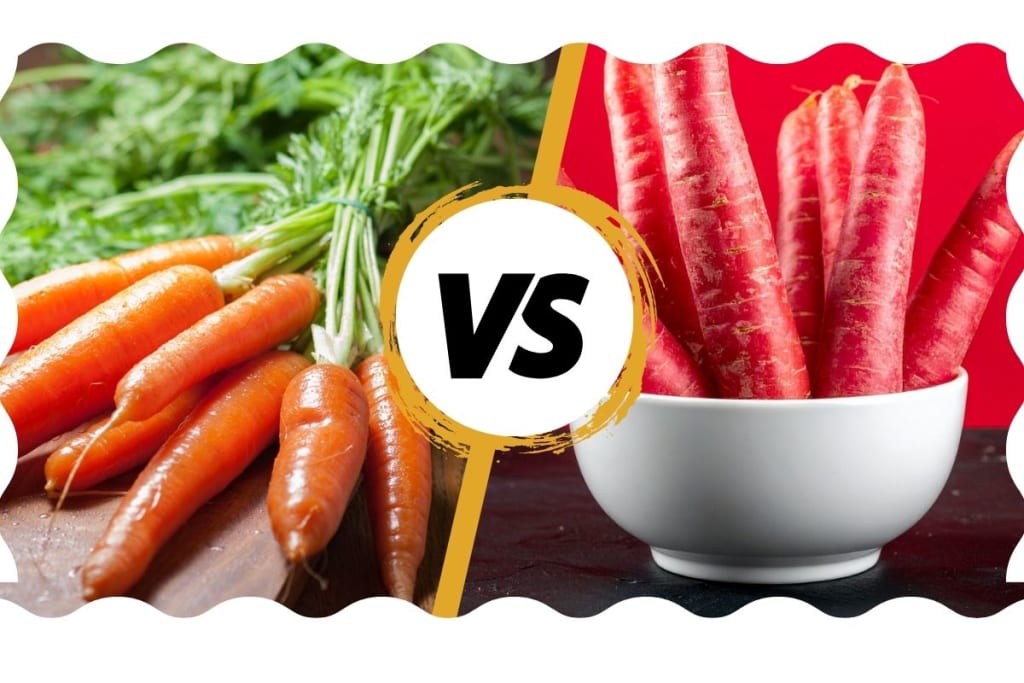
Carrots are among the most popular root vegetables around the world. They are widely appreciated for their natural sweetness, crunchy texture, and impressive nutritional value. While most people are familiar with orange carrots, many regions—especially in South Asia—also consume red carrots, particularly during winter. This often raises a common question: which carrot is better for health—orange or red?
Both varieties belong to the same plant species, Daucus carota, but their color differences come from distinct natural pigments that influence their nutritional profiles. Understanding these differences can help you decide which one may suit your diet better.
Why Do Carrots Come in Different Colors?
Carrots were not always orange. Historically, carrots were grown in different colors such as purple, yellow, white, and red. The modern orange carrot became widespread after selective cultivation in Europe centuries ago.
The color of a carrot mainly depends on plant pigments:
- Orange carrots contain high levels of beta-carotene, a compound the body converts into vitamin A.
- Red carrots contain lycopene, the same antioxidant found in tomatoes that gives them their red color.
These pigments are not just responsible for color—they also contribute to different health benefits.
Nutritional Profile of Orange Carrots
Orange carrots are best known for their high beta-carotene content, which plays a vital role in maintaining good vision and immune health. Beta-carotene is converted into vitamin A, an essential nutrient for the body.
Key nutrients in orange carrots include:
- Vitamin A (from beta-carotene)
- Vitamin K
- Potassium
- Fiber
- Antioxidants
Health Benefits of Orange Carrots
1. Supports eye health
Orange carrots are often associated with eye health because beta-carotene converts to vitamin A, which supports the retina and may help prevent vision problems linked to deficiency.
2. Boosts immunity
Vitamin A plays a role in maintaining immune function. Regular intake of beta-carotene-rich foods like orange carrots may support the body’s defense system.
3. Promotes skin health
Beta-carotene also acts as an antioxidant, which may help protect skin cells from damage caused by environmental factors such as pollution and sunlight.
4. Good for digestive health
Like most vegetables, carrots are rich in dietary fiber, which helps support digestion and maintain gut health.
Nutritional Profile of Red Carrots
Red carrots are commonly consumed in countries like India, especially in winter dishes such as carrot salads and traditional desserts. Their deep red color comes from lycopene, a powerful antioxidant.
Important nutrients in red carrots include:
- Lycopene
- Vitamin C
- Fiber
- Potassium
- Small amounts of beta-carotene
Health Benefits of Red Carrots
1. Rich in lycopene
Lycopene is widely studied for its potential role in protecting cells from oxidative stress. Foods containing lycopene are often associated with heart health and overall antioxidant protection.
2. May support heart health
Some research suggests that diets rich in antioxidants like lycopene may help support healthy blood vessels and reduce oxidative damage.
3. Helps maintain hydration
Red carrots contain high water content, making them refreshing and suitable for warmer climates or hydrating diets.
4. Provides seasonal nutrition
In many regions, red carrots are harvested during winter months and are often used fresh, which helps maintain their nutrient content.
Taste and Culinary Differences
Apart from nutrition, orange and red carrots also differ slightly in taste and culinary uses.
Orange carrots
- Crunchy texture
- Commonly used in salads, soups, and roasted dishes
Red carrots
- Slightly sweeter and juicier
- Often used in fresh juices
Popular in traditional winter recipes like carrot pudding or fermented carrot drinks
These differences are mostly related to regional cooking traditions rather than major nutritional gaps.
Which Carrot Has More Antioxidants?
Both varieties contain antioxidants, but they differ in type.
- Orange carrots: Higher in beta-carotene
- Red carrots: Higher in lycopene
Beta-carotene supports vitamin A production, while lycopene is linked to antioxidant protection. Because these compounds perform different functions, neither carrot is universally “better.” Instead, they complement each other nutritionally.
Are There Any Major Nutritional Differences?
The overall nutritional values of orange and red carrots are quite similar. Both provide:
- Low calories
- Good amounts of fiber
- Essential vitamins and minerals
- Antioxidants
The primary difference lies in the dominant antioxidant pigment. For example, someone looking to increase vitamin A intake might benefit more from orange carrots, while someone seeking lycopene-rich foods could include red carrots in their diet.
Seasonal Availability
Another difference between the two varieties is seasonality.
Orange carrots are widely available year-round in most supermarkets.
Red carrots are more commonly available during winter months in South Asia.
Seasonal vegetables are often fresher and may retain more nutrients because they are harvested closer to consumption.
Can You Eat Both Together?
Nutrition experts generally recommend eating a variety of colorful vegetables rather than focusing on a single type. Including both orange and red carrots in your meals can provide a broader range of antioxidants and nutrients.
For example:
- Add orange carrots to soups and stir-fries.
- Use red carrots in salads, juices, or winter recipes.
- This approach ensures you benefit from both beta-carotene and lycopene.
The Bottom Line
Both orange and red carrots are nutritious vegetables with their own unique health benefits. Orange carrots are particularly rich in beta-carotene, which supports eye health and vitamin A production. Red carrots, on the other hand, contain lycopene, an antioxidant associated with heart health and cellular protection.
Rather than choosing one over the other, incorporating both varieties into a balanced diet can provide a wider spectrum of nutrients. Like most vegetables, carrots are most beneficial when eaten fresh, minimally processed, and as part of a diverse diet rich in fruits and vegetables.
In simple terms, neither orange nor red carrots are strictly better—both contribute valuable nutrients that support overall health.
About the Creator
Stories Today
Stories Today is a place where real people share real stories, and that’s it. We believe every person has an incredible story to tell.
Visit us:https://storiestoday.co.uk/
Keep reading
More stories from Stories Today and writers in Feast and other communities.
The Ultimate Guide to the Best Sandwich Recipe — A British Perspective
In the UK, the sandwich isn’t just food — it’s cultural shorthand. Whether it’s a simple cheese sarnie in a lunchbox or a hearty butty grabbed on the go, sandwiches are deeply woven into British eating habits. From classics like the cheese and pickle to trendier creations inspired by global flavours, a great sandwich is all about balance, texture, and quality ingredients.
By Stories Todayabout a month ago in Feast
The food business is undergoing a transformation thanks to gene-edited fungus, which is being considered as a beef substitute.
Compared to the strain now in use, a gene-edited fungus has created meat-like protein that grows more quickly and uses a lot less sugar. These improvements bring one of the earliest meat alternatives in the world closer to competing with animals in terms of scale and efficiency.
By Francis Damia day ago in Feast
The Politics of Playing Dress-Up
Well, to start off I'd like to say a happy world book day to all who celebrate. I know I haven't really posted anything on my socials about it but I'm not a jubilant kind of person. I lay low most of the time. Let's start off with a popular anecdote from the vaults...
By Annie Kapur4 days ago in Geeks




Comments (1)
Love it!!!!♥️♥️♥️🙏