
Dates and Pomegranates: Nature’s Power Duo
Dates and Pomegranates
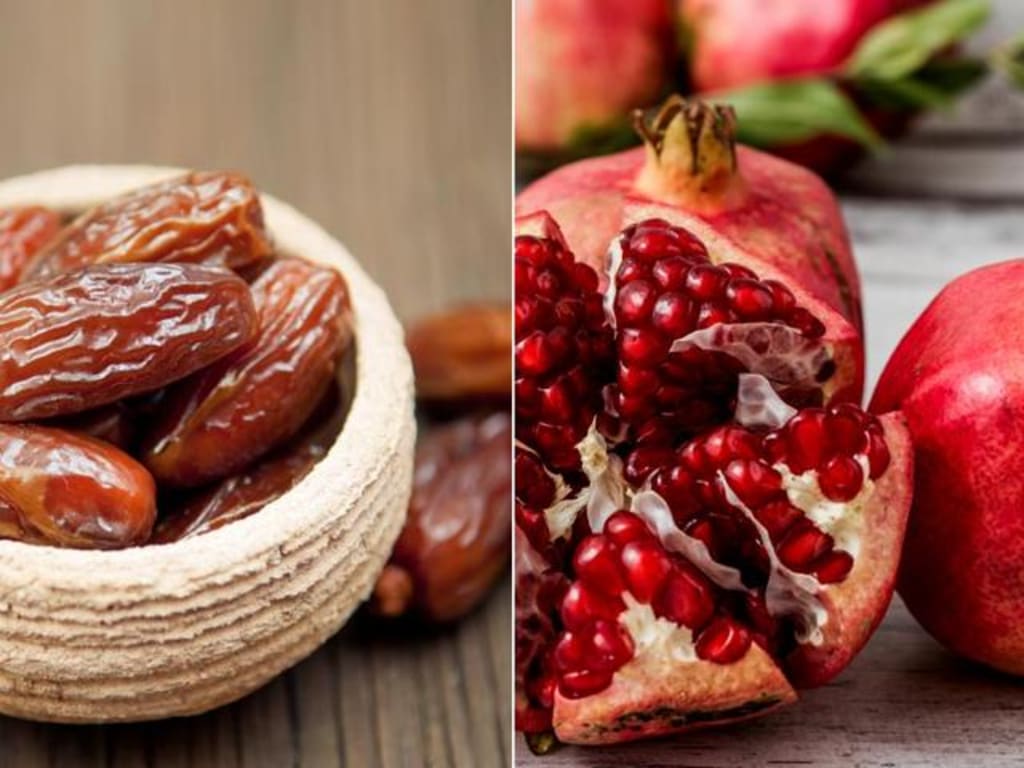
Have you ever wondered why some fruits are considered ancient treasures and still remain staples in modern diets?
Dates and pomegranates are two such gems. Known for their rich history, cultural significance, and incredible health benefits, these fruits are as popular today as they were thousands of years ago. From their unique flavors to their unparalleled nutrition, dates and pomegranates are truly nature’s gift to humanity.
Introduction to Dates and Pomegranates
Dates and pomegranates are not just delicious; they are a bridge between the ancient and modern worlds. These fruits have traveled through centuries, appearing in myths, trade routes, and traditional medicines. But their importance isn’t confined to history books. Today, they play a crucial role in nutrition, wellness, and global cuisine.
Why They Matter
Both dates and pomegranates are considered “superfoods,” and for good reason. They are packed with essential vitamins, minerals, and antioxidants, making them indispensable in healthy diets. But what sets them apart is their versatility: you’ll find them enhancing everything from festive dishes to everyday snacks.
What Makes Dates and Pomegranates Unique?
Dates: Sweet and Powerful
Dates are chewy, caramel-like fruits that grow on date palm trees. Often referred to as "nature’s candy," dates are naturally sweet and require no added sugar. They’re especially prized for their energy-boosting properties, making them a favorite among athletes and busy individuals.
Origins: Dates have been cultivated for over 6,000 years, primarily in the Middle East and North Africa.
Varieties: Popular types include Medjool, Deglet Noor, and Barhi, each offering distinct textures and sweetness levels.
Nutrients: They’re rich in potassium, magnesium, and fiber, essential for heart health and digestion.
Quick Tip
Enjoy dates as a pre-workout snack or blend them into smoothies for a natural energy boost!
Pomegranates: The Jewel of Fruits
Pomegranates, often called "the fruit of paradise," are as stunning as they are nutritious. Each fruit contains hundreds of jewel-like seeds, known as arils, bursting with sweet-tart juice.
Origins: Native to Persia and the Mediterranean, pomegranates have been cherished for their beauty and health benefits.
Nutrients: They’re loaded with antioxidants, particularly punicalagins and anthocyanins, which protect against oxidative stress.
Symbolism: Across cultures, pomegranates symbolize abundance, fertility, and rebirth, often appearing in art and rituals.
Quick Tip
Sprinkle pomegranate seeds over salads or yogurt for a burst of flavor and nutrition!
Contextual Hierarchy: Exploring Their Importance
1. Historical and Cultural Significance
Dates and pomegranates hold deep cultural roots. Dates were a vital part of early Middle Eastern diets, often referred to as the “bread of the desert.” Pomegranates, meanwhile, were revered in Greek mythology, symbolizing life and death in the story of Persephone.
2. Nutritional Powerhouses
Dates: High in natural sugars, they provide quick energy while supporting digestion with their fiber content.
Pomegranates: Their rich antioxidant profile helps reduce inflammation and lower the risk of chronic diseases like heart disease.
3. Modern-Day Uses
Both fruits are making a comeback in wellness trends. Dates are now a favorite natural sweetener in plant-based recipes, while pomegranate juice is a sought-after superfood drink.
FAQs About Dates and Pomegranates
Are dates and pomegranates good for weight loss?
Yes! Dates provide natural energy and keep you full longer, while pomegranates are low in calories and high in fiber, making them great for weight management.
Can I eat dates and pomegranates together?
Absolutely. Their contrasting flavors—sweet and tart—complement each other wonderfully in salads, desserts, or snack platters.
How do I store these fruits?
Dates can be kept in an airtight container at room temperature, while pomegranates stay fresh longer when refrigerated.
Are they safe for diabetics?
Both fruits can be enjoyed in moderation. Dates have natural sugars, so portion control is key, and pomegranates may help regulate blood sugar levels.
What are some unique recipes using dates and pomegranates?
Try making energy balls with dates or a pomegranate-glazed chicken. Both are easy and delicious!
Culinary Uses Around the World
Dates and pomegranates are staples in cuisines across the globe. Their versatility allows them to shine in sweet and savory dishes alike, making them indispensable in kitchens worldwide.
Dates in Cooking
Dates have been a primary sweetener in traditional Middle Eastern and North African recipes for centuries. They’re not just used for their sweetness but also their rich, caramel-like flavor and chewy texture.
Snacks and Sweets: Dates are often eaten as-is or stuffed with nuts for a nutritious snack. They are also a key ingredient in desserts like date bars, cakes, and puddings.
Savory Dishes: Dates add complexity to savory dishes, such as Moroccan tagines, where their sweetness balances the spices.
Modern Uses: In plant-based diets, dates are blended into smoothies, energy balls, or homemade syrups as a natural alternative to sugar.
Recipe Highlight: Stuffed Dates
Stuff dates with goat cheese, wrap them in prosciutto, and bake them for a luxurious appetizer that’s both sweet and savory.
Pomegranates in Cooking
Pomegranates are known for their vibrant arils, which add a burst of flavor and color to any dish.
Salads and Sides: Sprinkle pomegranate seeds over green salads or grain bowls for a pop of flavor.
Main Courses: Use pomegranate molasses in marinades or glazes for meats, such as lamb or chicken.
Desserts and Drinks: The juice is used to make sorbets, cocktails, and even jellies.
Recipe Highlight: Pomegranate Glazed Salmon
Brush salmon fillets with a mixture of pomegranate molasses, honey, and Dijon mustard, then bake until caramelized for a nutritious, flavorful meal.
Health Benefits of Dates and Pomegranates
Dates: The Energy Booster
Dates are loaded with natural sugars like fructose and glucose, making them a quick and efficient source of energy. Beyond this, they offer several other health benefits:
Improved Digestion: The high fiber content in dates helps regulate bowel movements and promotes gut health.
Bone Health: They are rich in minerals like calcium, magnesium, and phosphorus, which support strong bones.
Natural Sweetener: Unlike refined sugar, dates offer sweetness with added nutrients like potassium and antioxidants.
Pomegranates: The Antioxidant Powerhouse
Pomegranates are widely regarded as one of the healthiest fruits due to their high antioxidant content.
Heart Health: Pomegranate juice has been shown to lower blood pressure and improve cholesterol levels.
Anti-Inflammatory Properties: The antioxidants help reduce inflammation, which is linked to chronic conditions like arthritis.
Cancer Prevention: Some studies suggest that pomegranate compounds may help inhibit the growth of certain cancer cells.
Growing and Harvesting Practices
Understanding how dates and pomegranates are cultivated highlights their value as sustainable and eco-friendly fruits.
Date Farming
Climate: Date palms thrive in arid regions with plenty of sunshine.
Harvesting: Dates are hand-picked at peak ripeness to preserve their quality.
Sustainability: Date farming often utilizes traditional irrigation methods that minimize water waste.
Pomegranate Cultivation
Climate: Pomegranates grow best in Mediterranean climates with hot, dry summers and cool winters.
Harvesting: The fruits are carefully hand-harvested to avoid damaging the arils.
Environmental Impact: Pomegranate trees are drought-resistant, making them an eco-friendly crop.
Modern Popularity and Wellness Trends
Dates and pomegranates are enjoying a resurgence in popularity, thanks to their reputation as superfoods. Both fruits are integral to plant-based and clean-eating trends, offering a natural way to enhance health and flavor.
Dates: Found in energy bars, granola, and smoothies, dates have become a favorite ingredient in the wellness community.
Pomegranates: Their juice is often marketed as a heart-healthy beverage, while the seeds are praised for their antioxidant content.
Conclusion: A Gift from Nature
Dates and pomegranates are more than just fruits—they’re ancient symbols of health, vitality, and abundance. Whether you’re looking to improve your diet, try new recipes, or embrace sustainable foods, these fruits offer endless possibilities. By incorporating them into your meals, you’ll not only enjoy their incredible flavors but also their many health benefits.
Frequently Asked Questions (Expanded)
Can children eat dates and pomegranates?
Yes, both fruits are safe and healthy for children. Dates provide natural energy, and pomegranates boost immunity with their antioxidants.
How do I extract pomegranate seeds easily?
Cut the fruit in half and gently tap the back with a spoon over a bowl to release the seeds.
Are there any side effects of eating these fruits?
Overeating dates may cause a sugar spike, and some people might experience stomach discomfort from pomegranate seeds if consumed in excess. Moderation is key.
Can dates and pomegranates be frozen?
Yes! Dates can be frozen for up to a year, and pomegranate seeds freeze well when stored in an airtight container.
Are there organic options available for these fruits?
Yes, many farms now produce organic dates and pomegranates without the use of pesticides. Look for certified organic labels.
About the Creator
miloud ferhi
A calm person, I love reading and studying, I always look forward to what is best.
Keep reading
More stories from miloud ferhi and writers in Feast and other communities.
Why Are Figs and Olives So Popular Across Cultures?
Have you ever wondered how two small fruits—figs and olives—became staples in global cuisine and symbols of health and prosperity? Their story spans thousands of years, weaving through history, culture, and science. Dive in to discover why these humble fruits have captured the hearts of civilizations for centuries.
By miloud ferhiabout a year ago in Feast
Astragalus: An Ornamental, Supportive, and Culinary Herb
Astragalus Root/Milkvetch Astragalus is a popular remedy for various ailments today. Commonly found in health food stores and herbal shops in the form of tinctures, grounded encapsulated powders, or as part of an herbal infusion, or sometimes added to teas, astragalus usually makes the list for its purported immune-system and energy-supporting benefits.
By J. Chauncey3 days ago in Feast
Freeze-Dried Powder Microgreens: The Complete Guide to Nutrient-Dense Greens
Getting enough fresh vegetables into your daily routine can be harder than it sounds. Busy schedules, travel, and reliance on convenience foods often mean leafy greens get overlooked. Freeze-dried microgreens powder offers a practical way to bridge that gap. Produced from young vegetable greens harvested at peak nutritional value, these powders provide a concentrated source of vitamins, minerals and antioxidants in a format that is simple to store and use.
By Emily Jones6 days ago in Feast


Comments
There are no comments for this story
Be the first to respond and start the conversation.