
Freeze-Dried Powder Microgreens: The Complete Guide to Nutrient-Dense Greens
Freeze-Dried Powder Microgreens: Nutrition, Benefits & Everyday Uses

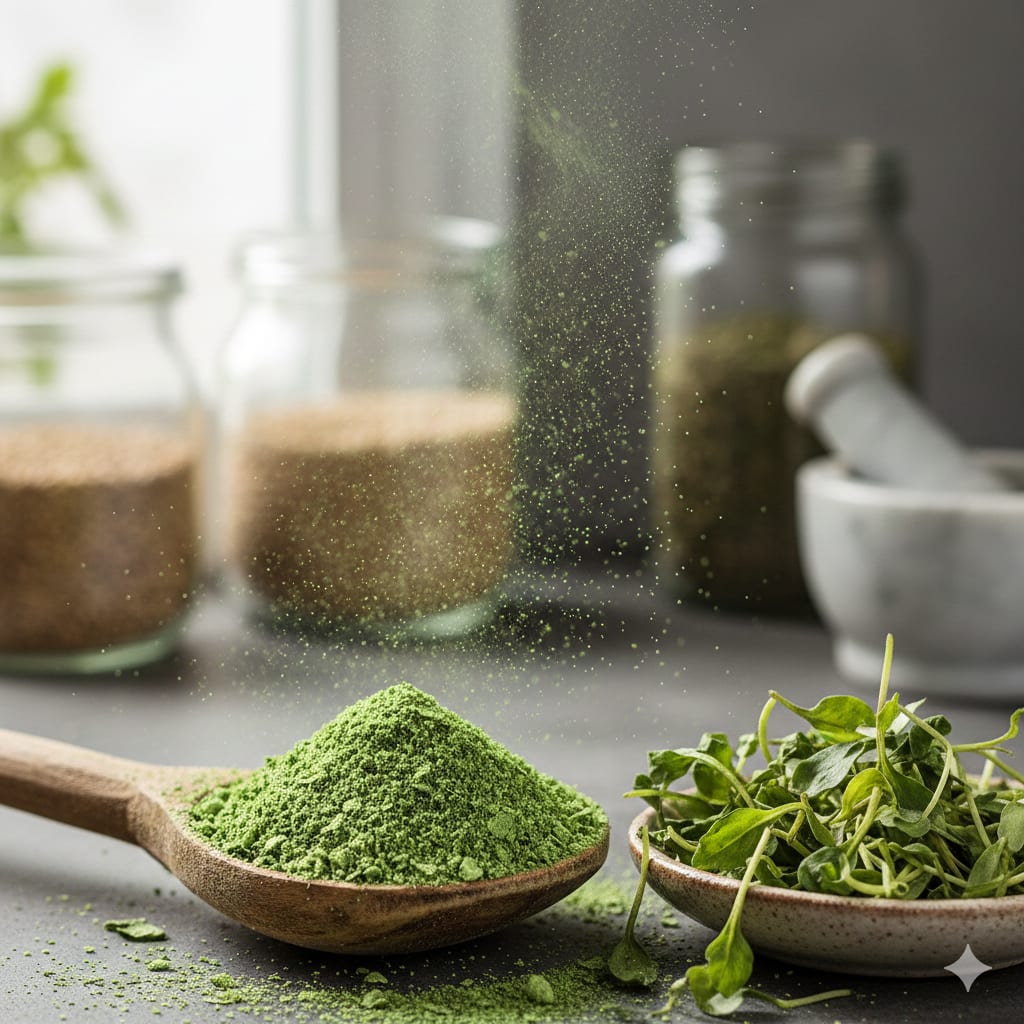
Getting enough fresh vegetables into your daily routine can be harder than it sounds. Busy schedules, travel, and reliance on convenience foods often mean leafy greens get overlooked. Freeze-dried microgreens powder offers a practical way to bridge that gap. Produced from young vegetable greens harvested at peak nutritional value, these powders provide a concentrated source of vitamins, minerals and antioxidants in a format that is simple to store and use.
Unlike heavily processed supplements, microgreens powders are derived from whole plants and are minimally altered. They retain much of the natural nutritional profile while offering extended shelf life and convenience. As interest in whole-food nutrition and plant-forward diets grows, microgreens powder is becoming a useful addition to everyday eating habits.
Understanding Freeze-Dried Microgreens
Freeze drying is a preservation method designed to maintain the nutritional value of fresh produce. The greens are rapidly frozen and placed in a low-pressure environment where ice converts directly into vapour. This process removes moisture while helping preserve cellular structure, colour and nutrient content.
Microgreens are harvested early in their growth cycle, typically between 7 and 21 days after germination. At this stage, the plants contain dense concentrations of nutrients compared with their mature counterparts. Freeze drying stabilises these nutrients, making them available year-round without the risk of spoilage.
Why Microgreens Are Nutrient Dense?
Microgreens are recognised for their high concentration of vitamins and protective plant compounds. Research has shown that certain varieties can contain higher levels of antioxidants and micronutrients than mature vegetables.
Common nutrients found in microgreens powder include:
- Vitamin C, which contributes to normal immune function
- Vitamin K, which supports bone health
- Beta-carotene is important for vision and skin health
- Polyphenols and antioxidants that help protect cells from oxidative stress
- Minerals such as magnesium, potassium and iron
Because freeze drying preserves these compounds effectively, only a small serving is needed to deliver meaningful nutritional value.
Freeze Drying vs Traditional Dehydration
Different drying methods affect nutrient retention. Traditional heat dehydration exposes greens to high temperatures that can degrade sensitive vitamins and enzymes. Freeze drying uses low temperatures, which helps protect delicate plant compounds and maintain structure.
Potential advantages include:
- Greater nutrient retention
- Better preservation of flavour and colour
- Longer shelf life without preservatives
- Quick rehydration
- Improved stability of plant nutrients
These characteristics make freeze-dried greens a practical option for those seeking to preserve nutrients.
Potential Health Benefits
Immune Support
Microgreens powders contain vitamins A, C and E along with antioxidant compounds that support normal immune function and cellular protection.
Digestive Health
Plant compounds and fibre can support beneficial gut bacteria and digestive efficiency. Chlorophyll-rich greens may also support the body’s natural detoxification pathways.
Energy Metabolism
Magnesium, iron and B vitamins contribute to normal energy metabolism, helping the body convert food into usable energy.
Heart Health
Leafy greens contain nitrates and antioxidant compounds that support circulation and vascular function. Regular consumption of leafy greens is associated with maintaining healthy blood pressure.
Fresh Microgreens vs Powdered Forms
Fresh microgreens provide texture and flavour but require regular purchasing and careful storage. Powdered greens offer a longer shelf life and added convenience.
Powdered forms provide:
- Year-round availability
- Minimal food waste
- Easy portability
- Quick preparation
Both formats can be valuable, but powders offer practicality for daily routines.
Microgreens Powder vs Standard Greens Blends
Many green powders combine grasses, algae and vegetable powders. While these can be beneficial, they often rely on mature plants.
Microgreens powders may offer:
- Higher concentrations of phytonutrients
- Cleaner flavour profiles
- Fewer additives
- Greater antioxidant density
When comparing products, sourcing and processing methods are important indicators of quality.
Common Microgreens Used in Powders
- Different varieties provide unique nutrients and flavours.
- Broccoli microgreens contain compounds associated with antioxidant activity and detoxification processes.
- Pea shoots provide vitamin C, fibre and plant protein.
- Radish microgreens contain glucosinolates that support digestive and detoxification pathways.
- Sunflower microgreens are a source of vitamin E and beneficial plant fats.
Supporting Modern Diets
Modern lifestyles can make it difficult to meet daily recommendations for vegetable intake. Microgreens powders offer a practical way to increase nutrient intake without additional preparation.
They can be particularly useful for:
- Plant-based and vegan diets
- Busy professionals
- Athletically active individuals
- People aiming to reduce processed food intake
They are best used to complement, not replace, whole foods.
Everyday Ways to Use Microgreens Powder
Microgreens powder is versatile and easy to incorporate into meals:
- Blend into smoothies or shakes
- Stir into soups or broths
- Mix into salad dressings
- Add to scrambled eggs
- Stir into sauces
- Combine with yoghurt or dips
The mild flavour makes it easy to integrate into everyday dishes.
Choosing a Quality Product
- Selecting a high-quality powder helps ensure purity and nutritional value.
- Look for organic certification to minimise exposure to synthetic pesticides.
- Confirm freeze-drying methods to ensure nutrient preservation.
- Check ingredient lists for minimal additives or fillers.
- Evaluate packaging that protects against light, moisture and air exposure.
Sustainability Considerations
Microgreens production can support sustainable food systems. They require less water, soil, and space than mature crops, and freeze-drying helps reduce food waste by extending shelf life.
Additional benefits include:
- Reduced spoilage
- Lower transportation weight
- Efficient year-round production
These factors align with growing interest in environmentally responsible food choices.
Storage and Safety
Store microgreens powder in a cool, dry place away from sunlight. Reseal packaging tightly to prevent moisture exposure.
If you are pregnant, taking medication or managing a medical condition, consult a qualified healthcare professional before introducing concentrated greens products.
Looking Ahead
As research into plant phytonutrients and preventive nutrition continues, microgreens powders are gaining attention for their potential role in functional diets. Advances in controlled-environment agriculture and preservation techniques are improving accessibility while helping maintain nutrient integrity.
Final Thoughts
Freeze-dried microgreens powder offers a convenient way to increase nutrient intake in a busy world. With concentrated nutrients, long shelf life and flexible use, it can support a balanced approach to everyday nutrition.
Used alongside whole foods and healthy lifestyle habits, microgreens powders provide a practical option for those looking to add more plant nutrients to their diet.
About the Creator
Keep reading
More stories from Emily Jones and writers in Feast and other communities.
The Ultimate Guide to the 15 Best Vegan Hand Creams in 2024
In today's eco-conscious world, finding the best vegan hand cream that not only nourishes your skin but also aligns with ethical standards is a priority for many. Vegan hand cream offers the perfect blend of hydration and care without the use of animal-derived ingredients. With dermatologists often recommending products that are kind to the skin and the environment, vegan hand creams are becoming the go-to choice for those looking to maintain soft and smooth skin.
By Emily Jones2 years ago in Feast
Dishes for Entertaining VIP
The Chinese New Year reunion dinner is the most important meal of the year—a time to honor tradition, celebrate family, and welcome good fortune. When hosting honored guests, you want dishes that are impressive yet approachable, flavorful yet meaningful. These ten classic recipes strike the perfect balance: simple enough for home cooks to master, yet elegant enough to serve at the most special gatherings. Each carries auspicious symbolism for the new year ahead.
By yue . shui5 days ago in Feast



Comments
There are no comments for this story
Be the first to respond and start the conversation.