short story
Not India, This Is the USA”: Viral Clothesline Video Sparks Unexpected Culture Clash
‘Not India, this is USA’: Viral Video of Clothes Drying in Backyard Triggers Heated Discussion, Backlash In the age of social media, even the most mundane aspects of daily life can spark viral debates — and the latest example is a video that has divided the internet over something as simple as drying clothes in the backyard.
By Sultan Khan10 months ago in Earth
Coolroom Service: Why It’s Essential for Your Business
In a world of hospitality, food production, drugs, and floristry, it is not only important to maintain proper storage temperature - this is important. This is the place where Coolroom Service comes. Whether you own a restaurant, a catering business, a supermarket, or a laboratory, it is important for quality control, compliance with regulations, and customer satisfaction.
By Coolroom Service10 months ago in Earth
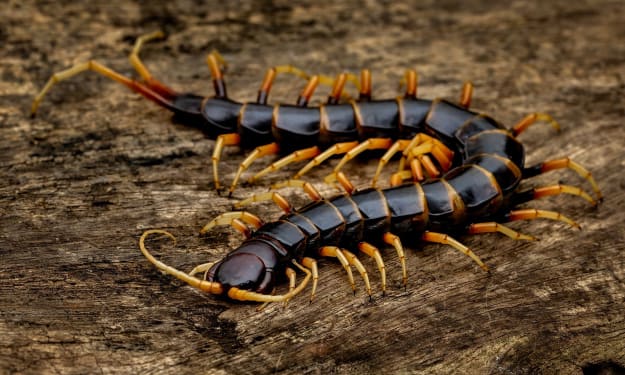
The Hidden World of the Centipede: Nature's Swift and Secretive Predator
In the damp corners of our homes, beneath rocks in the forest, or buried deep in the soil, a long, segmented creature moves with astonishing speed. The centipede, whose name means "hundred feet," is one of the most misunderstood yet fascinating predators in the insect world. Despite their unsettling appearance, these creatures have a unique and important role in ecosystems.
By Insect Legends10 months ago in Earth
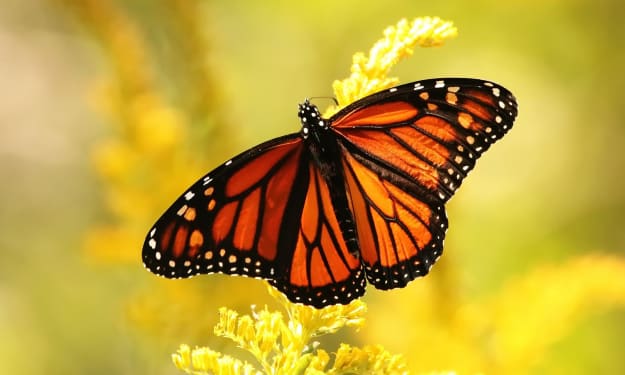
The Butterfly’s Secret: A Journey Through Change, Color, and Courage
In the quiet corners of gardens, forests, and meadows, a tiny creature begins a journey that is nothing short of miraculous. The butterfly, with its delicate wings and graceful flight, wasn’t always a symbol of beauty and transformation. Its life begins humbly, as a caterpillar inching along leaves, focused solely on eating and growing.
By Insect Legends10 months ago in Earth
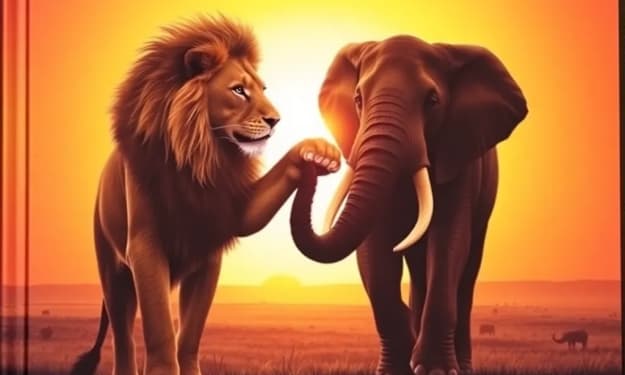
The Lion and the Elephant
In the heart of the savanna, where the golden grasses swayed in the breeze, two creatures ruled in their own way: Leo, the lion, and Elara, the elephant. Both were majestic, both powerful, but they were worlds apart in how they ruled the land. Leo, the king of the savanna, with his golden mane and booming roar, commanded respect through his might and fear. Elara, with her towering frame and graceful movements, ruled through wisdom, compassion, and a deep connection with the earth.
By Telhar Ali10 months ago in Earth
The Lion and the Lamb
Once upon a time, in a lush, untamed jungle nestled between rolling hills and vast rivers, there lived a mighty lion named Leo. Leo was the undisputed king of the jungle. His golden mane shone under the sun like the rays of the morning, and his roar echoed through the forest, sending shivers down the spines of every creature. He was strong, fearless, and respected by all the animals, from the smallest insect to the tallest giraffe.
By Telhar Ali10 months ago in Earth
The Forest Fire of America
It was a dry summer, and the winds had been unforgiving across the western United States. The forests, once lush with towering pines, were now a tinderbox waiting for the smallest spark to ignite them. In the heart of California, nestled between rugged mountains and serene valleys, a fire began, small at first but soon spreading with terrifying speed.
By Telhar Ali10 months ago in Earth
EARTH 2125
By 2125, Earth is no longer the planet we once knew—it’s something entirely new. Shaped by climate change, technological evolution, and the shifting values of humanity, the world has transformed in ways both breathtaking and sobering. If we could step into a time machine and walk the Earth a century from now, what would we see?
By SHADOW-WRITES10 months ago in Earth
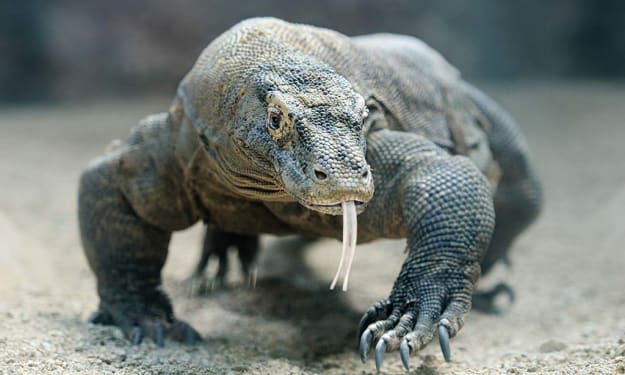
"Komodo Dragon: The Lethal Lizard from the Ancient World"
The Komodo dragon, a giant lizard found on a handful of islands in Indonesia, is one of the most fascinating—and terrifying—creatures on Earth. It’s not just its size or appearance that captures attention, but also its deadly nature and ancient history. This apex predator has survived for millions of years, unchanged and perfectly adapted to its environment.
By Insect Legends10 months ago in Earth
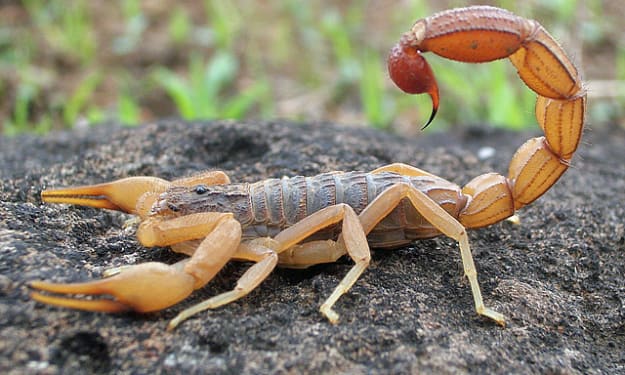
"Scorpions: Nature’s Ancient Survivors with a Deadly Secret"
Scorpions are among nature's most fascinating and mysterious creatures. Not only have they managed to survive on Earth for hundreds of millions of years, but they have also adapted to some of the harshest environments known to man. These venomous arachnids are often feared, yet they are also admired by scientists for their evolutionary resilience and medical potential.
By Insect Legends10 months ago in Earth
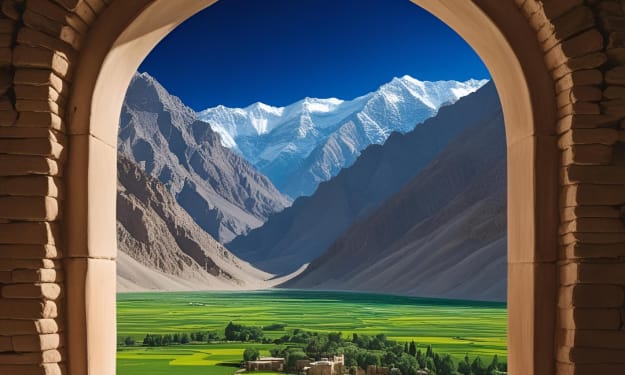
Emerald Valleys and Sapphire Skies: Discovering Afghanistan’s Natural Wonders
I arrived in Afghanistan not seeking war stories, nor political headlines—I came chasing colors. As a photographer and a wanderer of the forgotten, I had spent years chasing the world’s fading beauty. And now, I was here, drawn by whispers of emerald valleys and sapphire skies. Afghanistan, for most, meant conflict. For me, it meant a mystery yet untold.
By Mohammad Tariq Sideeqi10 months ago in Earth
All About the World's Largest Coral Reef
All About the World’s Largest Coral Reef: The Great Barrier Reef The world's largest coral reef is the **Great Barrier Reef**, a natural wonder so vast it can be seen from outer space. Located in the Coral Sea off the coast of Queensland, Australia, this underwater paradise is one of the most diverse and complex ecosystems on the planet. It holds immense ecological, economic, and cultural value, and has become a symbol of both nature's beauty and fragility. ## Geography and Size The Great Barrier Reef stretches over **2,300 kilometers (1,400 miles)** along the northeastern coast of Australia. It covers approximately 344,400 square kilometers (133,000 square miles) and is made up of more than 2,900 distinct reefs and 900 islands. To put this into perspective, it is about half the size of Texas and larger than Italy as a whole. It is the "largest coral reef system in the world" due to its enormous size, and it is one of the "Seven Natural Wonders of the World." The Great Barrier Reef Marine Park, which was established in 1975 to help safeguard the ecosystem from human influence, encompasses the reef. ## Biodiversity: A Living Work of Art The Great Barrier Reef, also known as the "rainforest of the sea," is one of the richest ecosystems in the world. ** It supports an extraordinary variety of marine life: - **Over 1,500 species of fish** - **400 species of coral** - **134 species of sharks and rays** - There are thirty species of marine mammals, including dolphins and dugongs. - **6 species of sea turtles** - More than 200 different kinds of birds The reef is also home to thousands of species of mollusks, sea snakes, sponges, and microscopic plankton. Many of these organisms have yet to be fully studied or even discovered. ## Formation and Structure Coral reefs are built by tiny marine animals called **coral polyps**. These polyps secrete calcium carbonate, forming a hard skeleton that becomes the foundation of the reef. Over millions of years, layers upon layers of coral build up, creating massive structures. The Great Barrier Reef began forming around **20 million years ago**, but its current structure is estimated to be about **6,000 to 8,000 years old**, shaped by changing sea levels and climate conditions over time. ## Importance of the Reef ### Environmental Importance The reef plays a crucial role in maintaining the health of the ocean. It provides habitat and food for countless marine species, contributes to carbon and nitrogen cycling, and helps protect coastal areas from erosion by acting as a natural barrier against storms and waves. ### Economic Value Tourism to the Great Barrier Reef generates **billions of dollars** each year for the Australian economy. Millions of people visit each year for marine tours, snorkeling, and scuba diving. Additionally, the reef supports commercial fishing industries and provides job opportunities for thousands of people. ### Cultural Significance The Great Barrier Reef holds deep cultural and spiritual significance for the **Aboriginal and Torres Strait Islander peoples**, who have lived in the region for tens of thousands of years. These Indigenous communities continue to play a crucial role in the reef's stewardship and maintain a strong connection to it. ## Riparian Dangers Despite its beauty and importance, the Great Barrier Reef is under serious threat from a combination of natural and human-induced factors: 1. **Climate Change**: Rising sea temperatures have led to widespread **coral bleaching**, where corals expel the algae that live in their tissues and provide them with color and nutrients. In 2016, 2017, and 2020, severe bleaching events destroyed a significant portion of the reef. 2. **Pollution**: Runoff from agriculture carries pesticides, fertilizers, and sediments into the ocean, which harms coral health and disrupts the balance of the ecosystem. 3. **Crown-of-Thorns Starfish**: These predators that eat coral have had population explosions that have destroyed substantial portions of the reef. 4. **Overfishing**: Unsustainable fishing practices deplete key species and disturb the delicate ecological balance. 5. **Coastal Development**: Infrastructure projects and dredging can damage marine habitats and increase pollution. ## Conservation Initiatives Diverse conservation efforts have been carried out in response to these threats: - **Great Barrier Reef Marine Park Authority (GBRMPA)**: Oversees the management and protection of the reef, enforcing zoning laws and regulations. - **Reef 2050 Plan**: A long-term sustainability strategy developed by the Australian and Queensland governments. - **Coral Restoration Projects**: To rebuild damaged areas, scientists are experimenting with coral farming and transplanting methods. - **Climate Action**: Global efforts to reduce greenhouse gas emissions are vital to the reef’s long-term survival. Additionally, many non-governmental organizations, Indigenous groups, researchers, and local communities are involved in reef monitoring, education, and protection. ## A Natural Treasure Worth Protecting The Great Barrier Reef is more than just a stunning natural site — it is a vital part of the planet’s ecological web, a source of livelihoods and inspiration, and a testament to the wonders of marine biodiversity. There is still hope despite the significant difficulties it faces. We have the power to work toward the goal of securing the long-term preservation of this global treasure through collective action.
By Al Amin Islam 10 months ago in Earth